A tractor’s Power Take-Off (PTO) system is the backbone of its functionality. Without a properly functioning tractor PTO, even the most basic farming tasks become impossible. Understanding the various kinds of PTO shafts, their components, and how they work can help farmers maximize the lifespan of their equipment. After all, investing in durable machinery isn’t just about buying it—it’s about maintaining it for years to come.
How the PTO Drive Works
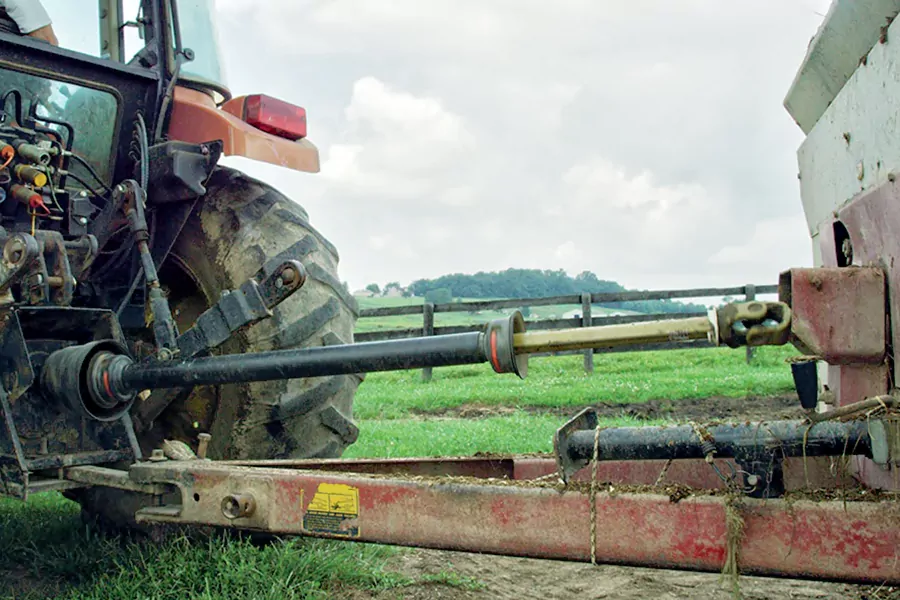
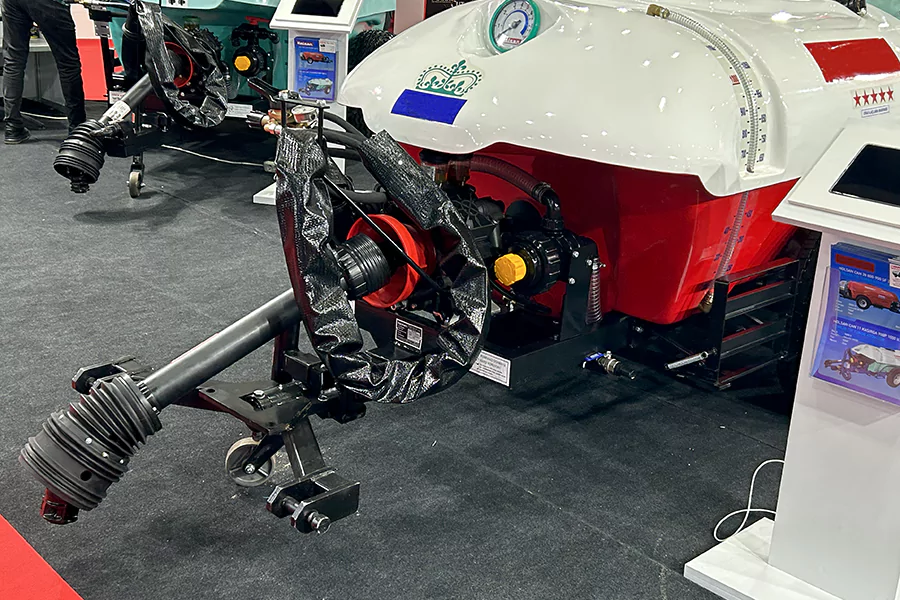
The PTO drive transfers power from your tractor to attached implements like mowers, balers, or tillers. Think of it as the middleman that keeps everything running. While many farmers focus on engine maintenance, the PTO-driven components often get overlooked. However, neglecting these parts can lead to breakdowns during critical tasks. Regular checks of the driveline, yokes, and safety features are essential for smooth operations.
Getting the Size Right
Choosing the correct size for your tractor PTO shaft is non-negotiable. Manufacturers usually provide length guidelines, but a quick measurement can confirm it. Use a tape measure to check the distance between the outer edges of the yokes when the shaft is fully retracted. The series size (like 540 or 1000 RPM) should align with your tractor’s horsepower. For example, lighter tasks like mowing often use a 540 RPM shaft, while heavy-duty jobs might require the 1000 RPM type. Matching the specs ensures efficiency and reduces wear.
Key Components to Know
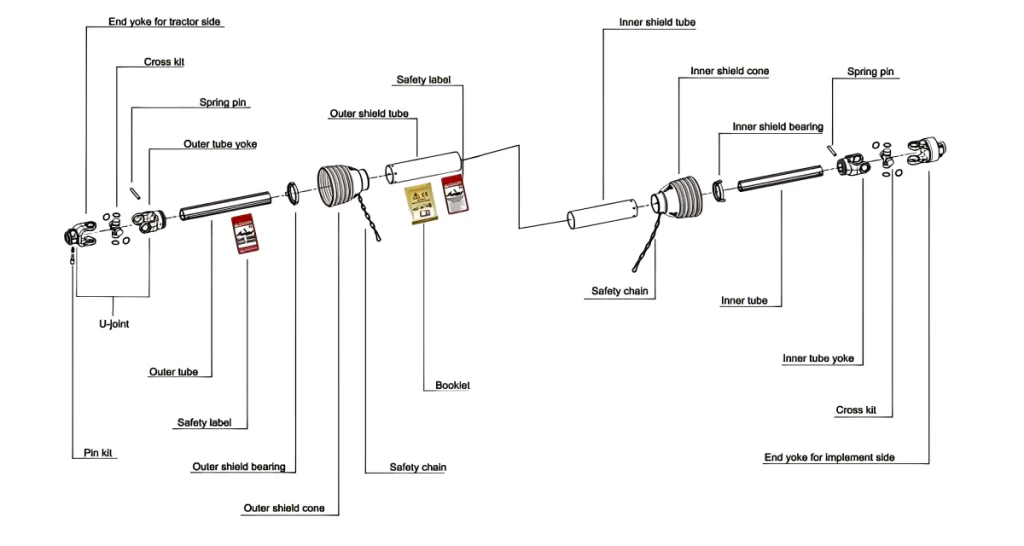
Every PTO shaft has critical parts that keep it functional and safe. The yokes and universal joints transfer power, but the safety shields and chains are just as important. Let’s break it down:
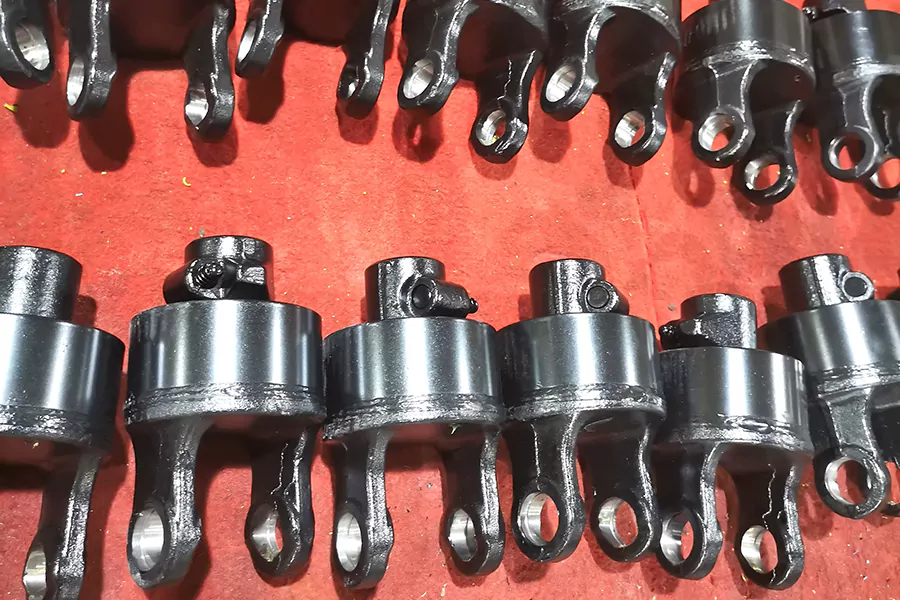
- Internal/External Yokes: These connect the shaft to the tractor and implement. The external yoke’s “Y” shape locks into the U-joint.
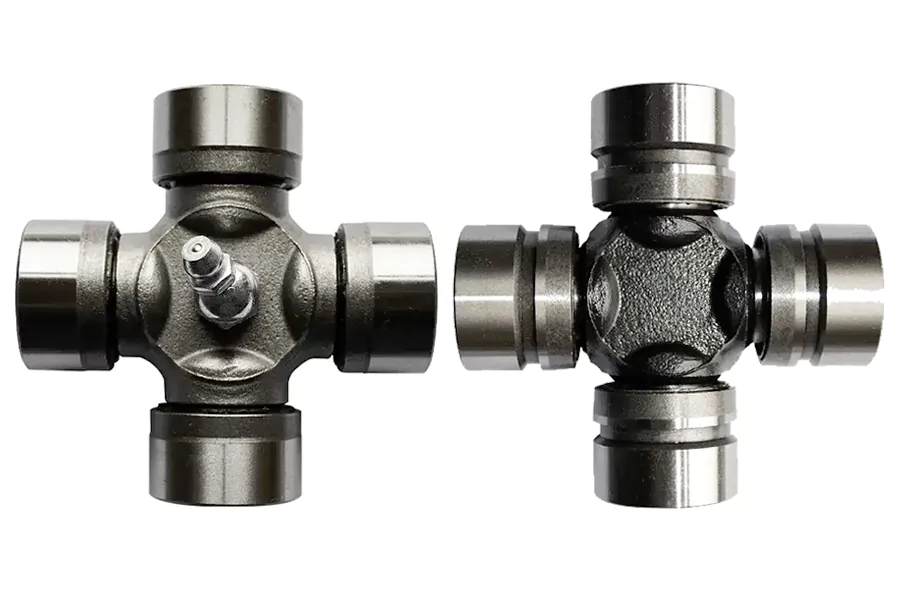
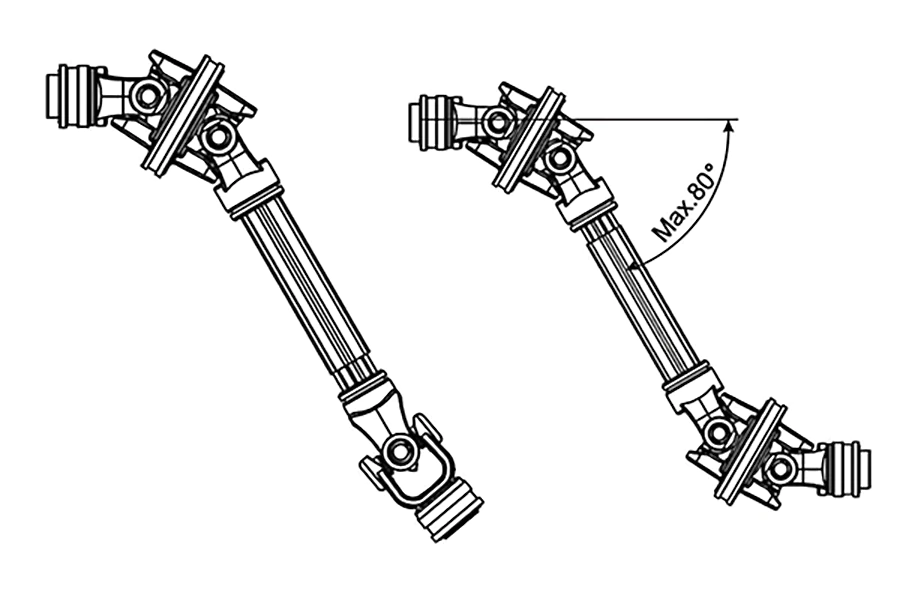
- Universal Joints: These allow flexibility when the tractor and implement move at different angles.
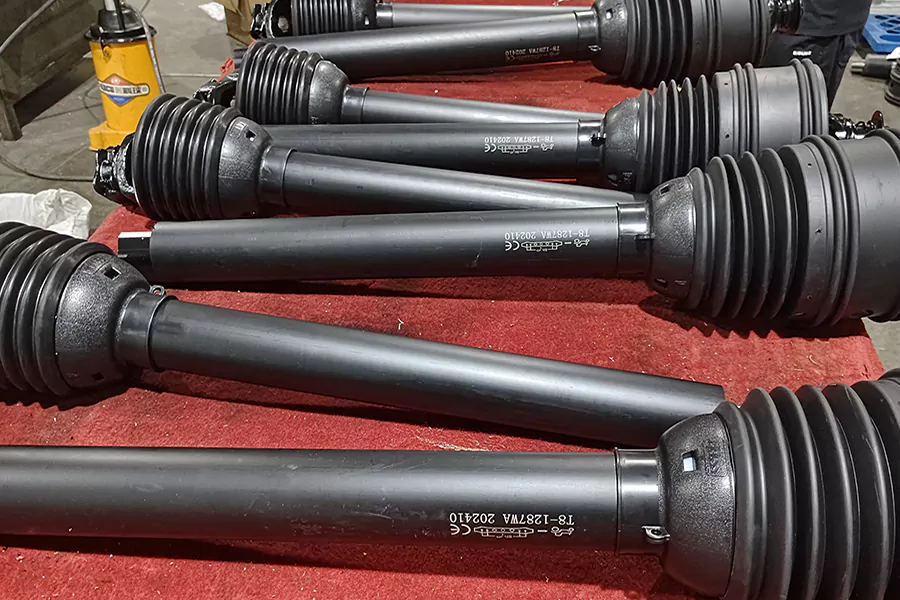
- Safety Shields: These rotating cones prevent clothing or debris from getting caught in the moving parts.
- Safety Chains: Securely attach the shaft to the equipment to avoid accidental detachment.
The above are the key components in the PTO shaft, but they are not all. Learn about all the PTO shaft componets ➔
Types of PTO Shafts
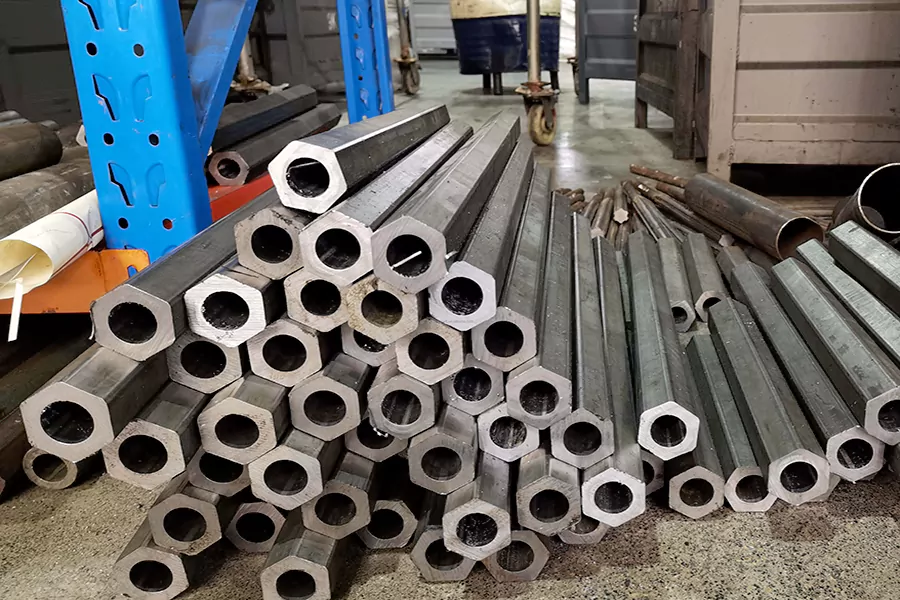
PTO shafts come in two main categories: domestic and metric. Domestic types often have round, square, or splined shapes, while metric versions use star or bell-shaped designs. Regardless of the type, most shafts use a telescoping design—meaning the inner tube slides into the outer one during operation. This flexibility is crucial when navigating uneven terrain or sharp turns.
Choosing the Right PTO for the Job
Not all PTO-driven equipment works the same way. The type you need depends on the task:
- Non-Shear PTO: Ideal for steady jobs like mowing, where sudden stops are rare. It’s built for smooth, uninterrupted power transfer.
- Shear Pin PTO: Used with equipment like chippers that might jam. The shear pin snaps under extreme force, protecting the driveline.
- Slip Clutch PTO: Perfect for rocky fields. If the implement hits an obstacle, the clutch slips to absorb shock, sparing your tractor’s gearbox.
Common Issues to Watch For
Even the best PTO tractor systems face wear and tear. Here’s what to monitor:
- Compression Damage: Overly long shafts can strain connections. Shortening them (with professional help) often solves the issue.
- Lubrication Gaps: Without regular greasing, telescoping tubes and bearings wear down faster. Aim to lubricate every 8 hours of use.
- Clutch Misuse: Using the wrong PTO type for heavy impacts—like plowing without a slip clutch—can destroy components. Always match the PTO to the job’s demands.
Final Thoughts
You don’t need to be a mechanic to maintain your tractor PTO, but knowing the basics protects your investment. Listen for unusual noises, check for loose parts, and never ignore safety features. If issues arise, consult BAIQUAN’s experts for tailored solutions. Remember: a small fix today saves time and money tomorrow.