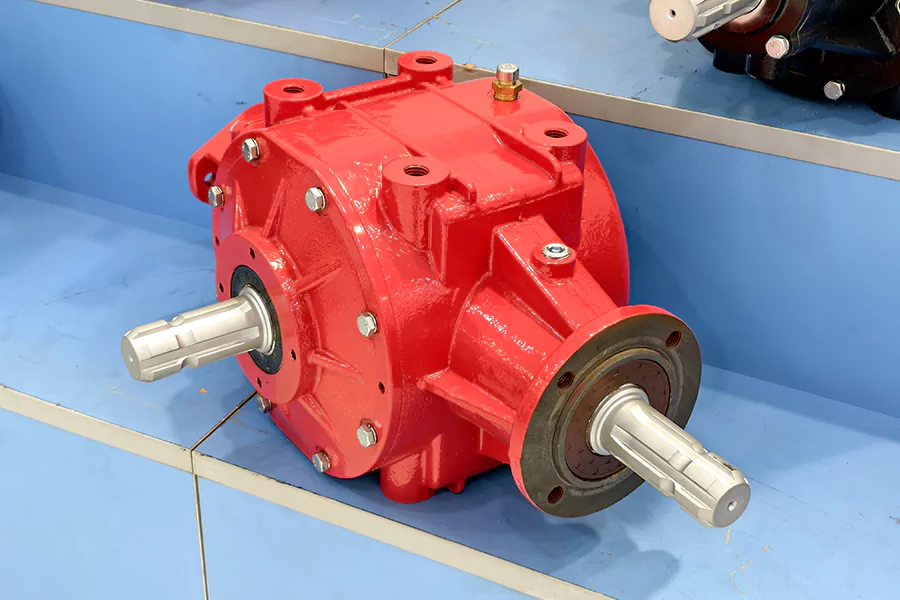
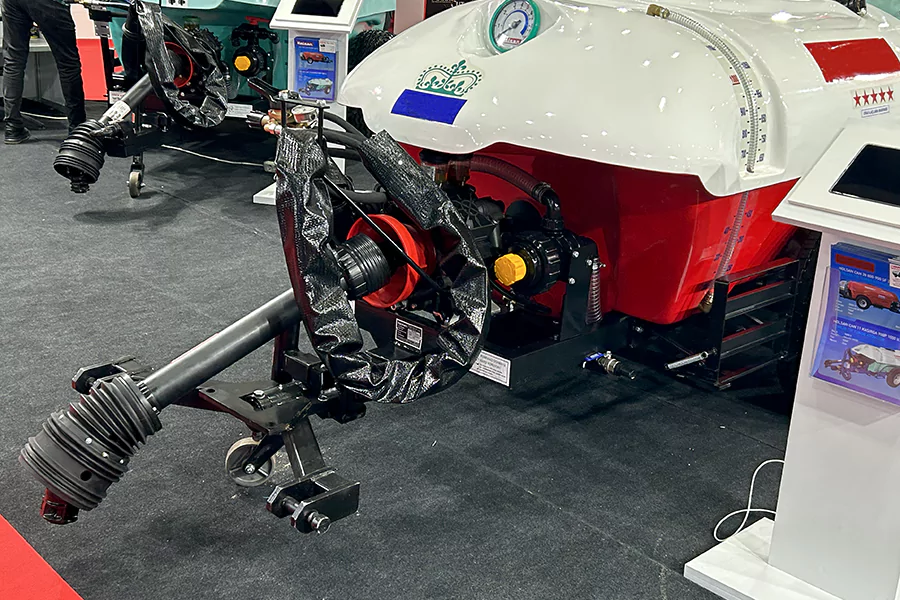
A $20 part can easily destroy a $5,000 transmission. According to seasoned mechanics, heavy equipment bearings work exactly like a bicycle wheel—essentially metal marbles rolling in a track—but under massive load. Without enough grease, intense friction generates dangerous heat, melting seals and destroying the surrounding metal.
Protecting your wallet means catching these problems early. Before scheduling a costly tractor bearing replacement, monitor the three primary failure zones: your wheels, the PTO, and engine pulleys. Because the risks of operating a tractor with worn-out bearings include sudden axle lock-ups and severe safety hazards, learning to spot these seven warning signs will save your season and keep your machine running safely.
The Sounds of Trouble: Identifying Grinding and Squealing in Your Drivetrain
Hearing a grinding noise coming from the tractor rear end while hauling heavy firewood is startling. The secret is noticing when it happens. If the sound only appears while pulling weight, you have “load-dependent” noise. This means the extra stress of the load is forcing compromised metal parts together.
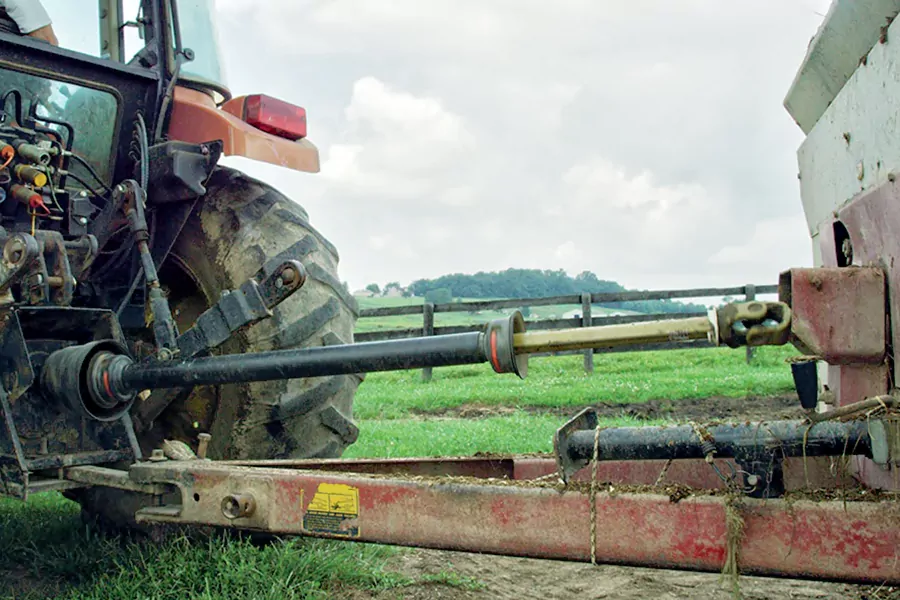
Pinpointing that source saves time. A high-pitched whine is often normal gear operation, but a harsh crunch reveals common causes of PTO shaft bearing failure. To safely find the culprit, press a long screwdriver’s metal tip against the gearbox housing and place your ear on the handle. This DIY stethoscope amplifies internal vibrations directly to you.
Rhythmic squeaks matching your tire speed are classic symptoms of failing wheel bearings on agricultural equipment. Because unwanted noise indicates friction, your next step is verifying this physically through the “Hot Hub” test.
The 'Hot Hub' Test: Why Temperature is Your Earliest Warning Sign
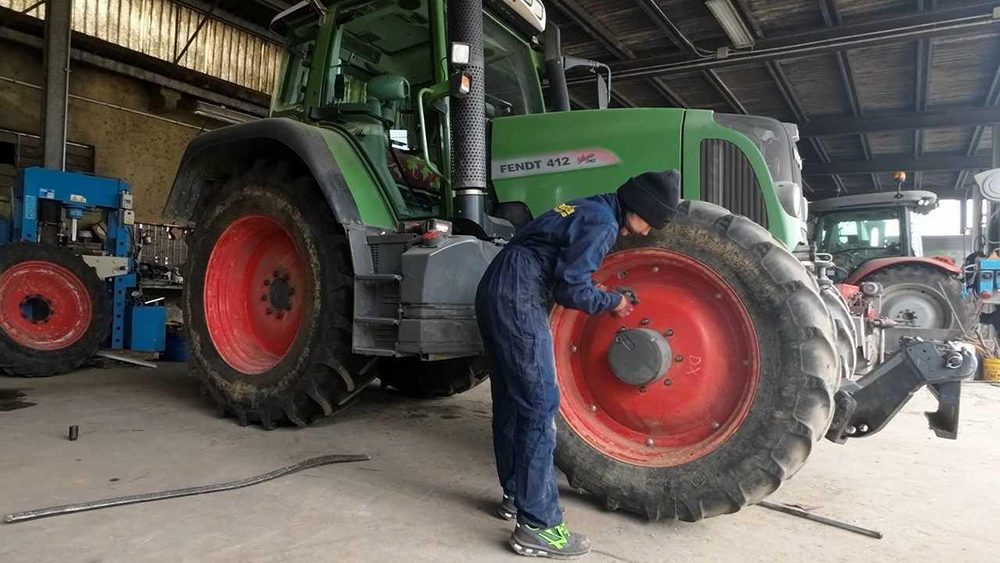
Because friction generates heat, temperature is your most reliable diagnostic tool. After thirty minutes of typical yard work, safely park and hover the back of your hand an inch from each wheel center. Mild warmth is normal, but if you are wondering, “why is my tractor wheel hub getting hot on only one side?” you have discovered thermal variance. This severe temperature difference proves a bearing is binding rather than spinning.
Mechanics often use an inexpensive infrared thermometer to precisely pinpoint these invisible hot spots. Catching early heat spikes allows for extending tractor bearing life with proper lubrication before the internal seals melt away. Once you locate a suspicious temperature difference, you must physically confirm the internal damage by mastering the “Jack and Wiggle” method to find hidden play.
Mastering the 'Jack and Wiggle' Method to Find Hidden Play
Locating a hot hub suggests friction, but physically feeling the looseness confirms internal damage. When testing tractor bearings using the jack and wiggle method, you are checking for axial play (in-and-out sliding) and radial play (up-and-down wobbling).
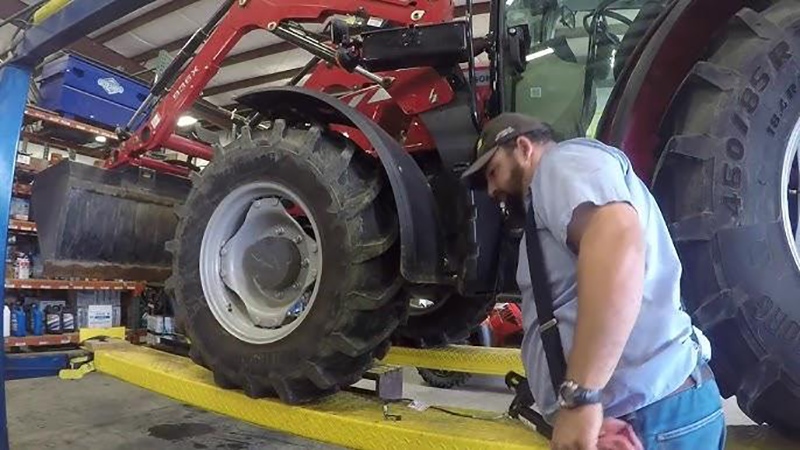
Using the tire’s wide diameter creates mechanical leverage to magnify this hidden slop. Master how to check for play in tractor axle bearings with these steps:
- Secure the jacked-up machine safely on heavy-duty safety stands.
- Grip the tire firmly at the 12 and 6 o’clock positions.
- Push the top while pulling the bottom, rocking it vigorously.
- Test at 3 and 9 o’clock; movement here alone usually indicates a loose steering tie-rod, not a hub issue.
Any wiggle exceeding 1/8th of an inch demands immediate attention, whether maintaining a modern loader or tackling a vintage ford tractor front wheel bearing replacement. Once you verify this dangerous looseness, visual clues offer further proof of bearing health.
Why Muddy Rims and Weeping Seals Are Red Flags for Bearing Health
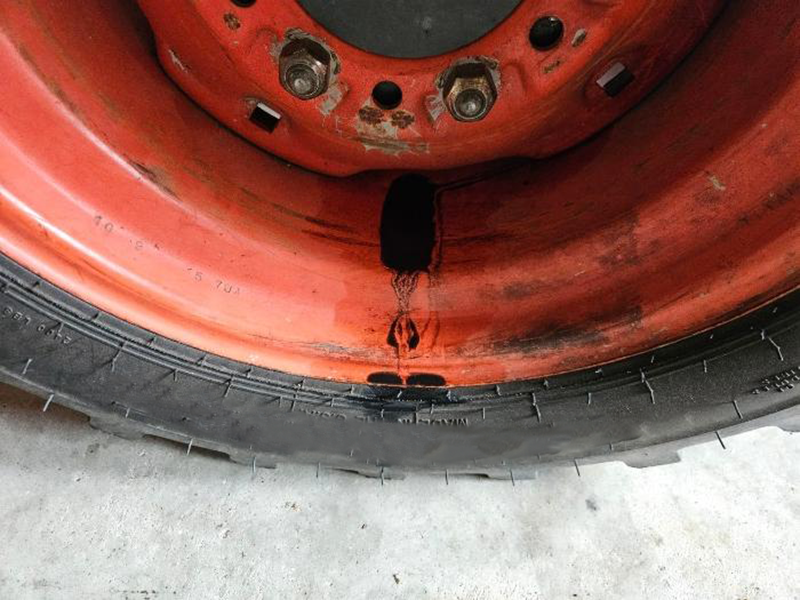
Spotting a dark weep pattern radiating from the inner wheel hub means a rubber seal has failed. This leak isn’t just messy; it’s an open door for grit. Caked mud acts like a wick, drawing grease out while forcing moisture inside. Ignoring the impact of mud and debris on tractor seal integrity turns minor leaks into grinding friction, accelerating internal wear.
Adding visual hub checks to your routine maintenance schedule for tractor drivetrain components saves thousands. When wiping that weeping grease, watch for “metallic glitter.” If it sparkles, the bearing is actively destroying itself. Those tiny flakes are your final warning before a costly lock-up.
Reading Your Oil: What Metal Shavings Reveal About Internal Wear
Catching that metallic glitter during a routine fluid change is your best diagnostic tool. Try the “Finger Rub” test: pinch a drop of used oil between your fingers. If it feels gritty instead of smooth, grit is chewing up your gears. Spotting excessive metal shavings in tractor differential oil signals a failing component before it completely seizes.
Many machines use a magnetic drain plug to capture this ferrous debris. Inspect the magnet to distinguish between standard wear and an impending breakdown:
- Normal Fuzz: A fine, gray paste that wipes away easily, much like wet graphite.
- Danger Shards: Sharp, distinct silver splinters or curled metal chunks.
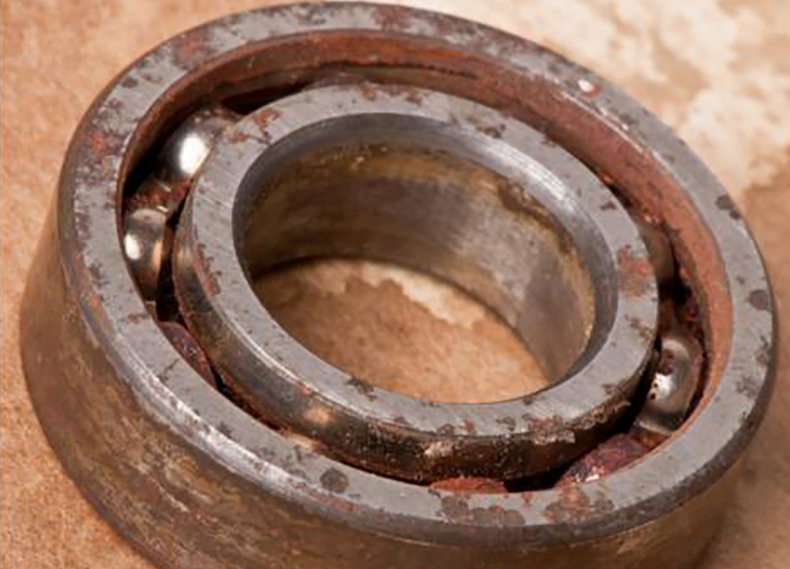
Finding shards means your heavy equipment bearings are actively tearing apart. Before a total lock-up leaves you stranded, these parts provide physical clues.
Feeling the Failure: Recognizing Steering Shakes and Burning Odors
Beyond the oil pan, your nose catches trouble first. Smelling the sharp, acrid odor of burning high-temp grease means a component is overheating. When metal rollers grind without lubrication, they create severe friction.
That hidden friction quickly transfers to your seat. You might feel a rhythmic shake creeping through the floorboards or notice the tractor “darting” unpredictably on flat dirt roads. These steering quirks serve as final warnings before total lockup.
Catching these sensory red flags early prevents a stranded machine. Fortunately, stopping this damage is straightforward.
How to Double Your Bearing Life with a Grease Gun and 10 Minutes a Month
Protecting your equipment investment means practicing proactive lubrication. Grab a tube of “EP2” grease—the “EP” stands for Extreme Pressure, ensuring it won’t squeeze out under heavy agricultural loads. Attach your grease gun and pump slowly until you see fresh grease push out the old, dirty grease from the edges. This simple “purging” technique physically flushes out hidden grit and moisture before they can cause damage.
A realistic assessment of your repair skills prevents dangerous mistakes.
Your 3-Step Plan for Safe Operation and Smart Repairs
Your tractor is a tool that talks to you, and you now know exactly how to listen. Build a five-minute sensory walk-around into your routine maintenance checks. Touch the hubs for heat, look for unexpected grease leaks, and implement a strict “stop and check” rule for any new noise. Catching these symptoms early is always cheaper than major repairs.
While a complete tractor bearing replacement might eventually require a mechanic, spotting warnings early keeps you firmly in control. Next Saturday morning, take two minutes to test your wheels for play. Building this simple habit guarantees your peace of mind and saves your season.