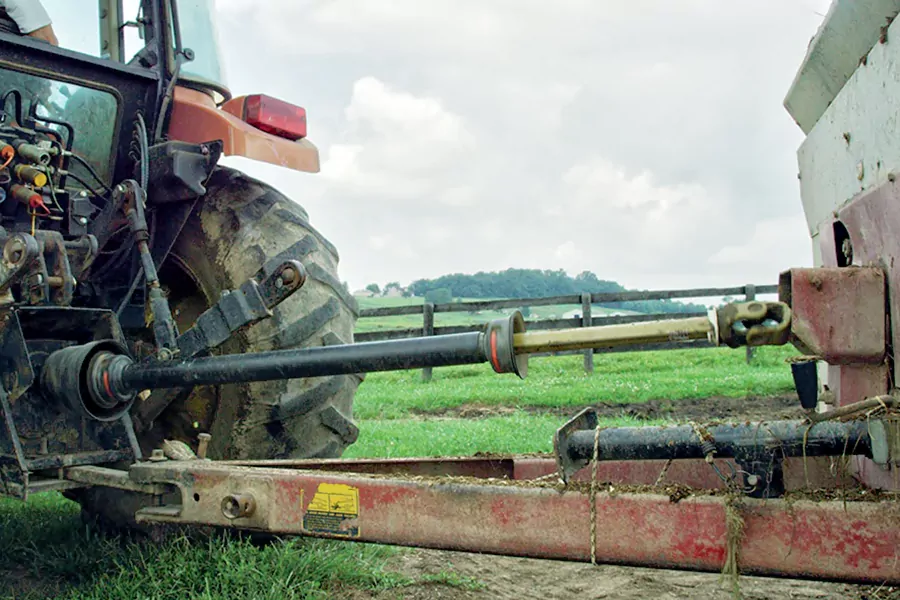
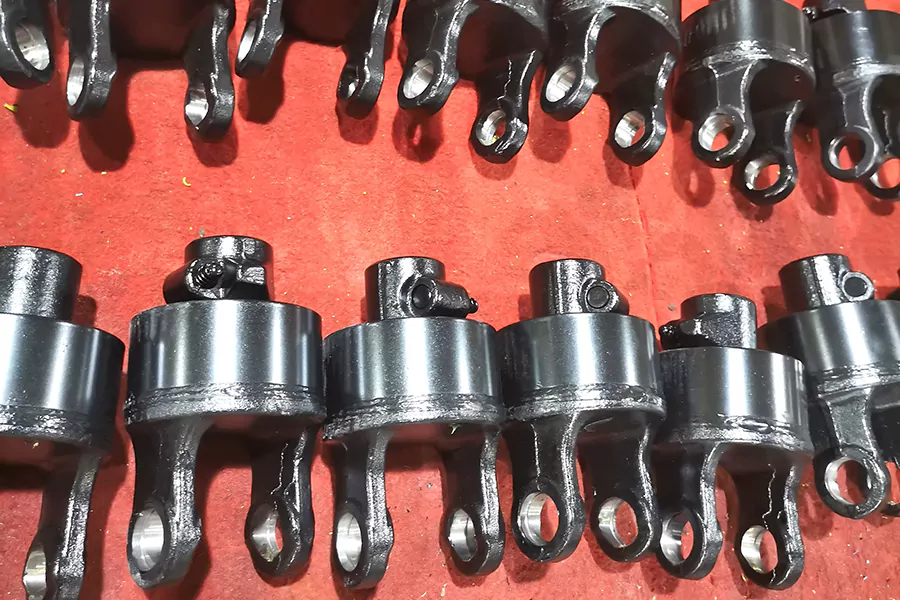
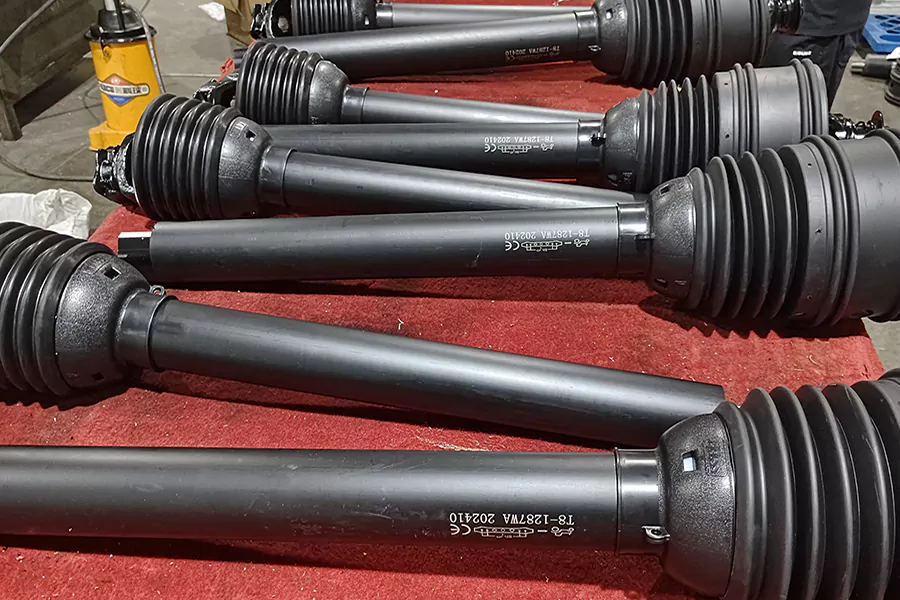
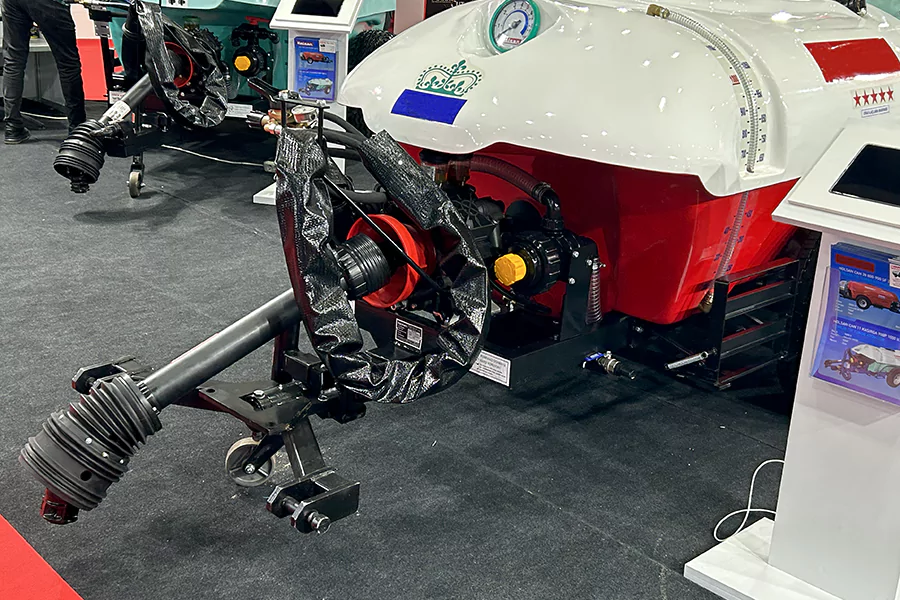
The PTO tube is an essential component in agricultural equipment and machinery. It’s used to transfer power from the tractor to various implements such as mowers, balers and tillers. It plays a crucial role in creating a reliable connection between the tractor’s power source and the implement. This achieves efficient and long-distance transmission of power.
The PTO tubes are typically made of durable materials like steel or aluminum. These materials will be used to make the inner tubes and outer tubes of PTO tubes. This design provides adjustable length, enabling the PTO tube to flexibly adapt to different implements or working conditions.
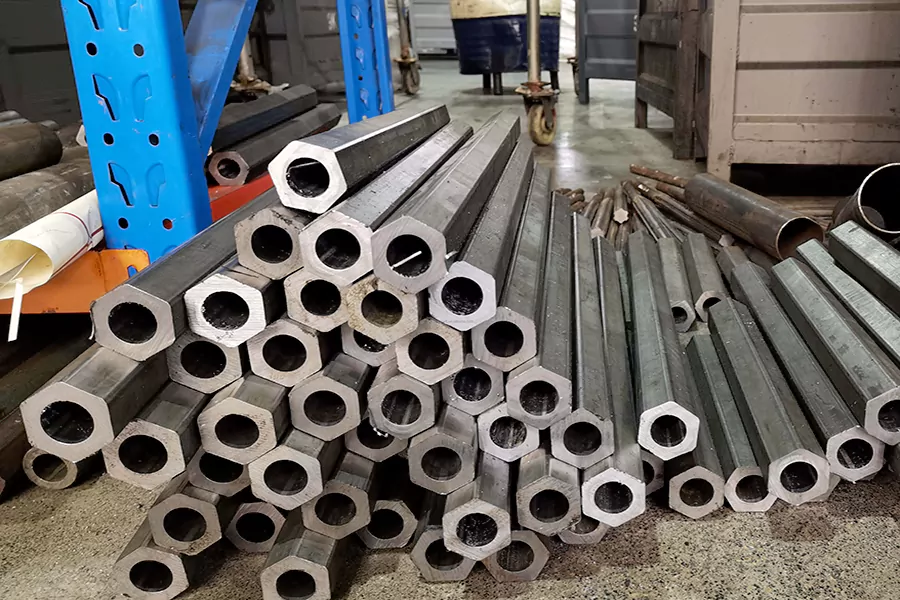
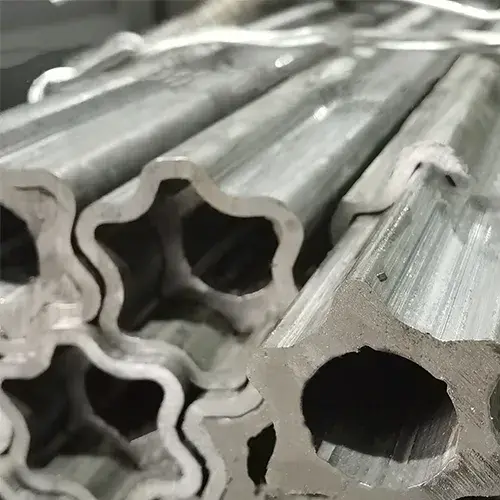
PTO tubes come in various profiles, each offering different strengths, wall thicknesses, and torque transmission efficiencies, which also affect their cost. BAIQUAN produces 6 main types of PTO tube: triangle tube, lemon tube, star tube, gear tube, rectangular tube and hexagonal tube.
Tips for Choosing High-Quality PTO Tubes
- Measure the Correct Shaft Length: Start by measuring the distance between your tractor’s PTO stub and the implement’s input shaft. Remember that some implements move back and forth during operation, so the shaft needs to be able to extend and retract smoothly. Telescopic shafts are a great option because they provide the flexibility needed for these movements.
- Check Shaft Diameter and Splines: Make sure the shaft fits your tractor’s PTO stub and the implement’s input shaft. For most tractors, the common PTO sizes are:
- 540 RPM: 6 splines, 1 3/8-inch diameter
- 1000 RPM: 21 splines, 1 3/8-inch diameter or 20 splines, 1 3/4-inch diameter
- Match Torque and Horsepower Ratings Your PTO shaft needs to handle the maximum torque and horsepower that your tractor produces. Check your tractor and implement specs to ensure the shaft can handle the workload without failing under pressure.
- Look for Safety Features Safety should always come first. Choose a PTO shaft with reliable safety guards to protect against accidents or entanglements. Look for shafts that meet recognized safety standards—this ensures you’re getting a safe and dependable product.
- Consider the Type of Work
The job you’re doing often determines the type of PTO shaft you need. For example:
- Mowers and balers may require specific shafts designed for continuous rotation.
- Tough or heavy-duty work calls for stronger, more durable shafts to handle long hours and intense use.
- Focus on Quality and Material: Always go for PTO shafts made from durable, high-quality materials. A well-built shaft will resist wear, rust, and damage, saving you time and money in the long run.
How to Install and Replace PTO Tubes?
- Power Off First: Before you begin, make sure the tractor or any power source is completely shut off. Remove the ignition key to prevent any accidental start-ups. Also, double-check that the implement connected to the PTO is stable and won’t move during the process.
- Detach the PTO Shaft: Start by disconnecting the PTO shaft from both the implement and the tractor. You’ll typically need to remove a locking pin or clip from each end. Gently slide the shaft away from the tractor’s PTO stub and off the implement.
- Take Apart the PTO Shaft: Place the shaft on a flat surface or secure it in a vise to keep it steady. Remove any safety guards, chains, or other covers. Then, locate the pins, bolts, or fasteners that hold the tube in place and carefully take them out.
- Remove the Old Tube: Slide the old tube off the assembly. If it’s stuck, you might need to tap it lightly with a hammer or wiggle it free. Be careful not to damage any other parts of the shaft.
- Prep the New Tube: Before installing the new tube, apply some grease to its inside surface and any related moving parts. This helps ensure everything operates smoothly once assembled.
- Install the New Tube: Slide the new tube into place, making sure it lines up correctly with the shaft and yoke components. Use the original fasteners, pins, or bolts to secure it firmly.
- Reassemble the Shaft: Put back any guards, chains, or safety covers you removed earlier. Once everything looks secure, reconnect the PTO shaft: attach one end to the implement and the other to the tractor’s PTO stub. Lock both ends in place using pins or clips.
- Test It Out: Start the tractor and engage the PTO at a low speed to see if the shaft rotates smoothly. Listen for any odd noises or wobbling. Once it passes this initial test, run the equipment as usual under normal conditions to confirm everything is working properly.
PTO Tubes Maintenance Guidelines
- Inspect It Regularly: Take a close look at the PTO shaft tube now and then for cracks, bends, or other signs of wear. Make sure all safety guards are still in place and in good condition—they’re there to keep you safe from dangerous entanglements.
- Keep It Well Lubricated: Grease is your best friend when it comes to PTO shafts. Pay extra attention to universal joints, yokes, and the telescoping parts of the shaft. Use high-quality grease that’s designed for farm equipment to keep everything moving smoothly.
- Clean Off Dirt and Debris: Dirt, crop residue, and grime can build up on the shaft over time, causing it to stick or hide small damage. Regularly clean the shaft to make sure it stays in good working order, especially around the sliding or telescopic parts.
- Check the Length: Make sure the PTO shaft is the right length for your tractor and implement. If it’s too short, it might disconnect while working. If it’s too long, it can get jammed and cause serious damage. Test the telescoping parts to see if they slide smoothly—if not, they might need cleaning or a bit more grease.
- Replace Worn or Damaged Parts: Keep an eye on components like yokes, universal joints, and the tubing. If anything looks worn out or damaged, replace it sooner rather than later. Don’t forget to check shear bolts or pins—they’re designed to break under excess pressure to protect your equipment, so they need to be replaced if broken.
- Store It Properly: When you’re not using the PTO shaft, keep it in a dry, sheltered spot to prevent rust and corrosion. Hanging it up is a good idea—it stops it from getting bent or warped while sitting on the ground.
Conclusion
The above is all about the PTO tube. We hope it will be helpful to your business. Below are the links to recommend relevant content for you.