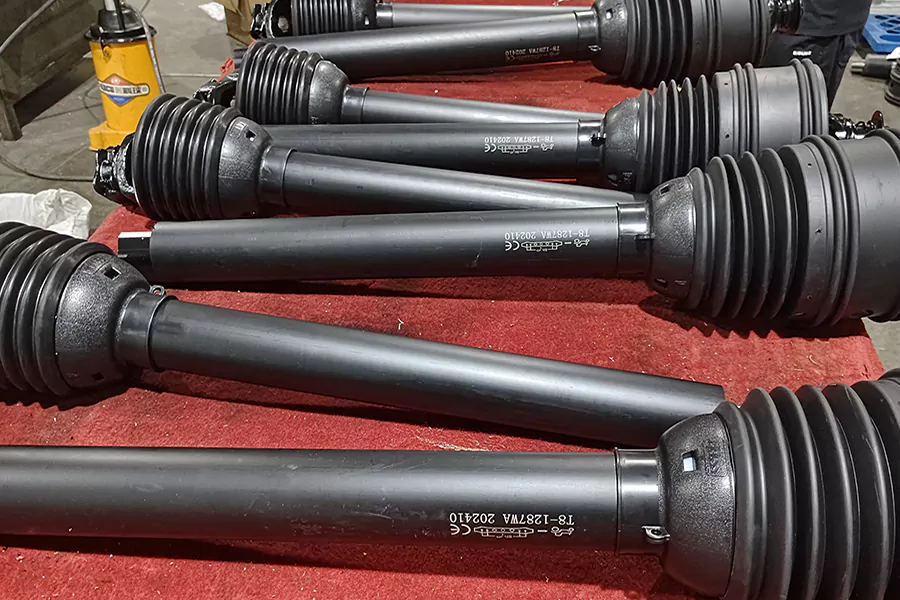
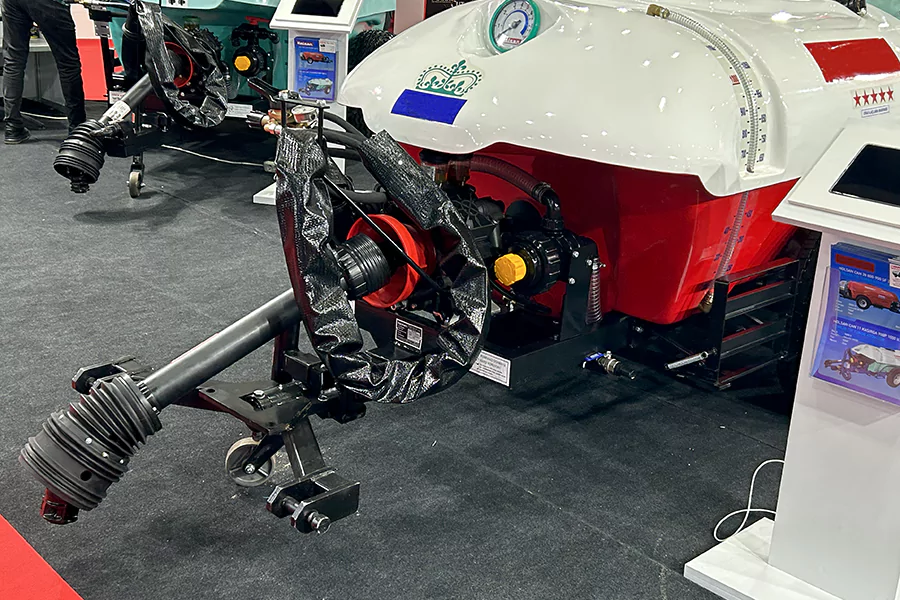
The overrunning clutch, also known as a one-way clutch or sprag clutch, is the mechanical device. Its primary function is to ensure one-way torque transmission while allowing free rotation in the opposite direction. It’s widely used in various equipment, including the power take-off (PTO) shafts of tractors.
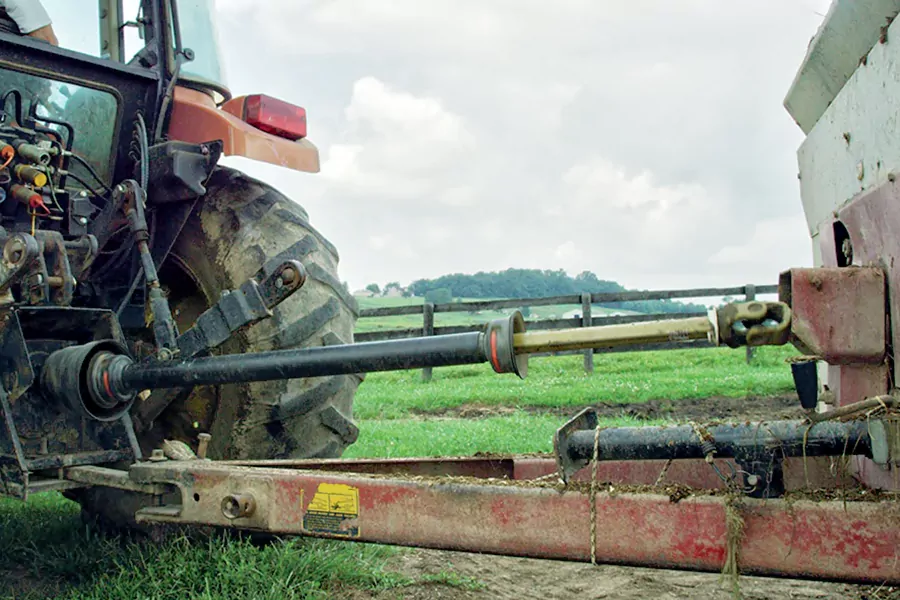
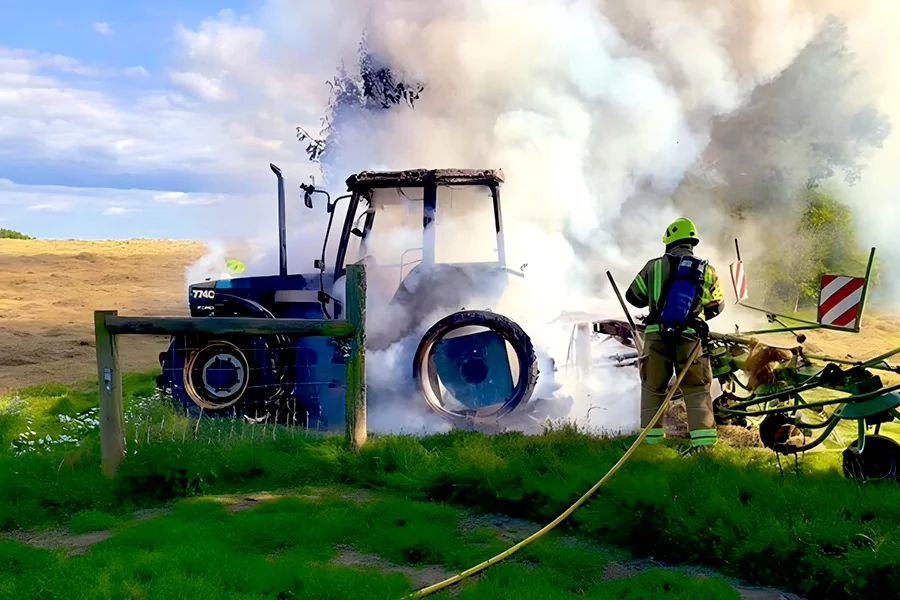
Typically on a trailer, the PTO shaft transfers power from the tractor’s engine to various implements, and this transmission is one-way. However, the implement sometimes may have its own power source capable of driving the PTO shaft in reverse. That’s undeniably dangerous. To avoid this situation, a overrunning clutch is usually used.
The overrunning clutch provides multiple benefits for the tractor’s PTO shaft. It protects the tractor’s transmission and engine from potential damage caused by reverse rotation. By preventing the implement from unintentionally moving backward when the tractor is stationary, it enhances operational safety. Additionally, it ensures smoother operation of the PTO system and reduces wear caused by sudden engagement and disengagement.
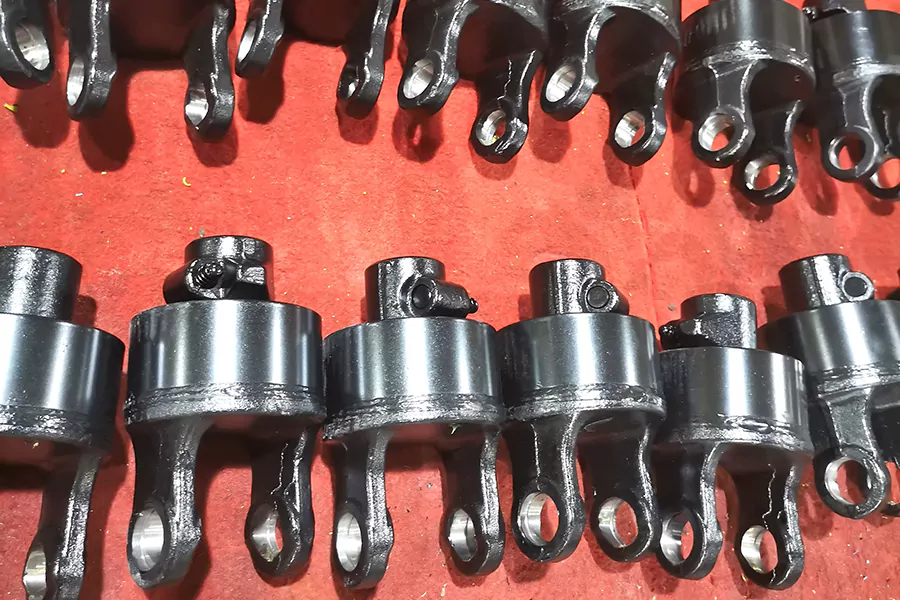
How an Overrunning Clutch Works on a Tractor’s PTO Shaft
- Free Spinning in One Direction: The clutch lets the PTO shaft spin freely in one direction. This is useful when the implement, like a mower or baler, keeps rotating faster than the PTO shaft due to its momentum. The clutch allows this “overrun” without any resistance or damage.
- Locks in the Opposite Direction: When the tractor powers the PTO shaft, the clutch engages and locks the PTO shaft and implement together. This ensures power is effectively transmitted from the tractor to the implement.
- The Ramp and Roller System: Inside the clutch, there are ramps and rollers that make the magic happen. When the implement moves faster, the rollers slide up the ramps and release, letting the implement spin without dragging the PTO shaft.
- Engages During Power Transmission: When the tractor drives the PTO shaft at full speed, the rollers push against the ramps, creating a firm lock. This allows the tractor to send power to the implement, ensuring smooth operation.
- Automatic Disengagement When Needed: If the tractor slows down or stops, and the implement’s inertia causes it to spin faster, the clutch disengages automatically. This prevents the implement from pushing back against the PTO shaft and protects the tractor’s drivetrain.
In short, the overrunning clutch acts as a safety feature and a performance booster. It keeps your equipment running freely when it needs to while preventing damage to the tractor when things slow down.
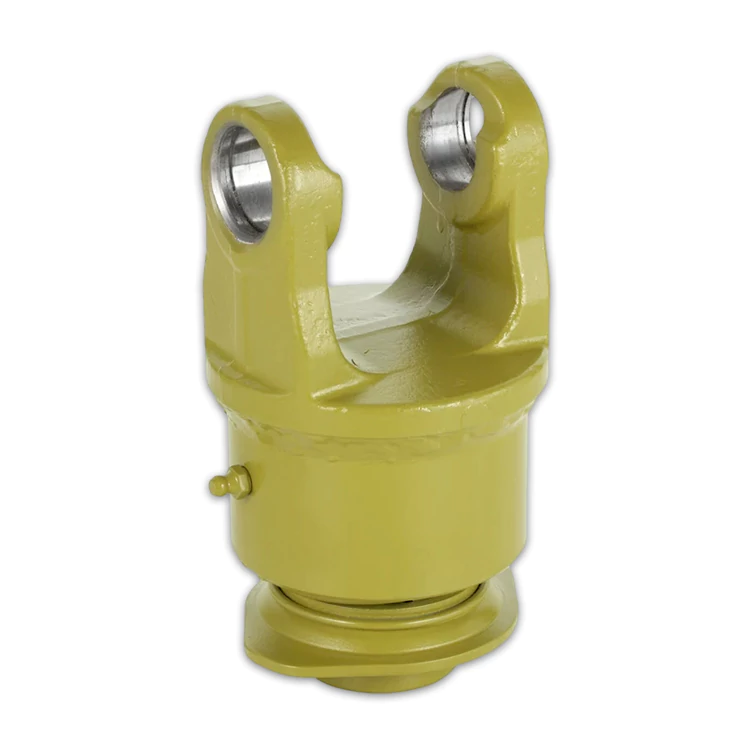
How to Install the Overrunning Clutch to PTO Shaft?
- Clean the PTO Shaft: Start by cleaning off any dirt, grease, or debris from the PTO shaft. This ensures a smooth, clean connection for the overrunning clutch to fit securely.
- Align the Clutch: Slide the overrunning clutch onto the PTO shaft, making sure it lines up correctly. The splines on both the shaft and the clutch should match and fit together snugly.
- Secure the Clutch: Once the clutch is properly aligned, secure it in place. Depending on the clutch design, you may need to tighten a set screw or bolt to hold it firmly onto the shaft.
- Lubricate the Parts: Apply the recommended grease to both the PTO shaft and the internal parts of the clutch. Follow the manufacturer’s instructions to ensure smooth operation.
- Attach the Implement: After securing the clutch, connect the implement to the other end of the overrunning clutch, making sure everything fits properly.
- Safety Check: Double-check your work by performing a visual inspection. Make sure everything is locked into place and secure before moving on.
- Test the Setup: Start the tractor and engage the PTO at a low speed first to make sure the overrunning clutch is working as expected. If everything runs smoothly, you’re good to go!
This process helps ensure the overrunning clutch is properly installed and functioning for safe, efficient operation of your tractor and implement.
Overrunning Clutch Maintenance Guidelines
To keep your overrunning clutch running smoothly and extend its life, regular maintenance is key. Here’s how to maintain it properly:
- Clean and Inspect Regularly: Clean off any dirt, debris, or grease buildup from the clutch assembly. Regularly check for any signs of wear or damage to the components. Catching problems early can prevent bigger issues down the road.
- Lubricate the Clutch: Apply the right lubricant to the clutch parts based on the manufacturer’s recommendations. Proper lubrication keeps everything running smoothly and reduces friction.
- Test Periodically: Every so often, test the overrunning clutch to make sure it’s operating correctly. A quick test ensures everything is functioning as it should.
- Replace Worn or Damaged Parts: If you spot any worn or damaged parts during your inspections, replace them right away. Fixing minor issues early can help avoid costly repairs or replacements later.
By staying on top of these maintenance tasks, you’ll ensure your overrunning clutch continues to work efficiently for the long haul.
Conclusion
The above is all about the Overrunning Clutch. We hope it will be helpful to your business. Below are the links to recommend relevant content for you.