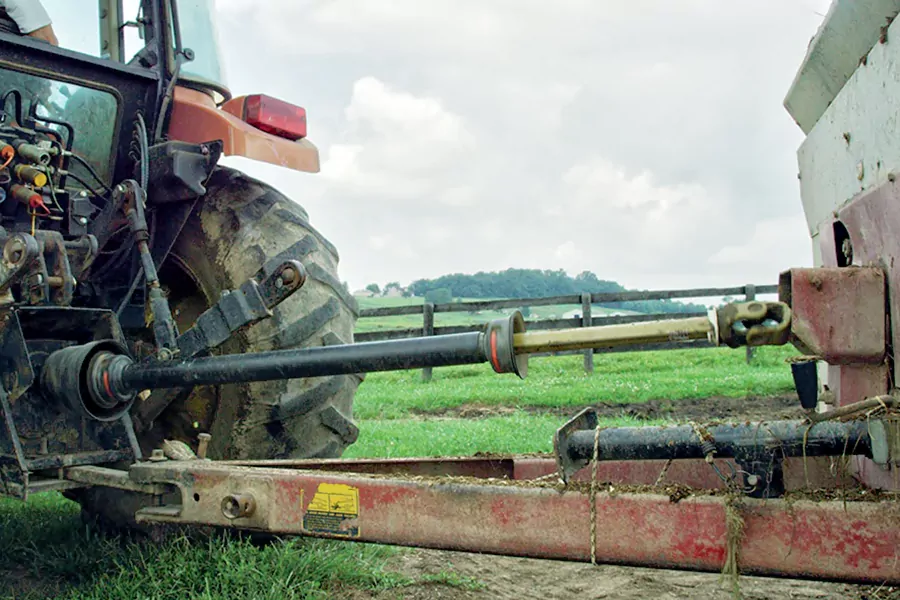
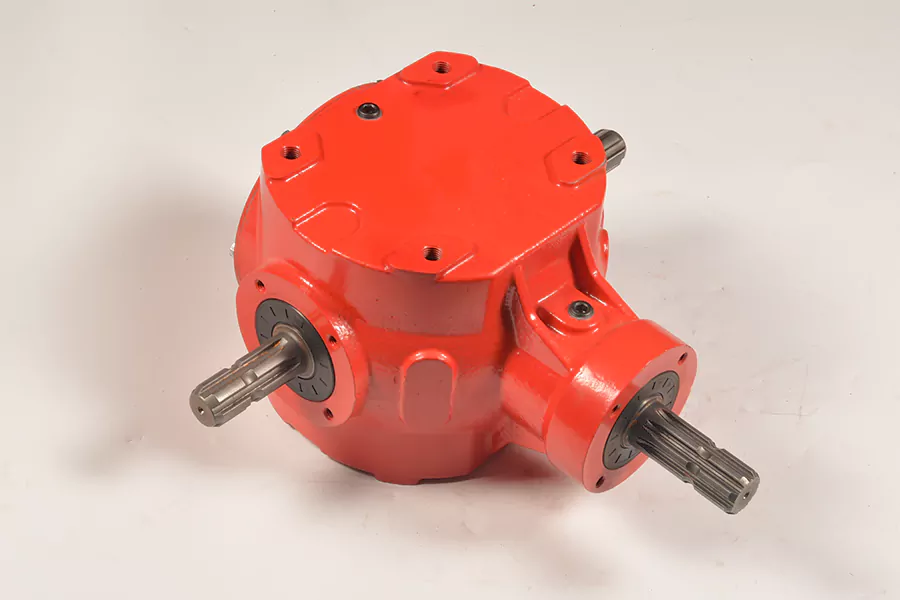
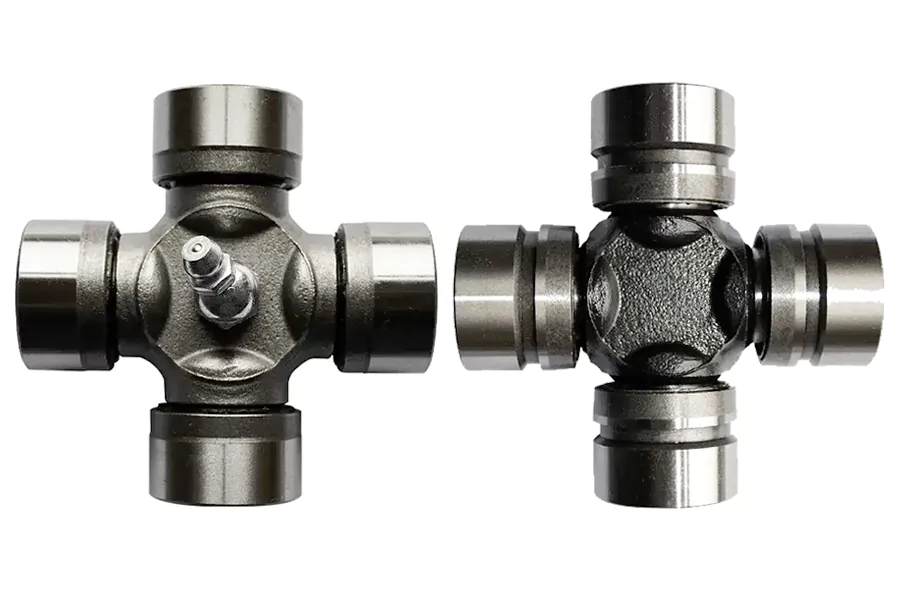
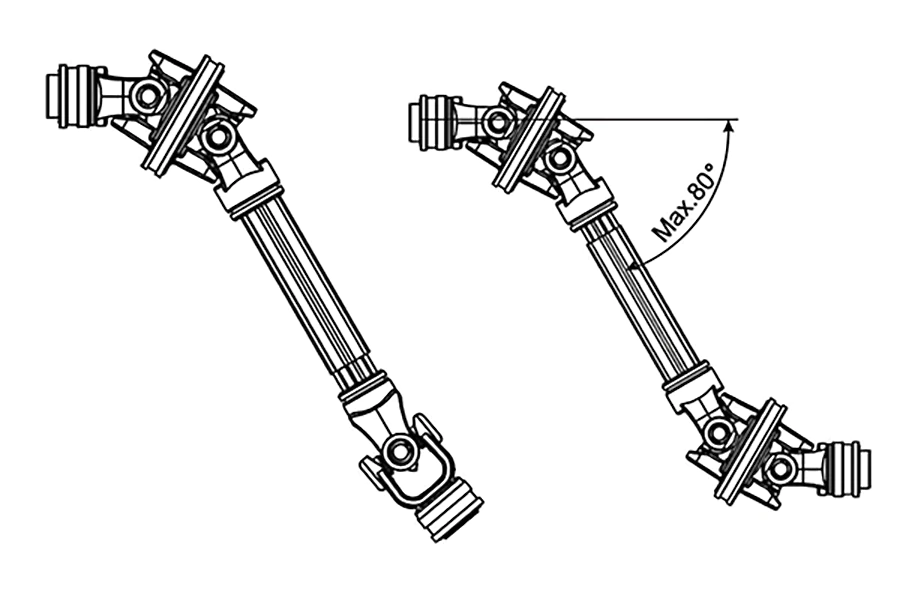
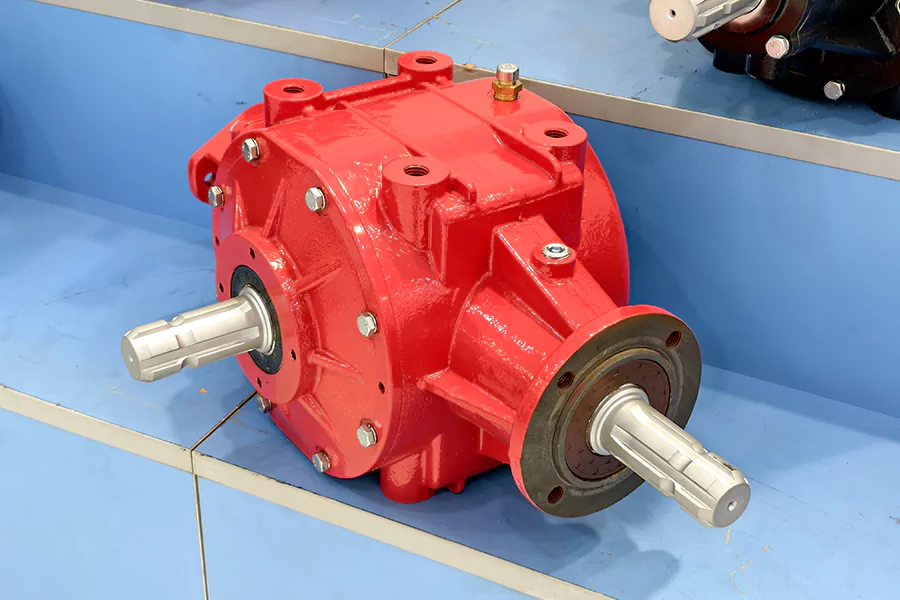
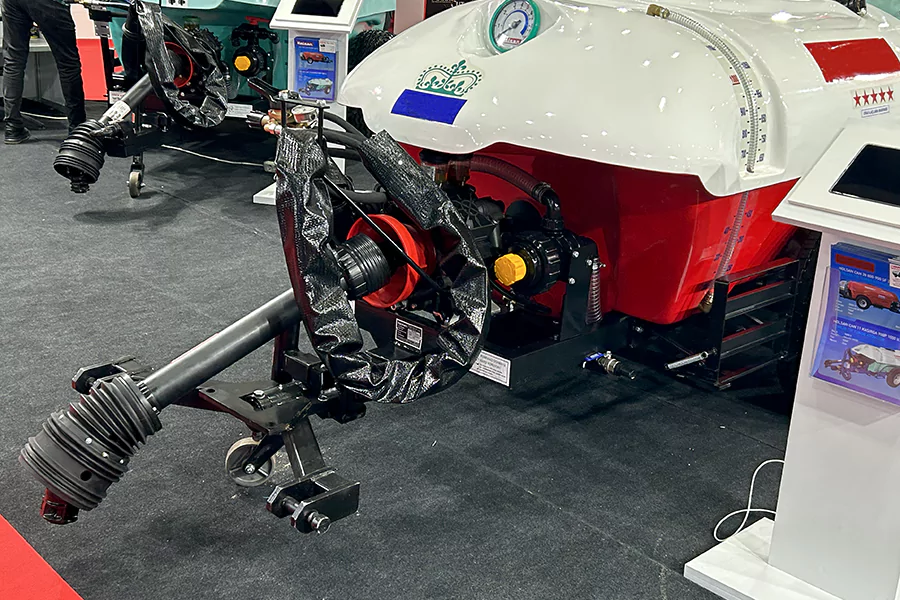
We’ve all heard that gut-wrenching bang when a brush hog blade finds a hidden stump. PTO torque limiters act like a mechanical fuse for your machinery, instantly breaking the connection before that violent shockwave travels up the shaft. They are affordable insurance policies protecting tractor gearboxes from overload—you gladly sacrifice a $50 part to save a $5,000 transmission.
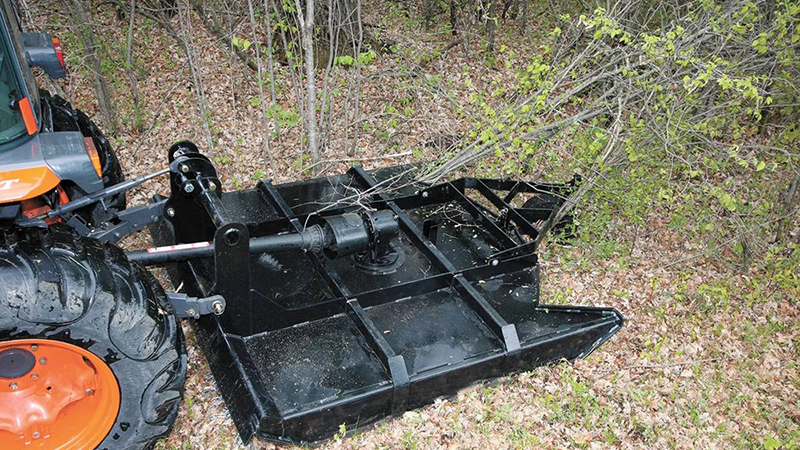
1. Shear Bolt Torque Limiter
How it works:
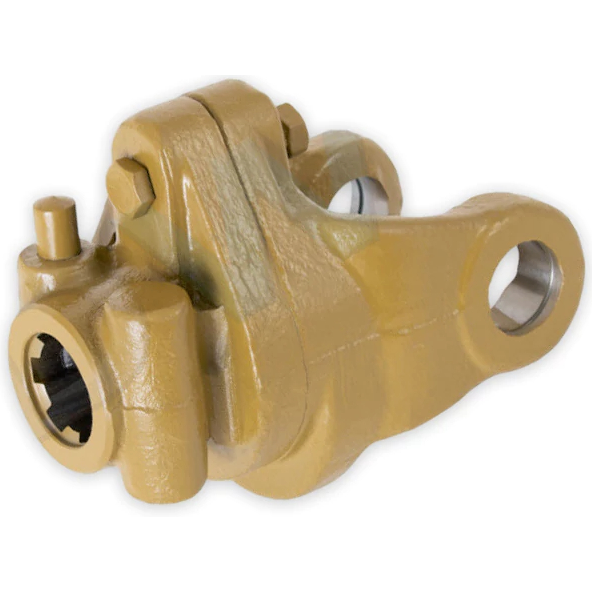
A post-hole digger or something similar may trap a buried root, creating lots of twisting energy (a shear force). The Shear Bolt Torque Limiter acts as a sacrificial failure point: the bolt breaks, protecting the transmission from damage.
Pros:
- Dirt-cheap and foolproof.
- Simple mechanical fuse design.
Cons:
- Requires manual replacement after each activation.
- Not ideal for frequent impacts.
Typical Use: Post-hole diggers, light-duty PTO implements.
Cheap bolts are ideal for rare strikes, but if you constantly hit debris, you’ll need friction discs to protect your machinery.
2. Friction / Slip Clutch Torque Limiter
How it works:
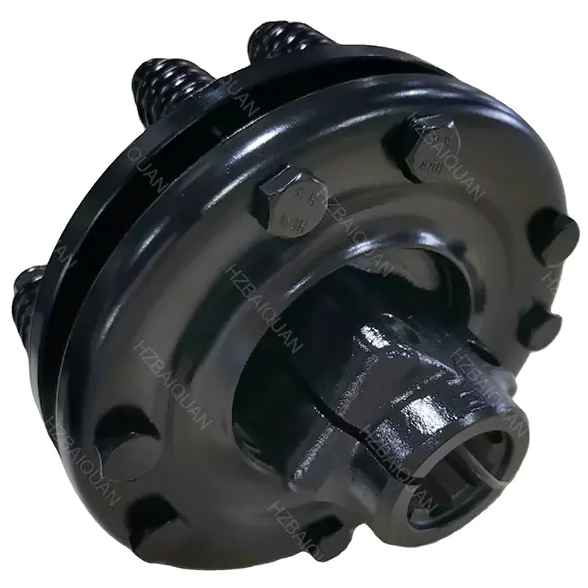
Friction or slip clutches use heavy springs to clamp friction discs. When the mower or implement hits an obstacle, the plates slide against each other, absorbing energy and automatically resetting. Adjusting spring tension controls the torque limit.
Signs it needs attention:
- Burning smell
- Visible smoke
- Constant slipping in light grass
Pros:
- Protects gearbox from sudden impacts.
- Automatic reset without breaking parts.
Typical Use: Mowers, balers, rotary tillers, brush hogs.
3. Ratchet Torque Limiter
How it works:
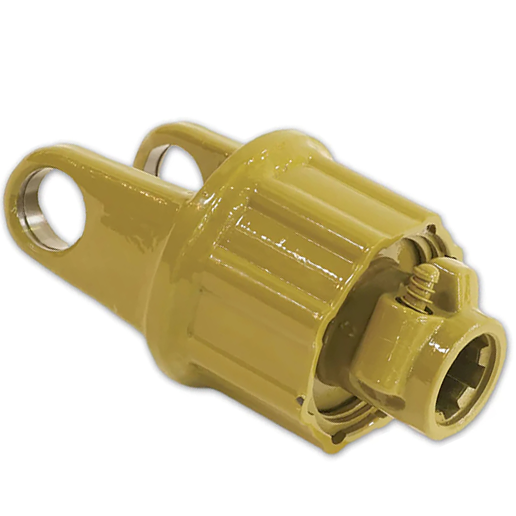
A ratchet clutch involves pawls engaging ratchet teeth. As the clutch torque becomes high enough, it clicks and slips, letting go the energy and automatically re-engaging.
Pros:
- Audible click provides feedback.
- Re-engages automatically without part replacement.
Typical Use: Hay equipment, forage harvesters.
4. Automatic Torque Limiter
How it works:
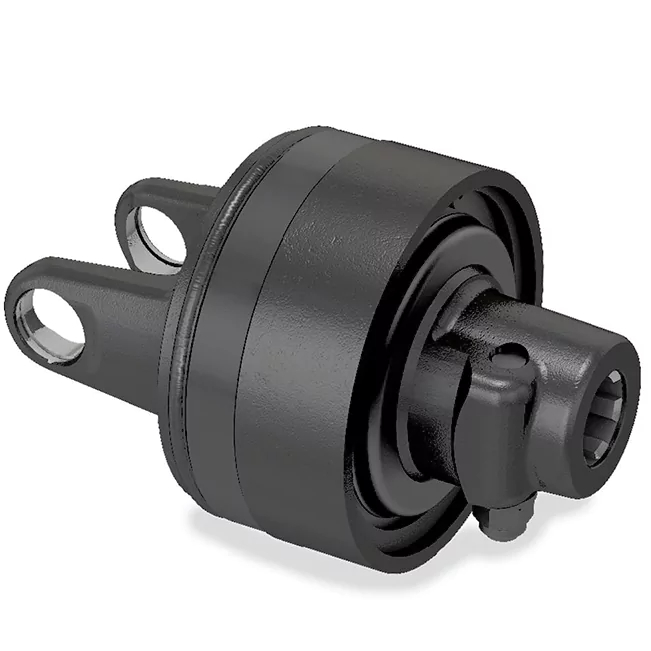
Automatic torque limiters use spring-loaded balls, rollers, or hydraulic mechanisms to disengage drive under overload. Once the torque returns to normal, the system automatically re-engages.
Pros:
- Maintenance-free and precise.
- Can handle continuous, high-torque applications.
Typical Use: Spreaders, augers, heavy-duty PTO implements.
Overrunning / High-Inertia Protection
How it works:
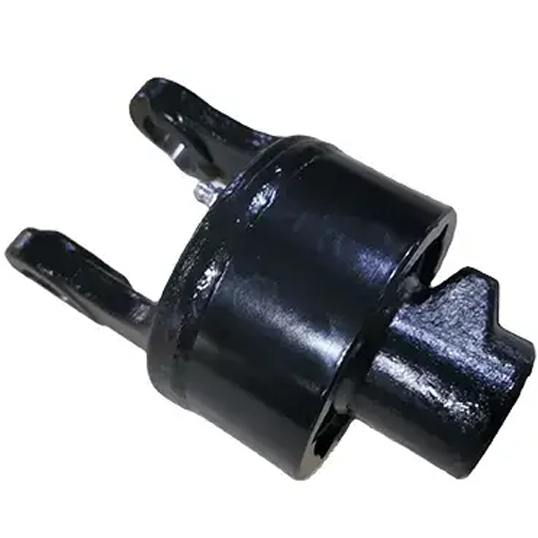
Similar to a bicycle coasting, overrunning clutches allow attachments with heavy inertia to freewheel safely after engine shutdown, preventing “tractor push” from backward spinning blades.
Typical Use: Snowblowers, combine harvester attachments, chippers.
Maintenance Tips for PTO Torque Limiters
- Verify tractor horsepower matches the maximum torque rating of your driveline.
- Inspect components for rust and physical damage.
- Test the slip mechanism annually.
A quick spring inspection can prevent frustrating summer downtime. Always ensure PTO shaft safety shields are intact before operating!