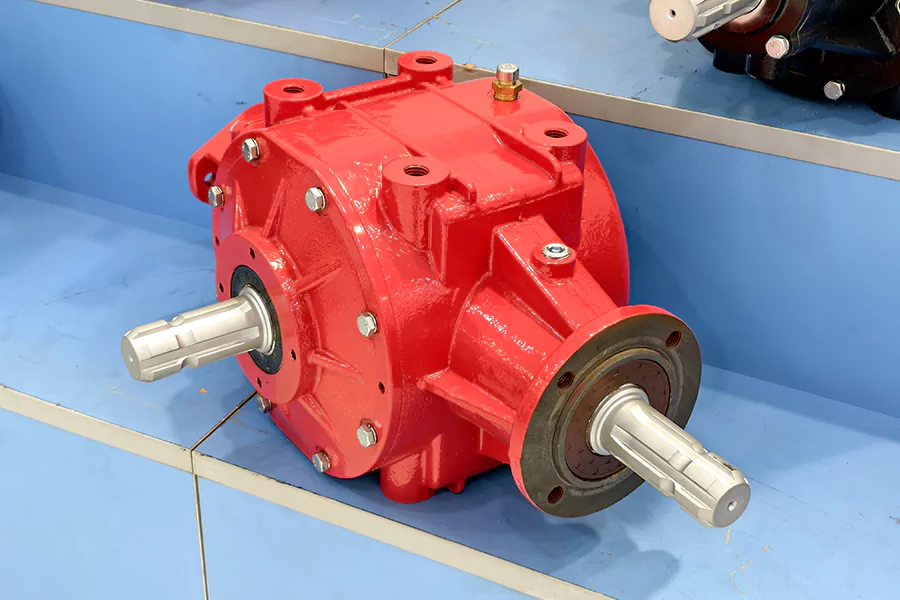
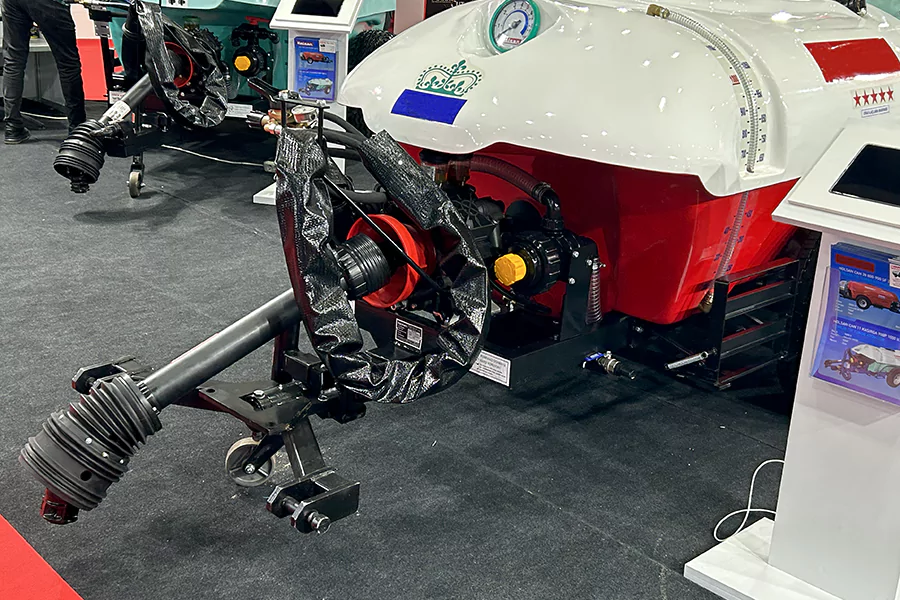
In the cutthroat world of modern agriculture, where margins are tight and downtime costs thousands, stainless steel fertilizer spreader gearboxes have emerged as unsung heroes. These rugged components form the backbone of tractor-mounted spreaders, delivering nutrients with the precision of a Swiss watch. Picture this: while ordinary steel gearboxes crumble under coastal salt spray or midwestern acid soils, their stainless steel cousins laugh in the face of corrosion—their chromium-rich alloy forming an invisible shield against rust, chemicals, and relentless moisture.
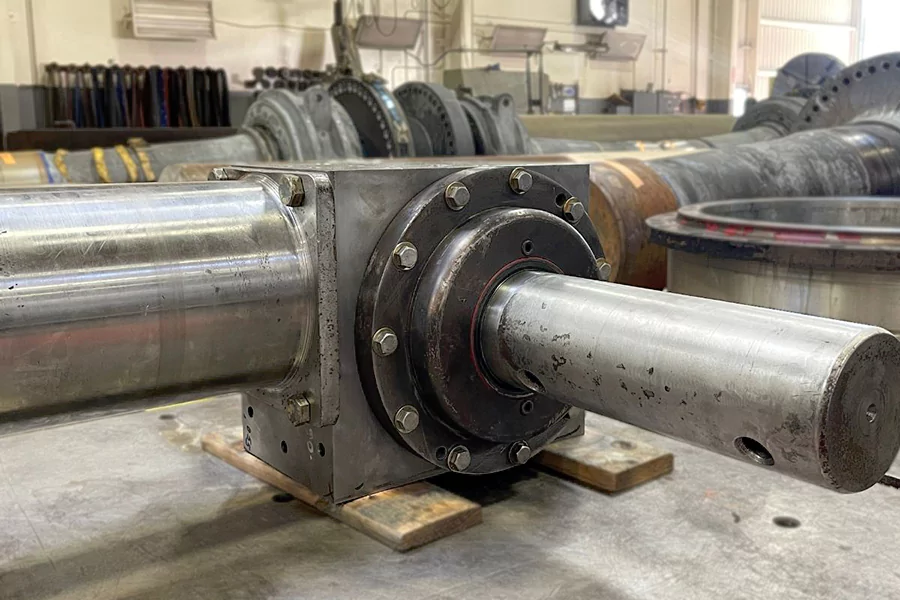
Built for Battlefield Conditions
Let’s cut through the marketing fluff—what really sets these gearbox types apart? Three words: survive, adapt, dominate. Take Bill Henderson’s 2,000-acre Ohio corn operation. After switching to stainless steel PTO gearboxes in 2020, his maintenance costs dropped 40%. “Regular steel boxes lasted two seasons max,” he recalls. “These? We’re entering year four with zero rust—even after hauling liquid ammonia fertilizers.”
The hygiene factor’s no joke either. When California’s organic avocado growers faced FDA audits last fall, their stainless gearboxes passed swab tests with flying colors. “Wipe down time went from 45 minutes to five,” says farm manager Luis Gutierrez. “That smooth surface repels gunk like Teflon.”
Precision Meets Power
Here’s where engineering gets sexy. Modern stainless steel gearboxes aren’t just tough—they’re smart. Take the PTO interface: advanced models now auto-sync with tractor RPMs through CAN bus systems. When spreading on slopes, inertial sensors adjust spinner speed in real-time—no more over-fertilizing downhill sections. “It’s like cruise control for nutrients,” jokes Texas wheat farmer Amanda Cole, who saw yield variance drop from 15% to 3% after upgrading.
Beyond the Expected
While born for agriculture, these workhorses are colonizing new frontiers:
- Golf courses: Augusta National’s grounds crew uses them for micronutrient delivery on greens
- Aquaculture: Maine oyster farmers rig them to distribute algae feed across tidal pools
- Disaster response: FEMA contractors deploy them for rapid lime spreading after floods
Installation: Do It Right or Pay the Price
Rookie mistake alert: 73% of premature failures trace back to poor installation. Here’s the battle-tested drill:
- Prep like a pro: Scrub PTO shafts with brass brushes—steel ones leave micro-scratches that trap corrosive particles
- Alignment matters: Use laser alignment tools, not “eyeball engineering”. Wisconsin dairy farmer Carl Jepsen learned this the hard way: “A 0.5° misalignment ate through $8k worth of bearings in six months.”
- Grease IQ: Mix molybdenum disulfide additive into lithium-complex grease for heavy loads. Pro tip: Warm to 120°F for better penetration
When Trouble Strikes
Even champions stumble. Here’s your field medic guide:
- Patchy spread? Check for worn splines using UV dye penetrant kits
- Grinding noises? 89% of cases resolve with bearing preload adjustment
- Overheating? Montana rancher Deb Whitaker’s fix: “Drill 1/8″ vent holes in the gearbox cover—dropped temps by 30°F”
Why Speedway?
- Professionalism: Our team of experts is dedicated to delivering professional services and products that meet the highest industry standards.
- International Certifications: We hold international certifications that guarantee the quality and reliability of our products, ensuring customer satisfaction.
- Customized Services: We provide customized services to tailor our products to individual needs, ensuring the perfect fit for every application.
- You can visit our factory online ➔.