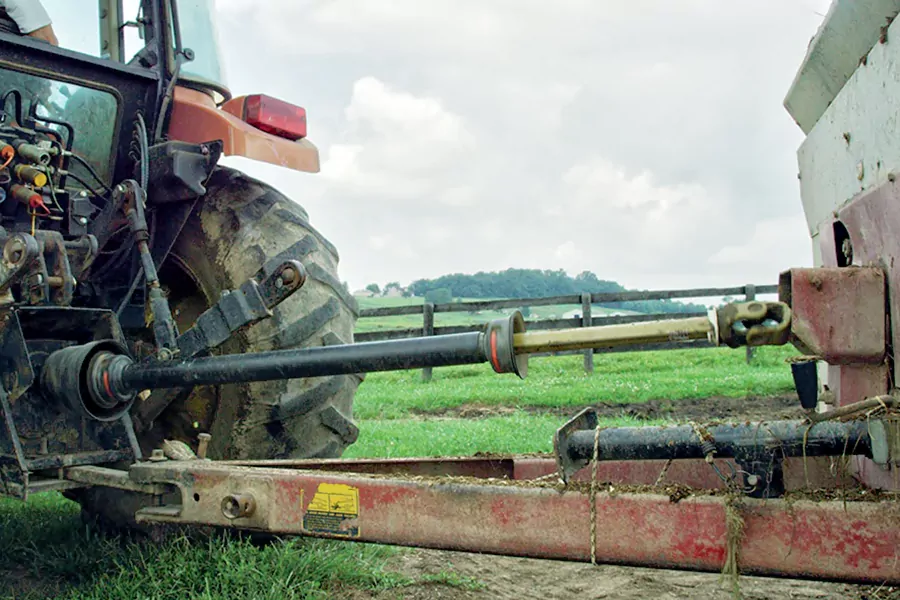
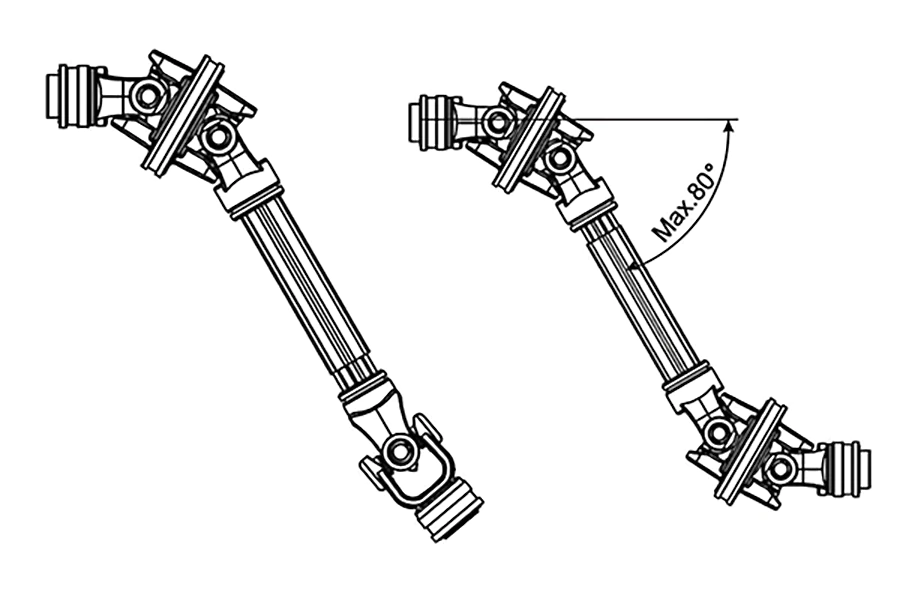
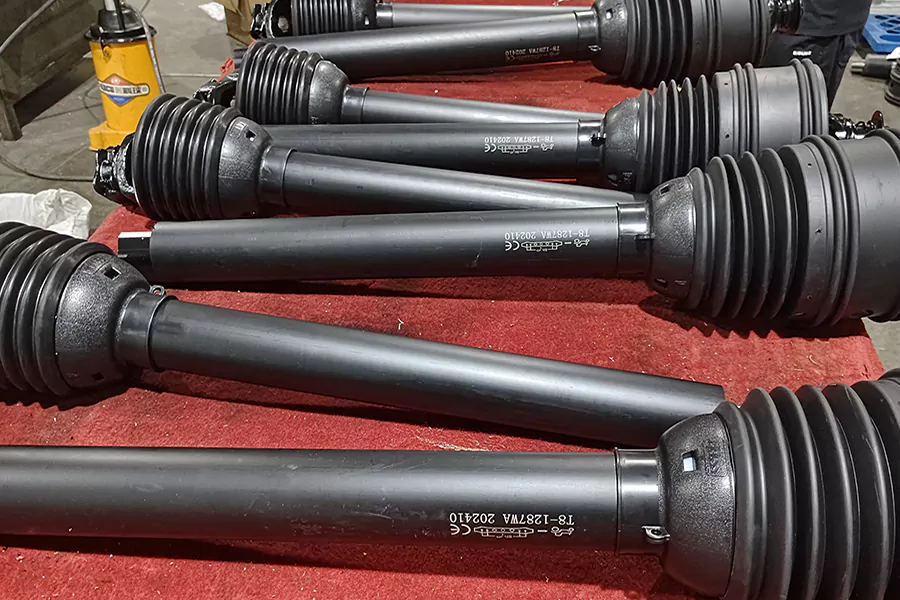
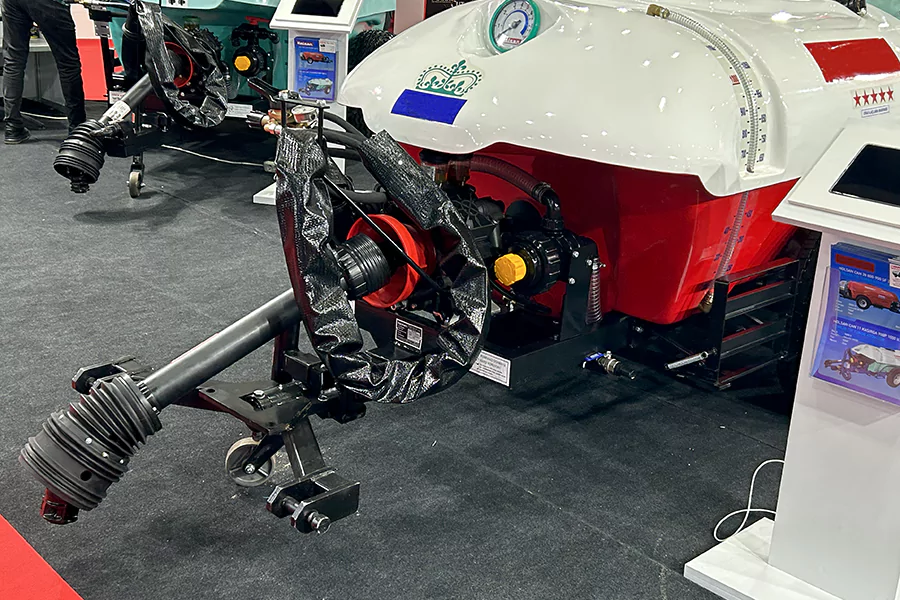
Imbalance might seem like a minor issue, but when it comes to components like PTO driveshafts or power take-off drive shafts, even small inconsistencies can snowball into major problems. Picture this: your driveshaft spins thousands of times per minute—a missing balance weight or a clump of dried mud stuck to the tube is enough to throw off its equilibrium. This creates a transverse vibration, a telltale shaking that pulses in sync with the shaft’s rotation. Farmers and heavy equipment operators often spot this in PTO driveline shafts after rough fieldwork, where debris buildup or dented tubing disrupts balance. Don’t underestimate regular checks—catching these issues early saves U-joints and splines from premature wear.
Why Components Give Up Early
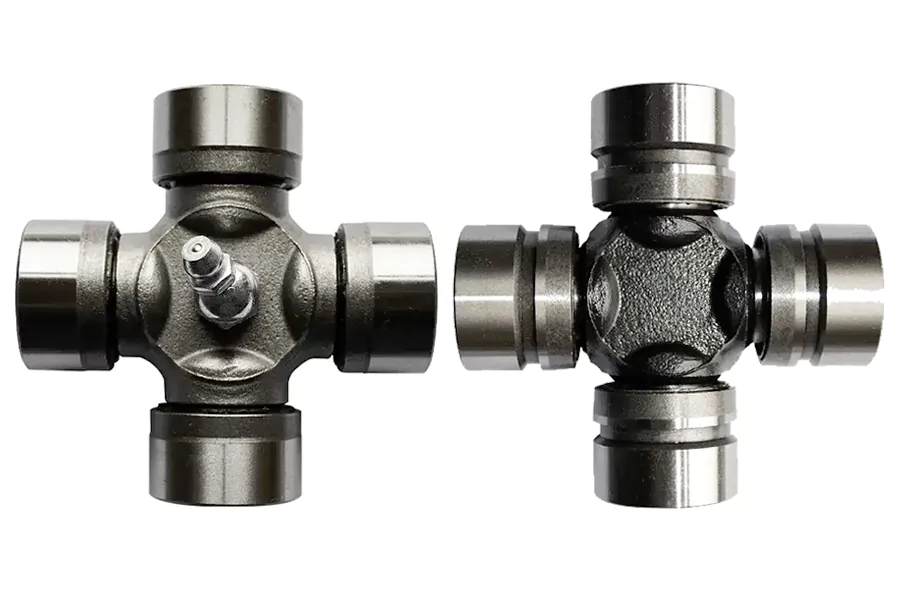
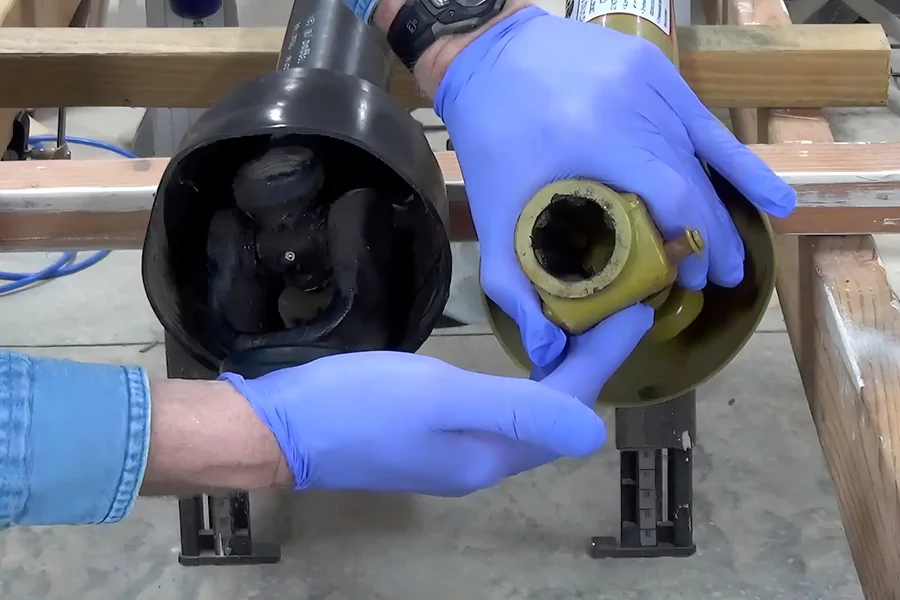
Driveline parts are built tough, but they’re not invincible. Take power take-off drive shafts, for example. These workhorses need consistent grease to keep joints sliding smoothly. Skip a lubrication schedule, and you’ll invite friction that warps yokes or fries bearings. Worse, slapping on a new U-joint without rebalancing the entire assembly is like fixing one leak while ignoring another—it might quiet the noise temporarily, but vibrations will creep back. The lesson? Treat repairs holistically. After replacing any part, especially in PTO driveshaft systems, a professional balance ensures everything spins as one harmonious unit.
Shock Loads: The Quick Path to Breakdowns
We’ve all been there—hitting a pothole at speed or jerking a trailer too hard. These “uh-oh” moments send shockwaves through your driveline. For PTO driveline shafts, cold mornings add extra risk; chilled metal turns brittle, and sudden impacts can crack yokes or strip splines. Even recovering from a wheel spin (think icy roads) strains components as torque slams back into the system. The fix? Slow down—literally. Gradual acceleration and mindful load management reduce these violent spikes, protecting your power take-off drive shaft from becoming collateral damage.
Torque Overload and Misapplication
Consistently towing beyond your vehicle’s capacity stresses the driveline, leading to torsional fatigue. This slow-burn issue weakens parts over time, eventually causing vibrations or catastrophic failure. Similarly, using the wrong components—like mismatched PTO driveshafts not rated for your equipment’s torque—spells trouble. Always verify specs before installing a power take-off drive shaft to ensure it aligns with your vehicle’s purpose.
The Critical Speed Trap
Every driveshaft, including PTO variants, has a critical speed threshold. Exceed this limit, and the shaft begins whipping violently, bending until it fractures. Longer shafts are especially vulnerable due to their lower critical speeds. Once a shaft bends or cracks, replacement is often the only fix—but consult a specialist first. For instance, DriveShaft Pros (fictional example) can calculate critical speeds and tailor shafts to your needs, preventing repeat failures.
Proactive Care Saves Money
Most driveline issues stem from pushing vehicles beyond their limits—whether through overloaded trailers, aggressive driving, or improper part selection. Addressing vibrations early prevents collateral damage to transmissions, differentials, and even chassis components. If you notice shaking in your power take-off drive shaft or standard driveline, pause operation and inspect immediately. When in doubt, partner with a driveline expert who can diagnose issues and recommend solutions like custom-balanced PTO driveline shafts.
DriveShaft Pros offers precision repairs, component replacements, and tailored advice to keep your equipment running smoothly. Don’t gamble with guesswork—trust professionals to safeguard your driveline’s longevity.