In the agricultural and industrial sectors, accurately identifying PTO shafts is crucial for ensuring equipment compatibility, operational efficiency, and safety. Misidentification can lead to equipment damage, increased downtime, and safety hazards. This guide provides a comprehensive approach to identifying PTO shafts, incorporating best practices and industry standards.
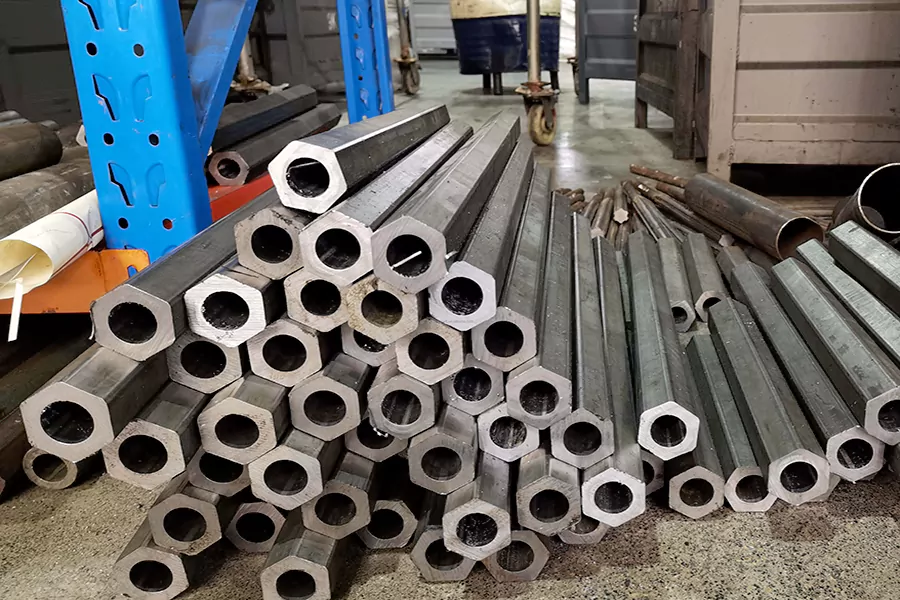
1. Determine the Shaft Profile and Origin
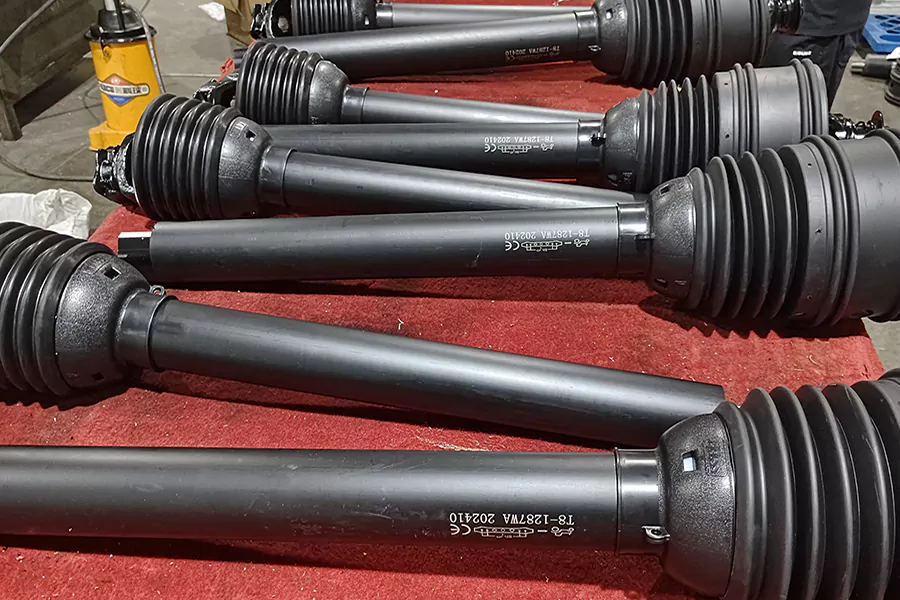
PTO shafts come in various profiles, often indicating their origin:
- North American Types: Typically feature square, round, or rectangular tubing.
- Metric Types: Commonly have lemon-shaped, star-shaped, or trilobed (triangular) profiles.
Identifying the profile helps in narrowing down the shaft series and sourcing compatible parts.
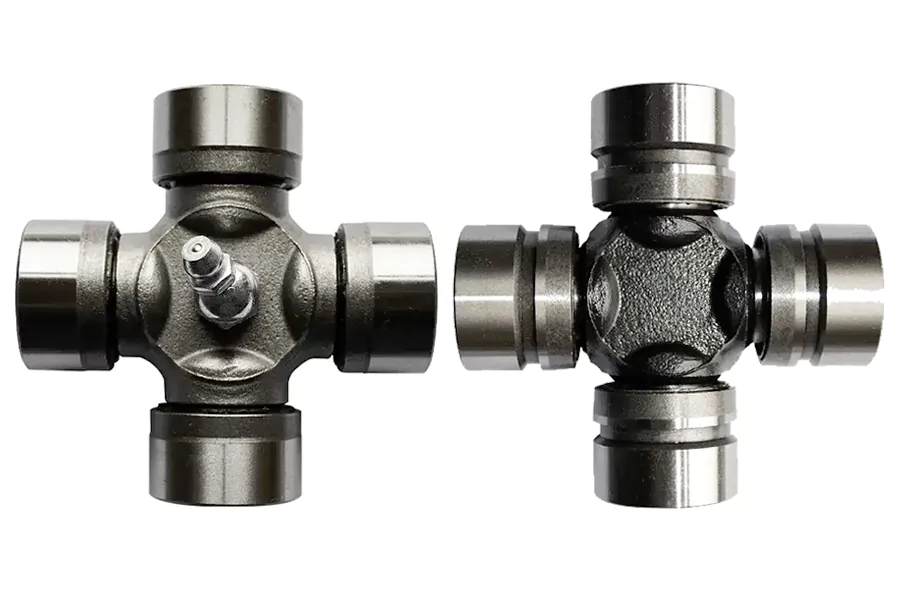
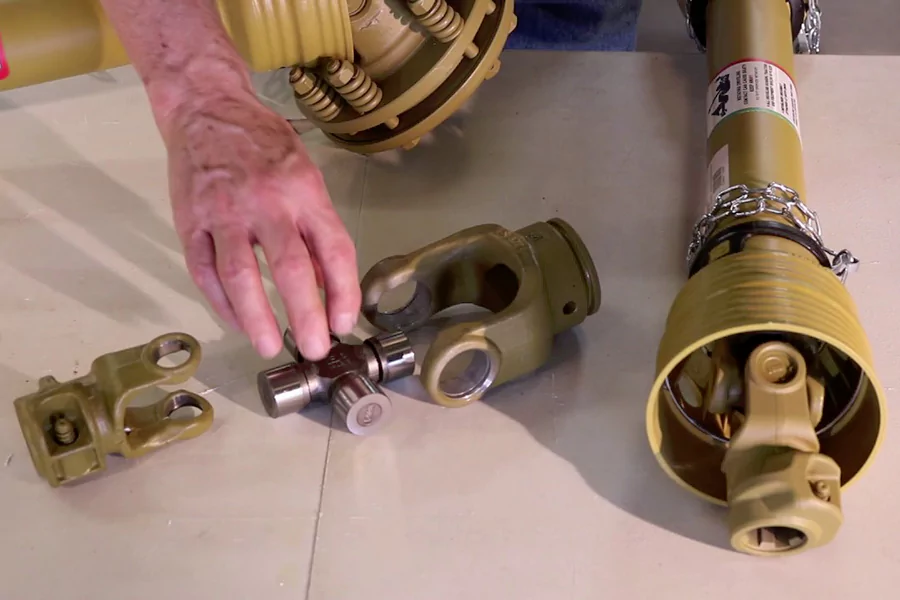
2. Measure Universal Joint (U-Joint) Dimensions
Accurate measurement of the U-Joint is essential:
- Bearing Cap Diameter: Measure the diameter of the bearing caps.
- Cross-Kit Width: Measure from end to end of the U-Joint, including the caps.
These measurements help in identifying the correct U-Joint series and ensuring compatibility.
3. Assess the PTO Shaft Length
Proper shaft length ensures optimal performance and safety:
- Collapsed Length: Measure the shaft when fully retracted.
- Extended Length: Measure the shaft when fully extended.
The working length should allow for sufficient overlap between the inner and outer tubes, typically at least one-third of the shaft’s length, to accommodate movement during operation.
4. Identify Spline Specifications
Understanding the spline type is vital:
- Type 1: 540 RPM, 1 3/8″ diameter, 6 straight splines.
- Type 2: 1000 RPM, 1 3/8″ diameter, 21 involute splines.
- Type 3: 1000 RPM, 1 3/4″ diameter, 20 involute splines.
- Type 4: 1300 RPM, 57.5 mm diameter, 22 involute splines.
Matching the spline type ensures proper fit and function.
5. Examine Safety Features
Safety components are integral to PTO shafts:Techie Science
- Safety Guards: Ensure the presence and condition of protective shields.
- Safety Chains: Verify that chains are intact and properly secured.
These features prevent accidents and comply with safety regulations.
6. Document and Communicate Specifications
For efficient sourcing and replacement:
- Photograph: Take clear images of the shaft, focusing on profiles, UJs, and splines.
- Record Measurements: Note all dimensions and specifications.
- Provide Context: Include information about the machinery the shaft is used with.
Sharing this information with suppliers facilitates accurate identification and procurement.
7. Consult BAIQUAN
Send all of the above details and photos to us:
Email biz@cnspeedway.com
WhatsApp +86-13758194294
By following this comprehensive approach, wholesalers and repair professionals can accurately identify PTO shafts, ensuring efficient operations and customer satisfaction.