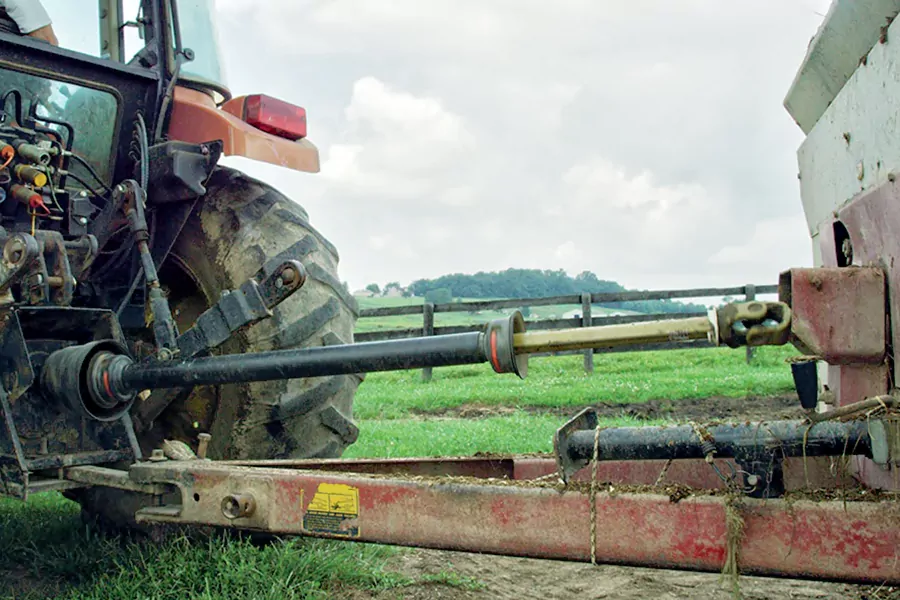
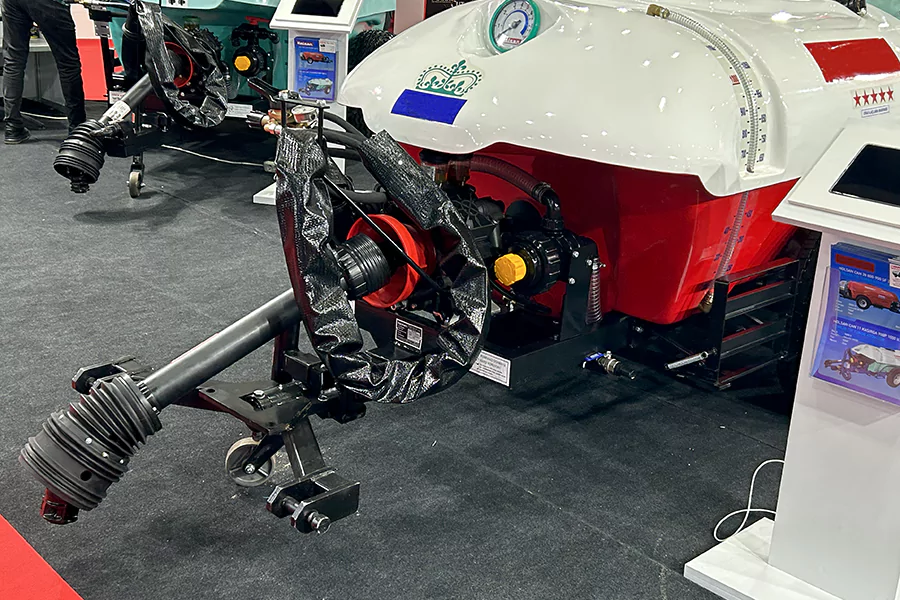
Power Take-Off (PTO) shafts are essential components in agricultural and industrial machinery, transferring power from tractors to implements like mowers, balers, and tillers. Despite their robust design, PTO shafts are susceptible to damage due to various factors. Understanding these vulnerabilities and implementing proper maintenance can prevent costly repairs and ensure operator safety.
Common Causes of PTO Shaft Damage
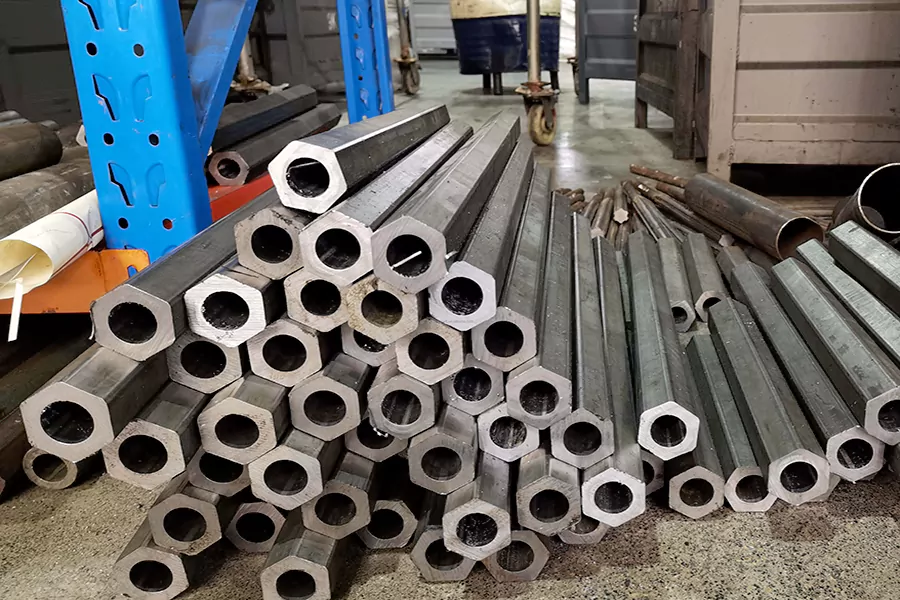
1. Insufficient Overlap of Profile Tubes
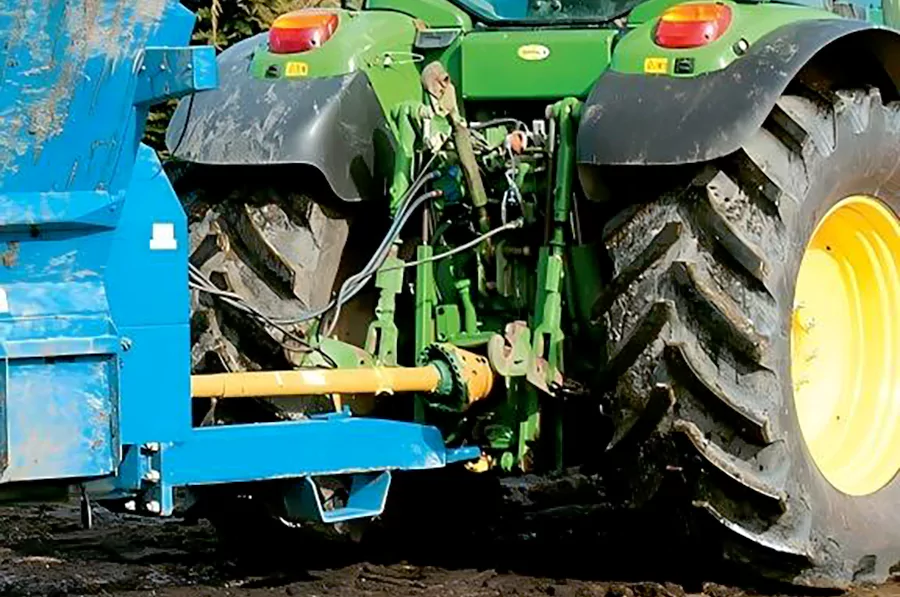
A prevalent issue leading to PTO shaft failure is the inadequate overlap of the profile tubes. When the overlap is insufficient, it can cause excessive vibration and a whipping motion during operation, placing undue stress on the universal joints and potentially leading to catastrophic failure.
2. Operating at Excessive Angles
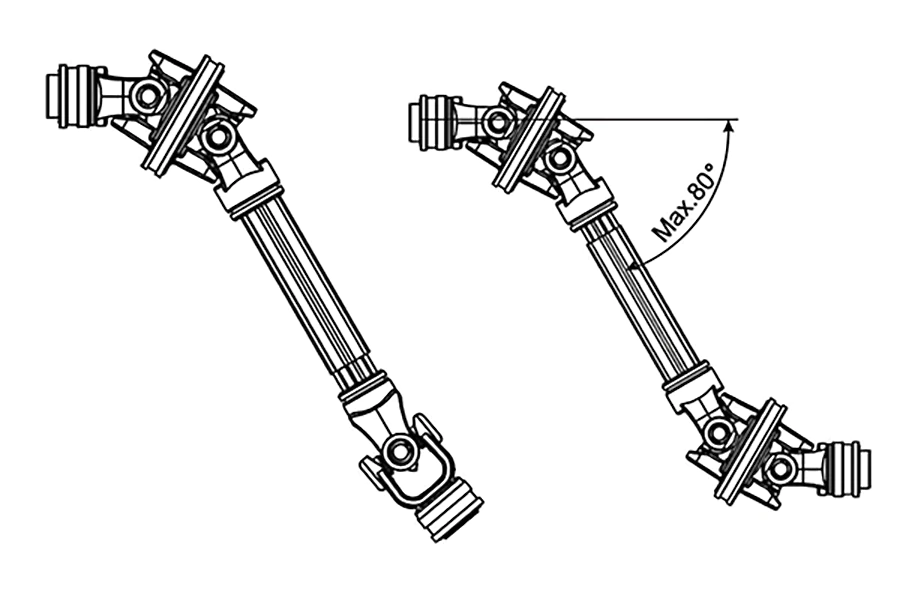
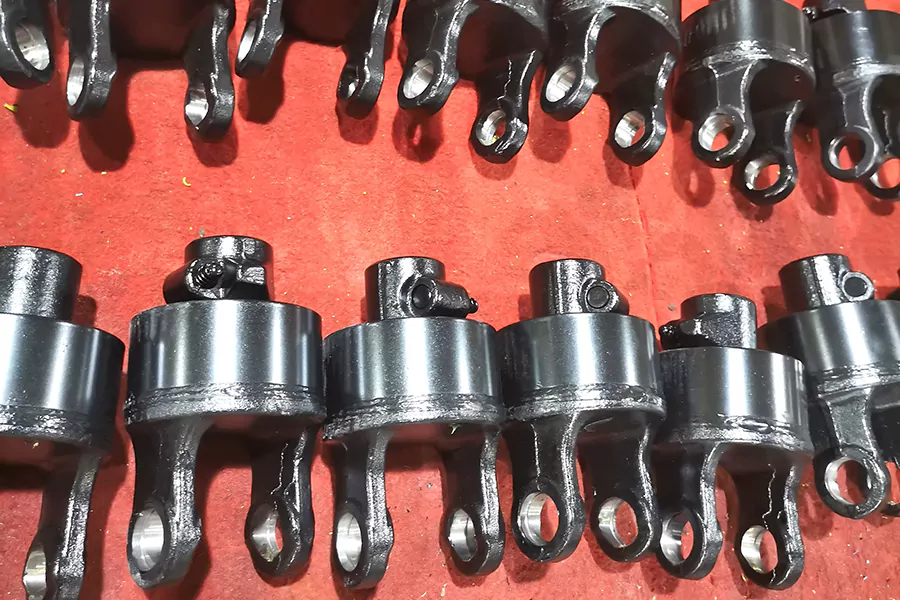
Using the PTO shaft at angles exceeding 45 degrees can damage yoke ears and sides. Such angles can also harm telescope tubes and cross-bearing arms, leading to premature wear and failure.
3. Lack of Lubrication
Regular lubrication is vital for the smooth operation of PTO shafts. Insufficient lubrication can cause wear on telescoping sections and shield bearings, leading to increased friction and eventual failure. It’s recommended to lubricate every 8 hours of operation.
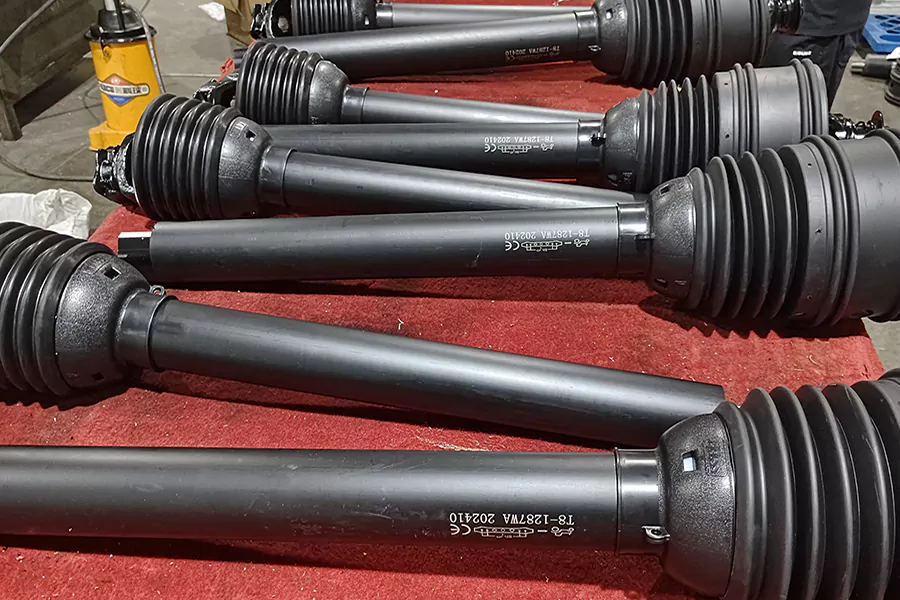
4. Damaged or Missing Guards
PTO shaft guards are designed to prevent accidental contact with rotating parts. Operating machinery with damaged or missing guards increases the risk of entanglement, leading to severe injuries. Ensuring all guards are in place and functional is crucial for safety.
Preventative Measures for PTO Shaft Longevity
- Regular Inspection: Before each use, inspect the PTO shaft for visible damage, such as bent parts, worn bearings, or damaged guards. Any damaged components should be repaired or replaced immediately.
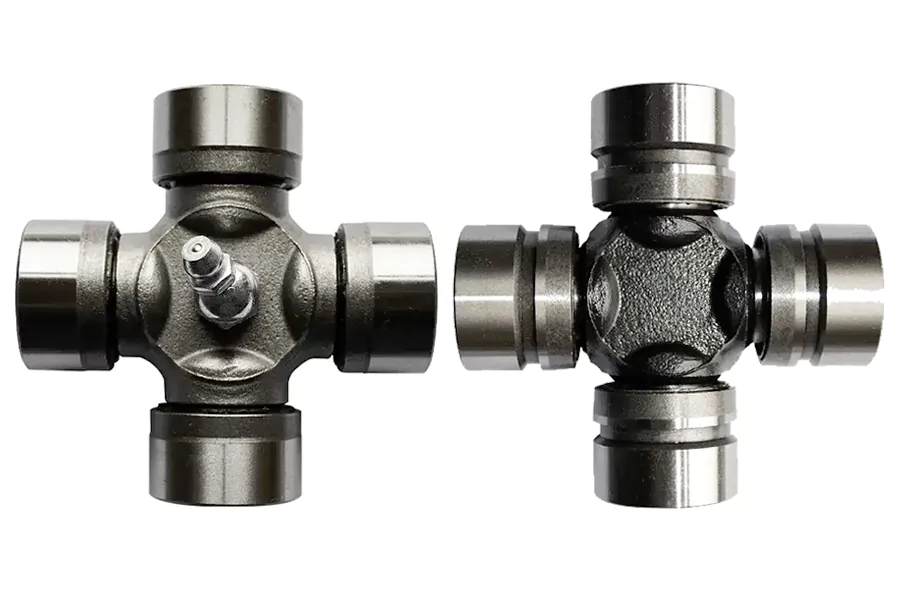
- Proper Lubrication: Apply grease to the universal joints, telescoping sections, and other moving parts every 8 hours of operation to ensure smooth functioning and reduce wear.
- Maintain Correct Overlap: Ensure that the PTO shaft has sufficient overlap between the profile tubes to prevent excessive vibration and stress on the components.
- Avoid Excessive Angles: Operate the PTO shaft within the recommended angle limits to prevent damage to the yoke ears and other components.
- Ensure Guards Are Intact: Always keep the PTO shaft guards in place and in good condition to prevent accidental contact with rotating parts.
Write at the end
PTO shafts are critical for the efficient operation of various machinery. By understanding the common causes of damage and implementing regular maintenance practices, operators can extend the lifespan of PTO shafts and ensure safe operation.
If you’re seeking reliable PTO shaft replacements or components for your agricultural or industrial machinery, BAIQUAN offers precision-engineered parts tailored to your needs. Contact us today to learn more about our products and services.