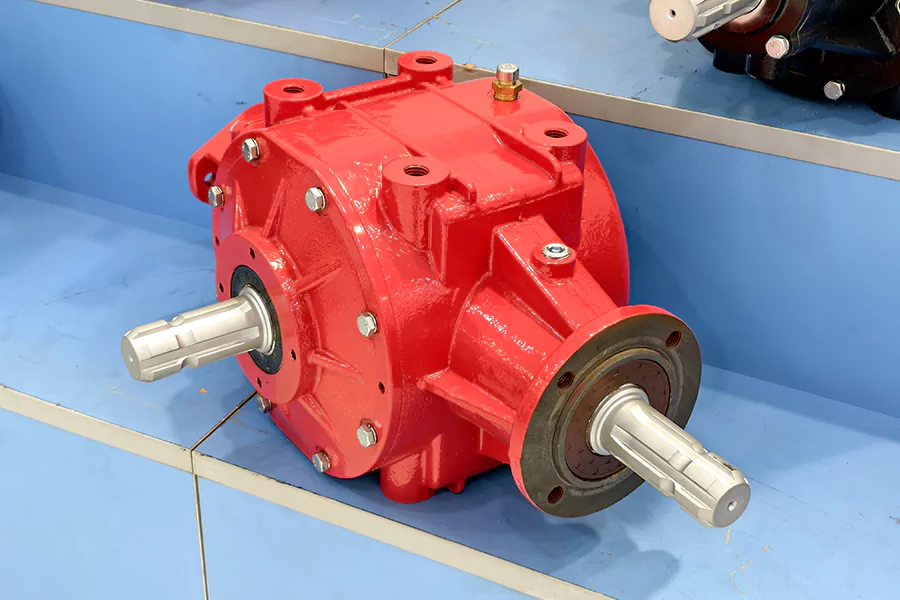
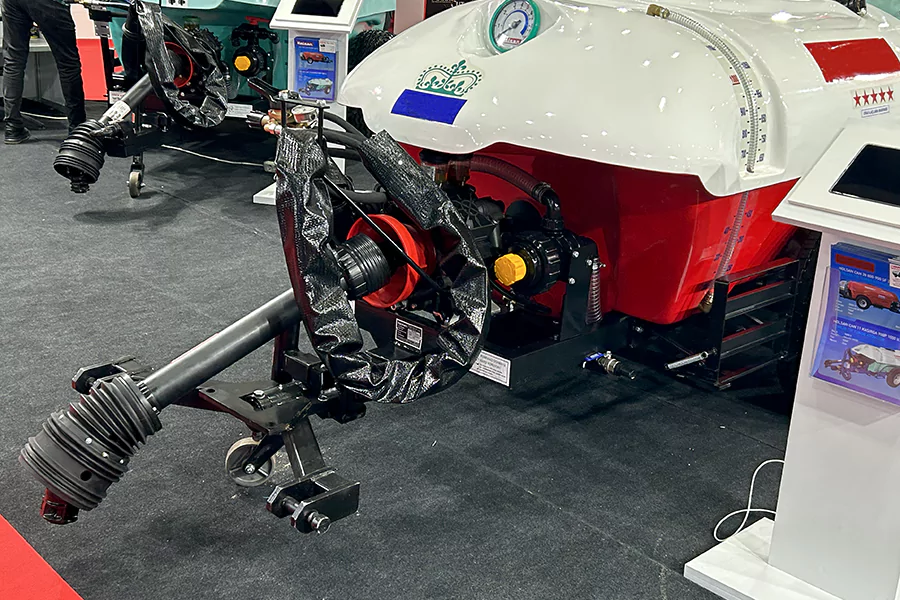
A sprocket is a mechanical wheel featuring teeth or notches that work together with PTO(power-take-off) chains or belts to transfer power throughout agricultural machinery. This essential component must match the pitch and thickness of its corresponding chains to ensure smooth operation.
While they may appear similar in appearance to gears, sprockets serve a different purpose altogether. Rather than meshing with other sprockets, they engage with chains to transmit power to another component.
In agricultural machinery, sprockets are typically manufactured from steel. This material enables the sprocket to withstand hard conditions of farm work. It provides excellent durability and longer service life. Some lighter applications may use aluminum sprockets, but steel remains the preferred material for most agricultural implements.
Key Components of Agricultural Sprockets
Every sprocket used in farming equipment has several important characteristics that determine its performance and compatibility. The number of teeth directly affects the torque and speed relationship in the power transmission system. More teeth generally provide better load distribution but may reduce operating speed.
The pitch(P) diameter represents the circumference where the chain engages with the sprocket teeth. This measurement is important for proper chain alignment and smooth power transfer. Meanwhile, the outside diameter encompasses the full circumference at the tooth tips, which helps determine clearance requirements within the machinery housing.
The pitch measurement, typically expressed in inches, must precisely match the spacing between chain pins. This compatibility ensures reliable engagement and prevents premature wear or chain slippage during operation.
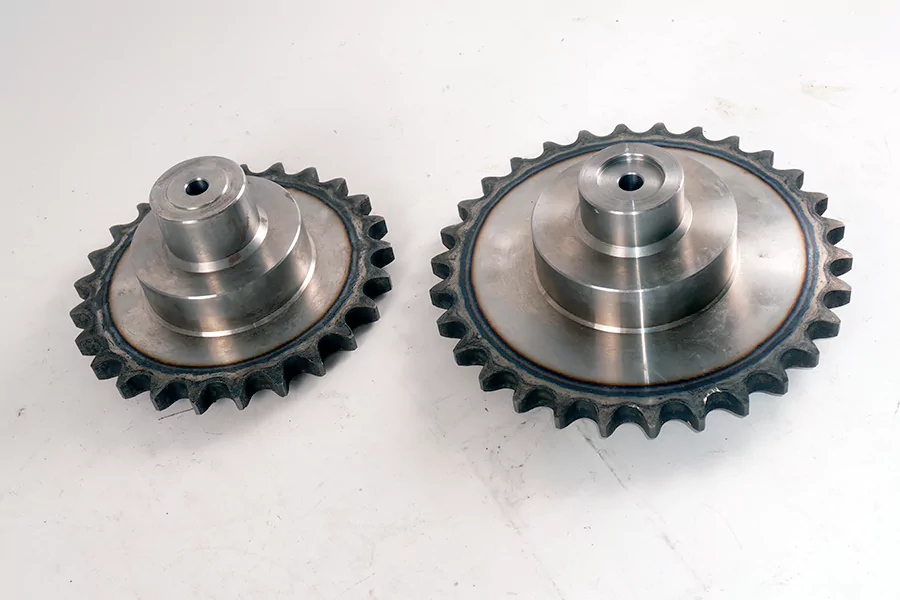
Types of Sprockets in Agricultural Applications
Agricultural sprockets are manufactured in multiple row configurations to accommodate different chain types and power transmission requirements. Common types include Single Row, Double Row, Three Row, and Four Row.
Single row sprockets represent the most common configuration. This kind of sprocket can handle standard simplex chains in typical farming applications. It’s designed with one row of teeth that engage with single-strand chains.
Double row sprockets work with duplex chains, providing increased load capacity for moderate-duty applications. The dual row design distributes forces across two parallel chains, making them suitable for equipment that requires more power transmission than single row sprocket can provide.
Three row and four row sprockets handle triplex and quadruplex chains, offering maximum power transmission capacity for heavy-duty agricultural machinery. These configurations become essential in heavy tractors, and industrial farming equipment where high torque transmission is required.
Understanding Sprocket Size Details
Farm sprockets are built to standard sizes so they work well with chains. The pitch distance (Pt) shows how far apart the rows are on sprockets with multiple rows. This spacing has to match the chain for everything to line up right.
Tooth width changes based on how many rows the sprocket has. Single row sprockets have one basic tooth width. Double row sprockets use the B2 width size. Three row sprockets need the B3 width, and four row sprockets use B4 width. Getting the right width means chains fit snugly in the teeth.
The tooth thickness also matters. We call these t2, t3, and t4 for the different row types. Thicker teeth handle heavier loads better. When teeth are thick enough, they last longer and keep working well.
The edges of sprocket teeth have special cuts called chamfers. The chamfer height (A) and width (C) make smooth edges that help chains slide on easily. This cuts down on wear and stops chains from jumping off. The chamfer radius (R) makes a smooth curve that reduces stress when chains grab onto teeth.
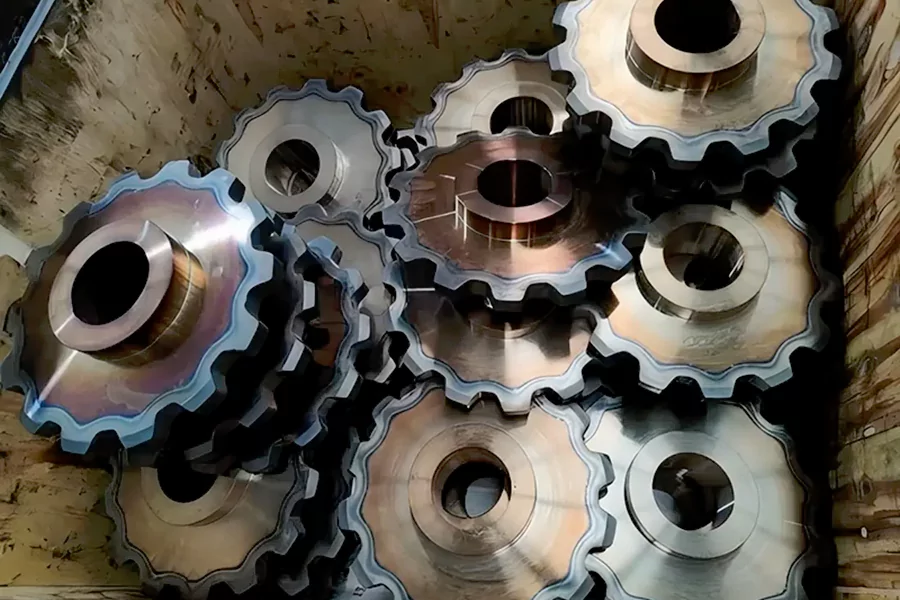
Special Types of Farm Sprockets
Double duty sprockets have two sets of teeth for each chain link. When one set wears out, you can move the chain to use the fresh teeth. This makes the sprocket last twice as long, which helps a lot during busy harvest time.
Hunting tooth sprockets have an odd number of teeth. This means each tooth hits different chain links every time the sprocket turns. The wear spreads out better this way, so both the sprocket and chain last longer.
Some big machines like combine harvesters use segmental rim sprockets. You can replace just the rim part without taking off the whole chain or sprocket. This will save time when fixing things during harvest season. Quick repair means the difference between finishing on time or losing money.
When you need more power, multi-strand sprockets work with duplex, triplex, or four-strand chains. Big tractors and combines need these heavy-duty setups to handle all the force from modern farm engines.
Multiple strand sprockets accommodate duplex, triplex, or quadruplex chains when additional power transmission capacity is needed. Heavy-duty applications such as large tractors and combines often require these best configurations to handle the torque.
Agricultural sprockets typically use two primary mounting methods to connect with shafts and PTO systems. Pilot bore sprockets feature a cylindrical hub that can be machined to fit specific shaft diameters. This mounting style offers good alignment. It can be fixed with grub screws, pins, or locking bushes. The choice depends on the needs of the application.
How Sprockets Work in Farm Equipment
Sprockets move power from the engine or PTO shaft to different parts of farm equipment through chains. This chain system works better than gear drives for farm machines. Bending characteristics of chains helps when parts aren’t lined up perfectly. Chains also work well with the big frames that farm equipment needs.
Picking a right sprocket size matters a lot. Sprockets with more teeth can handle heavier loads, but also create more drag. This slows mechanical operating speed and wastes fuel. Machines like combine harvesters need several sprocket systems working together, so getting the sprocket size balance right is very important.
Working Out Sprocket Ratios
To find the sprocket ratio, divide the teeth on the driving sprocket by the teeth on the driven sprocket. For example, a PTO implement has a 15-tooth input sprocket and a 45-tooth output sprocket. The ratio would be 15 divided by 45, which equals 1:3.
This setup gives you three times more torque but the speed becomes one-third. Higher ratios give more pulling power for tough jobs like deep plowing. Lower ratios help work faster on lighter tasks like cultivating or planting.
Maintenance and Replacement Considerations
Regular inspection is important for agricultural sprockets. It can prevent equipment failures, especially during harvest season. When partial wear occurs, it indicates alignment issues or improper tension. If the teeth become pointed or hooked, it indicates that the sprocket is excessively worn and needs to be replaced immediately.
The environment of agricultural machinery operations is harsh. Sprocket wear due to dust, debris, and variable loads. Implementing proper lubrication schedules and maintaining correct chain tension significantly extends component life and reduces usage costs.