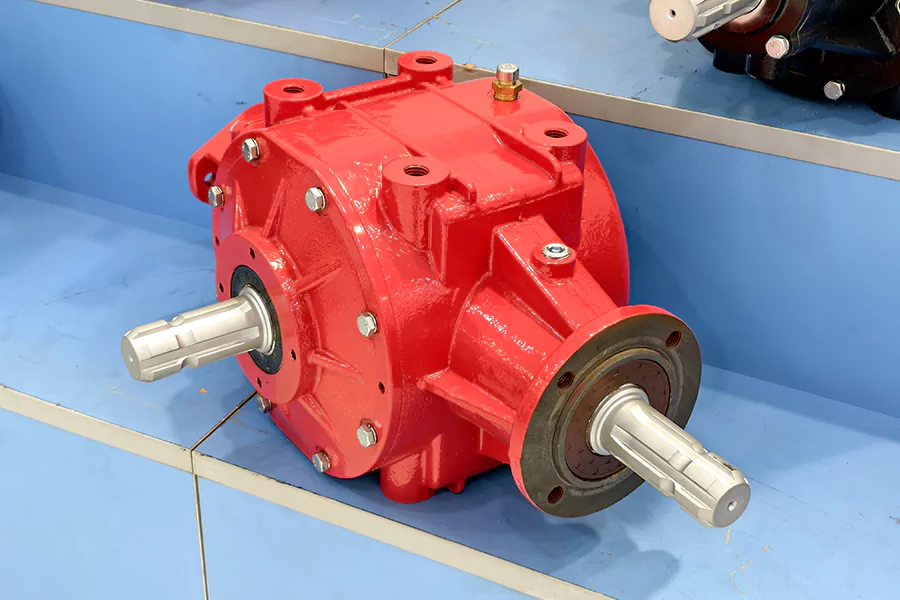
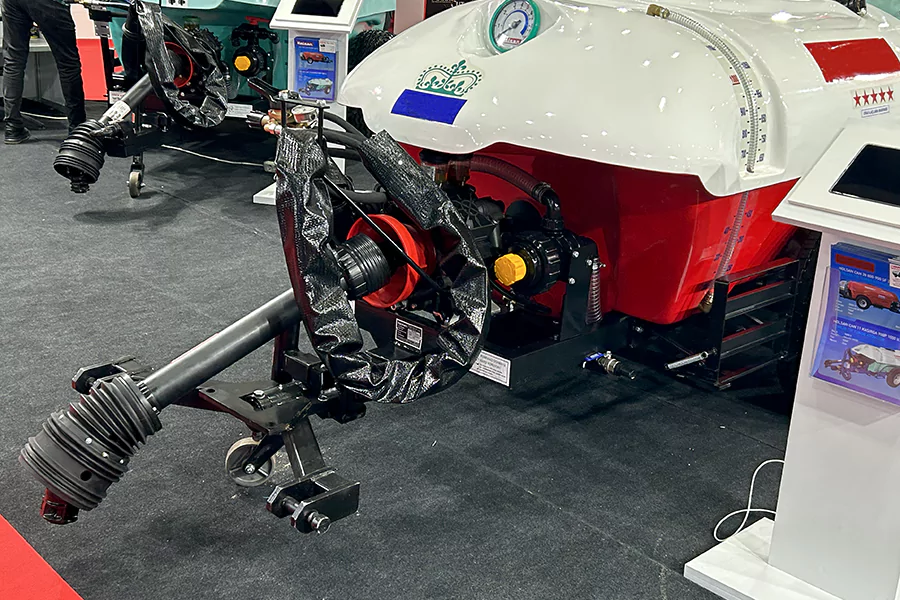
Modern farm machines are a bundle of moving parts that must work together to turn engine power into useful work. At its simplest, the power transmission system takes what the engine produces and routes it — sometimes through gears, sometimes through belts — to the wheels and to implements like mowers, balers or seeders. Good transmission design and correct parts make the machine easier to maintain, cheaper to run, and more reliable in the field.
Key Components and What They Actually Do
1. Clutch
The clutch sits between the engine and the gearbox and acts like a gatekeeper. Push it in, and the engine is temporarily disconnected from the drivetrain; release it and power flows again. That simple action lets an operator start moving, stop, or change gears without cutting the engine. In everyday terms: the clutch lets you control when power is sent on — essential for smooth starts and safe gear changes during fieldwork.
2. Transmission (Gearbox)
The gearbox is where speed and torque get traded off. Low gears give heavy pulling power at slow speeds for ploughing or towing. High gears let you move between fields quickly with less force. There are several gearbox types you’ll see on tractors — basic manual boxes, power-shift units for easier shifting under load, and CVTs that offer seamless speed changes — but they all serve the same job: matching engine output to the task.
3. Differential
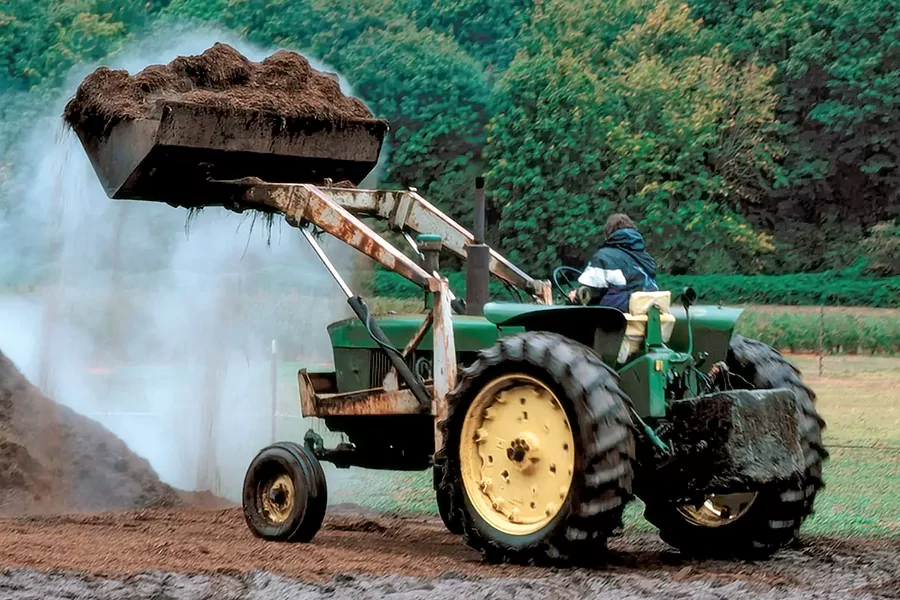
When a tractor turns, the wheel on the outside of the turn has to roll farther than the inside wheel. The differential handles that difference. It splits torque between the wheels while allowing different wheel speeds, which prevents scrubbing and reduces wear on tires and soil. If you lock the differential, you gain traction but sacrifice smooth cornering.
4. Final Drive
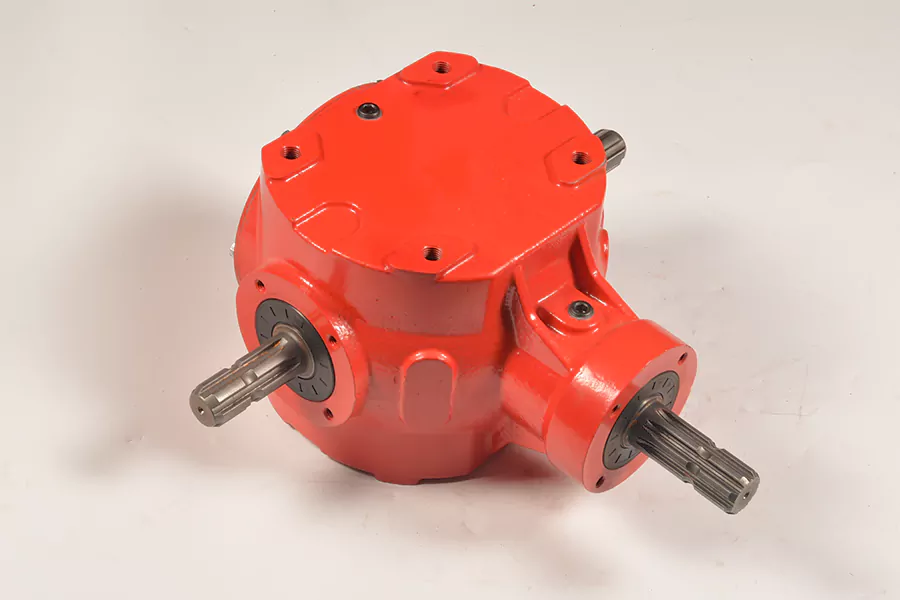
The final drive is a heavy-duty reduction stage near the wheels. Think of it as the last gear step that multiplies torque so the wheels get the grunt they need. On many machines this stage uses planetary or bevel gears, and it takes the gearbox output down to the low speeds where pull power is strongest — exactly what you need for tillage or hauling.
5. Drive Axle
After the final drive does its job, the drive axle carries that torque straight to the wheels. It’s the physical link between the gearbox/final drive and the tire, and it must withstand high loads and shocks in the field. A robust axle design means fewer failures and less downtime.
How the System Works Together: Speed, Torque and Turning
Put simply, the transmission system converts the engine’s high RPM/low torque output into whatever combination of speed and torque the job requires. Want to plough a heavy strip? Use a low gear for maximum torque. Need to move to the next field? Shift up for speed. Meanwhile, the differential lets the machine turn cleanly, and the final drive and axles deliver the actual pulling force to the ground. It’s a coordinated chain: engine → clutch → gearbox → differential/final drive → axle → wheel.
Belts often play a supporting but important role in this chain. They transfer auxiliary power — for example, driving hydraulic pumps, fan systems, or implement drives on combines and balers. Common examples include agricultural V-belts, timing belts for tractors, and various farm machinery drive belts found on PTO-driven equipment. Proper alignment and correct tension keep these belts running efficiently; slack or misalignment leads to slippage, heat and premature wear.
Power Take-Off (PTO) and Belt Systems — Practical Notes
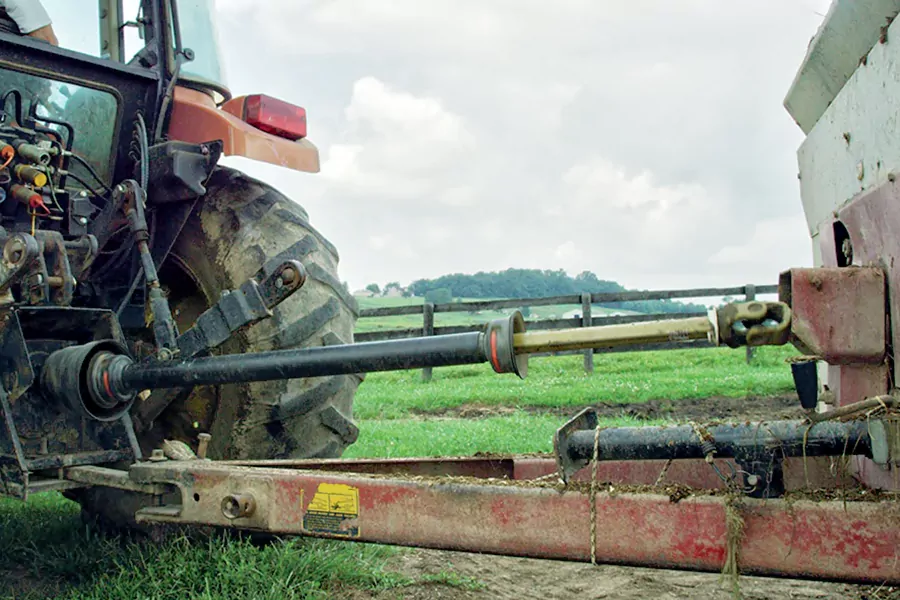
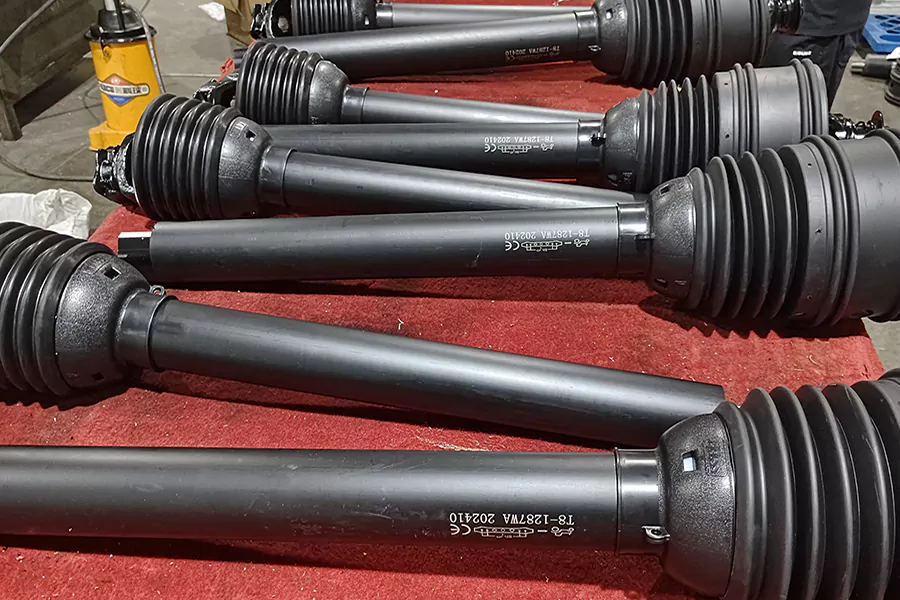
The PTO gives you a rotating shaft to power implements directly. Sometimes the PTO drives an implement through a shaft, sometimes through belts or a combination of both. Belt drives are often chosen for their simplicity and ability to absorb shock loads — useful when a baler suddenly meets a tough knot of crop. Typical belt types you’ll meet in the field:
- Agricultural V-belt — common for general auxiliary drives; easy to replace and inexpensive.
- Timing belt — used where positive, slip-free drive is required (less common in heavy traction drives, more in precision auxiliary drives).
- Flat or specialty belts — found on some harvesters and processing equipment.