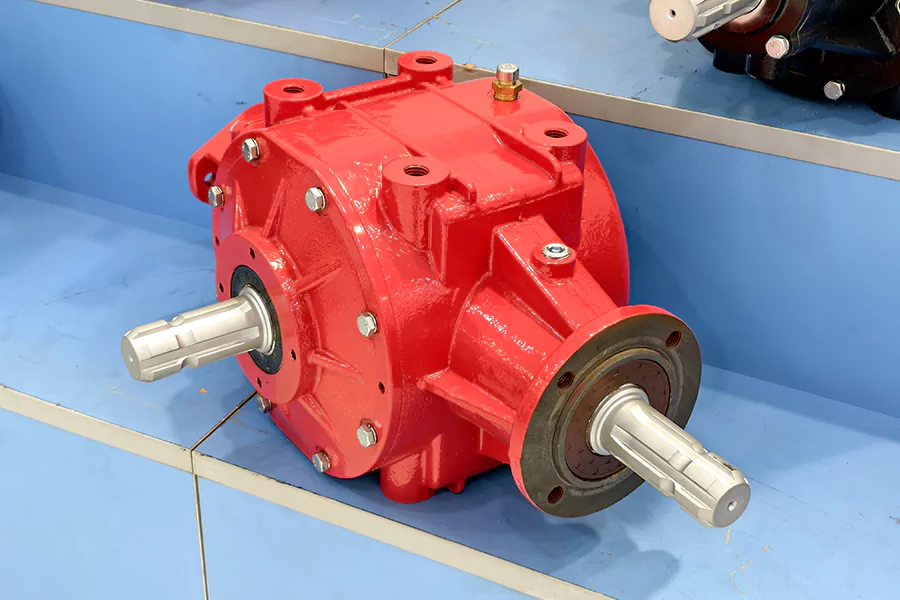
When oil appears around a housing, the gearbox seal is usually blamed first. In reality, the seal is often reacting to something else.
A gearbox seal is not a static component. It operates under rotation, heat, pressure changes, and vibration. If any one of those factors drifts outside normal limits, leakage becomes likely.
Temperature Is Usually the Starting Point
In agricultural gearboxes especially, load varies constantly. During peak operation, internal temperature can climb higher than expected.
Seal materials depend on elasticity. Once heat causes the lip to harden, sealing pressure decreases. At that point, even normal shaft movement can allow oil to pass.
What makes this tricky is that thermal damage is gradual. The gearbox seal may function for months before visible leakage starts.
Pressure Does Not Always Come From Oil
Internal pressure is frequently misunderstood. It is not only about overfilling.
As the gearbox heats up, trapped air expands. If the breather vent is partially blocked, pressure increases inside the housing. Oil then moves toward the weakest sealing interface.
Replacing the gearbox seal without restoring proper ventilation often results in the same leak returning.
The Shaft Tells a Story
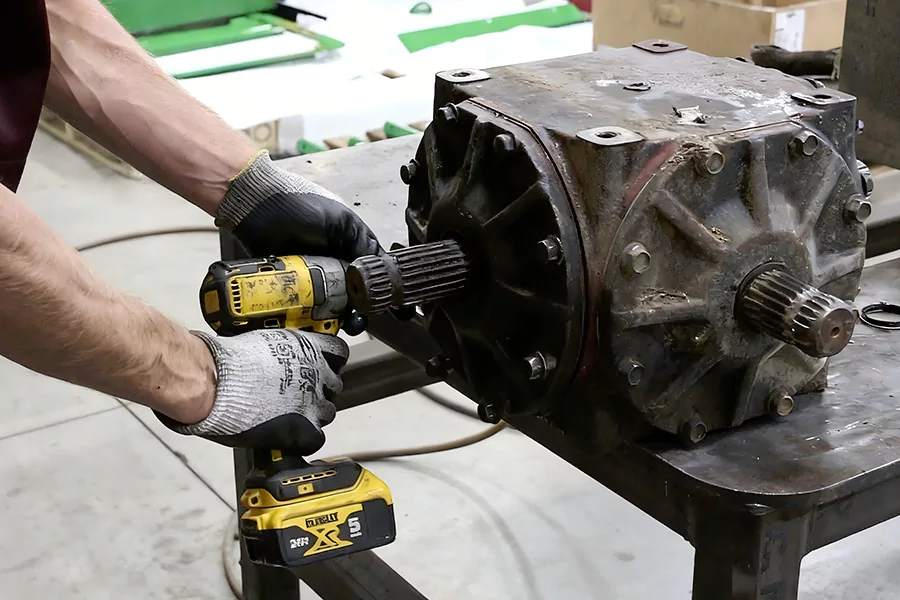
Whenever a seal is removed, look at the shaft carefully. A faint groove where the lip runs is common after long service. But once that groove deepens, the seal can no longer maintain consistent contact.
Installing a new gearbox seal on a worn shaft may reduce leakage temporarily, but the sealing line will follow the same damaged path.
Surface finish, concentricity, and bearing condition all influence seal life more than many expect.
Installation Quality Still Matters
Even small mistakes during assembly can shorten service life:
- Driving the seal unevenly
- Failing to lubricate the lip before startup
- Allowing debris to remain in the housing
These errors do not always cause immediate leakage, which is why they are overlooked.
Preventing Oil Leakage Without Overcomplicating It
Oil level must be correct. Excess oil increases agitation and temperature. Low oil increases friction and heat. Either condition stresses the gearbox seal.
Breathers should be treated as functional components, not accessories. Clean airflow stabilizes internal pressure.
Operating loads must match gearbox design ratings. Repeated overload accelerates material aging.
Whenever replacing a gearbox seal, inspect the shaft first. If the surface is compromised, address it before installing the new seal.
Material compatibility is equally important. Temperature range and lubricant chemistry should guide seal selection.
A Practical Perspective
Gearbox seal leakage rarely comes from a single cause. It usually reflects combined stress — moderate heat, slight pressure buildup, minor shaft wear — accumulating over time.
Controlling those variables extends service life and reduces unplanned downtime.
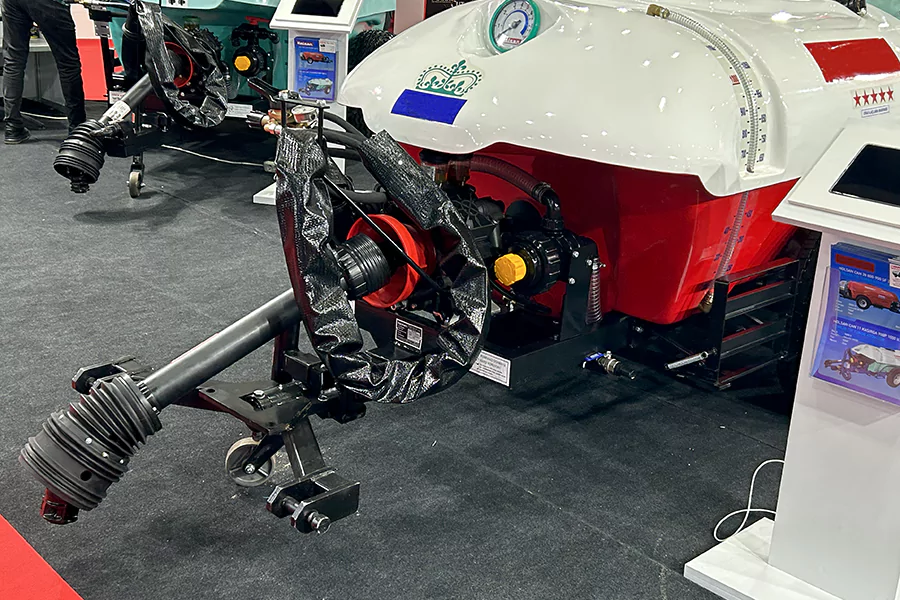
For agricultural applications where seasonal reliability is critical, stable sealing performance becomes part of overall gearbox design. BAIQUAN manufactures agricultural gearboxes and driveline components engineered to operate under demanding load and environmental conditions, helping reduce oil leakage risk and support consistent field performance.