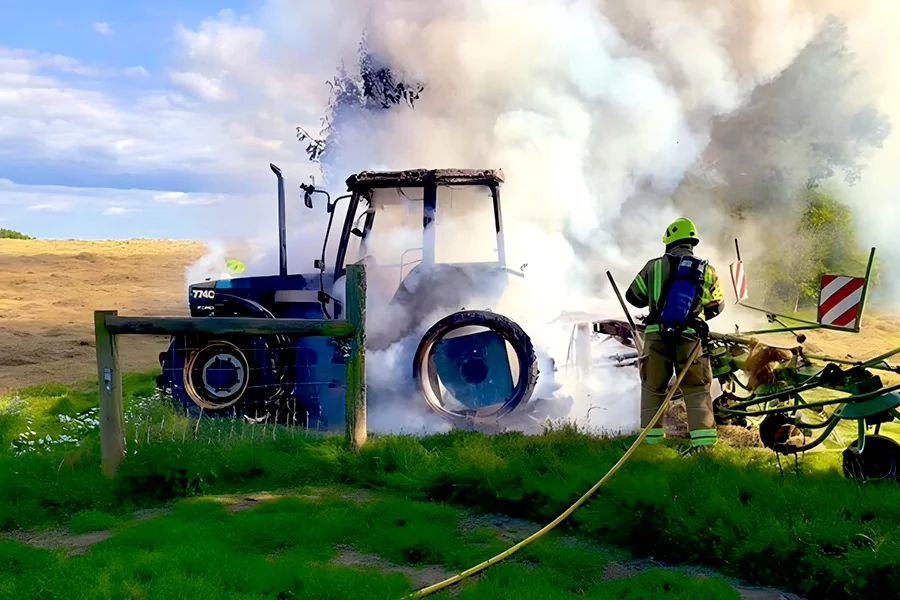
If an exposed tractor PTO shaft is a hellish gear lurking in your fields, then proper shielding is the only chain that can tame this steel beast. Our previous post exposed the bone-chilling realities—from clothing entanglement deaths to projectile shaft failures, each case screams one truth: A 540 RPM pto shaft can transform routine work into a bloodbath faster than you can blink. But do you know what truly makes a pto shaft cover effective? Why some “compliant” guards still leave 8-inch death gaps? We’re pulling back the curtain on PTO shielding’s three-layer defense system, revealing critical blindspots 90% of operators miss. When you discover how standard covers can fail catastrophically, you’ll understand why a simple spin test separates the protected from the perilous.
Tractor PTO Safety: Critical Shields You Can’t Afford to Ignore
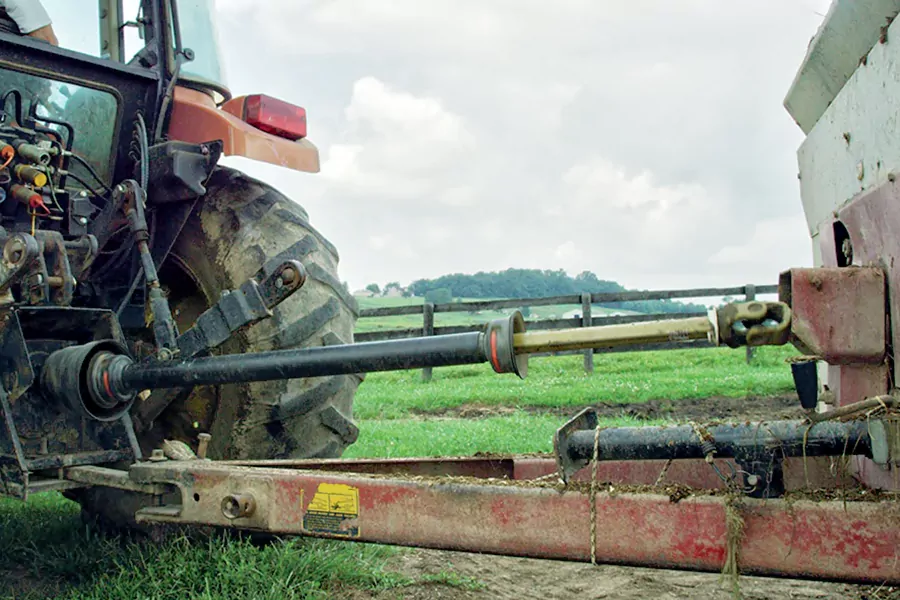
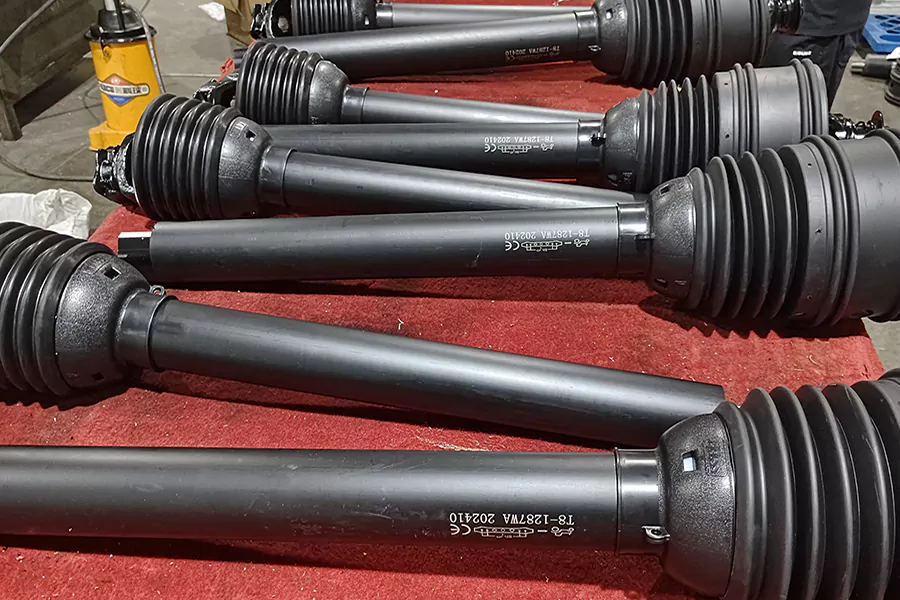
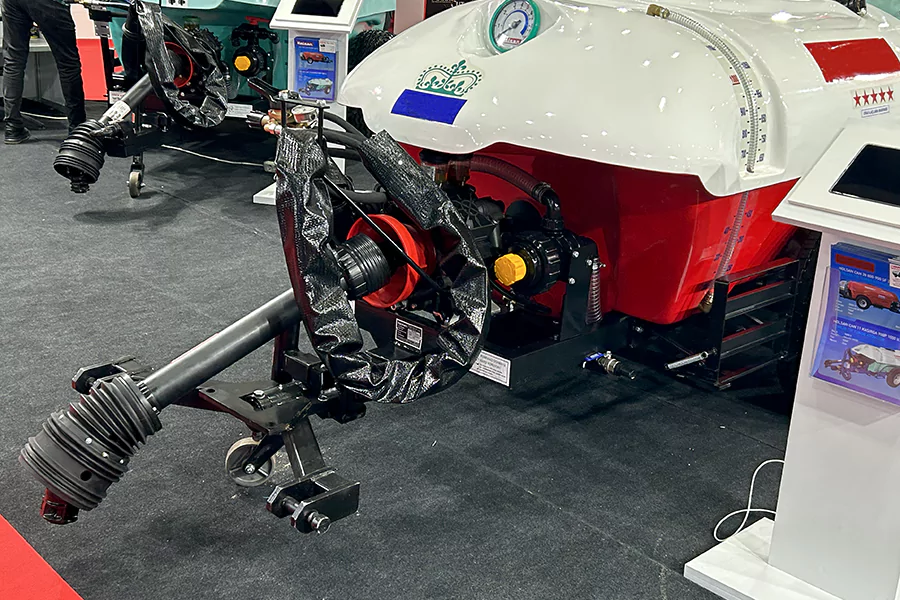
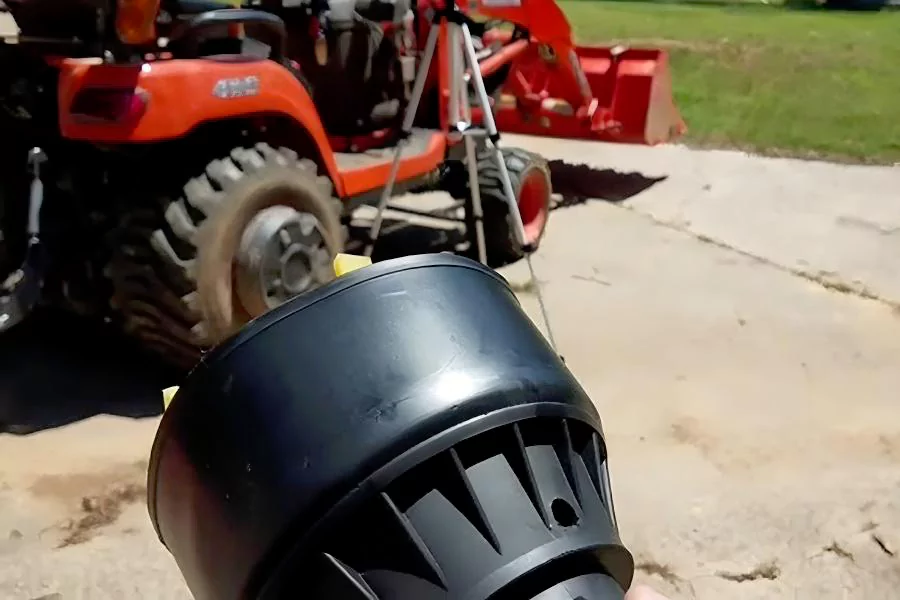
A well-guarded Power Take-Off (PTO) system is the frontline defense against agricultural accidents. Three essential components make up this protection: the primary cover shielding the tractor PTO stub, the integrated sleeve enclosing the Implement Input Driveline (IID) shaft, and the connection guard on the implement itself. The tractor-mounted master shield wraps around three sides of the PTO stub, blocking access to both the rotating stub and the drive shaft’s front joint. However, a troubling reality persists – many older tractors operate without these vital covers. Reasons range from damaged shields never replaced to intentional removal for easier implement attachment, or simply neglect during equipment resale.
What’s often overlooked is that IID shafts pose greater risks than the PTO stub itself. The danger escalates when shaft guards (typically metal or plastic tubes) go missing or malfunction. Proper IID guards rotate with the shaft through bearing mounts but stop immediately upon human contact. Some modern designs even feature anti-rotation chains anchoring the guard to stationary machine parts. But here’s the hidden trap: A guard fused to the shaft through damage or corrosion loses all protective value, effectively becoming a spinning hazard. That’s why manually testing the guard’s free rotation after implement connection (with the tractor OFF!) is non-negotiable – this 10-second check could mean the difference between safety and catastrophe.
When Protection Fails: Real-Life Warnings
Pennsylvania farm records reveal chilling accounts:
- A farmer’s bootlace snagged a PTO coupling pin, violently ripping off footwear and denim while causing severe leg trauma.
- A teenager’s jacket sleeve entangled in a grain elevator’s PTO shaft, dislocating her arm before the tractor could be stopped.
- A child riding on a tractor slipped into an exposed PTO shaft, resulting in fatal entanglement within seconds…
These tragedies underscore a grim truth: An unguarded PTO shaft can claim lives in 0.2 seconds, with loose clothing, shoelaces, or even hair becoming potential death triggers.
Survival Protocols for PTO Operations
To minimize risks, adopt these non-negotiable practices:
- Guard integrity first: Never operate without a functional pto shaft cover, even if installation seems inconvenient.
- Verification rituals: Test guard mobility pre-operation and always detour around active shafts.
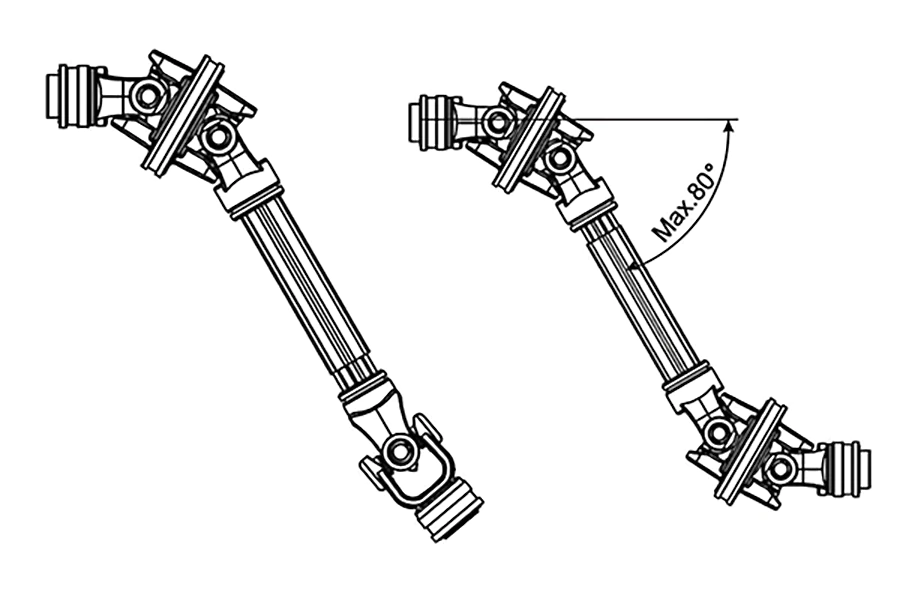
- Precision maintenance: Use OEM-approved drivelines, maintain universal joint alignment, and position drawbars correctly to prevent shaft stress.
Additional safeguards include avoiding sharp turns that pinch shafts, engaging power gradually, and monitoring slip clutch tension. Remember, what seems like tedious protocol today might be what keeps you intact tomorrow.