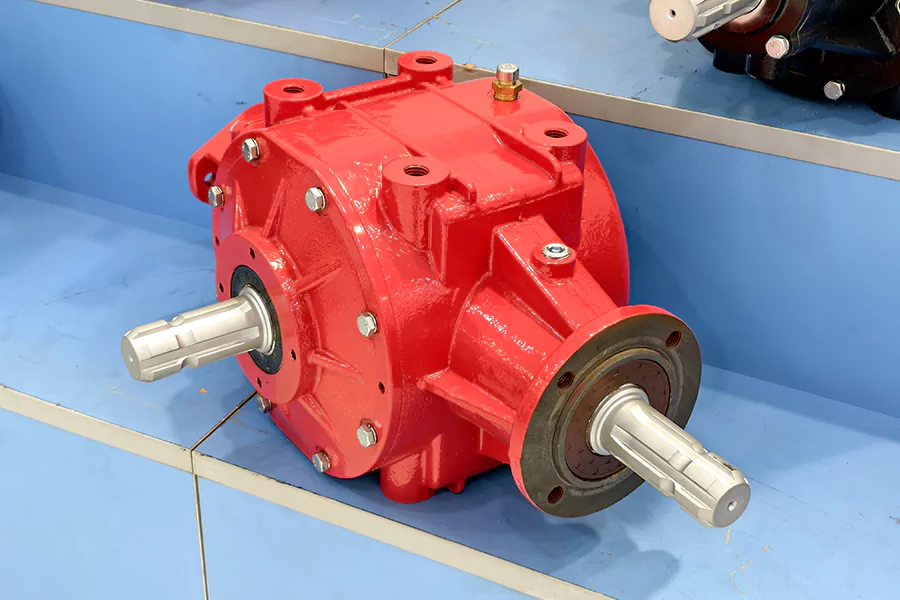
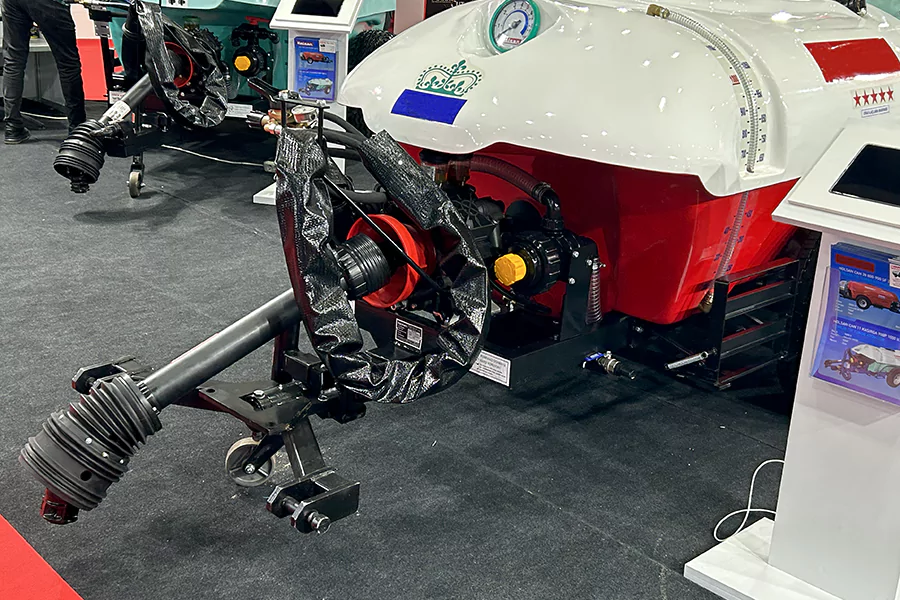
If you’ve been running harvesters for a while, you’ve probably dealt with your share of torque limiter headaches. These little devices are supposed to protect your expensive equipment, but when they start acting up, they can turn a smooth harvest into a real nightmare.
What Goes Wrong with Torque Limiters
The thing about torque limiters is they’re pretty simple in concept – they’re meant to slip when things get too tough, protecting your drivetrain from damage. But in practice? Well, that’s where things get complicated.
Most operators run into slippage problems first. Sometimes the limiter starts slipping when it shouldn’t, like during normal operation when everything should be running smooth. Other times, it won’t slip when you actually need it to – like when you hit a rock or get a slug of tough material through the machine. Both situations are frustrating, but the second one can cost you serious money in repairs.
What really gets these units in trouble is plain old wear and tear. You run 12-hour days for weeks on end, and those friction plates start getting thin. The springs lose their tension. Dust from the field finds its way into everything – including your torque limiter. Add some chaff and crop residue to the mix, and pretty soon you’ve got a mess that won’t work right. Before you know it, the whole thing stops working right.
Then there’s the installation issues. Look, I get it – during harvest season, everyone’s in a hurry. But rushing through a torque limiter installation or setting the wrong torque values will bite you later. Set it too loose and the thing keeps slipping when you’re trying to work. Crank it down too much and it becomes useless – won’t budge even when something jams up solid.

What You Can Do About It
The best approach is staying ahead of problems before they happen. I know, I know – who has time for maintenance during harvest? But spending 20 minutes checking your torque limiter beats losing half a day waiting for parts.
Start with regular inspections. Pull off the covers and take a look inside. Clean out any buildup of crop residue or dirt. Take a good look at those friction surfaces. Shiny or smooth spots usually mean they’re worn out and won’t grip properly anymore. Also check that all the bolts are still snug – vibration loosens things up over time, and cracked housings are bad news.
Now, here’s something that took me years to figure out – the torque setting can make or break your whole operation. Your owner’s manual should have the specs, but here’s the thing – those numbers are starting points. Your actual field conditions might need different settings. Heavy, tough crops might need a slightly higher setting. Light, easy material might work better with a touch less. Keep notes on what works for your operation.
Don’t forget about the stuff connected to your torque limiter. Dull knives and worn gathering chains create extra load that can trip the limiter when it shouldn’t. Keep your cutting edges sharp and replace worn parts before they cause bigger problems. It’s cheaper than fixing a torque limiter that’s been overworked.
When you run into serious problems – like if the thing won’t engage at all or keeps slipping no matter how you adjust it – don’t mess around. Call your dealer or find a qualified tech. These devices have tight tolerances, and trying to fix complex problems yourself often makes things worse.
Your operating habits matter too. Gradual starts and stops put less stress on the torque limiter than jackrabbit acceleration. If you’re hitting tough spots in the field, slow down rather than powering through. Your equipment will thank you for it.
The bottom line is this: torque limiters are there to save you money by preventing bigger problems. But they only work if you take care of them. A little attention during the season beats a lot of headaches when something breaks at the worst possible time.