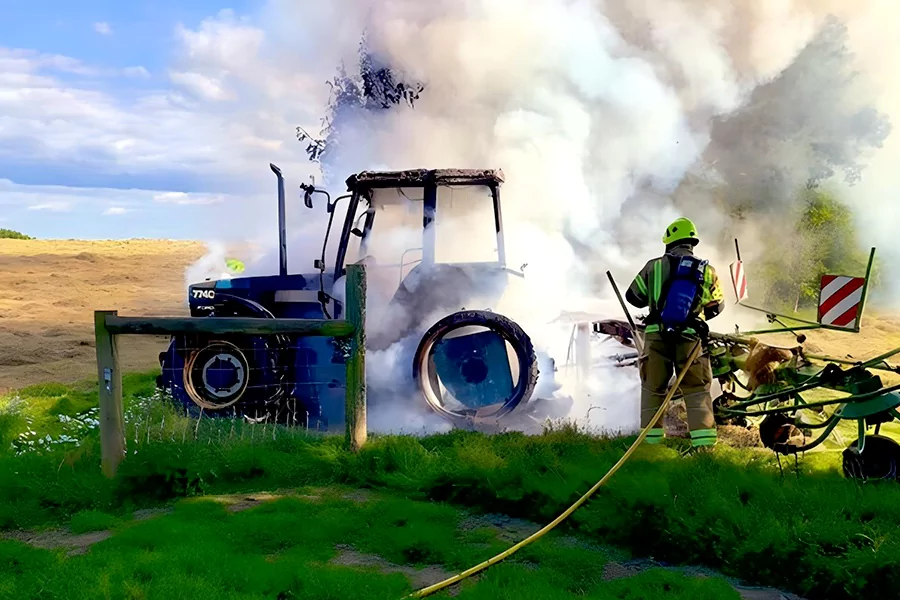
PTO tube failures don’t always come down to the tube itself. Insufficient overlap, poor lubrication, damaged guards, and overload protection that’s stopped doing its job — any of these can take down a driveline. And when it happens, you’re not just losing half a day. You’re risking real downtime in the middle of harvest. A few details that slip through routine maintenance often make all the difference.
Overlap: The One That Bites Hardest
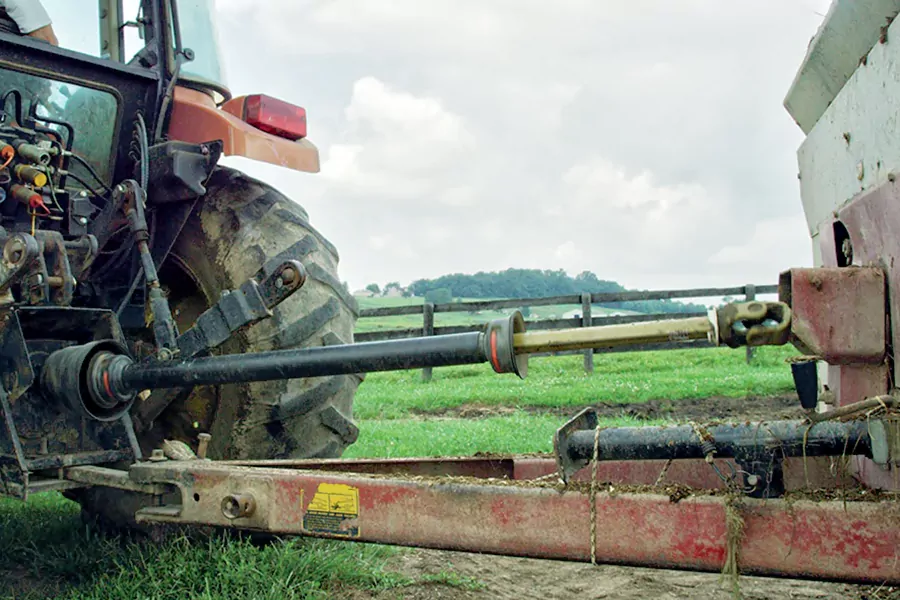
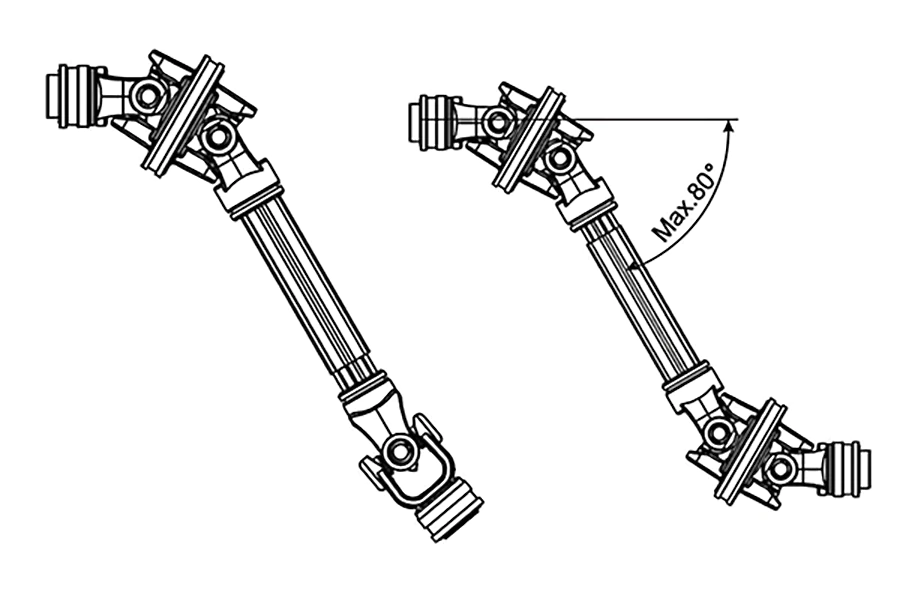
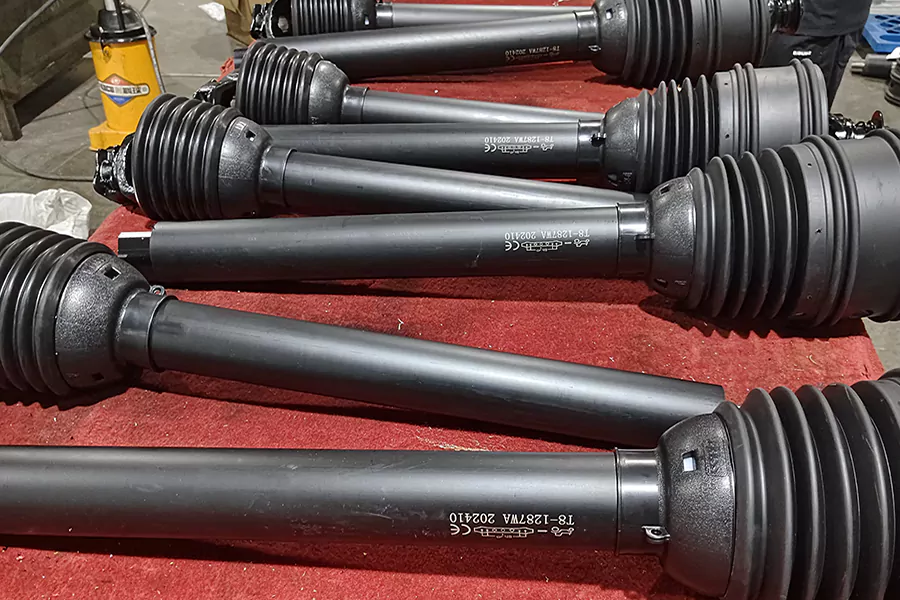
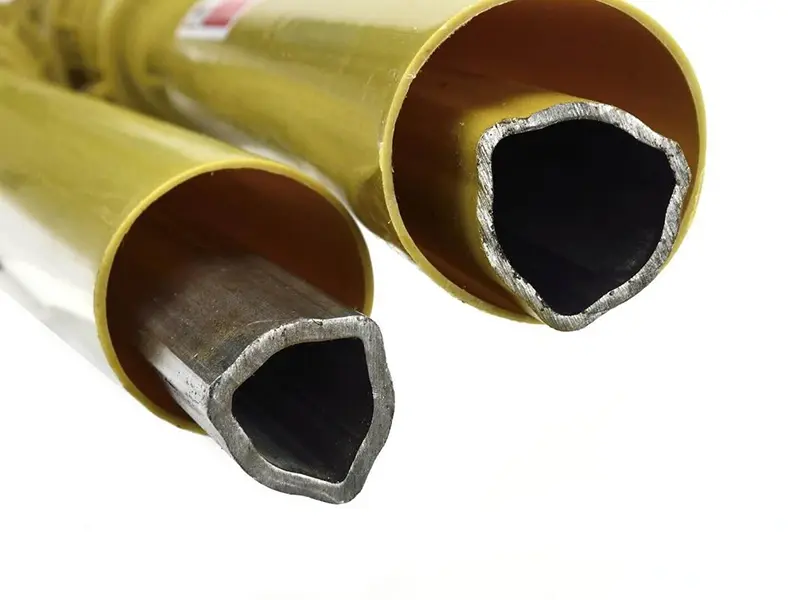
A PTO tube is two sections sliding inside each other, adjusting for length as the tractor turns and the ground rises and falls. Insufficient overlap is one of the usual suspects when a tube gets damaged — especially when the shaft stretches too far during operation.
Overlap requirements vary by shaft design and manufacturer. The telescoping sections need enough engagement throughout the implement’s full range of movement. Some manufacturers specify a minimum overlap based on tube length; others add requirements for their particular shaft designs. Drop below the limit, and torque transfer suffers, wear speeds up, and in bad cases the tube twists or splits.
Why does overlap fall short? One likely reason is a tube that’s too long because nobody cut it to match the actual working position. Someone buys a universal tube, bolts it up, figures it fits. Then they turn, or lift the implement, and the inner tube pulls too far out of the outer section — contact area drops.
Pan Anglia lists “telescopic tube twisted or split” among PTO shaft failures, pointing to excessive shock loads and insufficient engagement length as likely causes.
There are no easy ways. Connect the implement and measure the length of the shaft through the full range of movement and follow the manufacturer’s instructions. Ensure the tubes have the correct overlap at full extension and do not bottom out when the implement goes up and down.
If the tube is to be cut shorter, do it properly. If need be, chamfer the cut ends, de-burr, apply the recommended grease and slide it back together. Proper sizing and installation minimizes early wear and avoids unnecessary downtime.
Dry Splines and Contamination: The Quiet Wear Drivers
The splined section of a telescoping tube needs grease. That’s not optional. Run the splines dry, or let grit and grass work their way in, and that sliding action turns into a wear driver. Over time the splines go sharp and thin, clearance opens up, and vibration and noise follow.
John Deere maintenance instructions call for checking telescoping parts for wear and lubricating them with the specified lubricant. If splines are worn or galling occurs, the parts may need to be replaced.
Dust, rust, and other contamination can also cause the telescoping tube to stick, putting stress on the rest of the driveline.
For preventive maintenance inspect and lubricate the telescoping section at the interval in the shaft manufacturer’s or implement manual. Before heavy work or after long storage, check that the tubes slide freely and that the grease is not contaminated. It may need to be checked more frequently in dusty conditions.
And keep the pressure washer away from the splines and seals — water and debris strip lubricant or find their way into the sliding assembly.
Bent Tubes and Damaged Shields: Looks Fine, Isn't
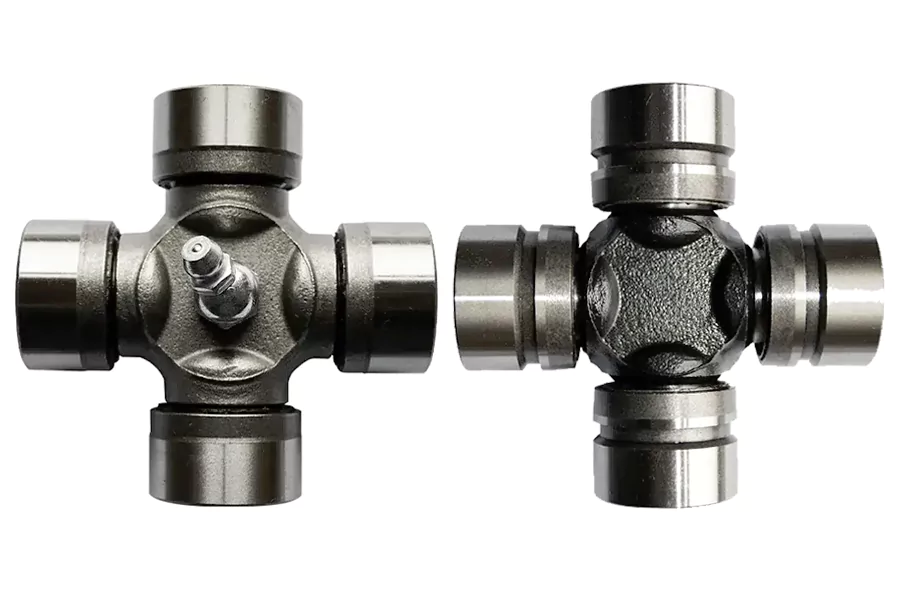
A PTO tube that’s been dented or bent may still turn, but that doesn’t make it safe to run. It’s a rotating component. A bent or distorted tube produces vibration in operation and accelerates wear on the U-joints and splines.
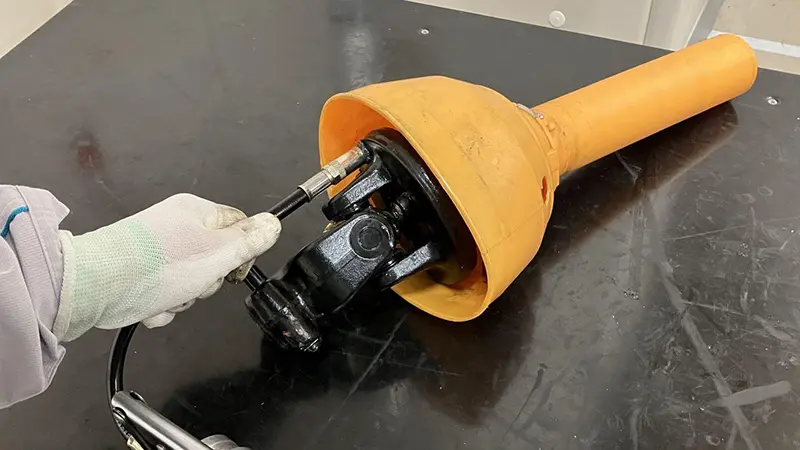
The sneakier problem is the shield. The shield doesn’t carry torque, but once it’s deformed, cracked, or missing, the rotating shaft can be exposed — and that’s a serious entanglement hazard. Damaged shields also let more dirt and debris reach moving parts.
A shield that’s seized and won’t rotate freely, or a safety chain that isn’t anchored right, is just as serious.
Prevention is simple. Every time you hitch up, look at the shield. Check for cracks or deformation, and confirm it rotates freely the way it’s designed to. Anchor the safety chain to a fixed point on the tractor or implement so the shield stays put without interfering with the rotating tube.
If the shield is damaged, replace it with a suitable part — don’t wire it back together and keep going.
Before inspecting, cleaning, or repairing the PTO shaft, shut off the tractor, disengage the PTO, pull the key, and wait until everything has stopped turning. Never run the shaft with guards missing or damaged.
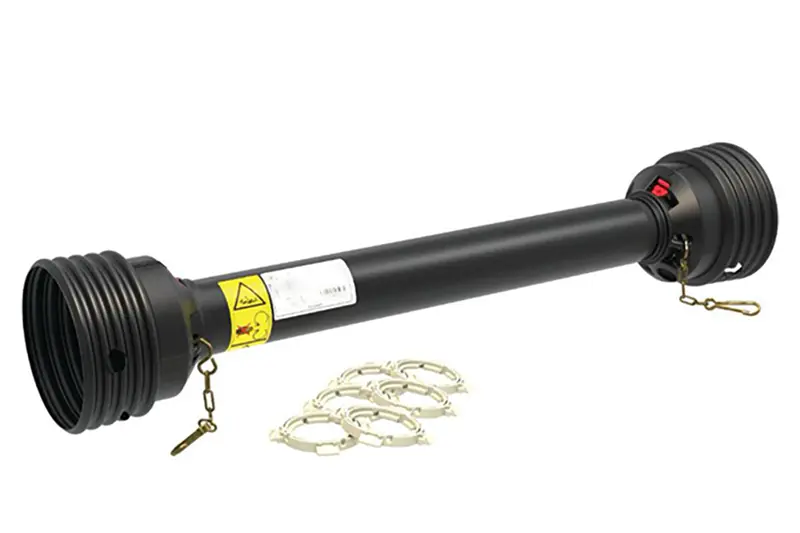
Shock Loads: A Protection Device You Don't Maintain Isn't Protecting Anything
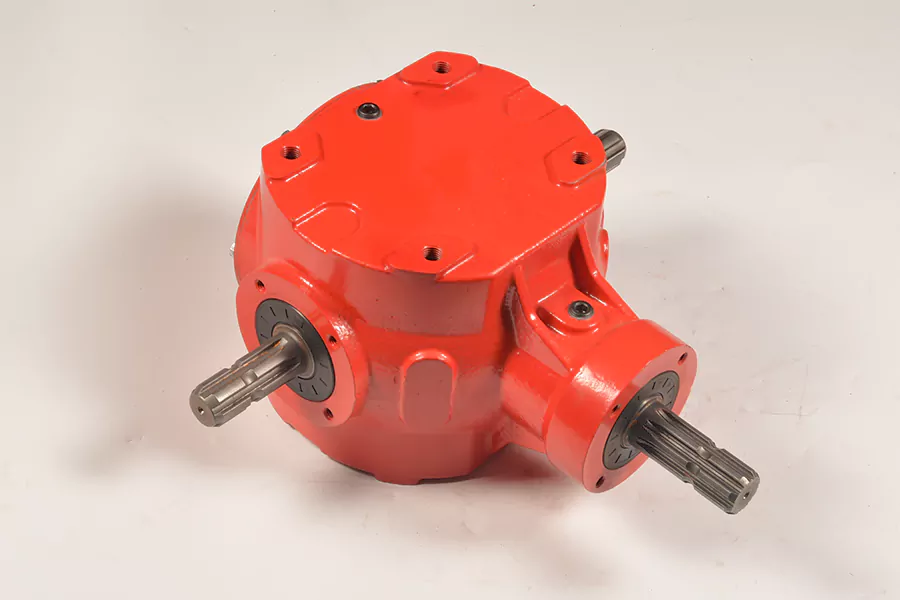
The PTO tube transmits torque. It doesn’t absorb shock. That’s the job of the shear bolt or slip clutch, depending on the shaft and implement design. And those protection devices need maintenance per the manufacturer’s instructions.
A shear bolt breaks, and someone swaps in a higher-grade bolt to skip the hassle. Next time the implement jams, the replacement bolt may not break the way it should — and excessive torque goes straight to the tube or gearbox.
A slip clutch that hasn’t been looked after can rust up or stick, and then it won’t slip when it’s needed. Either way, shock loads end up damaging other driveline components.
Prevention: use only the shear bolt type and grade the manufacturer specifies. Don’t upgrade it on your own.
At the start of each season, inspect the slip clutch and follow the implement manual’s procedure for checking and servicing it. Some designs call for loosening the springs and testing the clutch under controlled conditions — but the procedure and settings vary. Don’t assume one adjustment method covers every clutch. Put the specified spring settings back before the equipment goes back to work.
The Bottom Line
A PTO tube is not a “set it and forget it” item. It spins in dirt, telescopes through varying angles and takes shock loads in use. Overlap to manufacturer’s specs, grease the splines, keep the safety shields on, and make sure the overload protection actually does what it’s supposed to.
These checks help to extend service life and minimize avoidable downtime. If you miss one of these, you’ll damage your equipment and have to wait for replacement parts.
Need a Replacement PTO Tube?
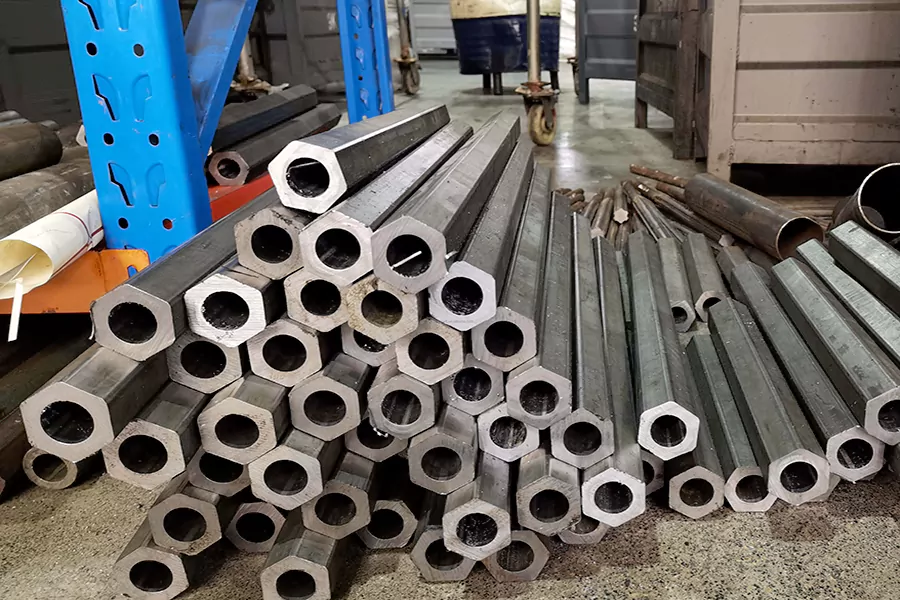
If your PTO tube is bent, twisted, or worn out, check the shaft dimensions and specifications before you order a replacement. The right tube has to match the shaft profile, working length, and application requirements.
Send our team your existing shaft details or equipment model, and we’ll work out a suitable replacement for your agricultural machinery.