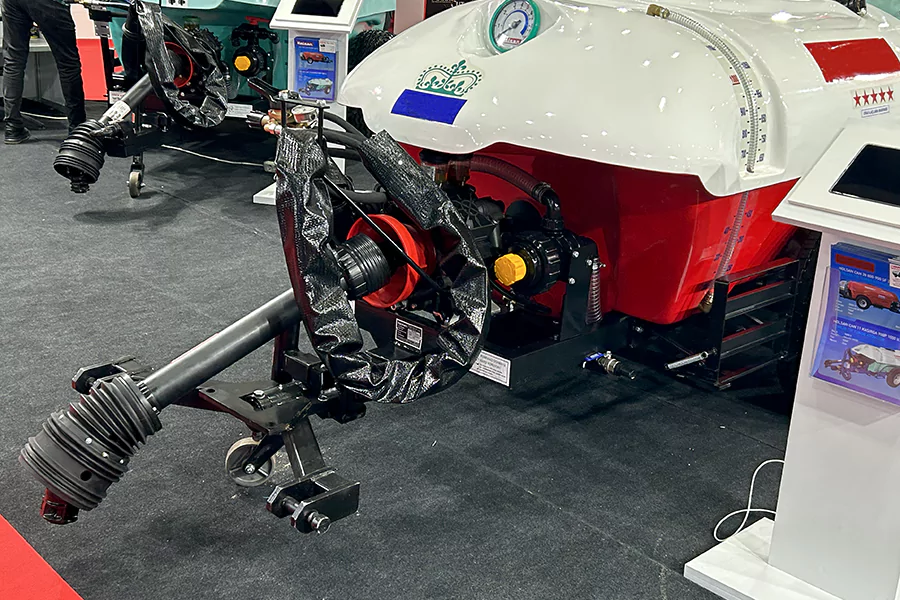
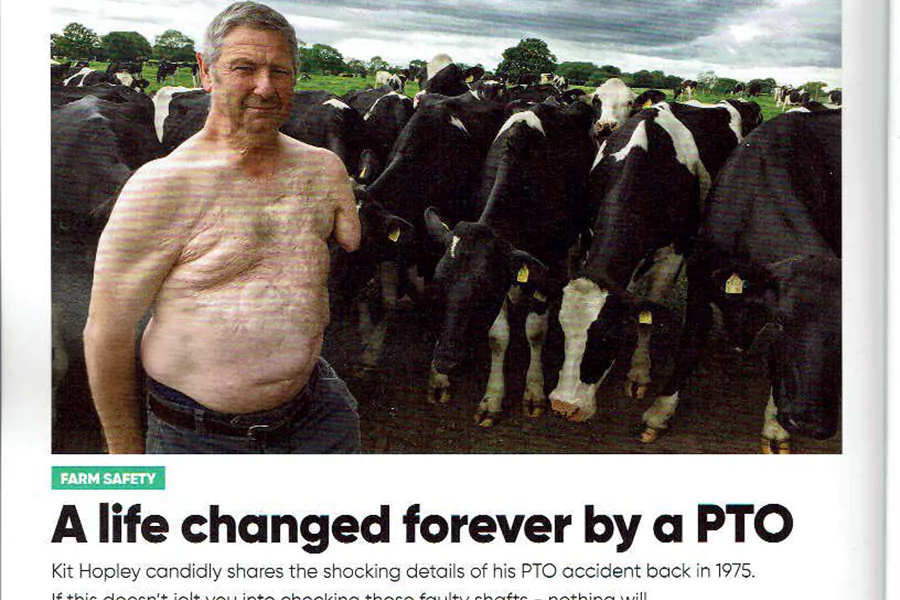
Gearboxes power most farm equipment today. Take away the gearbox and your tractor becomes a very expensive paperweight. These things control speed and torque – basically how fast something spins versus how hard it hits.
What Does a Gearbox Do?
Ever ride a 10-speed bike? Low gear gets you up hills but you can’t go fast. High gear lets you cruise but try starting from a stop and your legs will burn. Gearboxes work the same way for machines. Gearboxes work the same way but for machines. They take power from an engine and change it to match what the job needs.
Some jobs need high speed but low power. Others need lots of power but slow speed. The gearbox makes this happen by using different sized gears inside.
Inside a Gearbox
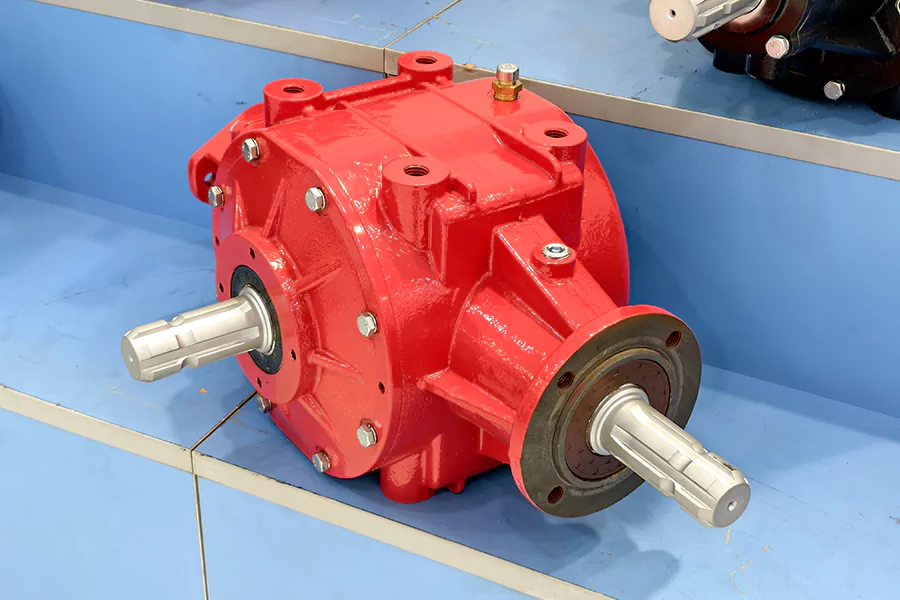
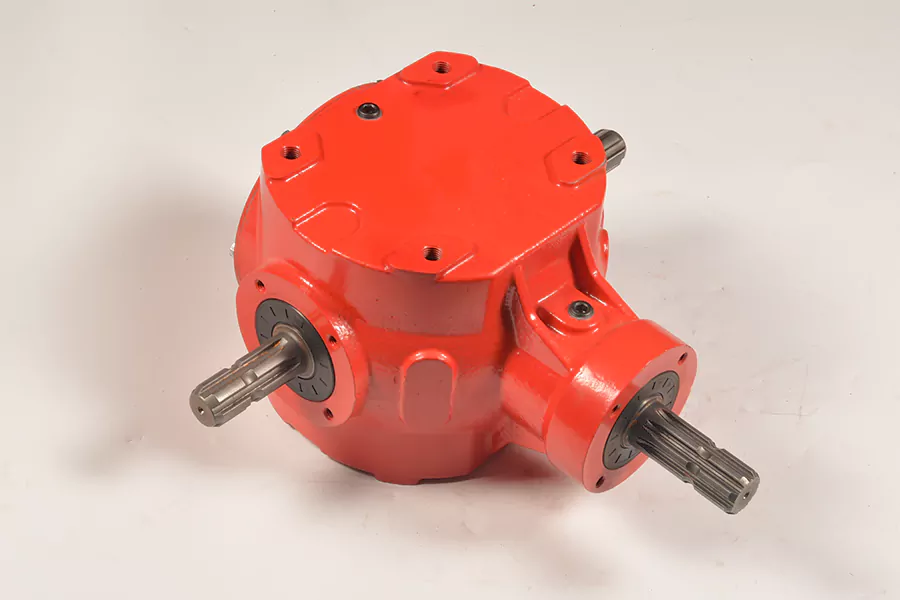
Break open any gearbox and you’ll find pretty much the same components:
The gears themselves are just wheels with teeth cut into them. Connect a large gear to a smaller one and the small gear spins faster but with less force. Switch it around – small gear driving the big one – and you get the opposite.
Shafts are basically thick steel rods that run through the middle of the gears. They keep everything lined up and pass the rotation from input to output.
Bearings sit between moving parts. Without them, metal would grind against metal and seize up pretty quick.
The housing is your outer shell. Usually cast iron or steel. Keeps everything aligned and stops dirt from getting in.
Then there’s the oil. Gearboxes run hot, especially under load. Oil carries that heat away and keeps things from welding themselves together.
Types You’ll See Around the Farm
Different jobs need different approaches:
Flail mowers beat the hell out of everything. Those little hammers slam into rocks, fence wire, whatever’s hiding in the grass. The gearbox has to soak up all that punishment.
Bush hogs swing a heavy blade underneath. Catch a sapling or hit a stump and the whole thing wants to stop dead. That’s hard on gearboxes.
Tillers work in the dirt constantly. Dust gets into everything, but they keep turning those tines year after year.
Fertilizer spreaders need consistency more than brute strength. The spinner has to maintain the right speed or you get streaky application.
Post hole diggers are torque monsters. Boring through clay or hitting roots, the auger just keeps grinding down.
Mower decks run constantly during cutting season. Not much shock load, but they rack up the hours fast.
Around the Farm
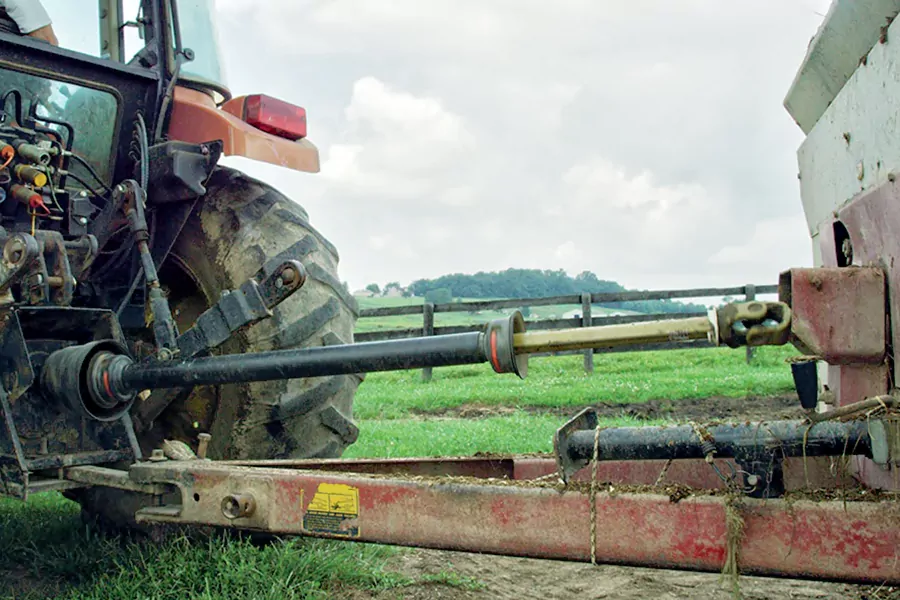
Tractors have multiple gearboxes. The main transmission gives you everything from cultivating speed to road gear. The PTO box is separate – it runs your implements while you shift the main transmission.
Combines are gearbox heaven. Count them sometime – header drive, threshing cylinder, cleaning shoe, grain elevator, plus the main drive. The header needs one speed, the threshing drum another. Get the cleaning fan wrong and you blow good grain out with the chaff.
Hay operations depend on timing more than anything. Your disc mower might work fine at 8 mph in thin grass, but hit a thick stand of alfalfa and you’ll plug up quick. The rake and baler have their own sweet spots too.
Center pivot irrigation moves slow – maybe 100 feet per hour on the outside span. That takes serious gear reduction. The pump gearbox is different – it matches whatever RPM your engine puts out to what the pump needs.
Shopping for a Replacement
When you’re shopping, focus on the stuff that counts:
Torque ratings separate the men from the boys. Sure, your gearbox might cruise at 300 foot-pounds all day long. But hit a buried log with your disk and suddenly you’re at 600. That’s when cheap gearboxes start breaking teeth or twisting shafts.
Gear ratios get confusing fast. A 4:1 box takes your PTO’s 540 RPM down to 135. Need more speed? Find a 2:1 instead. Want more torque? Go with 6:1 or higher.
Don’t obsess over efficiency ratings. The difference between 88% and 92% won’t show up on your fuel bill. Durability matters more.
Load ratings separate the wheat from the chaff. Light-duty boxes work fine for finish mowers. Try running a heavy disk with one and you’ll be shopping again next season.
Temperature matters more than people think. Arizona heat kills gearboxes. So does Minnesota cold – the oil gets thick and seals get brittle.
Spotting Quality
Materials tell the story. Hardened steel gears cost more but last years longer. Cast iron housings handle shock better than aluminum, though they’re heavier.
Manufacturing shows up in the details. Machine-cut gears run quieter than cast ones. If it sounds like a coffee grinder, walk away.
Reputation matters in farming. Talk to guys who’ve been running the same brand for 20 years. Check the farm forums – they’ll tell you which ones are junk.
Parts availability can make or break you during harvest. Nothing worse than needing a $50 seal and waiting two weeks for it to ship from overseas.
Warranties vary wildly. Some companies give you 90 days, others go two years. Guess which ones are more confident in their product.
Keeping Them Running
Oil changes aren’t optional. I’ve seen gearboxes that looked like they were full of peanut butter – that’s what happens when you skip maintenance. Check for leaks every spring. A small drip turns into a big problem fast.
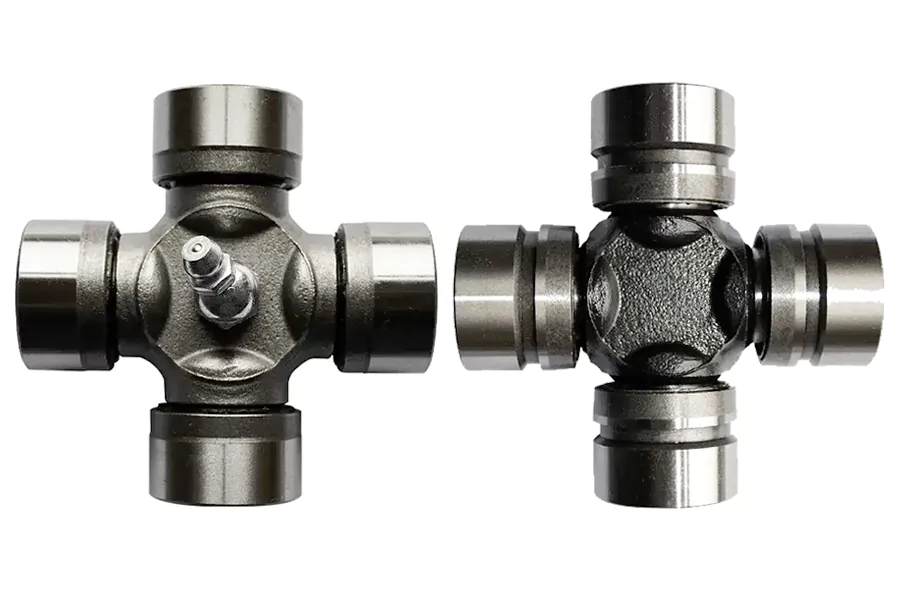
Those little grease fittings? Use them. And keep the breather vents clear or you’ll get condensation inside. Barn storage beats sitting outside in the weather every time.
Bottom Line
You get what you pay for, mostly. Spending $800 on a good gearbox beats buying three $300 ones that quit after a season each.
Match the gearbox to your operation. Running 50 acres of pasture? You don’t need commercial-grade everything. But if you’re custom cutting for neighbors, buy once and be done with it.
Most gearbox failures trace back to neglect, not manufacturing defects. Change the oil, keep it greased, and don’t abuse it – pretty simple formula.