Let’s face it—operating a tractor means respecting its power, and nothing tests that respect like the spinning power take-off shaft on a tractor. This unassuming piece of hardware keeps your balers and augers humming, but it’s also behind some of the ugliest accidents in agriculture. Why? Because that tractor PTO shaft doesn’t care if you’re a rookie or a 30-year veteran. One split-second mistake—a loose shoelace, a dangling jacket cuff—and its 540 RPM spin turns everyday clothing into a deadly noose. Think nine rotations per second sounds manageable? Try reacting faster than a hummingbird’s wings.

The Reality of Loose Clothing and Exposed Shafts
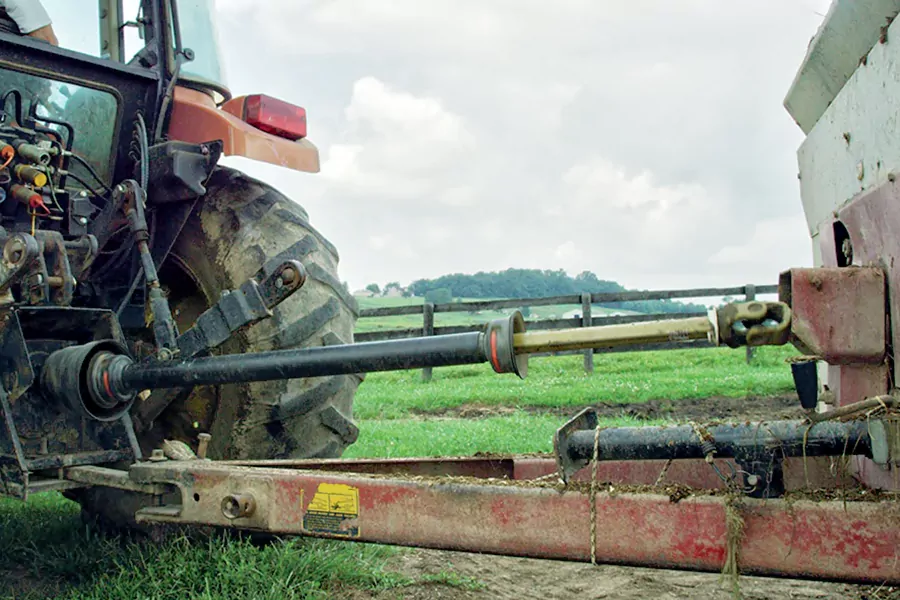
A major hazard? Loose clothing snagging on an exposed tractor PTO shaft. It sounds simple, but even seasoned farmers make mistakes. Maybe they leave the PTO clutch engaged by accident, or brush off the risks of a slowly spinning shaft. But here’s the reality: bootlaces, jacket cuffs, or loose overall straps can latch onto bolts, joints, or unshielded sections of the power take-off shaft tractor in a split second. Once trapped, the sheer speed of the machinery—even at half-throttle—leaves almost no time to escape. Picture this: a standard tractor PTO shaft rotating at 540 RPM whirls around nine times per second. Blink, and it’s already too late.
Why "Partial Protection" Isn’t Enough
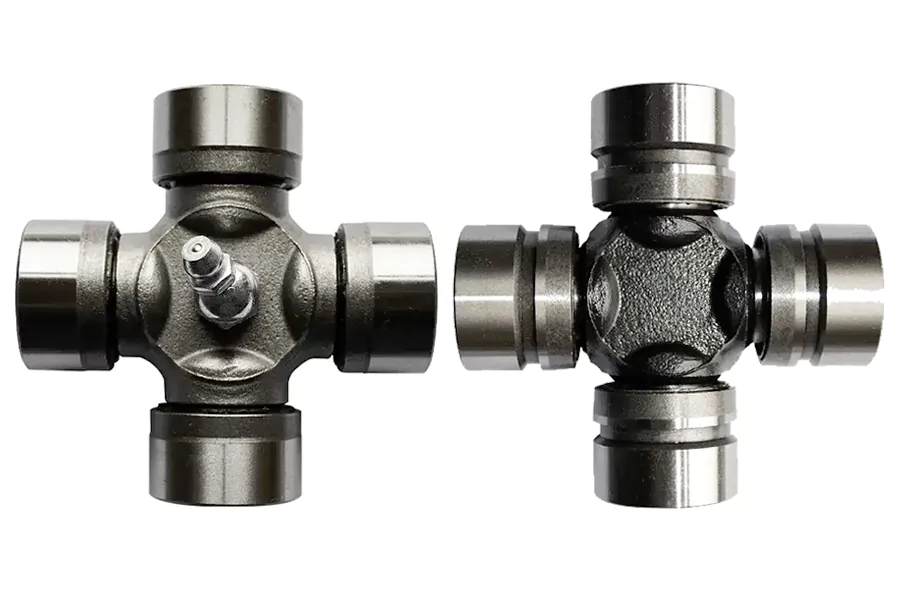
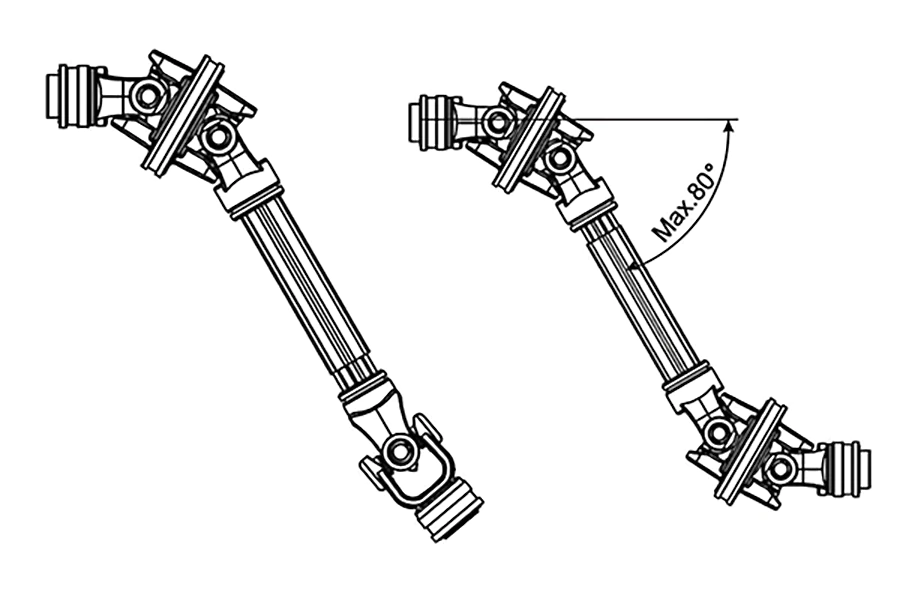
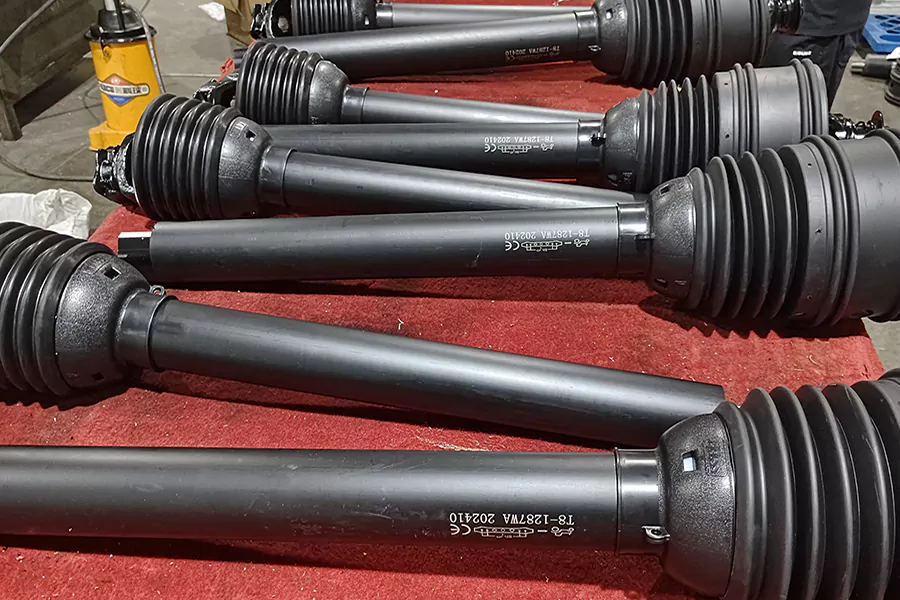
While many assume shielding eliminates risks, partial guards often leave critical areas exposed. The implement input driveline (IID), which connects the tractor’s PTO shaft to attached machinery, is particularly hazardous. Universal joints, locking pins, and connectors often lack protection, creating “wrapping points” that easily catch fabric. Worse yet, if the IID shaft separates while powered—due to improper hitching or equipment failure—the detached section can swing violently or become a dangerous projectile. Though rare, such failures underscore why proper alignment and secure hitching are non-negotiable.
When Convenience Overrides Safety
Surprisingly, many incidents occur when operators bypass safety protocols for convenience. For example, leaving the PTO engaged while adjusting stationary equipment like grain augers or clearing jams exposes workers to rotating shafts. Similarly, stepping over a tractor power take-off shaft instead of walking around it, or allowing extra riders near active machinery, dramatically increases risks. Research shows that 70% of entanglement incidents involve unguarded or damaged shields, and over half occur with stationary or semi-stationary equipment like mixers or forage wagons. Even when machinery isn’t moving, an engaged power take-off shaft tractor remains a silent threat.
The video simulates the situation when clothes are rolled in the PTO shaft
Rewiring Your Approach to Safety
Staying safe isn’t just about following rules; it’s about rewiring how you see that pto shaft of tractor. Every time you approach it, ask yourself: Would I stick my hand in a running blender? That’s the level of caution we’re talking about. Here’s how to break the cycle of complacency:
- Always disengage the PTO clutch before exiting the tractor—no exceptions.
- Inspect shields thoroughly before use, ensuring they cover the entire power take-off shaft, including joints and connectors.
- Never assume “slow speed” is safe. Even a partially engaged shaft can entangle clothing faster than you can react.
- Train relentlessly. Routine equipment checks and a zero-tolerance policy for shortcuts prevent most incidents.
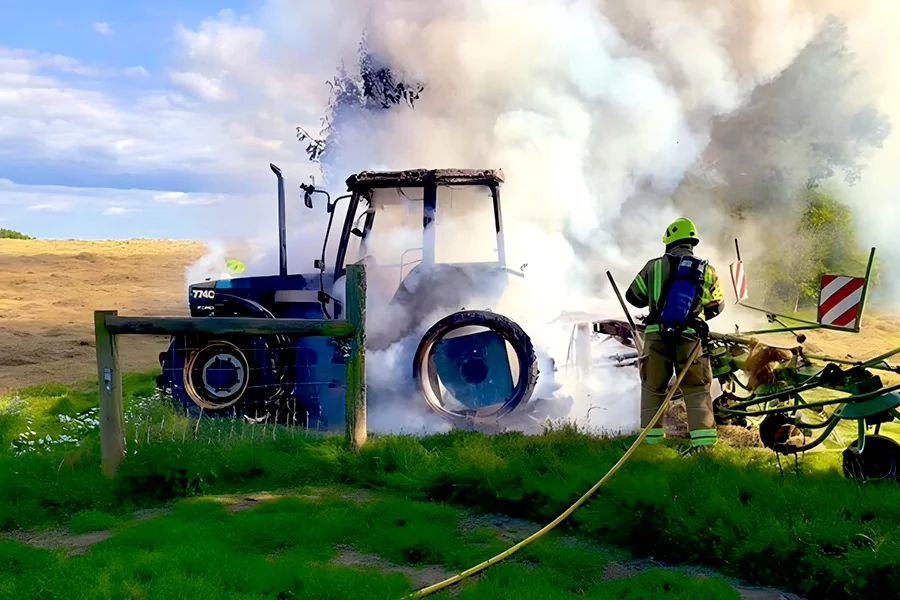
Remember: Complacency around the power take-off shaft tractor isn’t just risky—it’s how farmers lose fingers, limbs, or worse. A moment saved isn’t worth a lifetime of regret.
But luckily, most of these situations can be avoided, and installing a PTO cover will greatly reduce the occurrence of PTO danger. In the next article, we will provide you with a detailed introduction to PTO Guard(Cover).