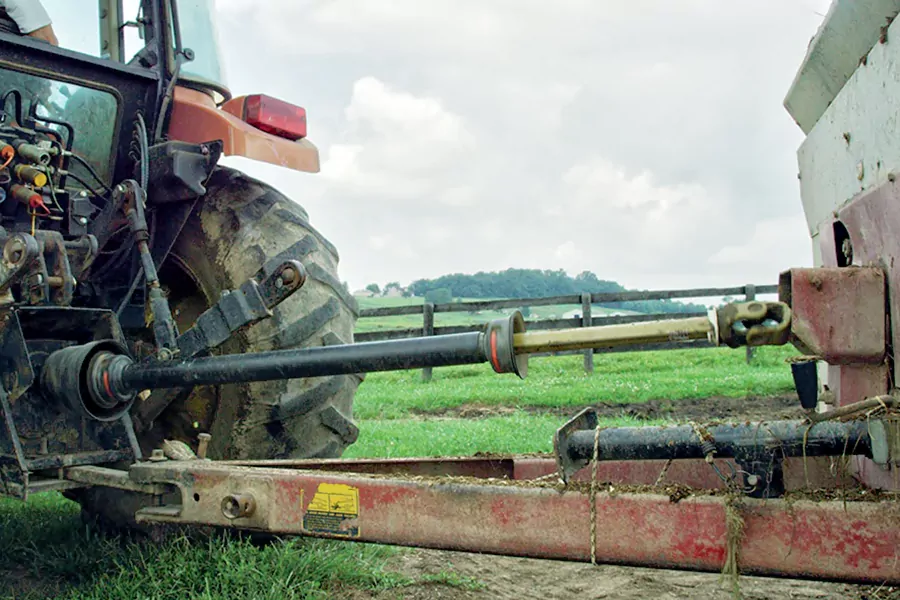
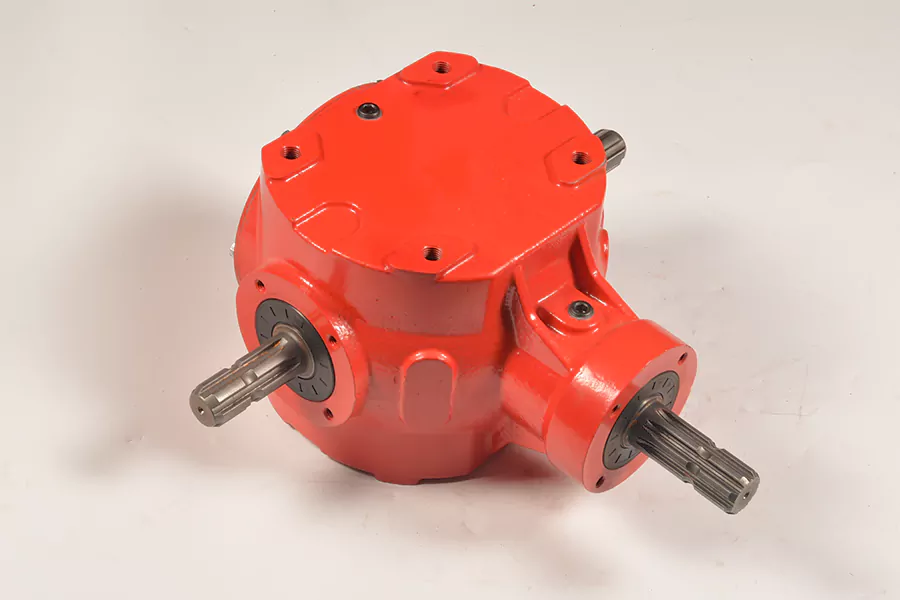
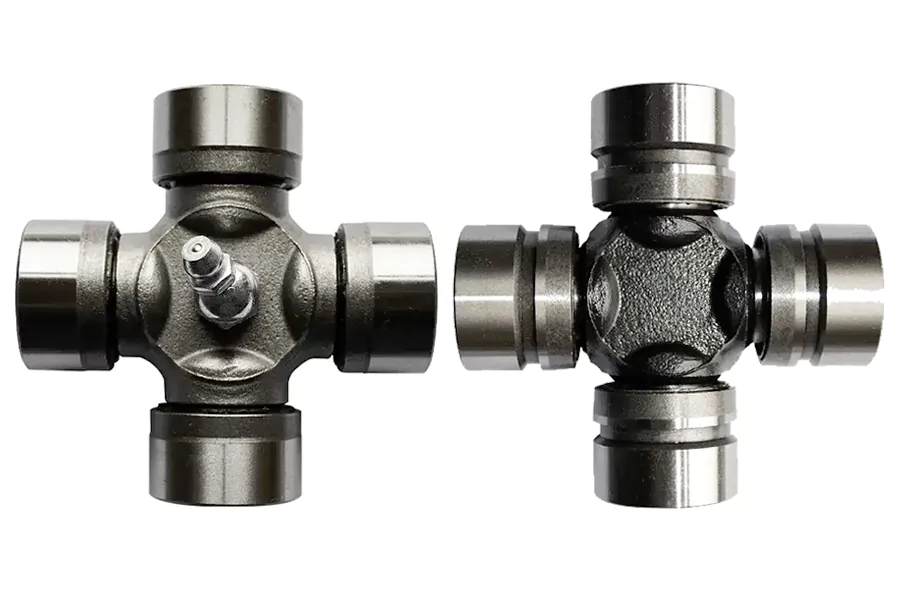
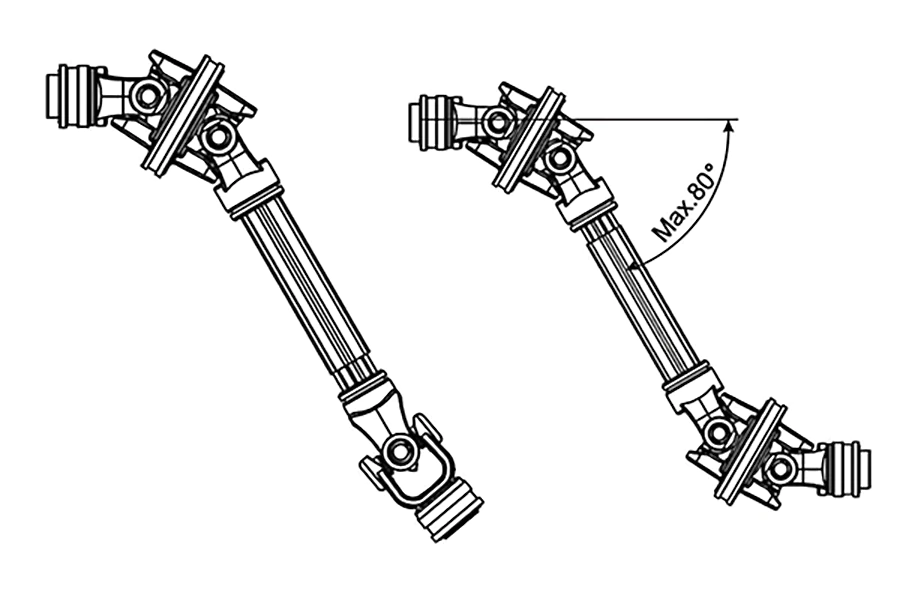
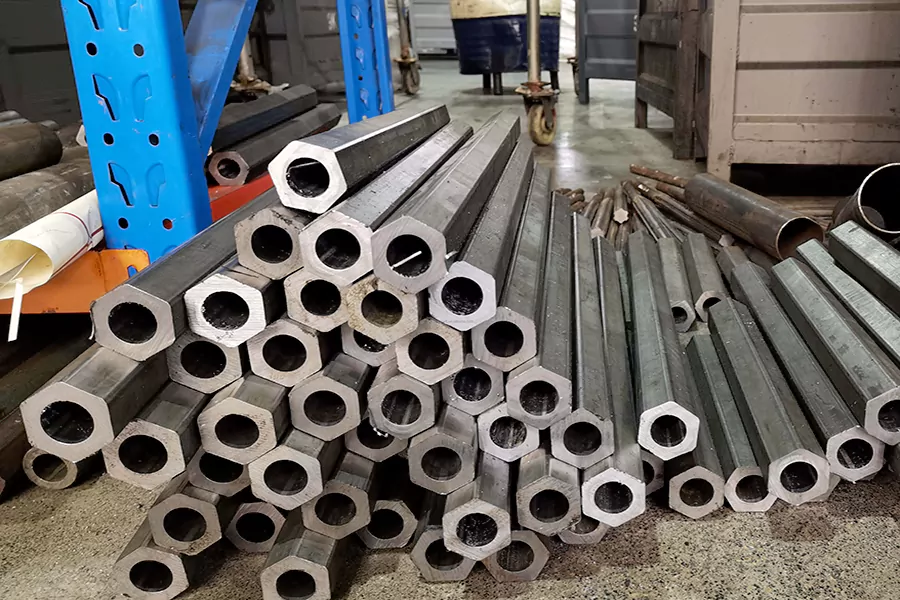
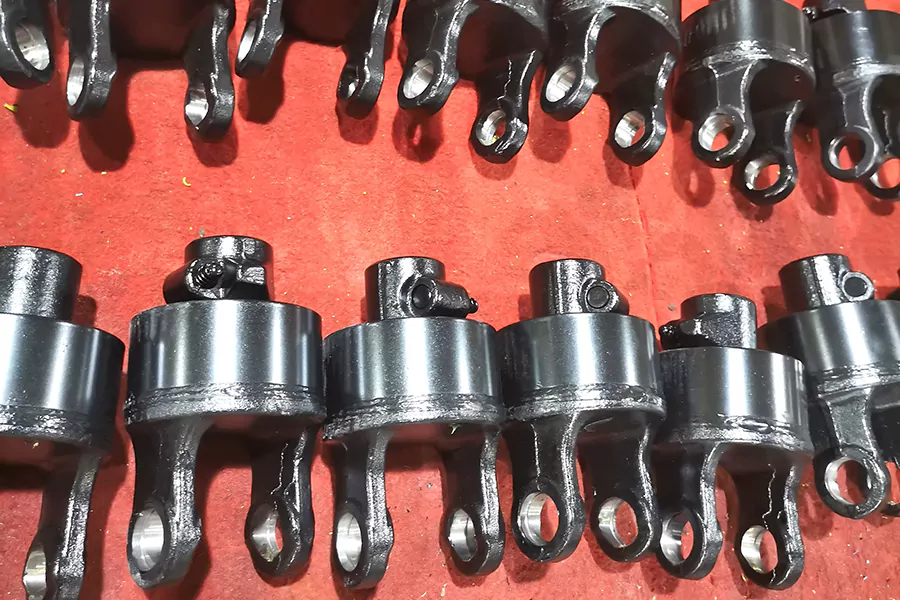
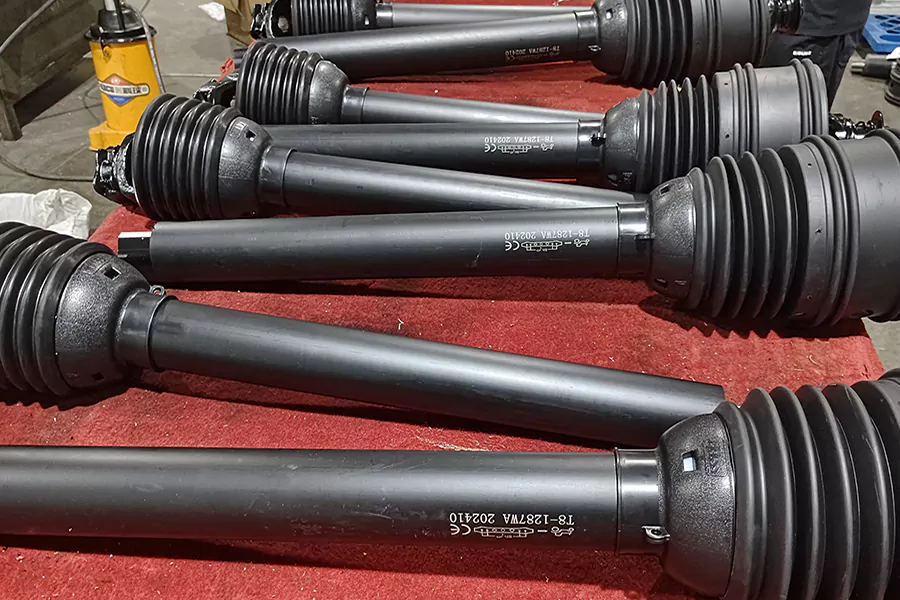
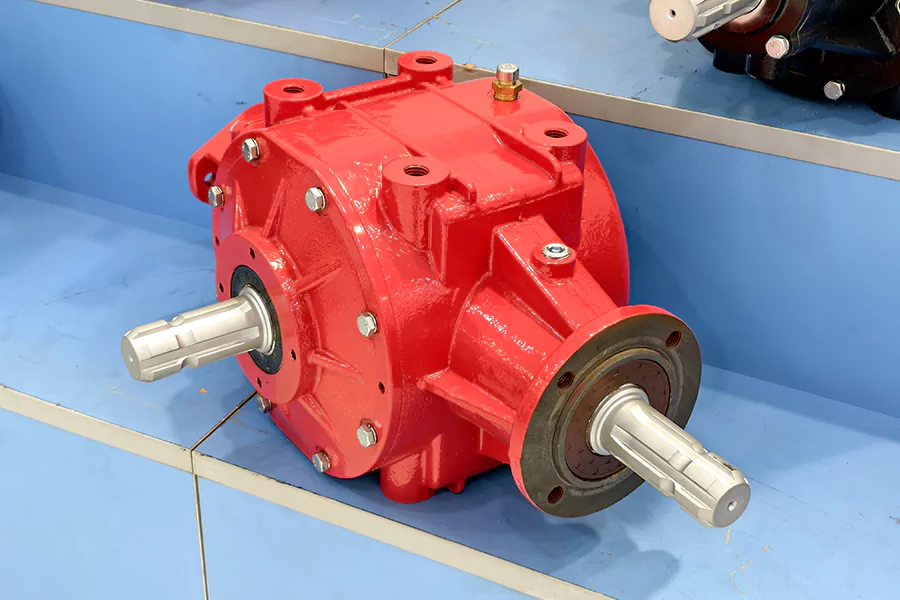
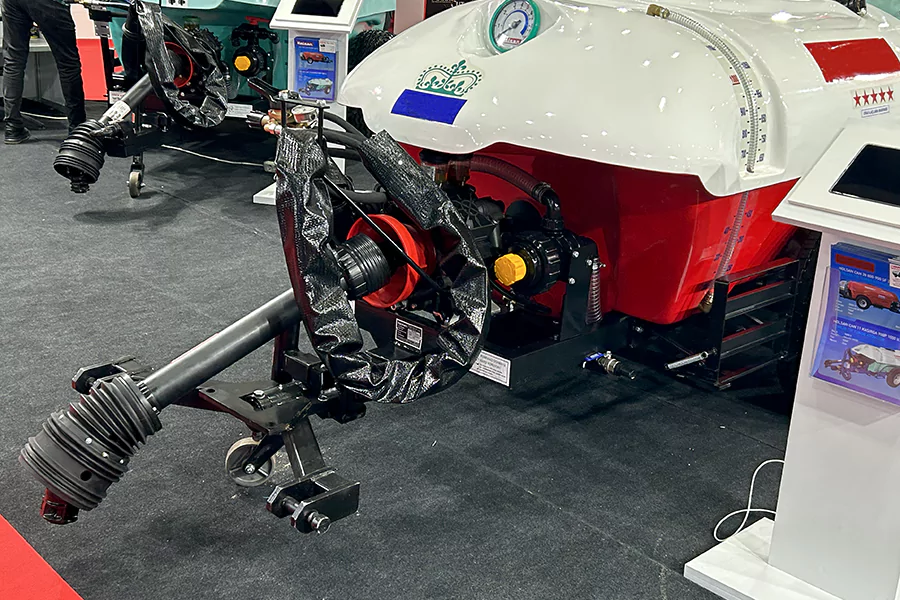
PTO sprockets are the toothed wheels that allow an agricultural gearbox to transfer rotational power from the tractor to an implement via a heavy-duty chain. In most farm drivetrains, the tractor’s standard PTO output (commonly 540 or 1000 RPM) drives a PTO shaft connected to a gearbox. The gearbox adjusts the speed and torque, and an output PTO sprocket drives a roller chain that turns the implement’s driven sprocket—powering equipment such as mowers, balers, tillers, and spreaders. This simple, rugged chain-and-sprocket arrangement efficiently bridges the gap between the tractor’s fixed PTO speed and the wide range of implement requirements.
Step-by-step — how power flows
1) Power source → PTO engagement
The tractor engine produces torque that passes through the transmission. When the operator engages the PTO, the transmission output is linked to the PTO shaft through a clutch or PTO engagement mechanism. The PTO shaft then rotates at the tractor’s standardized PTO speed.
2) Gearbox conversion (speed & torque adjustment)
The rotating PTO shaft enters an agricultural gearbox. Inside the gearbox, different gear pairs adjust the speed and torque to match what the implement requires. Some tools need a step-up in speed (like pumps), while others need high torque at lower speeds (like rotary cutters). Gearboxes enable a wide performance range without changing the tractor’s PTO.
3) Sprocket drive (output shaft → drive sprocket)
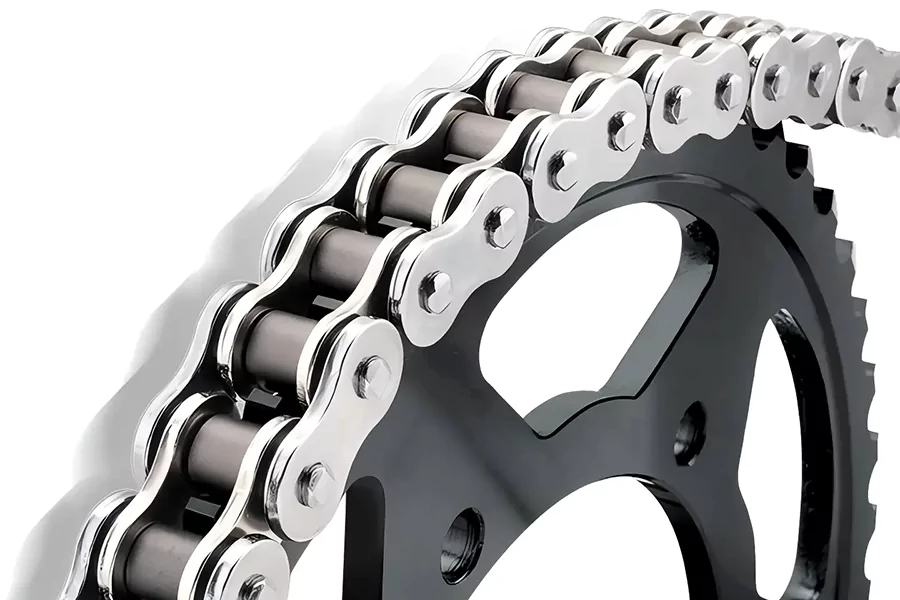
The gearbox output shaft carries a drive sprocket, often referred to as a PTO sprocket. As it spins, the sprocket’s teeth engage the rollers of a roller chain and pull the chain around a loop. Roller chains and sprockets are ideal for agricultural machinery because they handle shock loads, provide positive engagement, and are easy to service.
4) Chain movement → implement power
The moving chain drives the implement’s driven sprocket, converting rotary motion into working motion—turning blades, driving conveyors, running pumps, etc. Because sprockets maintain positive mechanical engagement, the speed ratio stays accurate and slippage is minimal.
Key components & what each does
- PTO sprockets / sprockets – Toothed wheels matched to specific chain pitches and tooth counts; they determine the speed ratio from gearbox to implement.
- Roller chain – Transfers tensile load and torque; commonly sized by ANSI/ISO designations such as #40, #50, #60, and #80.
- Agricultural gearbox – Adjusts speed and torque through internal gears, bearings, and shafts, ensuring the implement operates at the correct input speed.
- PTO shaft – Connects the tractor to the gearbox and delivers rotational power safely and efficiently.
Design & selection considerations
Chain pitch & sprocket compatibility
Correct chain pitch must match the sprocket tooth profile. Mismatch leads to accelerated wear, noise, and potential failure.
Tooth count & speed ratio
Tooth count directly affects the speed ratio. More teeth generally provide smoother operation and lower wear, but require more space. Agricultural implements typically balance tooth count with available shaft length, torque needs, and housing size.
Material & heat treatment
Most agricultural sprockets are made from carbon steel or alloy steel, sometimes case-hardened to resist tooth wear. For heavy-duty use, hardened teeth or replaceable-tooth sprockets are preferred.
Wrap angle & tensioning
Good chain wrap on the sprocket is essential. For short center distances, idlers or tensioners help maintain proper wrap and prevent chain jumping.
Maintenance, failure modes & prevention
Alignment
Misalignment between sprockets causes uneven loading and rapid wear. Use straightedges or alignment tools regularly, especially after impacts or component replacement.
Chain tension & elongation
Maintain correct sag or deflection according to chain specifications. Elongated chains should be replaced promptly—running a worn chain on a new sprocket quickly damages the sprocket.
Lubrication
Roller chains require consistent lubrication to reduce friction and protect against corrosion. After field use, reapply lubricants that resist dust and debris.
Signs of wear
Hooked or pointed sprocket teeth, chain skipping, vibration, or changes in operating noise often indicate it is time for replacement.
Safety features & operator protection
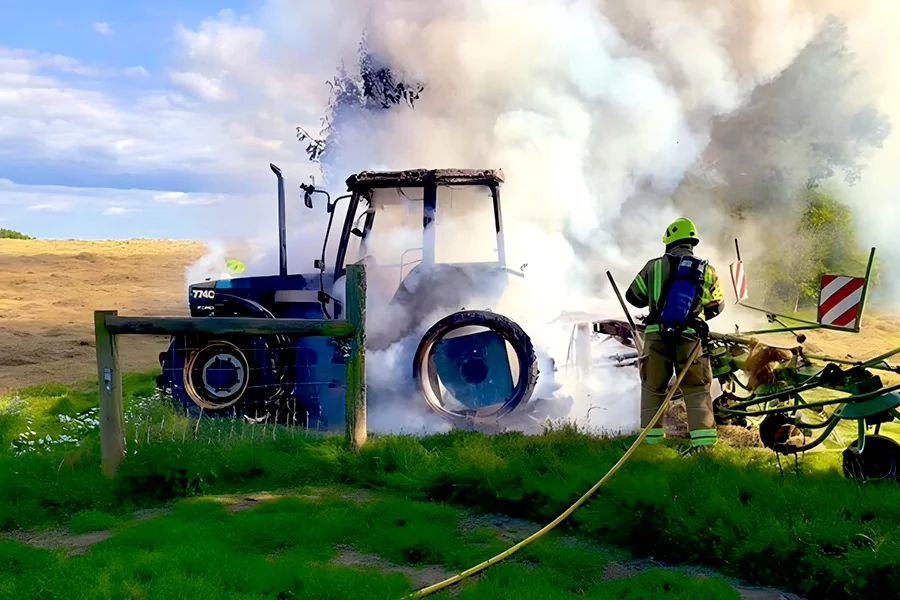
Most PTO and gearbox systems include protective devices such as shear bolts, slip clutches, or torque limiters to prevent overload damage. Always disengage the PTO and shut off the engine before inspecting chains, sprockets, or gearboxes. Ensure that all PTO guards and shields are installed—unprotected PTO shafts are a major safety hazard.
Troubleshooting checklist
- Chain skips – Check chain elongation and sprocket tooth wear.
- Excessive noise – Inspect alignment, lubrication, and chain tension.
- Vibration – Examine sprocket concentricity, tooth damage, and gearbox bearings.
Introduction to BAIQUAN
At BAIQUAN, we supply precision-machined PTO sprockets, chain kits, and agricultural gearboxes designed for reliable field performance. Our manufacturing process emphasizes accurate tooth profiles, stable hardness, and consistent fitment—helping implements run smoother and reducing downtime. Whether you need standard sprocket replacements or custom sprocket-and-gearbox solutions, BAIQUAN can support your equipment requirements with dependable components and flexible customization options.