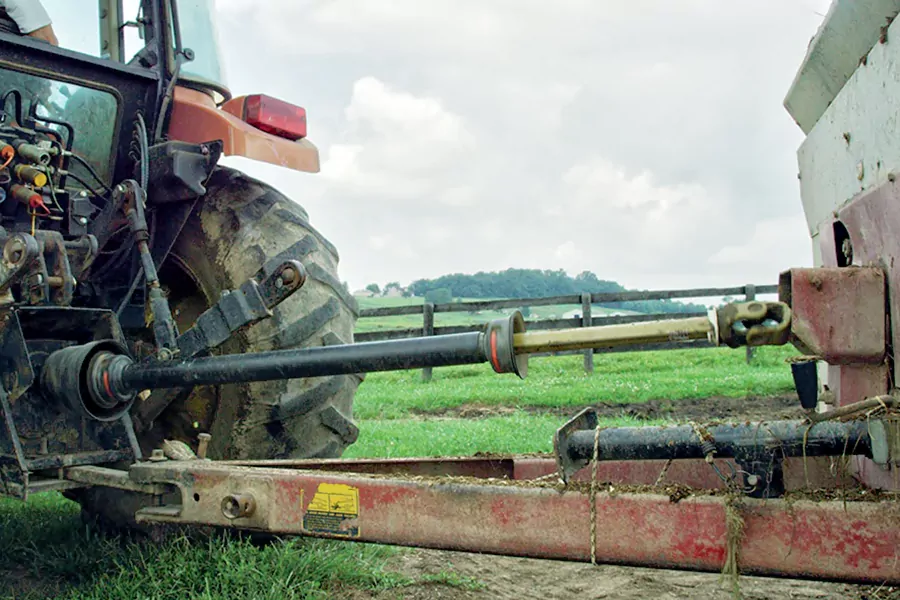
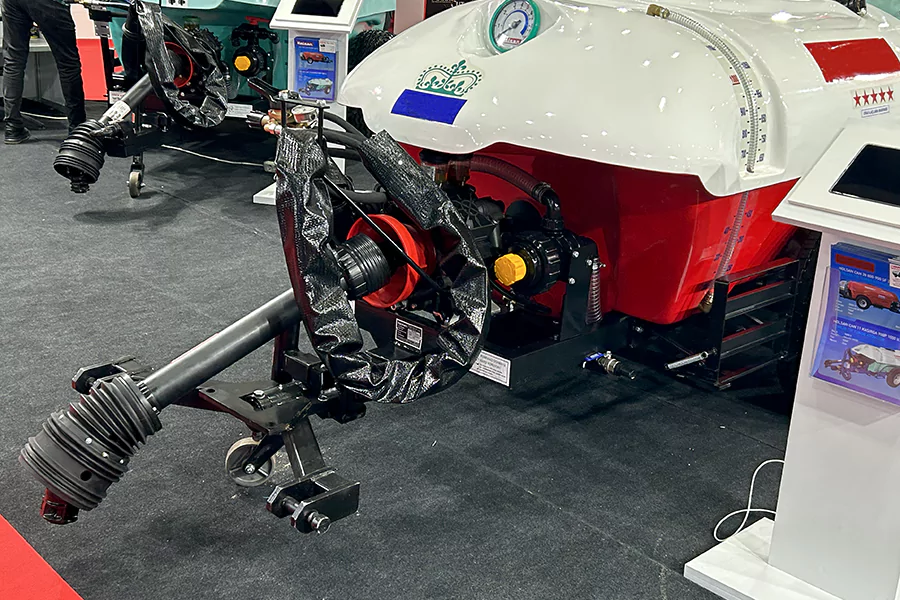
You’re in the middle of a field job when everything suddenly locks up. The mower stops. The tractor is still running, but nothing behind the PTO shaft is moving anymore. In most cases, it’s not the tractor—it’s a small driveline mismatch somewhere in the system.
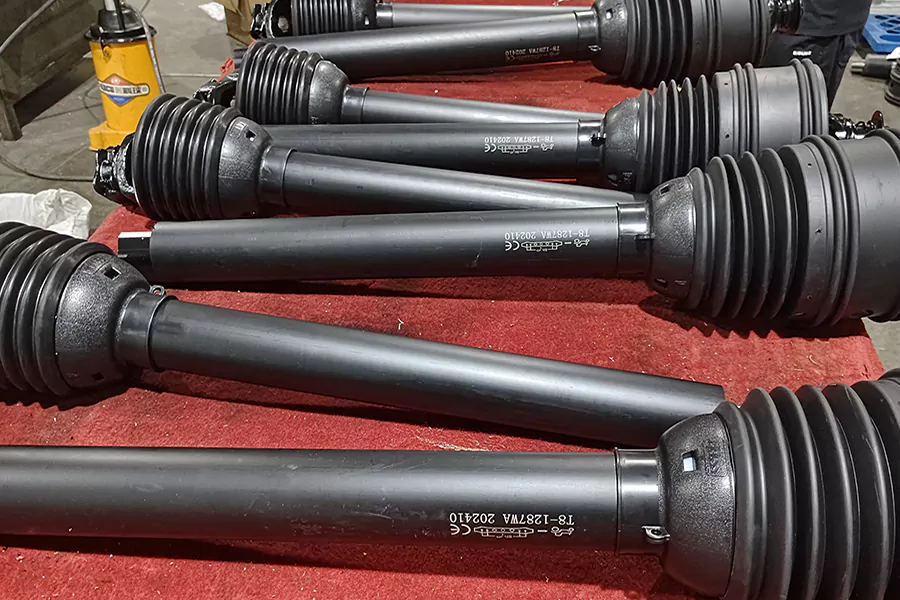
PTO shafts are unforgiving. Every part inside the driveline system—tube yoke, spline yoke, cross kit, universal joint—has to match perfectly. There’s no such thing as “almost fits.”
Think of the PTO shaft like a human arm. The tube is the bone, and the yoke is the joint that makes movement possible. If one joint is wrong, the whole motion breaks down.
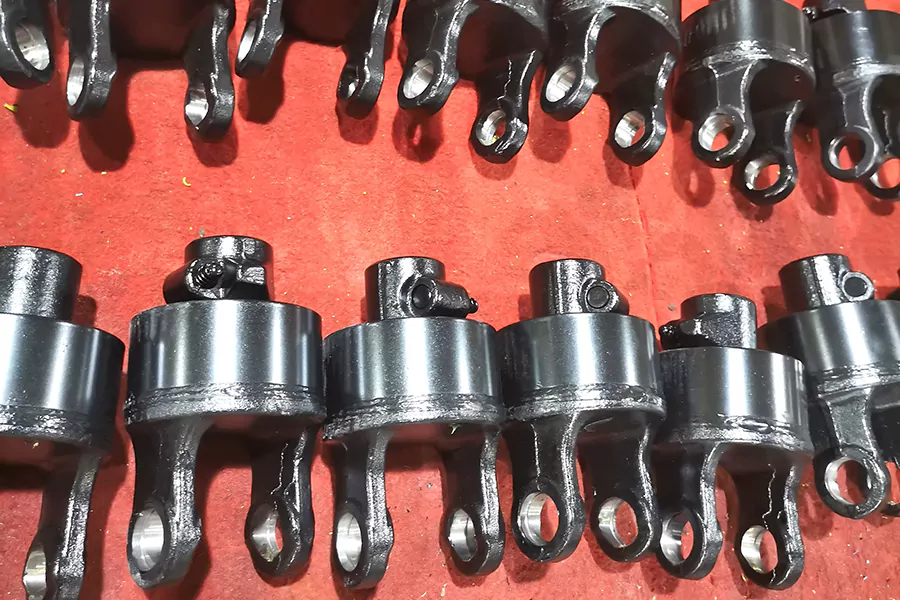
What Is a Tube Yoke in a PTO Shaft System?
A tube yoke is one of those parts most people don’t notice until something goes wrong.
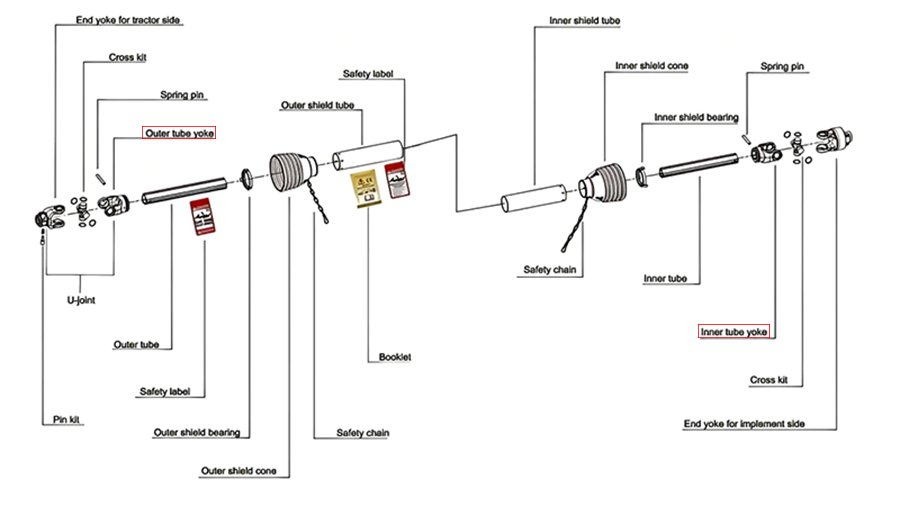
It sits at the end of the PTO shaft tube and connects the driveline to either the tractor or the implement side. From there, it works together with the cross & bearing kit (universal joint) and sometimes a torque limiter or slip clutch to keep power flowing smoothly.
In simple terms, it’s the part that “grabs” the shaft and keeps everything turning as one system.
Without the correct tube yoke, even a perfectly good PTO shaft assembly becomes unusable.
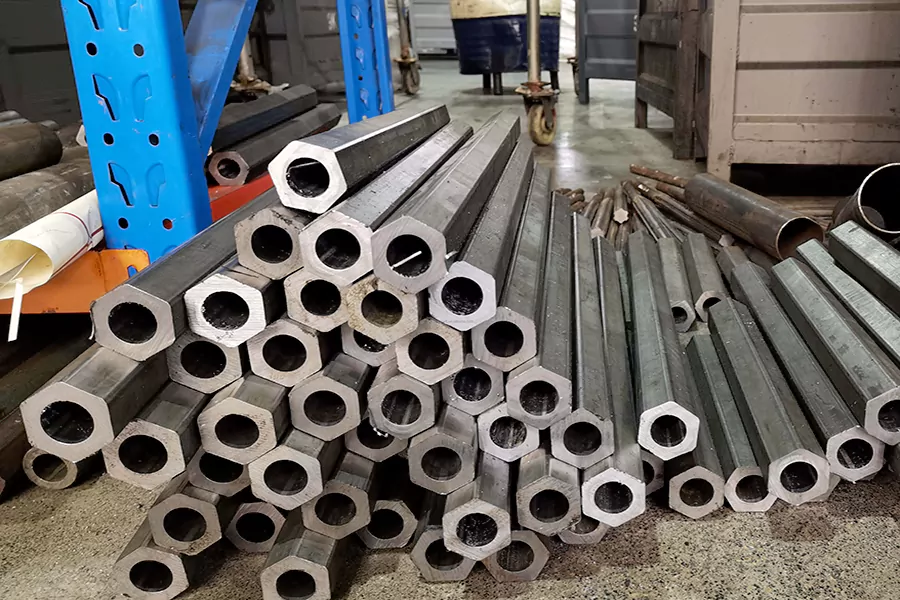
Shape Matters: Lemon, Star, or Triangular Profiles
Before you even think about ordering a replacement part, the first thing you need to check is the tube shape.
Modern PTO systems don’t all look the same inside. Different manufacturers use different driveline profiles to handle torque and reduce slippage.
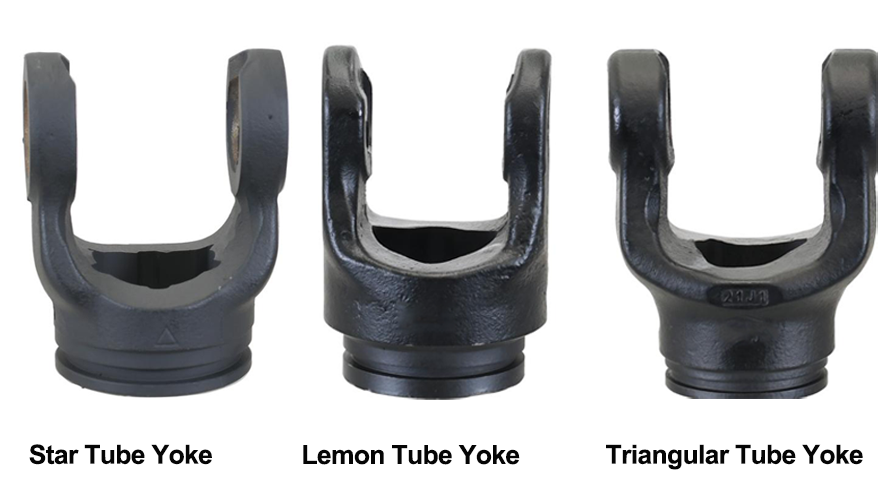
You’ll usually run into three common types:
Lemon profile
Smooth, rounded edges. You’ll often see this in Walterscheid-style PTO shafts.
Star profile
Multiple ridges that form a star-like shape. Common in Bondioli & Pavesi systems.
Triangular profile
Three-sided structure with rounded corners. Often used in Eurocardan drivelines.
The important part is this:
If the shape doesn’t match exactly, the tube yoke simply will not slide or lock correctly.
There is no “close enough” in PTO driveline components.
Measuring Matters More Than Guessing
After shape comes size—and this is where most mistakes happen.
Instead of eyeballing it, you need a proper digital caliper. Measure:
- The width between the yoke ears
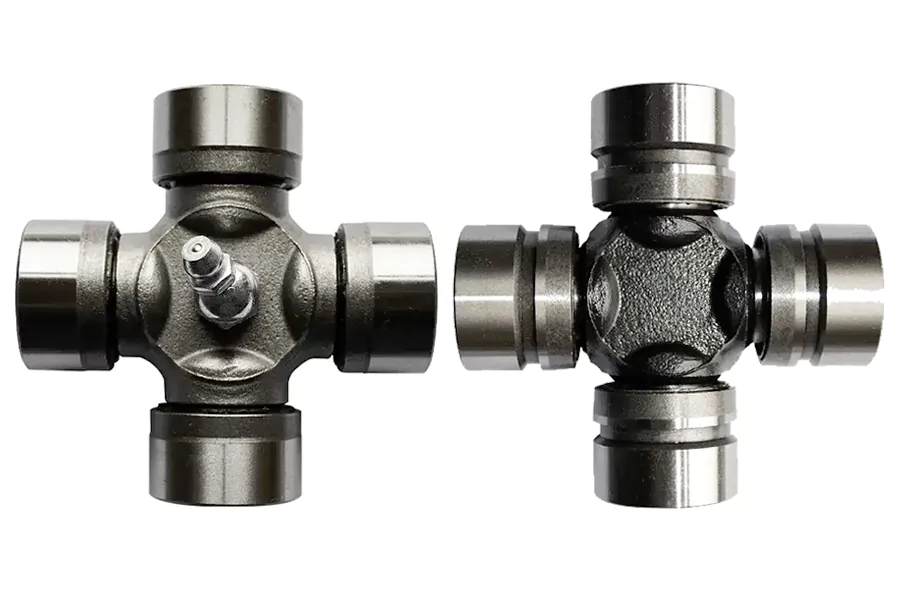
- The cap diameter of the cross kit / universal joint
- The exact fit inside the PTO shaft series
These measurements determine whether you’re dealing with a Series 1, 2, 3 or metric driveline standard.
A small mismatch doesn’t just make installation harder—it leads to vibration, uneven load, and fast wear on parts like:
- cross kits
- PTO shaft yokes
- driveline bearings
Everything has to line up perfectly.
Inner vs Outer Tube Yoke: Easy to Mix Up
This is where even experienced users sometimes get it wrong.
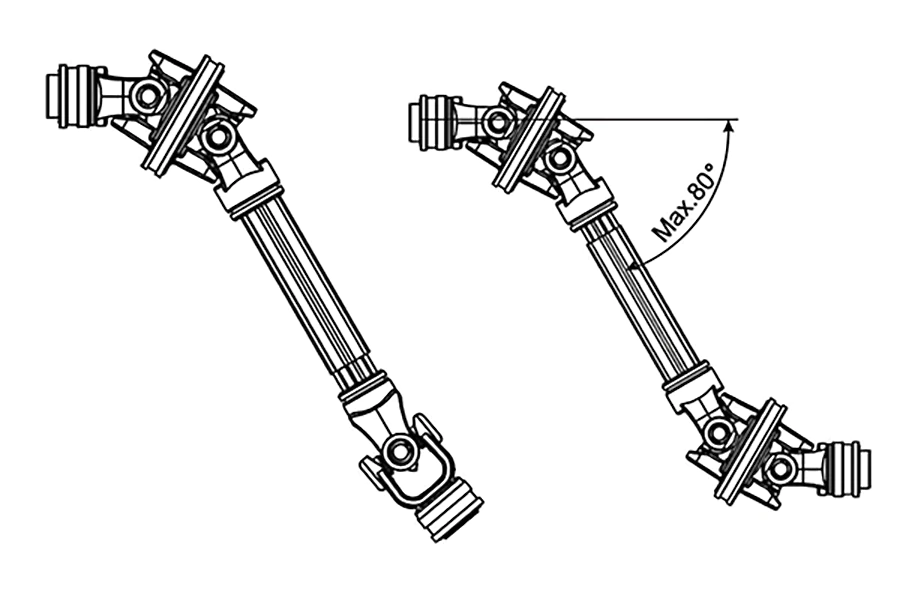
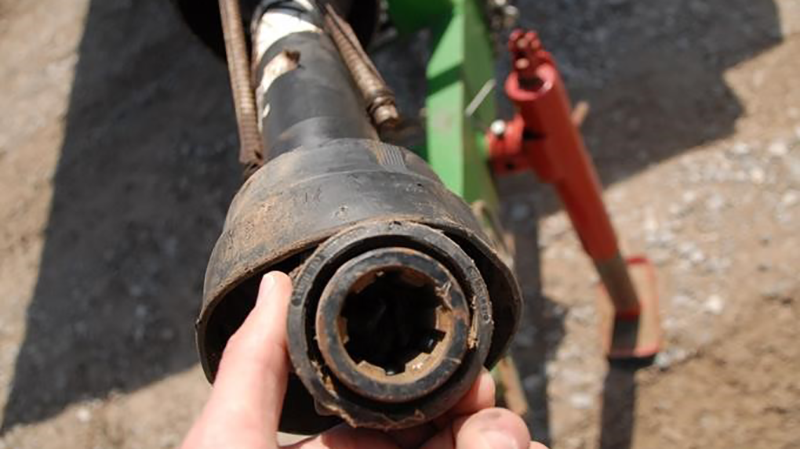
A PTO shaft is telescopic—it moves in and out during operation.
Outer tube yoke
This connects to the larger outer tube. It’s usually the structural side of the assembly.
Inner tube yoke
This slides inside the outer tube and handles the internal torque transfer.
They work as a pair, but they are not interchangeable.
If you mix inner and outer configurations, the shaft simply won’t assemble—or worse, it will assemble incorrectly and fail under load.
👉 Related parts often paired here include PTO spline yokes and implement yokes.
The Five-Minute Pre-Purchase Check
Before you order a replacement tube yoke, take a few minutes to confirm the basics. Most failures in the field come from skipping this step.
✔ PTO shaft series (standard or metric)
✔ Tube profile (lemon, star, triangular)
✔ Yoke type (tube yoke vs spline yoke)
✔ Cross kit dimensions (cap diameter + width)
✔ Equipment load and horsepower compatibility
A properly matched driveline doesn’t just work—it runs quietly, smoothly, and without vibration.
And in the field, that’s what keeps machines working instead of sitting idle.
Final Thought
A tube yoke might look like a simple steel component, but in a PTO shaft system, it plays a critical role in keeping everything connected.
Once you understand shape, size, and configuration, choosing the right part becomes much easier—and a lot less risky when the machine is running under load.