If you have ever worked on a farm, you probably know this already: Your tractor or machine is only as good as its cutting tools.
A blade might look like a simple part, but in real field conditions, it directly affects cutting performance, fuel consumption, and even the quality of your harvest. Choosing the right blade for agriculture is not just about replacement—it is about keeping your machine running smoothly from season to season.
So how do you actually choose the right one?
1.Start with Your Actual Application
Before looking at materials or designs, the first question is simple: what machine are you using, and what are you cutting?
Different equipment needs different blades:
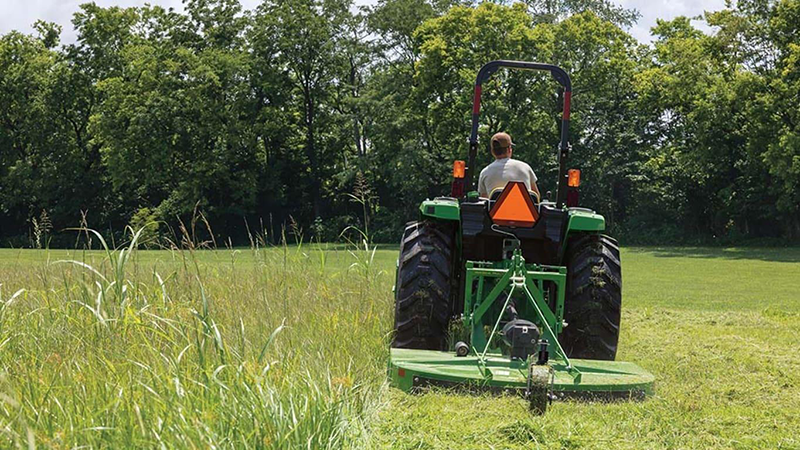
- 🚜Rotary cutter blades → grass, weeds, light brush
- 🌾Harvester blades → crop cutting and residue handling
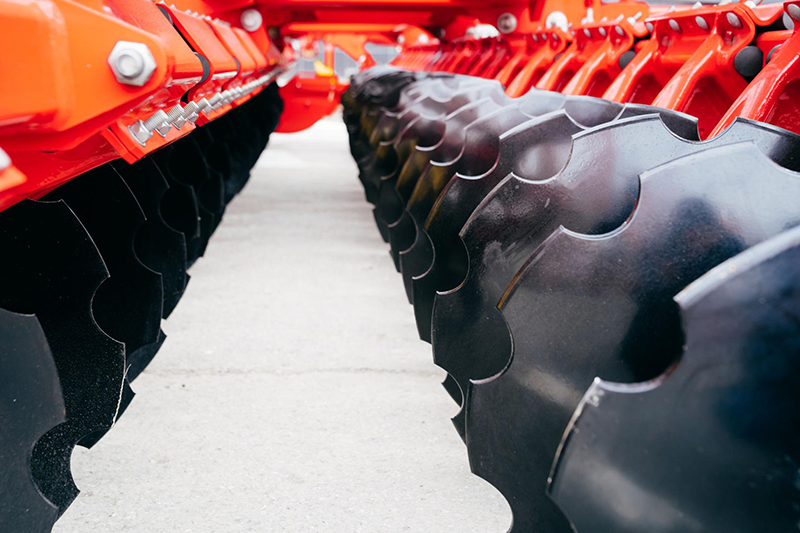
- 🧱Disc blades → soil breaking and leveling
- 🌿Tillage blades → soil mixing and field preparation
Many performance problems don’t come from the blade itself—but from using the wrong type for the job.
2. Blade Material Makes a Big Difference
Once you know the application, material becomes the next key factor.
Carbon Steel
This is the most common and affordable option.
It works well for light-duty farming and soft soil conditions, and it’s easy to sharpen.
Boron Steel
This is where durability improves significantly.
Boron steel blades offer:
- Higher wear resistance
- Better performance in abrasive soil
- Longer service life in heavy-duty work
In most professional farming environments, boron steel is usually the better long-term choice.
3. Hardness vs Flexibility (The Real Balance)
A common misunderstanding is: the harder the blade, the better it is.
In reality, it’s not that simple.
Good agricultural blades need a balance:
- Hard cutting edge → for wear resistance
- Tough core → for impact resistance
That is why heat treatment is used widely. Through processes such as quenching and tempering, manufacturers can improve blade strength without making it too brittle. If a blade is too hard, it could crack when impact occurs.
If too soft, it will wear too quickly.If it’s too soft, it wears out too fast. The best blades sit somewhere in the middle.
4. Blade Design Changes Everything
Blade shape directly affects how it interacts with soil and crops.
- Straight blades → clean and simple cutting
- Curved blades → smoother material flow, less clogging
- Serrated blades → better grip on heavy residue and tough vegetation
For disc harrows, the choice is usually:
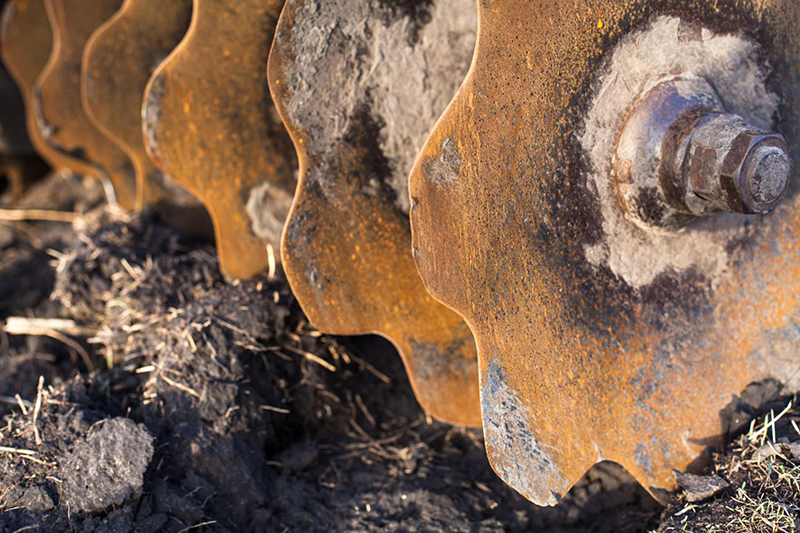
- Smooth discs → light soil, finishing work
- Notched discs → heavy residue, compact soil conditions
Small design differences can completely change field performance.
5. Match Blade with Machine Power
Even a high-quality blade won’t perform well if it doesn’t match your tractor or implement.
If the blade is too aggressive for your machine:
- Fuel consumption increases
Speed drops - Mechanical stress increases
The goal is simple: let the machine and blade work in balance, not against each other.
6. Fit and Compatibility Matter More Than You Think
A blade must fit correctly—this sounds obvious, but it’s one of the most common mistakes in replacement parts.
Before buying, always check:
- Mounting hole size
- Bolt pattern
- Blade length and thickness
- OEM part number (if available)
Even a small mismatch can cause vibration, uneven wear, or damage to bearings and shafts over time.
7. Working Conditions Decide Blade Life
The same blade can last very different lengths of time depending on where it is used.
For example:
- Soft soil → standard blades perform well
- Rocky fields → thicker, heat-treated blades are needed
- Sandy soil → wear-resistant materials are better
- Heavy crop residue → serrated or reinforced blades work best
In real farming, conditions matter as much as the product itself.
8. When Should You Replace a Blade?
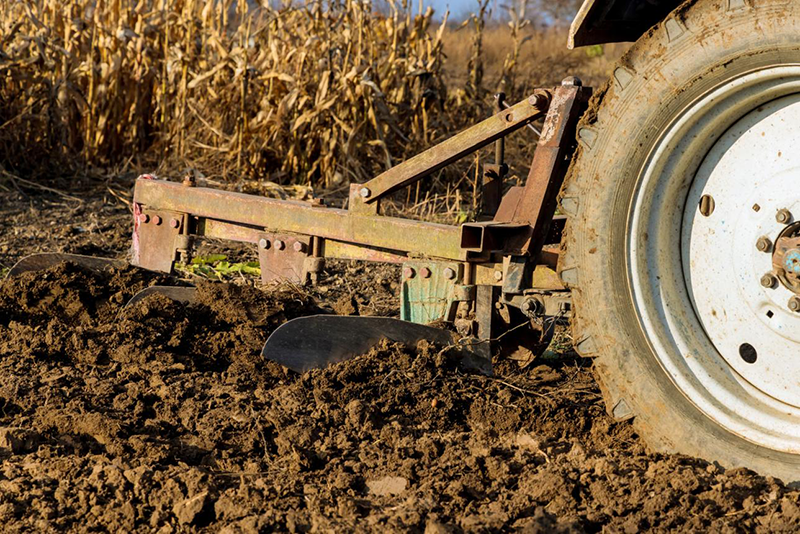
There is no fixed timeline. Replacement depends on actual wear.
You should consider changing blades when:
- The cutting edge becomes rounded
- Cracks or bends appear
- Wear is visibly significant
- Cutting efficiency drops
A worn blade doesn’t just cut poorly—it also forces your machine to work harder, increasing fuel use and wear on other components.
9. Final Thoughts
Choosing the right agricultural blade is really about understanding three things:
- Your machine
- Your working conditions
- The material and design of the blade
when these three match up just right, everything runs smoother—better cutting, less downtime and lower operating costs. In farming, small improvements in efficiency mean big differences over time.