A universal joint usually gets very little attention.
Most of the time, that’s a good thing. The tractor is running, the PTO is turning, and the implement is doing what it should. Nobody is going to stop in the middle of a field just to look at a U-joint.
But things change once the driveline starts making a strange noise.
Maybe there is a light knock when the PTO starts. Maybe the shaft feels rough at higher speed. Sometimes the first clue is simply a vibration that wasn’t there a few weeks ago.
Those signs are easy to overlook. They shouldn’t be.
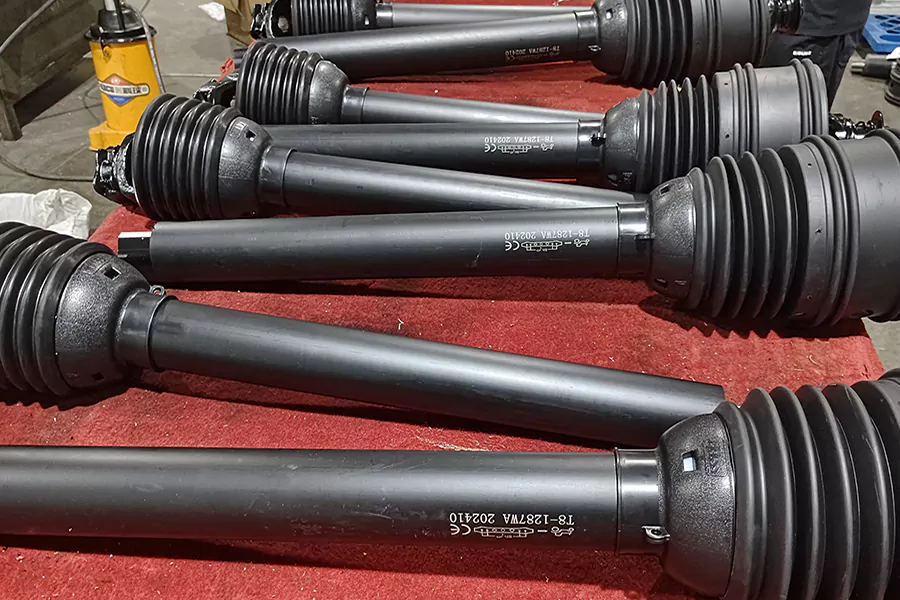
A worn universal joint can eventually affect the PTO shaft and other driveline parts. Finding the problem early is usually much easier than dealing with a broken shaft during a busy day of farm work.
Start With the Noise
Noise is often the first thing an operator notices.
A U-joint with worn bearings may produce a clicking, knocking, or clunking sound. It can be especially noticeable when the PTO starts turning or when the load on the implement changes.
For example, the tractor may sound normal while the implement is sitting idle. Put the implement under load, though, and a repeated knocking sound starts to show up.
That doesn’t automatically mean the U-joint is bad. Gearboxes, shafts, and other driveline components can make noise too. Still, a new sound coming from the PTO driveline is a good reason to stop and inspect the joints.
Vibration Is Harder to Ignore
A little vibration is nothing unusual on farm equipment.
Too much vibration is different.
If the PTO shaft suddenly feels rougher than it used to, check the driveline. A worn U-joint can develop clearance between the cross and bearing components. Once that happens, the shaft may no longer rotate as smoothly as it did when the joint was in good condition.
The vibration may become stronger as PTO speed increases.
This is where operators sometimes make the wrong call. They notice the vibration, slow the tractor down, and continue working. The machine seems better at lower speed, so the problem gets forgotten.
The worn joint is still there.
Check the Joint for Movement
With the tractor shut down, the PTO disengaged, and the equipment secured, take a closer look at the universal joint.
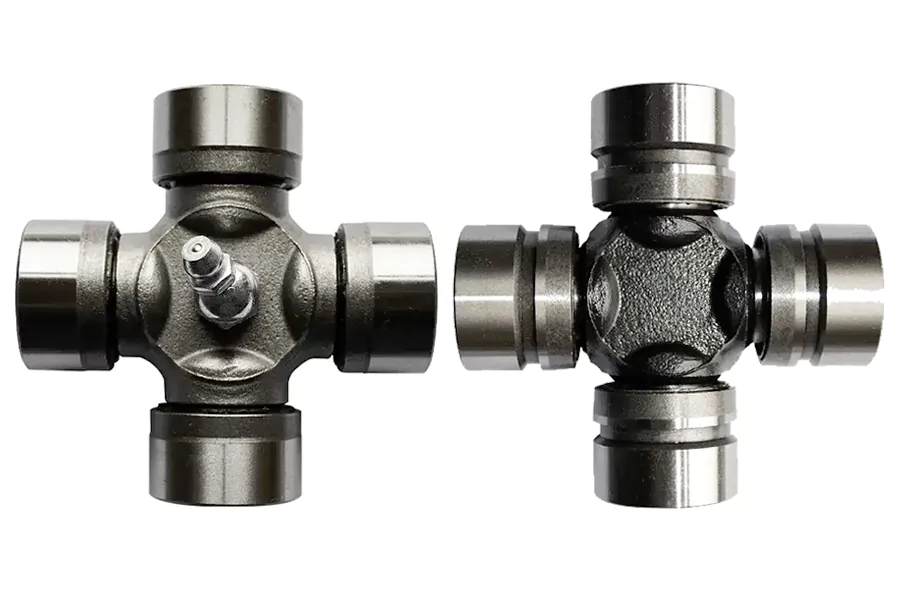
Try to feel for unusual looseness in the joint. Excessive play around the cross or bearing caps can point to worn internal components.
There is a difference between normal movement and a joint that feels loose or sloppy. If the joint moves more than expected, feels rough, or has a noticeable “click” when moved by hand, it deserves further inspection.
This simple check can sometimes catch a problem before the joint starts making a lot of noise.
Don't Forget the Bearing Caps
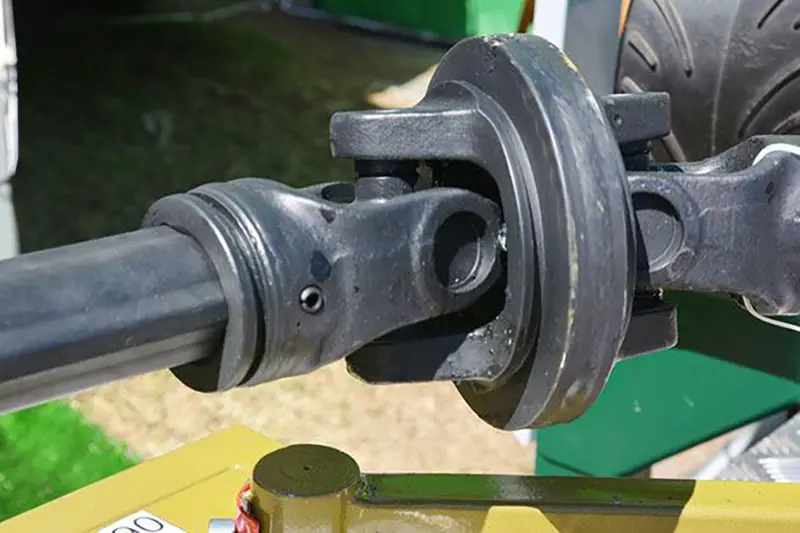
Though the bearing caps are small, they take plenty of punishment.
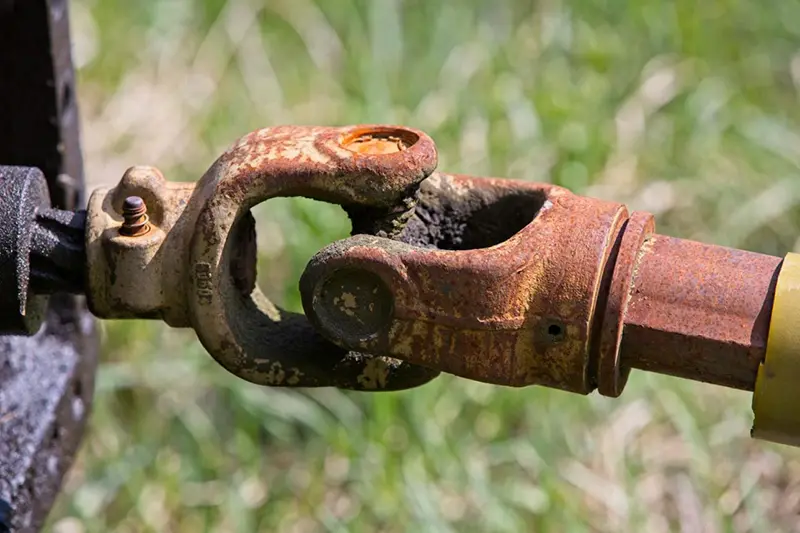
Paying attention to cracked caps, damaged caps, rust, missing retaining clips, or any other indicators of physical damage. Dirt and moisture aren’t unusual around farm equipment, particularly when machines spend most of their life outside.
Heavy corrosion around the joint is not something to brush off.
A damaged bearing cap can allow contamination into the bearing area. Once dirt gets in and lubrication starts to break down, wear can happen much faster.
Also look at the cross itself. Deep marks, unusual wear, or obvious damage are reasons to consider replacing the joint.
What Does the Grease Look Like?
For a greaseable universal joint, lubrication is part of normal maintenance.
The grease should not be ignored simply because the joint still works.
Dry grease, contaminated grease, or a joint that appears completely dry can all be warning signs.
In some cases, the grease fitting itself may be blocked or damaged. Pointing a pint of greasy mix at a fitting that won’t take it, however, isn’t a real solution.
Use the grease that the machine needs and follow its maintenance schedule.
Farm machinery works under circumstances that many people would not dream of. Dust and mud, water, heat and weight combine to wear things down over time.
Pay Attention to How the PTO Shaft Behaves
Sometimes the U-joint is easier to spot by looking at the shaft rather than the joint itself.
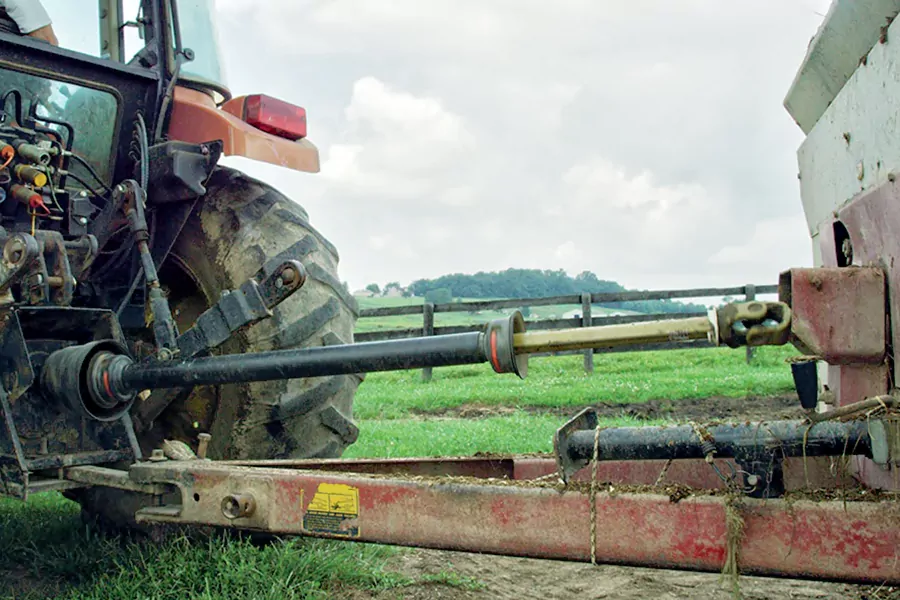
Watch for unusual movement, uneven rotation, or vibration around the PTO driveline. If something looks different from the way it normally runs, shut the equipment down and investigate.
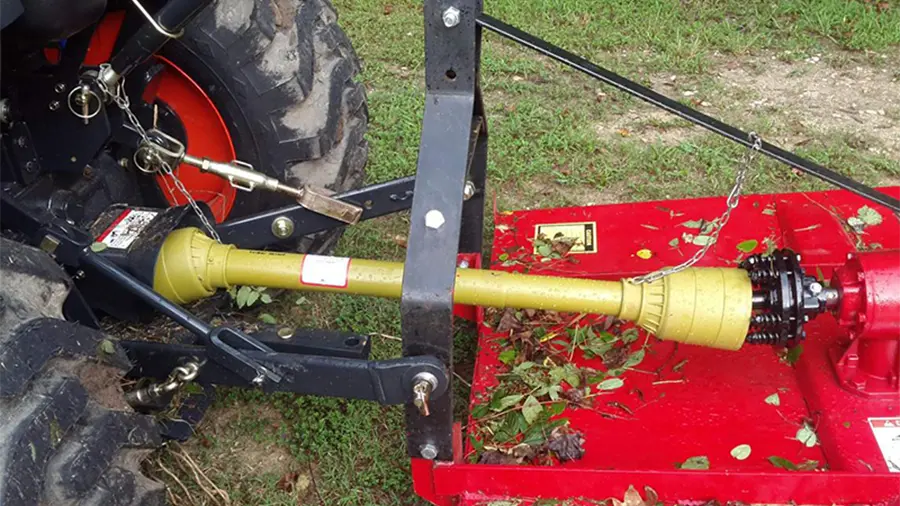
And there is one point that should never be skipped: never inspect a rotating PTO shaft by hand.
Turn the tractor off and make sure stored energy and moving components are under control before getting close to the driveline. PTO equipment can be dangerous even when it appears to be moving slowly.
Also check the PTO guard. A worn U-joint and a damaged guard are both problems that should be dealt with before continuing normal operation.
The U-Joint May Not Be the Only Problem
This is worth remembering during troubleshooting.
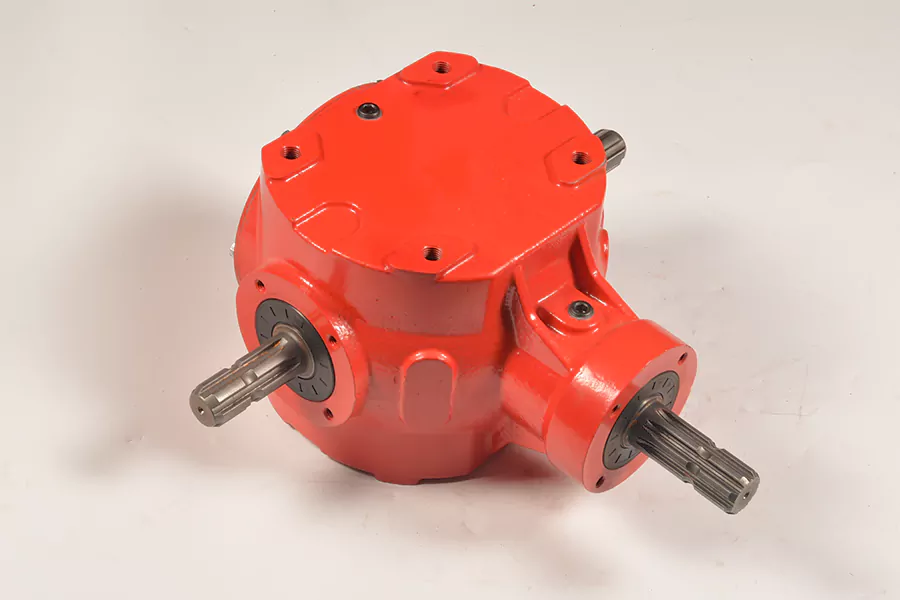
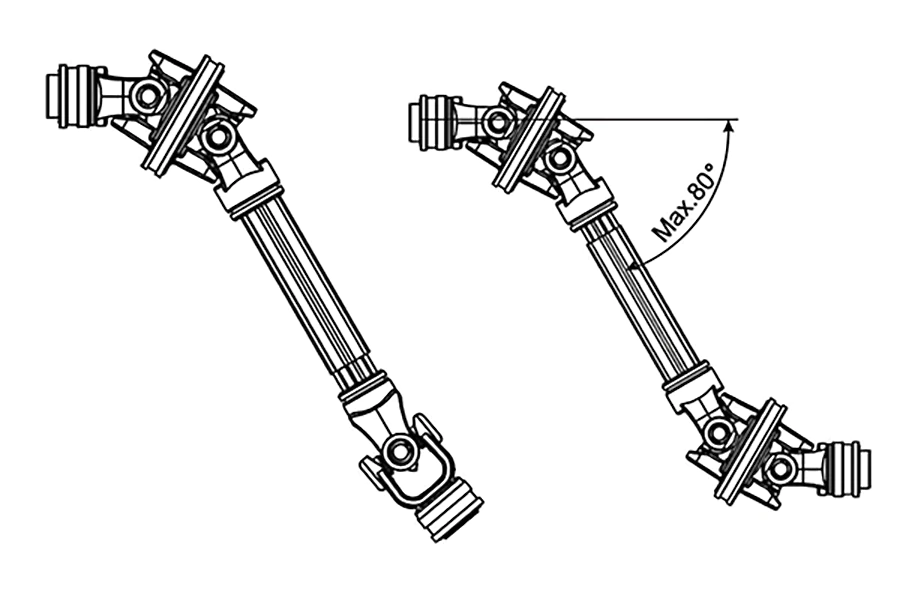
A vibration or knocking noise does not prove that the universal joint is the source. A bent PTO shaft, worn yoke, incorrect driveline angle, or problem inside the implement gearbox can produce similar symptoms.
That’s why replacing the first part that looks suspicious isn’t always the best approach.
Inspect the whole driveline.
If the U-joint has obvious play or damaged components, replacement may be necessary. If the joint looks fine, keep checking the surrounding parts instead of forcing the diagnosis.
Choosing a Replacement U-Joint
Once a universal joint is confirmed to be worn, the replacement needs to match the application.
Don’t rely on the outside appearance alone.
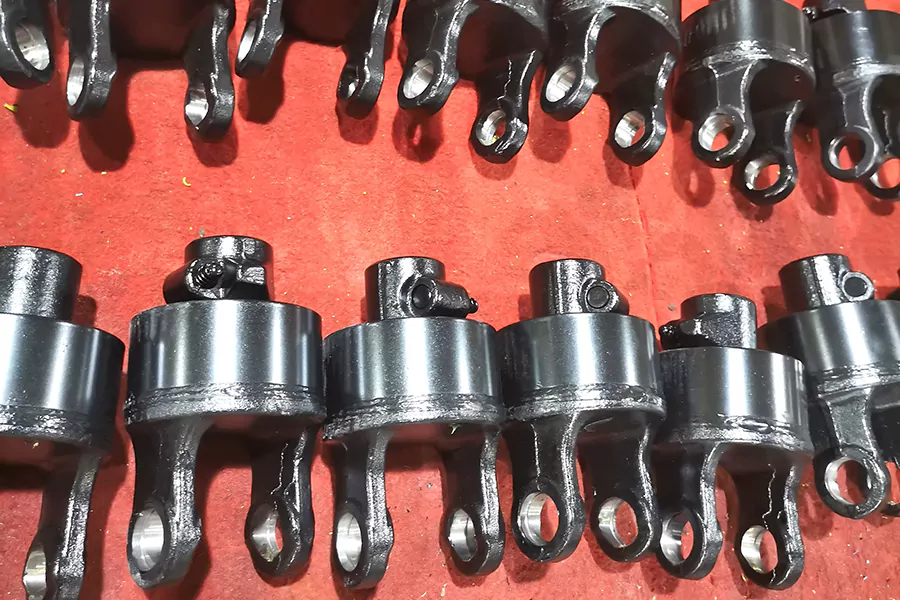
Check the cross dimensions, bearing cap size, retaining method, yoke fit, and the requirements of the PTO driveline. Agricultural equipment can use different U-joint sizes even when the parts look very similar.
It matters because the joint has to accommodate both movement and torque. The wrong replacement can give rise to new problems instead of curing old ones.
A Few Minutes Can Save a Lot of Trouble
Universal joints are not complicated parts, but they work hard.
A tractor may sit for hours powering a mower, baler, rotary cutter, tiller, rotary rake, or other PTO-driven implements.
During that time, the U-joint is keeping things running, dealing with rotation, load, changing angles, and any condition the machine encounters out in the field.
So don’t wait for the joint to fail completely.
A new knocking sound, unusual vibration, excessive play, damaged bearing cap, or lack of lubrication is enough reason to take a closer look.
Catching a worn U-joint early is a small maintenance job.
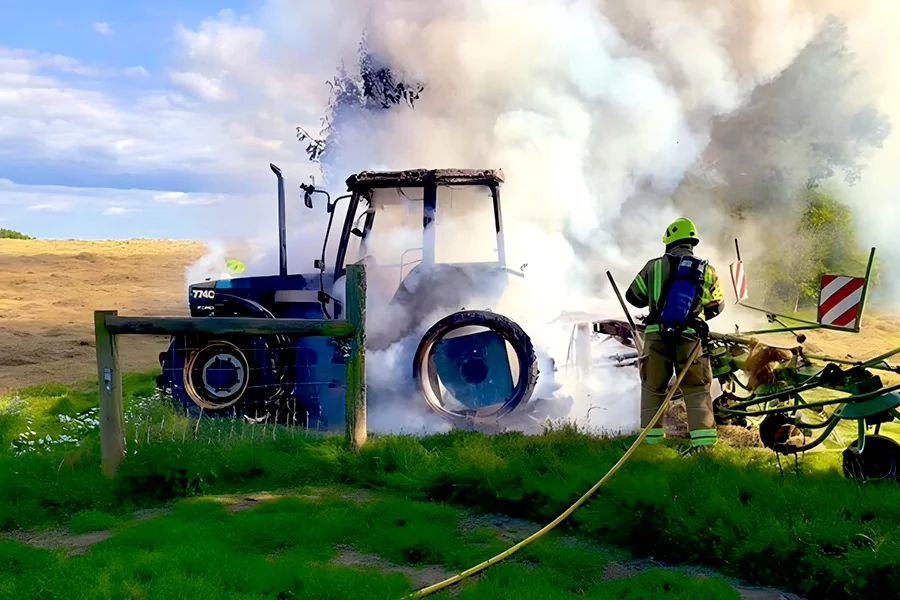
Finding one after the PTO shaft has failed in the middle of a field is a very different story.