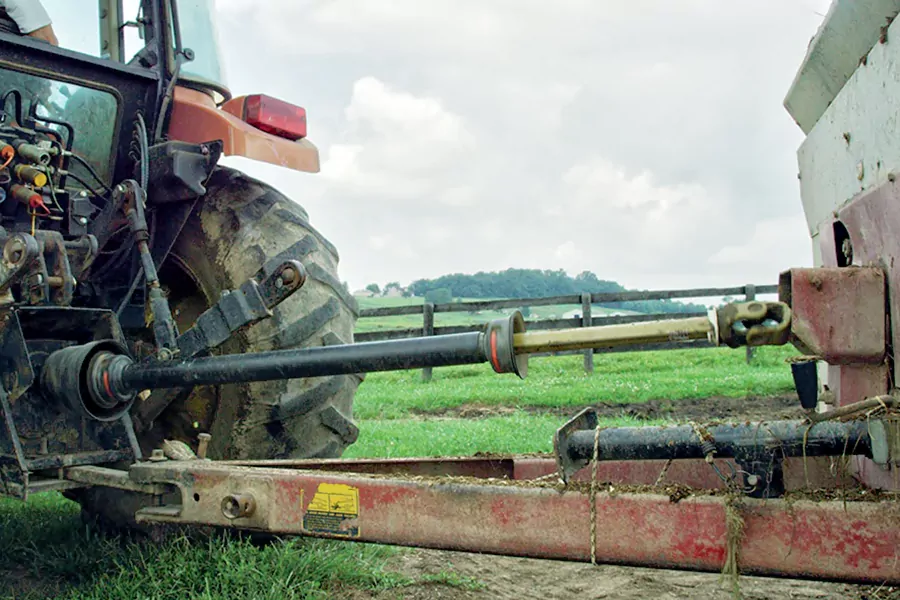
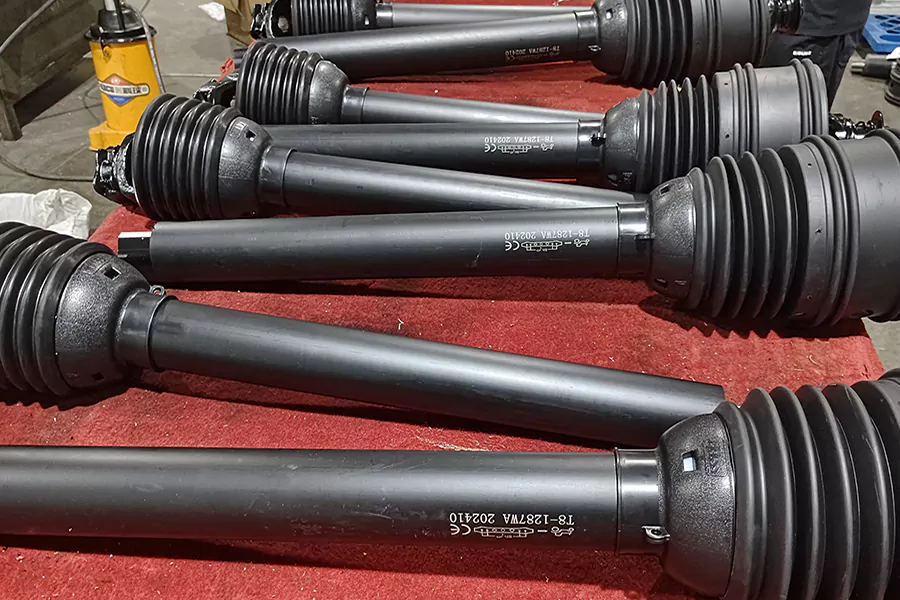
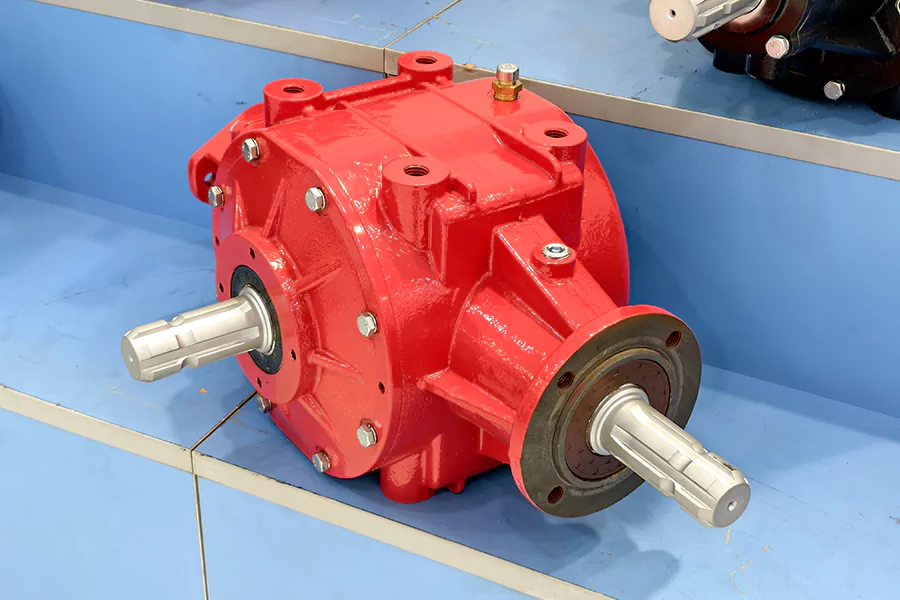
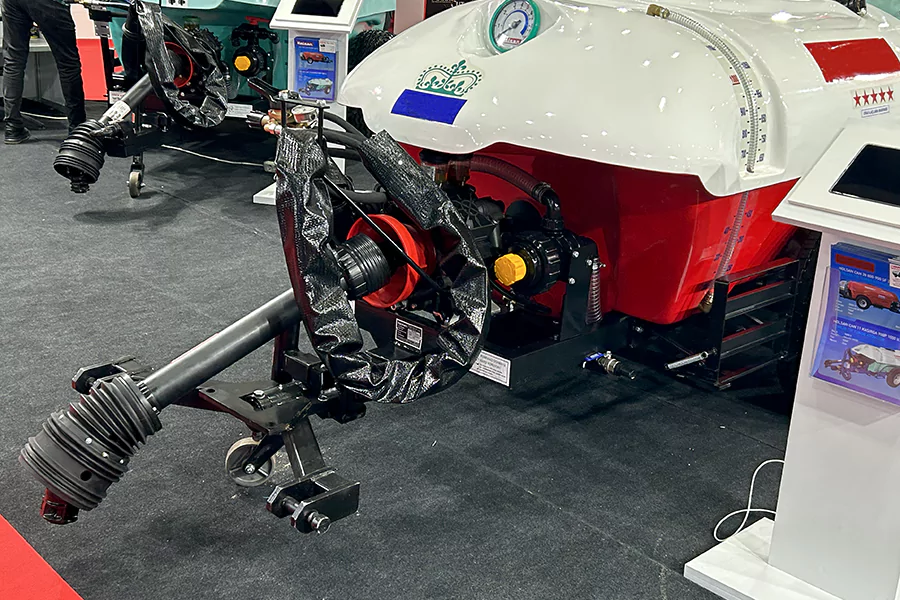
In agricultural operations, we all know that the PTO shaft is a crucial link connecting the tractor’s power source to its actual operation, whether it’s a rotary mower, tiller, or feed baler. New farm owners may find this helpful regarding PTO shaft maintenance and lubrication. This guide introduces practical maintenance methods to ensure your machinery runs reliably and for a long time.
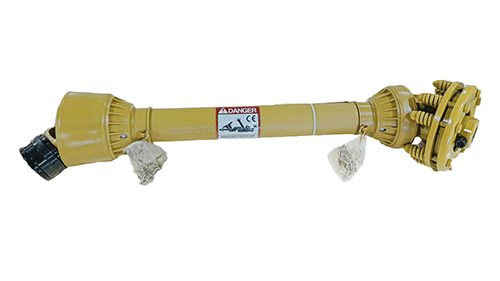
Tools & Materials You’ll Need
You don’t need a full mechanic’s shop to do this right. Grab these basics from your shed or local farm supply store:
- Hand grease gun
- Multipurpose lithium grease (NLGI-2)
- Cold-weather grease or chain lube
- Wire brush and small pin
- Wrench for stuck fittings
- Solvent
- Rags or paper towels
- Gloves, safety glasses, and shoes
Safety Precautions Before You Start
I’ve watched a buddy get too casual around a PTO shaft and nearly get hurt—so don’t rush this part. Before you touch a wrench or grease gun, do these things:
- Shut the tractor off completely: No idling, no “just for a second” exceptions. Even a slow-spinning PTO can cause serious injury.
- Disconnect the shaft: Unhook it from the implement so it can’t rotate accidentally. This is the easiest way to avoid a dangerous mistake.
- Secure farm equipment properly:Prop up or fasten mowers, tillers, and balers. This prevents them from moving during maintenance.
- Always wear protective gear: Grease can be messy and metal parts are sharp. Gloves keep your hands clean and safe.
- Inspect the work area carefully: Remove all distractions from the space. Distractions increase the risk of errors.
PTO Shaft Lubrication Steps
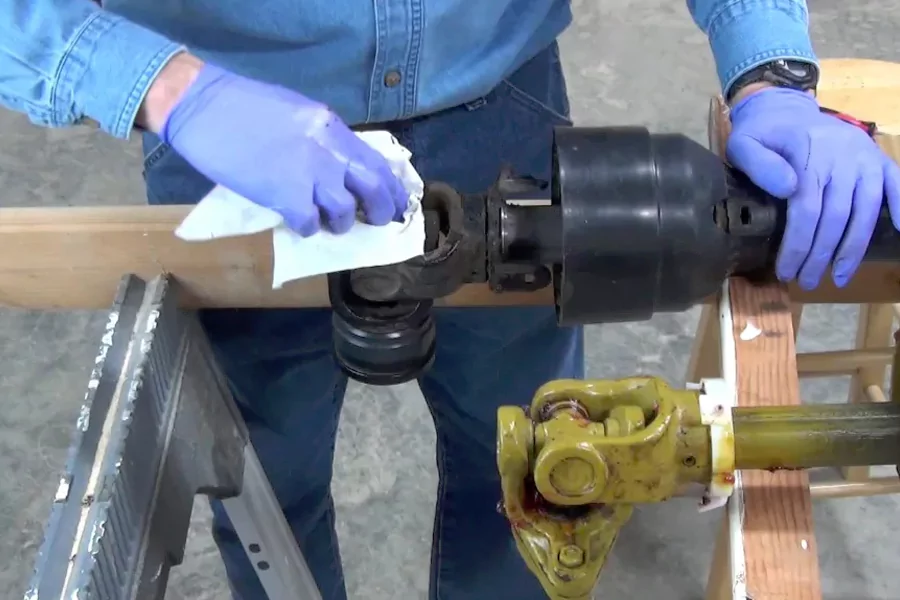
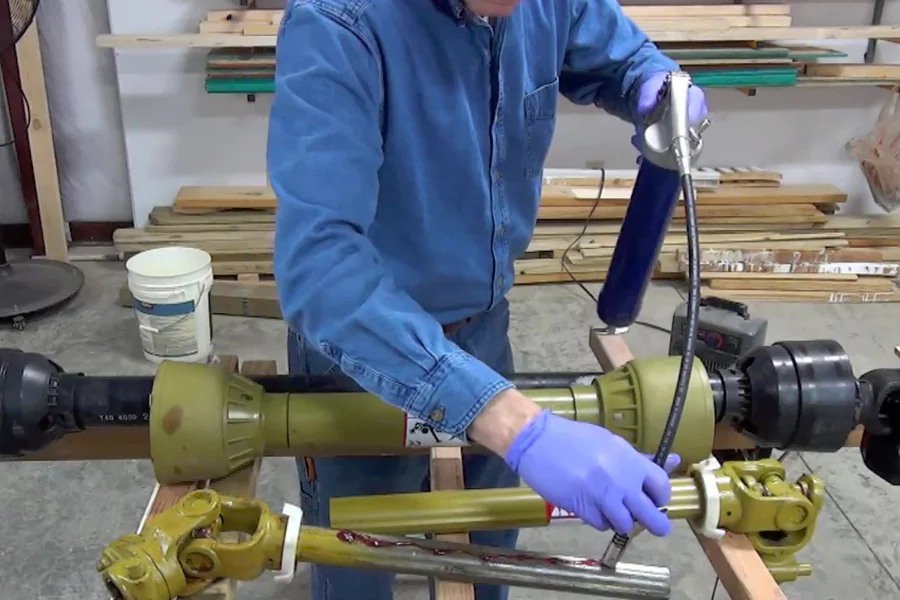
Greasing the PTO shaft takes 10 minutes tops, and I do mine every 50–100 hours of use . Here’s exactly how I do it:
- Clean the grease points first: Wipe down the grease fittings and shaft tubes with a rag or wire brush. Dirt and old grease are the enemy of smooth operation—you don’t want to force gunk into the joints.
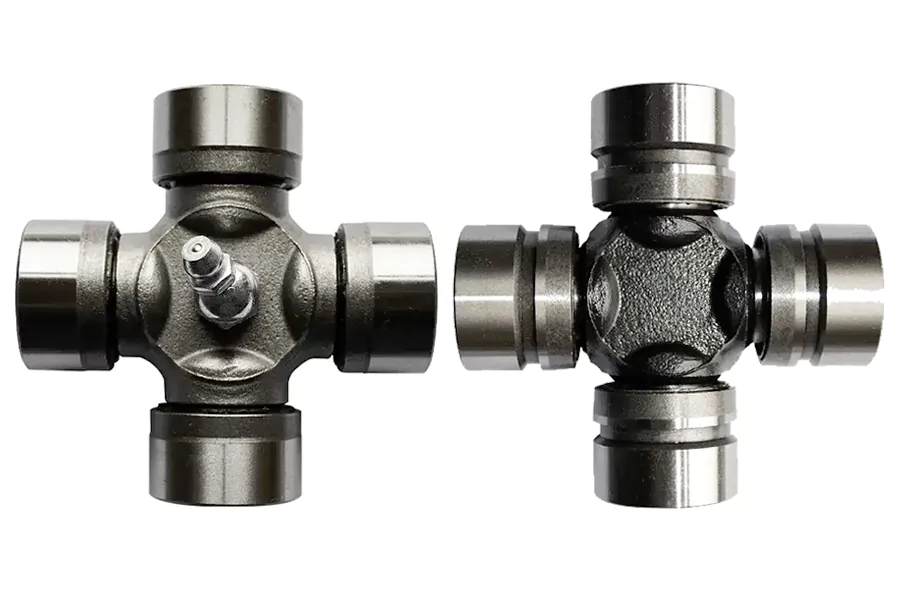
- Oil the U-joints: Clip the grease gun onto every fitting on the joints. Keep pumping until clean grease appears at the seals on each side. When that happens, the dirty grease inside has been pushed out.
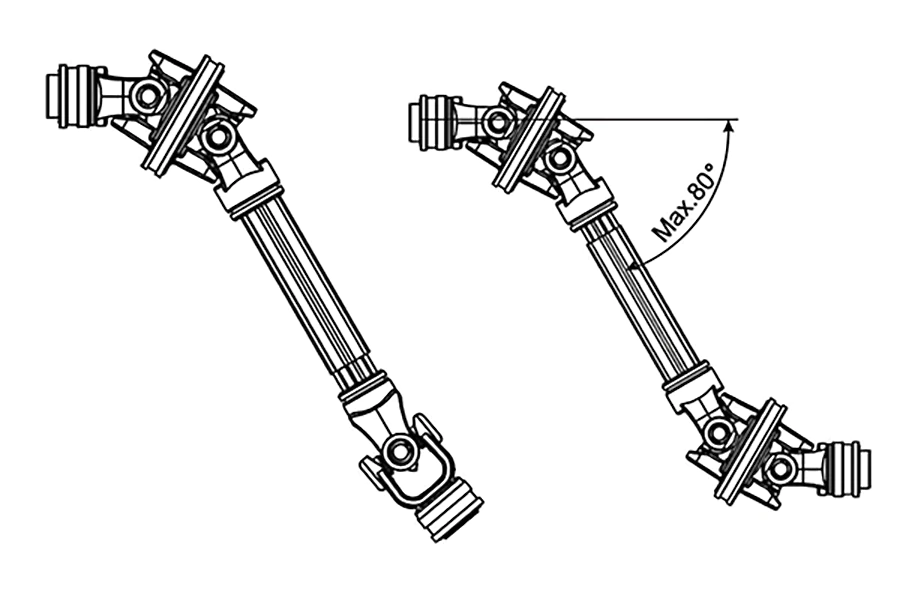
- Service the telescoping tube: Extend the sliding part fully. Apply a small amount of grease to the splined section inside. Push the parts back together slowly to spread the grease so the tube slides easily.
- Wipe and shield: Use a cloth to remove leftover grease, as excess grease collects dust. Do not forget to remove it before running the engine.
Regular Inspection & Maintenance Table
| Maintenance Task | Recommended Frequency | Key Action |
|---|---|---|
| Universal Joint Greasing | Every 50 operating hours or before each season | Grease until purge from all 4 seals |
| Telescopic Tube Lubrication | Every 100 hours or seasonally | Extend fully, grease splines, retract |
| Shield & Guard Inspection | Before every use | Check for rotation, damage, secure fasteners |
| Full Shaft Visual Inspection | Monthly during intensive use | Check for bends, cracks, loose components |
Common Problems
1.Sliding tube is stiff in cold weather
Do not use normal NLGI-2 grease. It can get hard. Use chain lube, graphite grease, or cold-weather grease so the tube moves freely.
2.Grease fittings are blocked
Clean the tip with a wire brush or pin. If it still blocks, remove the fitting with a wrench. Soak in solvent or use a new one. Push a little grease through the hose first. Clean the area before greasing so dirt does not enter.