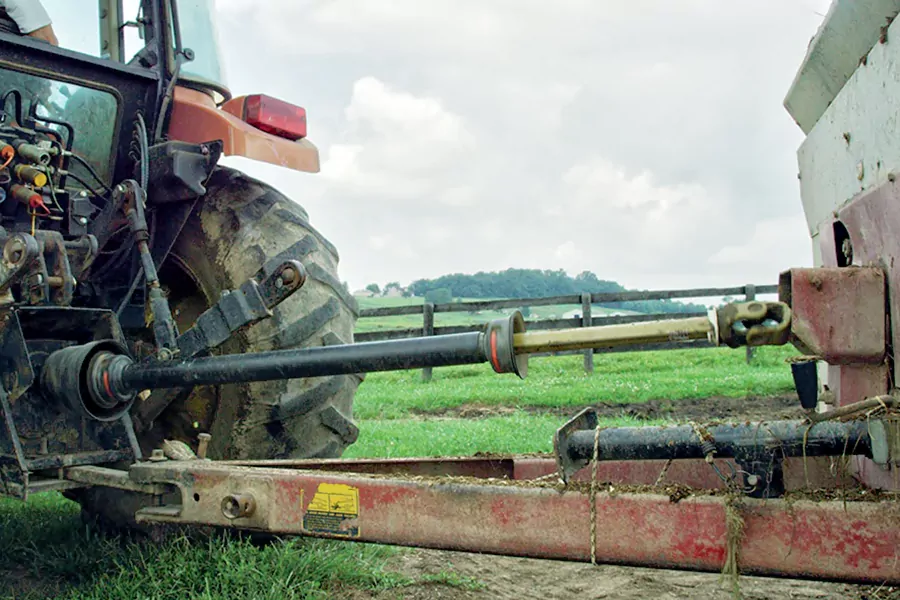
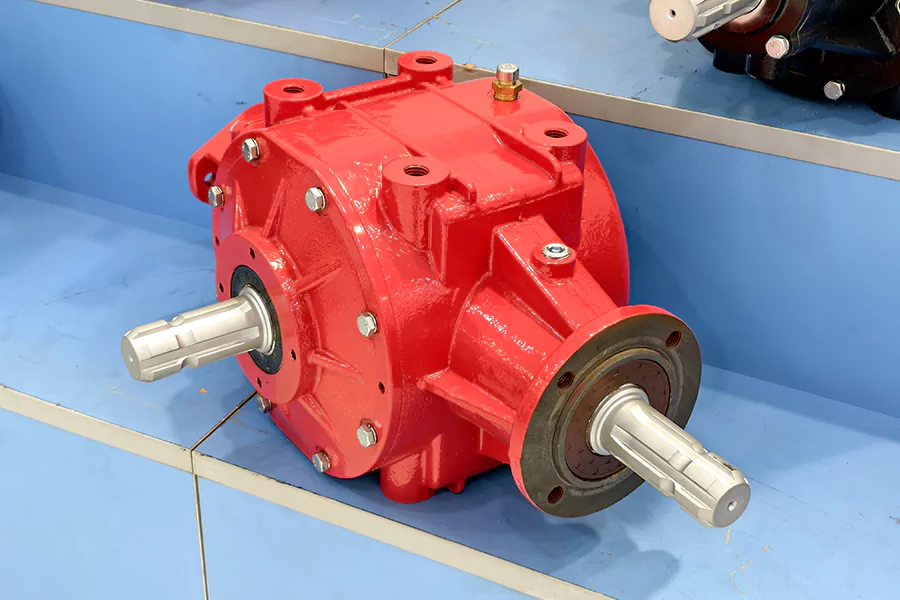
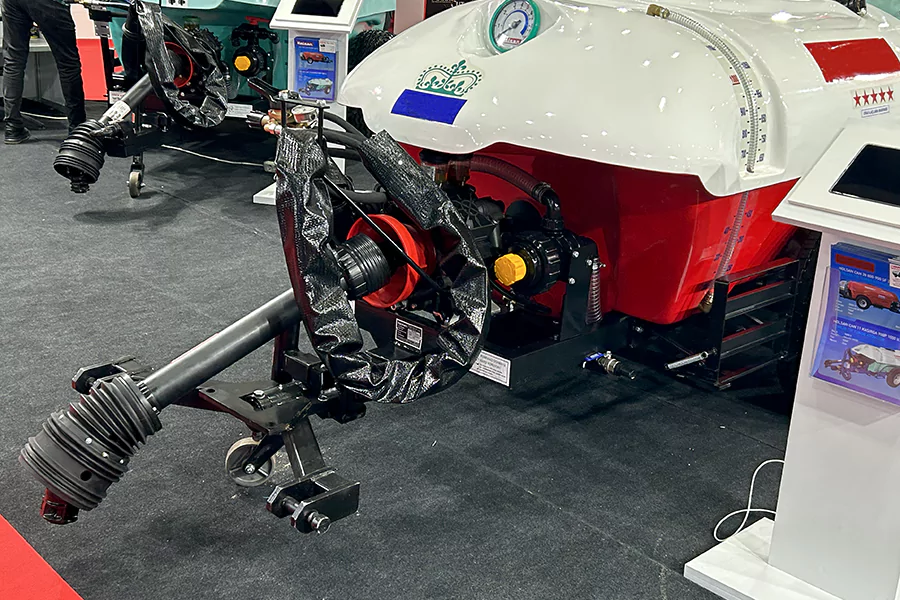
Hook up a wood chipper, a big rotary cutter, or an industrial baler and you’ll quickly learn what really does the heavy lifting: the PTO driveline. It’s the part that takes all that tractor power and turns it into real work at the implement. Picking a PTO shaft for high-torque applications isn’t a “close enough” decision—it has to be sized and built for the loads you’re actually going to put through it.
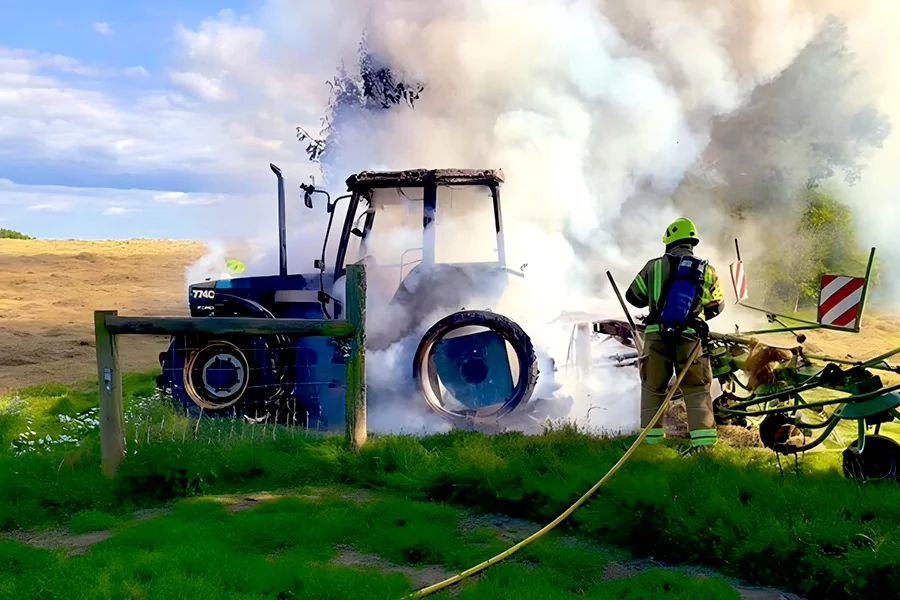
When the shaft is too light (or simply the wrong match), problems don’t stay small for long. Tubes can twist, U-joints can run hot, vibration can beat up bearings, and a failure can shut the job down in a hurry—and create a serious safety risk. In the sections below, we’ll walk through the practical checks that help you choose a driveline that holds up when the work gets tough.
Understanding PTO Power Transmission Under High Loads
Effective pto power transmission relies entirely on understanding the specific demands of your machinery. Before you purchase a replacement or upgrade, you must start by calculating PTO torque requirements for implements. This calculation involves knowing your tractor’s horsepower (HP) and the operating RPM (typically 540 or 1000 RPM). Because torque is inversely proportional to speed, a 540 RPM shaft must handle significantly more torque than a 1000 RPM shaft transferring the same horsepower.
High-demand implements require a specialized pto shaft for high-torque applications constructed to resist twisting, buckling, or shearing under sudden loads. Consulting an agricultural power take off sizing guide is highly recommended to perfectly match your tractor’s output capabilities with the implement’s operational needs.
Sizing and Standards: Finding the Perfect Fit
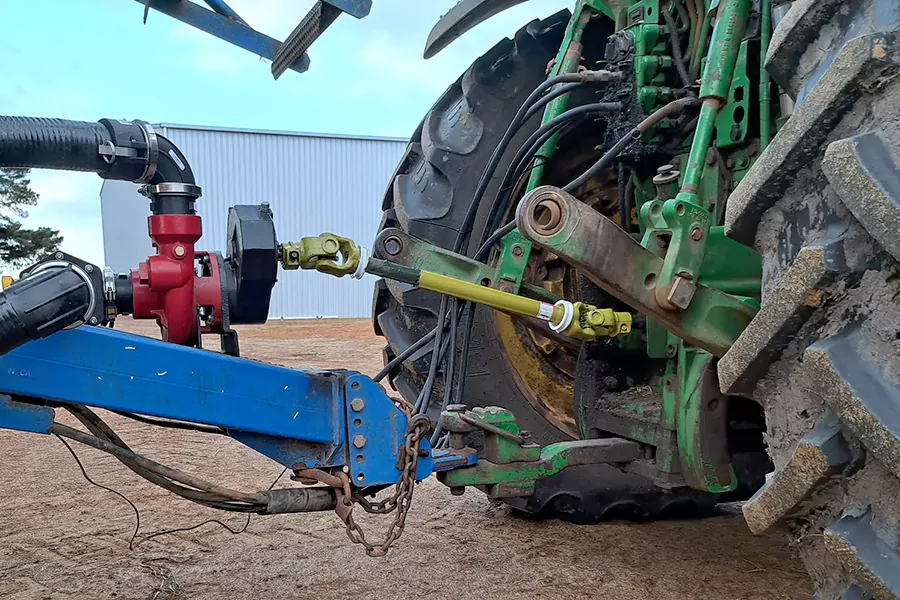
The first physical step in replacement is accurately measuring tractor PTO yoke spline diameter. Most standard tractors feature either a 1-3/8″ diameter (with 6 or 21 splines) or a heavier-duty 1-3/4″ diameter (with 20 splines). Use a set of calipers to measure the outside diameter of the tractor stub shaft to ensure an exact fit.
Once you have your measurements, you must navigate manufacturing standards. Understanding metric versus North American PTO shaft standards is vital:
North American (Domestic) Standards: Frequently utilize square, rectangular, or splined tubing profiles.
Metric (European) Standards: Commonly use bell-shaped, lemon-shaped, or star-shaped tubing.
When reviewing a heavy-duty PTO shaft series comparison, you will find drivelines categorized by series numbers (such as Series 4, 5, or 6 for domestic, or sizes 1 through 10 for metric). For example, knowing the maximum horsepower capacity for Category 5 drivelines’which typically handles around 47 HP at 540 RPM and up to 80 HP at 1000 RPM’ensures you don’t under-size your equipment for a demanding job.
Tubing Profiles and Driveline Geometry
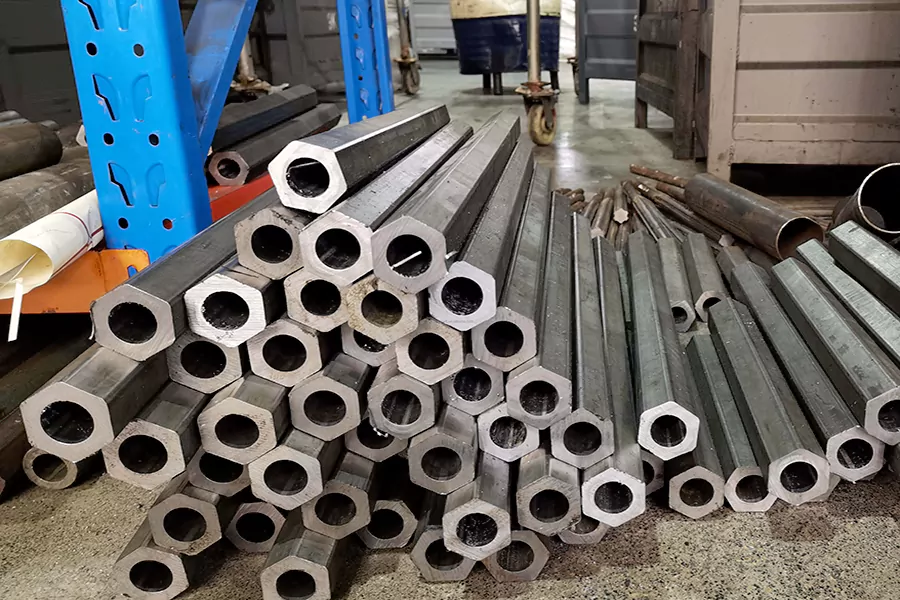
Not all telescoping tubing is created equal. When dealing with extreme rotational force, evaluating telescoping tube profiles for high-torque transfer is crucial. Heavy-wall splined or multi-lobed star profiles provide a massive amount of surface area contact compared to standard square tubing. This effectively distributes the load and prevents the shaft from twisting out of shape.
Equally critical is establishing proper overlap for telescoping PTO shafts.
Too little overlap: The tubes may bind under load or separate completely while spinning, causing a deadly hazard.
Too much overlap: The shaft can bottom out when lifting the implement, instantly destroying the PTO bearings or the tractor’s internal gearing. As a general rule, aim for at least one-third (1/3) of the total tube length in overlap during standard operation.
Furthermore, you must consider the impact of hitch geometry on driveline vibration. If the drawbar pin is not properly aligned with the tractor’s PTO centerline, the resulting uneven working angles will cause severe driveline chatter, mechanical stress, and accelerated wear.
Protecting Your Equipment: Clutches and Shear Bolts
Sudden obstructions’like hitting a hidden stump with a brush hog’will obliterate a driveline if it lacks an emergency release. This is where you must weigh the pros and cons of slip clutch versus shear bolt driveline protection.
Shear Bolts: These are designed to cleanly snap in half when overloaded, immediately stopping power transfer. They are inexpensive but require manual replacement after every break. They are best suited for jobs where jamming is rare.
Slip Clutches: Ideal for high-torque applications where jams are frequent. Slip clutches feature friction discs that allow brief slippage during a torque spike, keeping the machine moving without the need to replace broken parts.
Additionally, operators should understand overrunning clutch vs friction clutch performance. While a friction clutch protects against sudden torque spikes from the implement, an overrunning clutch (a freewheeling mechanism) prevents the heavy rotational inertia of an implement from back-driving the tractor when you disengage the PTO or push the clutch pedal.
Enhancing Flexibility with Constant Velocity Joints
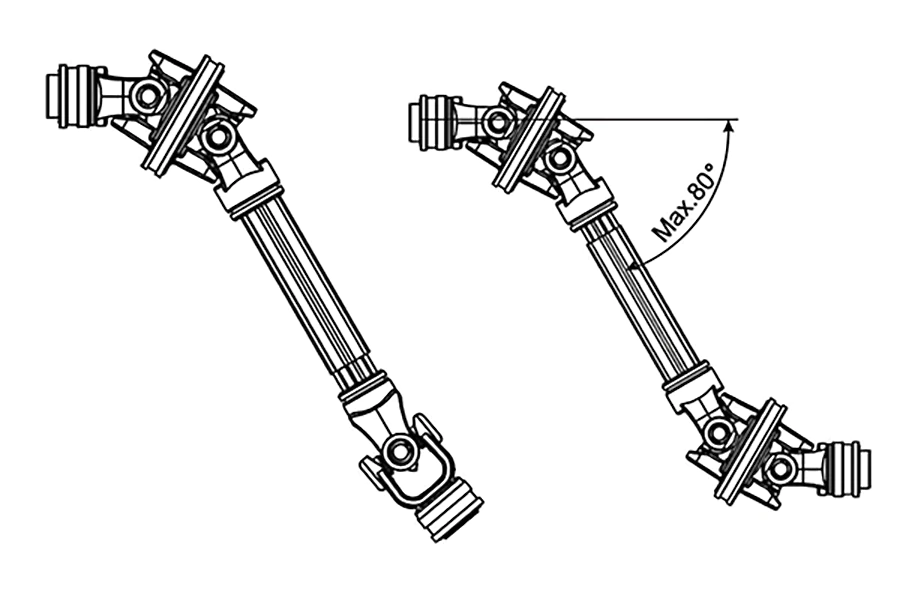
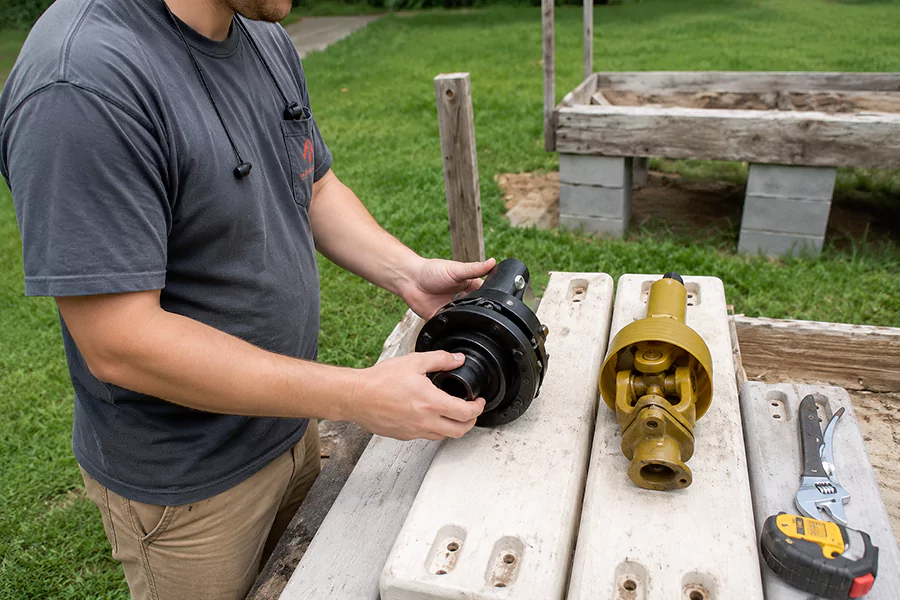
Standard universal joints (U-joints) suffer significantly when forced to operate at severe angles. For complex equipment like large trailed balers or heavy rotary mowers that require tight turns, you should strongly consider the benefits of constant velocity joints in high-load applications.
Constant Velocity (CV) joints consist of a double U-joint setup that smoothly transfers power even at extreme turning angles (sometimes up to 80 degrees). This eliminates the damaging vibration and chatter associated with standard joints, dramatically boosting overall pto performance and allowing you to maneuver easily without disengaging the power.
Maintenance and Preventing Premature Failure
Even the highest quality driveline will break down if neglected. Common causes of premature PTO shaft failure include a lack of proper lubrication, operating at angles exceeding the joint’s capacity, and tube binding.
Operators must remain vigilant in spotting early signs of universal joint wear under heavy loads. Keep an eye out for:
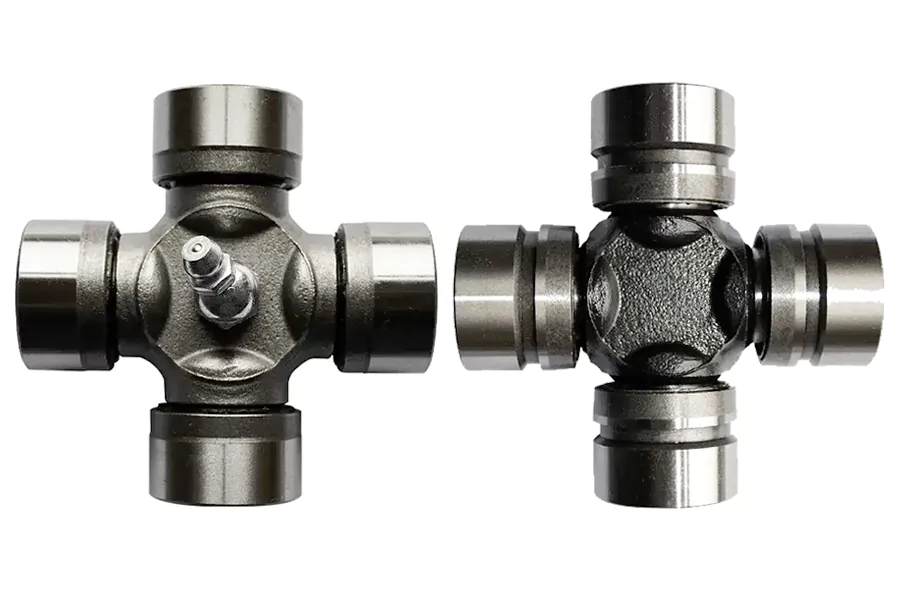
Red rust dust accumulating around the U-joint cross and bearing caps.
Excessive play or looseness when twisting the joint by hand.
A noticeable clunking, rattling, or vibrating sensation when engaging the PTO.
To maximize the lifespan of your equipment, rigorously follow a maintenance schedule for industrial PTO drivelines:
Every 8 hours (Daily): Pump grease into the standard U-joint crosses and apply grease to the sliding telescoping tubes.
Every 40-50 hours: Inspect and thoroughly grease CV joint assemblies, ensuring the centering mechanism is fully lubricated.
Pre-Season (Annually): Inspect the friction discs in your slip clutches. They often rust together during the off-season and must be loosened, slipped manually, and re-tightened to the correct factory spring tension.