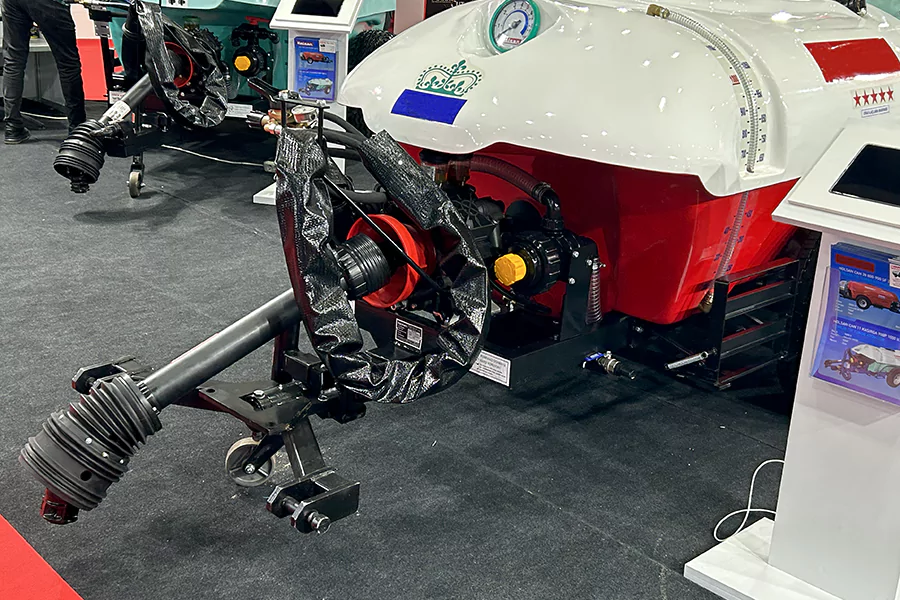
Your gearbox battles dust, mud, and heavy loads daily—but a few smart moves can save it from an early grave.
Oil baths shield low-speed gears, while high-pressure sprays cool high-speed monsters like combine harvesters. Yet, contaminated oil secretly grinds components into dust. Here’s the fix: Swap manual greasing for auto-lubricators (cut downtime by 60%), test oil with a simple finger rub, and flush sludge seasonally. Best part? Reduce grease waste by 90%, slash CO₂ emissions, and add 5+ years to your gearbox’s life—all before lunch break.
Stop burning cash on repairs. Start lubricating smarter today.
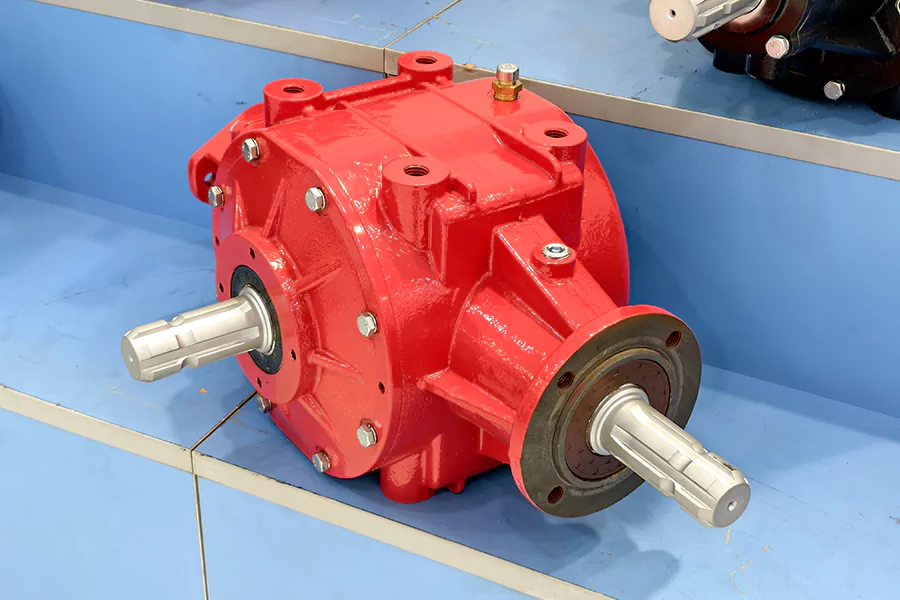
Lubrication Methods for Optimal Performance
- Oil Bath (Immersion) Lubrication: Ideal for low-speed gearboxes (peripheral speed ≤15 m/s). Submerge gears 1–2 times the tooth height in oil. Adjust depth based on speed: reduce to 0.7× tooth height for high speeds (but ≥10 mm) or increase to 1/6–1/3 radius for low speeds (0.5–0.8 m/s). For multi-stage gearboxes, balance oil immersion across gears by adjusting transmission ratios, using split oil pans, or tilting the housing design to ensure uniform coverage.
- Forced Oil Spray Lubrication: Essential for high-speed applications (peripheral speed >16 m/s). Spray oil (0.5–1.0 MPa pressure) at the gear meshing zone. For spur gears (≤20 m/s) or helical gears (≤50 m/s), target the inlet side of the mesh. At higher speeds, direct oil to the outlet side to cool and lubricate effectively.
Challenges in Agricultural Gearbox Lubrication
- Harsh Operating Conditions: Exposure to dust, mud, and moisture accelerates oil contamination and oxidation. Use oils with superior anti-wear, anti-foaming, and oxidation resistance to handle variable loads and vibrations.
- Oil Degradation: Contaminated or degraded oil increases friction, causing premature wear. Regularly check for impurities by observing oil clarity in transparent containers. Dilute viscous oils with diesel to detect suspended particles.
Maintenance Best Practices
- Oil Cleaning and Replacement: Flush gearboxes periodically using specialized cleaning equipment to remove sludge and metal debris. Avoid additives; rely on filtered old oil for safe flushing. Ensure drainage ports are accessible to eliminate residue buildup.
- Lubricant Quality Checks: Firstly, viscosity test. Compare used oil with fresh oil in sealed tubes. Significant thinning indicates degradation. Secondly lubricity test. Rub oil between fingers. A smooth, sticky texture confirms good lubricity; a gritty feel signals replacement is needed.
- Filter and Component Care: Replace air and oil filters before peak seasons (e.g., spring planting). Use OEM filters to prevent bypassing and ensure proper filtration. Inspect seals and cooling systems to avoid leaks and overheating.
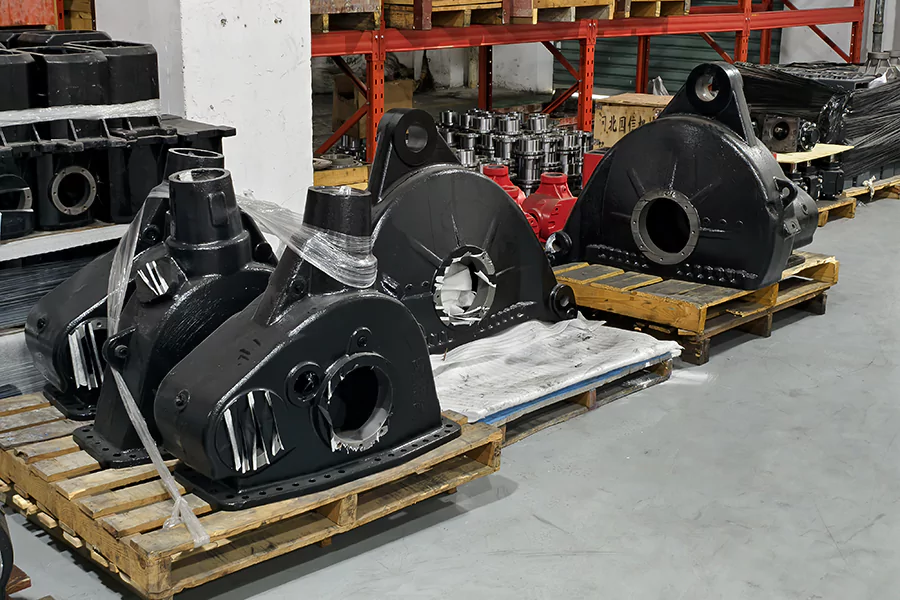
Common Errors and Solutions
- Over- or Under-Lubrication: Over-greasing increases resistance and heat, while under-lubrication leads to metal-to-metal contact. Follow manufacturer guidelines for oil grades and quantities. For example: For diesel engines, match oil viscosity to ambient temperatures (select grades 6–10°C below the lowest operating temperature).
- Ignoring Manual Lubrication Gaps: Manual greasing of hard-to-reach points is error-prone. Retrofit with centralized auto-lubrication systems to cover all lubrication points efficiently.
Sustainability and Cost Efficiency
- Waste Reduction: Auto-lubrication systems reduce grease waste by up to 90%, cutting CO₂ emissions by ~300,000 tons annually.
- Longevity and Safety: Proper lubrication extends gearbox life by 30–50% and minimizes field accidents caused by manual greasing in hazardous areas.