In agricultural machinery, supplier choice affects daily operations more than many buyers expect. This is especially true for PTO parts. A late delivery can stop assembly. A large MOQ can lock up cash. Poor quality can lead to failures during the working season.
When choosing a PTO supplier, price alone is not enough. What matters is whether the supplier delivers on time, keeps lead times stable, and can adjust order quantities when demand changes. Quality must also be proven in real working conditions, not only on paper.
This article looks at three practical points buyers use in real sourcing work: lead time, minimum order quantity, and quality control.
Supplier Quality Management (SQM): The Foundation of Reliable Sourcing
Supplier Quality Management (SQM) refers to the structured methods used to qualify, monitor, and improve supplier performance over time. In the PTO and power transmission industry, effective SQM combines:
- Defined quality standards
- Measurable delivery and defect metrics
- Regular audits and performance reviews
- Sample-based validation before mass production
1. Lead Time Evaluation: Speed Is Not Enough—Consistency Matters
Measure actual performance, not just quoted lead time
Quoted lead times often represent best-case scenarios. Buyers should instead track actual order cycle time, measured from purchase order confirmation to final delivery. Monitoring this data across multiple orders provides a realistic picture of supplier reliability.
Key indicators include:
- Average order cycle time
- Lead time variability over time
- On-time delivery (OTD) rate
A PTO supplier with stable, predictable delivery performance is usually more valuable than one offering aggressive lead times with high variability.
Break lead time into controllable stages
To identify risks and bottlenecks, lead time should be analyzed by stage:
- Order processing and technical confirmation
- Manufacturing and machining
- Quality inspection and packing
- Logistics and international transit
This breakdown helps buyers understand whether delays stem from internal production constraints, quality issues, or logistics limitations.
Emergency responsiveness and flexibility
Agricultural equipment downtime is costly, especially during peak seasons. A capable PTO supplier should clearly define:
- Whether expedited production is available
- Typical reduced lead times
- Additional costs and quality safeguards during rush orders
Suppliers unable to support emergency demand may not be suitable for critical components.
2. MOQ (Minimum Order Quantity): Balancing Risk and Scale
Why MOQ matters in PTO sourcing
MOQ directly influences working capital, inventory turnover, and risk exposure—particularly when:
- Validating a new supplier
- Introducing a new PTO model
- Serving diverse customer requirements
Excessively high MOQs can lock up capital and increase storage costs, while overly low MOQs may signal limited production discipline.
Evaluating MOQ flexibility
Key questions to ask:
- Can the supplier support pilot or trial orders?
- Is the MOQ scalable as demand grows?
- Are there tiered MOQs linked to pricing or forecasts?
An experienced PTO supplier should be open to MOQ discussions based on demand planning and long-term cooperation potential.
Total cost of ownership perspective
MOQ decisions should not be based solely on unit price. Buyers should assess:
- Inventory holding and warehousing costs
- Cash flow impact
- Risk of obsolescence
In some cases, slightly higher unit prices with lower MOQs result in a lower overall cost of ownership.
3. Quality Assurance: Beyond Certificates
Quality systems and certifications
A reliable PTO supplier should operate under a recognized quality management system, such as ISO 9001. Buyers should verify:
- Certification validity and scope
- Documented production and inspection processes
- Material traceability and batch control
Certification alone is not sufficient, but it establishes a baseline for process discipline.
Defect rates and inspection controls
Quality performance should be evaluated using historical data, including:
- Defect and return rates
- Incoming material inspection procedures
- In-process quality checkpoints
- Final inspection and functional testing
Consistent documentation and traceability are indicators of a mature quality system.
Sample testing under real operating conditions
Before committing to long-term supply, buyers should require:
- Functional samples
- Testing under real torque, speed, and load conditions
- Verification of alignment, balance, and durability
Sample approval should be formalized and used as the quality benchmark for future production.
4. Supplier Performance Metrics and Audits
Using supplier scorecards
A supplier scorecard enables objective comparison between vendors. Typical evaluation categories include:
Quality performance
Lead time reliability
Cost competitiveness
Communication and responsiveness
Weighting these factors ensures sourcing decisions are driven by data rather than price alone.
On-site audits: when and why
On-site audits provide insight into:
- Production capacity and equipment
- Process flow and quality control points
- Workforce skills and training
- Safety and operational discipline
Audits are especially important before placing large or customized PTO orders.
Financial and operational stability
Supplier financial stability is often overlooked. A financially unstable supplier increases the risk of:
- Sudden production shutdowns
- Tooling abandonment
- Delivery failures during peak demand
Basic financial checks and customer references help mitigate this risk.
A Practical PTO Supplier Evaluation Checklist
- Review at least 6 months of actual delivery and lead time data
- Conduct functional sample testing under defined conditions
- Verify quality systems and inspection protocols
- Negotiate MOQs aligned with demand forecasts
- Implement scorecards and schedule periodic audits
Contractual Safeguards to Protect Buyers
Well-structured contracts should include:
- Defined delivery and quality KPIs
- Clear expedited order procedures
- Sample approval and warranty terms
- MOQ adjustment or ramp-up clauses
- Audit rights and corrective action timelines
These clauses transform expectations into enforceable standards.
Why This Evaluation Process Matters
Selecting a PTO supplier based solely on price exposes buyers to operational risk. Inconsistent lead times disrupt production schedules, rigid MOQs strain cash flow, and weak quality systems increase failure rates—often at the most critical points of the working season.
A practical evaluation approach that considers lead time reliability, MOQ flexibility, and quality assurance helps buyers build more resilient supply chains and avoid these risks. This is especially important in the agricultural power transmission sector, where components are expected to work under load, in harsh conditions, and within narrow seasonal windows.
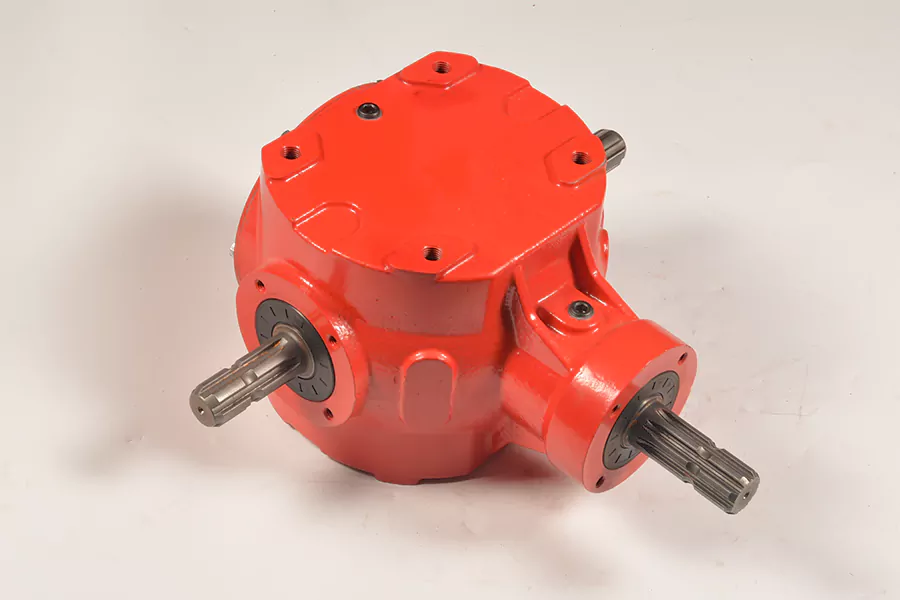
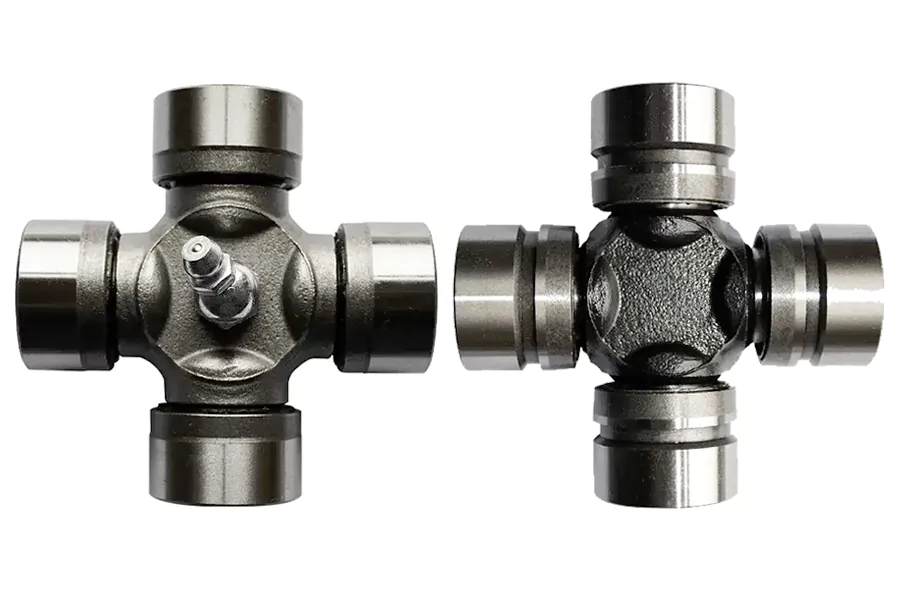
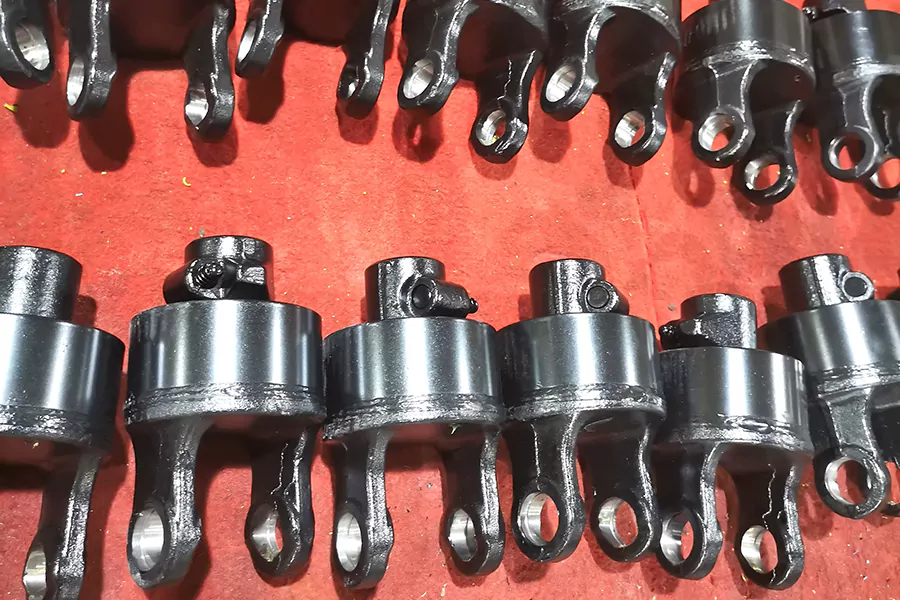
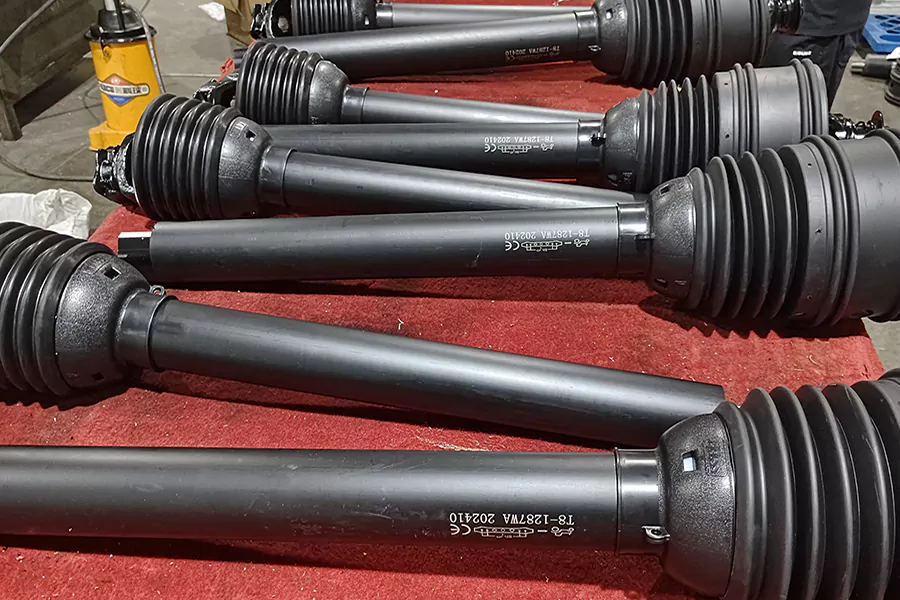
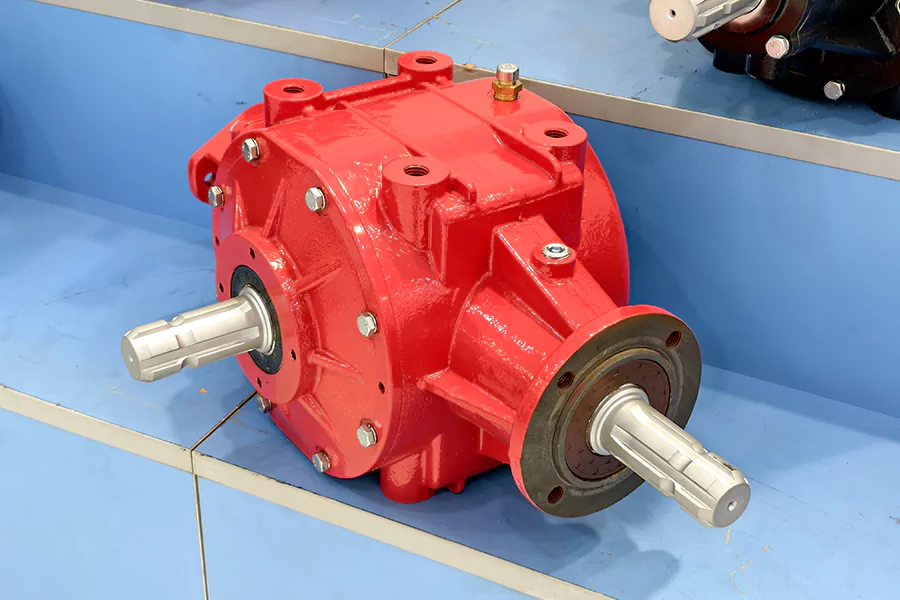
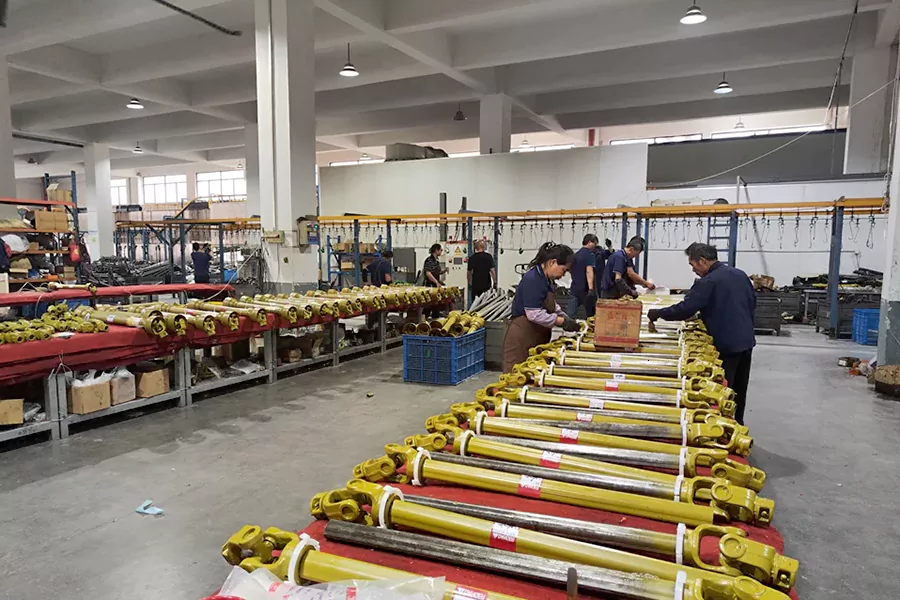
In real manufacturing practice, this means working with suppliers who can offer clear delivery schedules, stable production capacity, and quality control processes that can be verified rather than promised. For example, BAIQUAN produces PTO shafts, agricultural gearboxes, and related power transmission parts for farm machinery, serving equipment manufacturers, distributors, and repair service providers. In daily operations, the focus is placed on predictable lead times, routine inspection of each production batch, and sample testing under normal working loads. Order quantities and delivery schedules are confirmed before production starts, reducing uncertainty for downstream planning.
For buyers evaluating long-term cooperation with a PTO supplier, the goal is not complexity or marketing language. It is consistency. Reasonable MOQs, reliable supply, and parts that perform as expected in real agricultural conditions remain the standards that matter most.