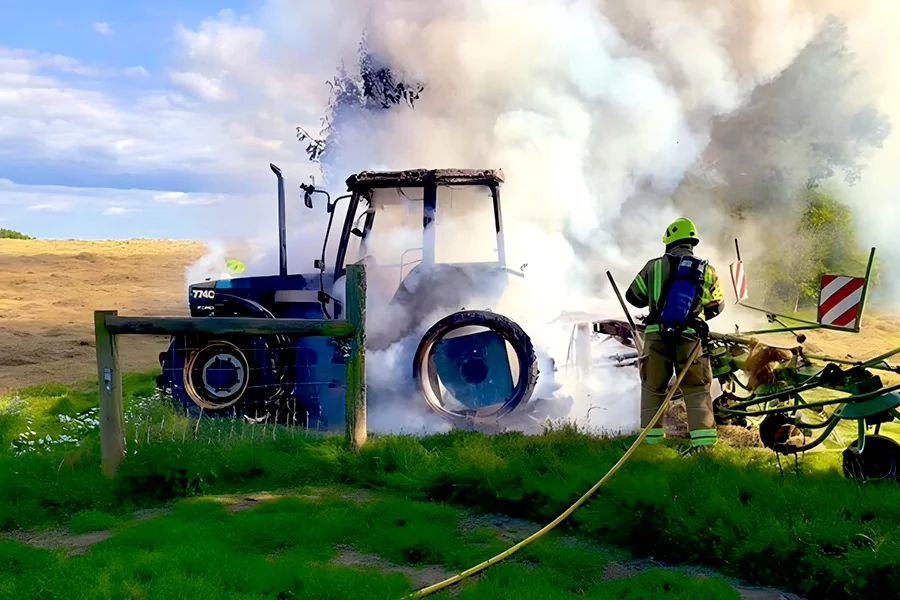
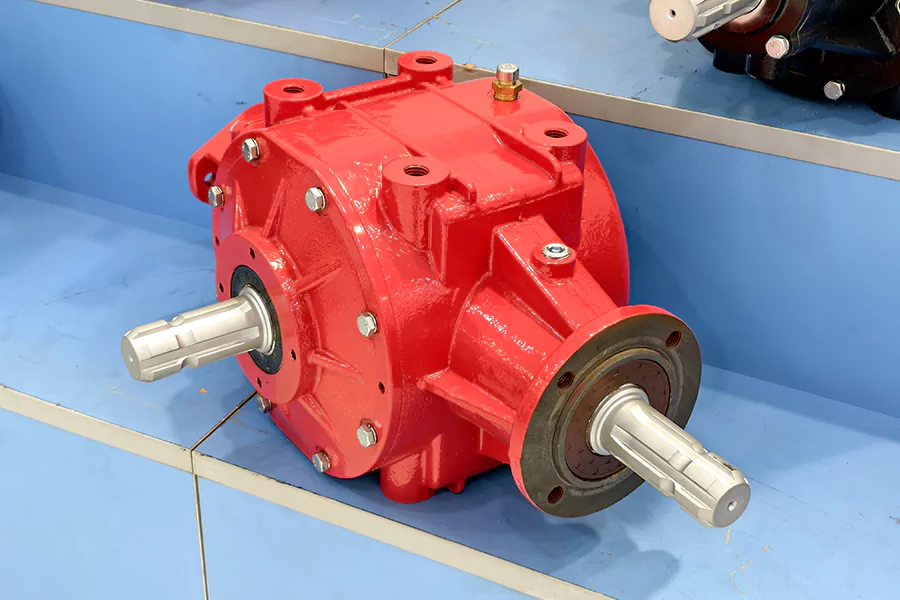
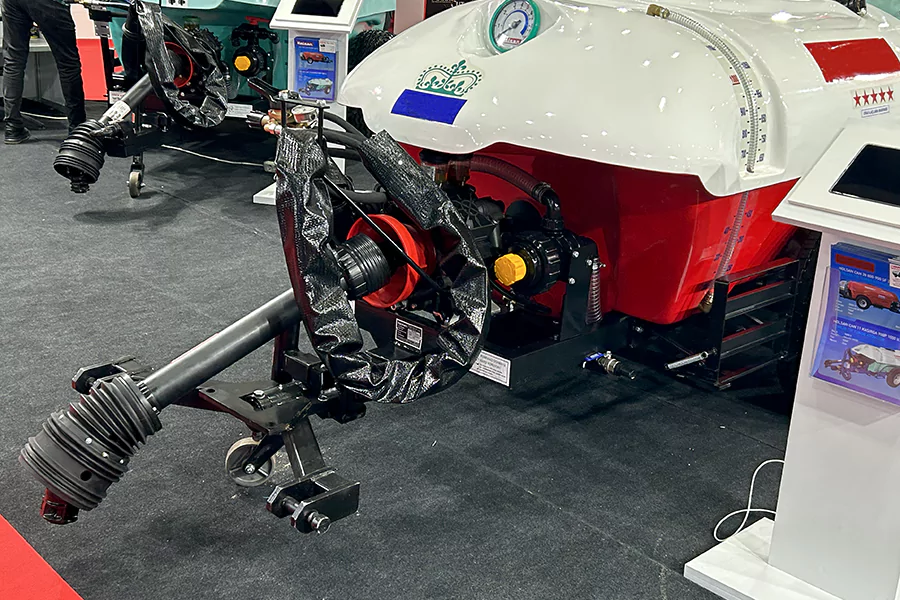
A PTO shaft lets go in the middle of harvest. Now what: OEM, or a replacement from someone else?
Price is the easy part of that decision, and usually the least important.
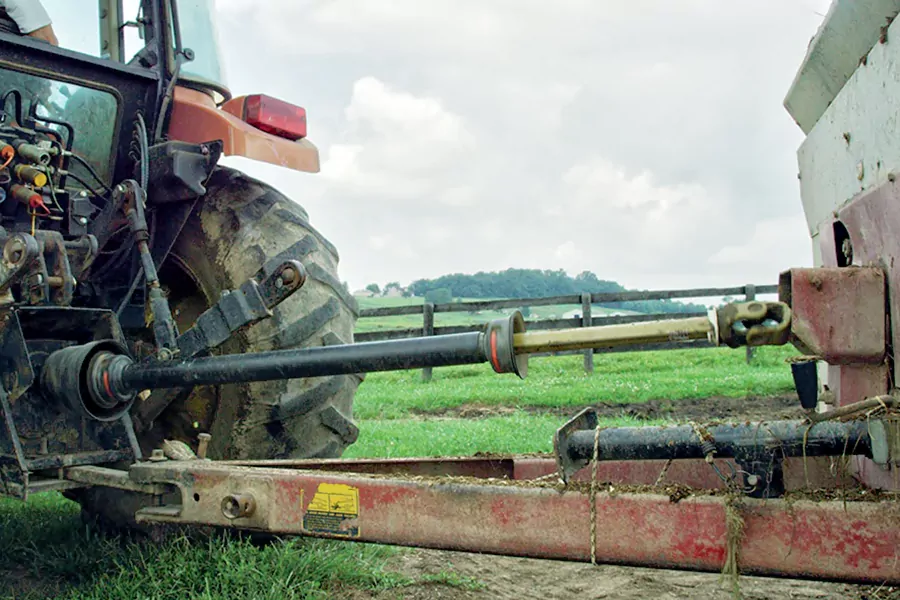
On agricultural machinery the PTO is the power link between tractor and implement, so a replacement PTO part has to line up on more than a couple of dimensions. Shaft size and profile, connection type, torque rating, operating speed, guarding, and what the implement actually does with the power. Miss any one of those and the part is wrong, no matter whose name is on the box.
So compare OEM and replacement PTO parts on cost, risk, and performance. Purchase price is one line in that calculation.
OEM PTO Parts: The Familiar Route
OEM parts are built for one equipment brand or machine application. The upside is simple, because compatibility is easier to confirm.
Replacing a complete PTO shaft or a driveline component on a machine with a proprietary design? OEM takes the guesswork out of dimensions, connections, and intended use. That is worth real money when downtime costs more than the part.
The trade-off is price, and OEM pricing climbs steeply on older machines. For distributors, dealers, and repair shops carrying several brands, an OEM-only policy also means several supply channels and no leverage on any of them.
Which is where a properly built replacement PTO part earns its place.
Replacement PTO Parts: Where the Word Covers a Lot of Ground
“Replacement” does not tell you much. Two PTO shafts with the same catalogue number can come out of two very different factories.
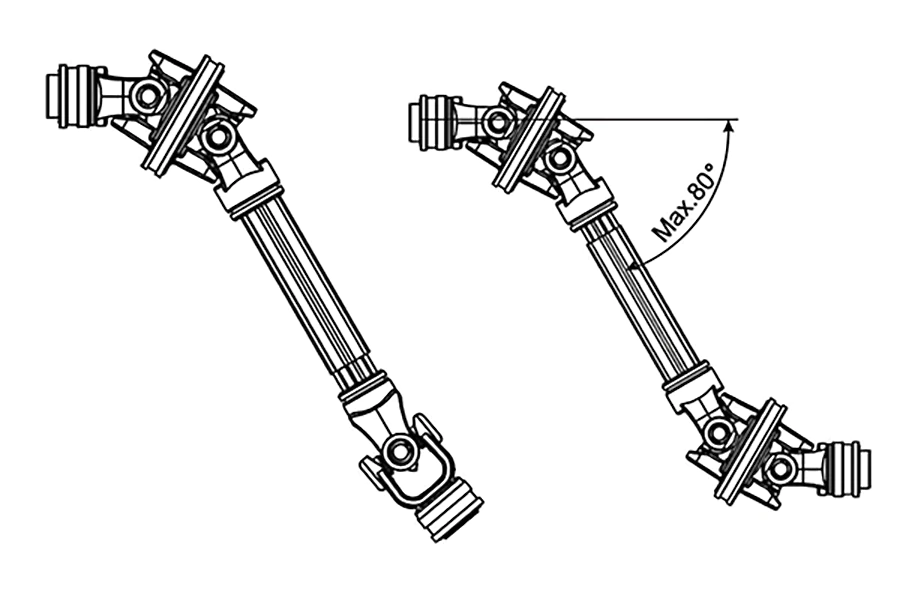
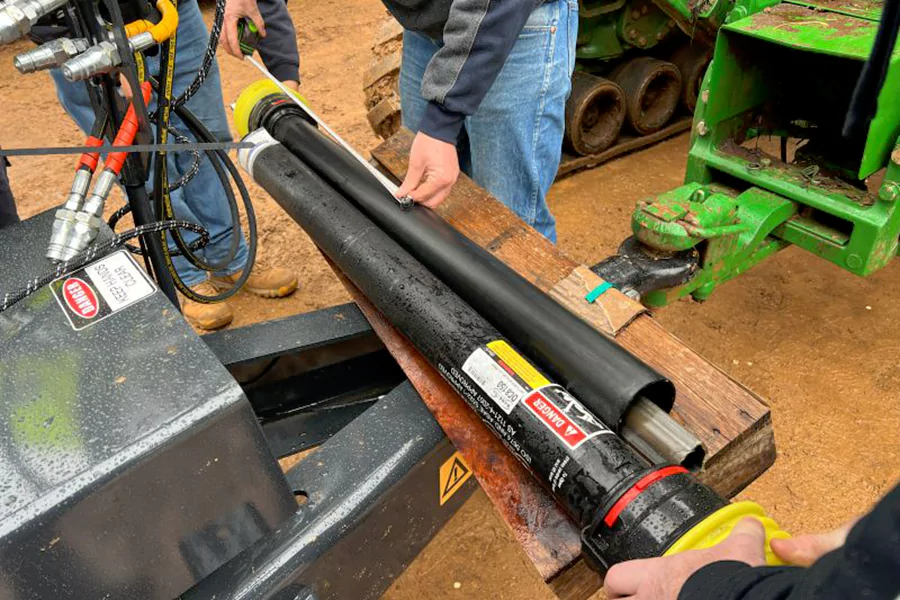
Judge a replacement part against the job, not the price tag. Dimensions and profile, connection method, operating speed, torque capacity. Then the telescoping section: does it have enough travel through the full working range, or does it bottom out on the first turn?
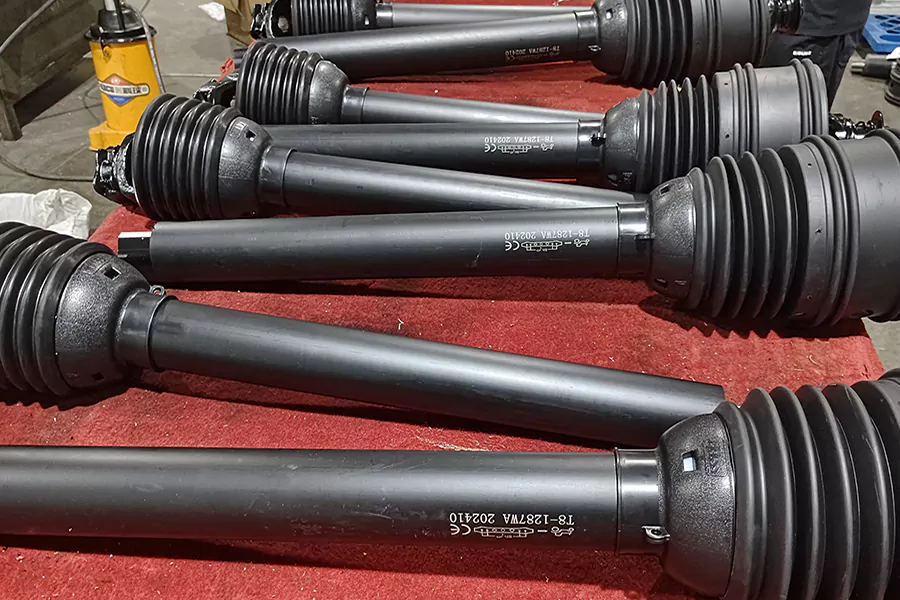
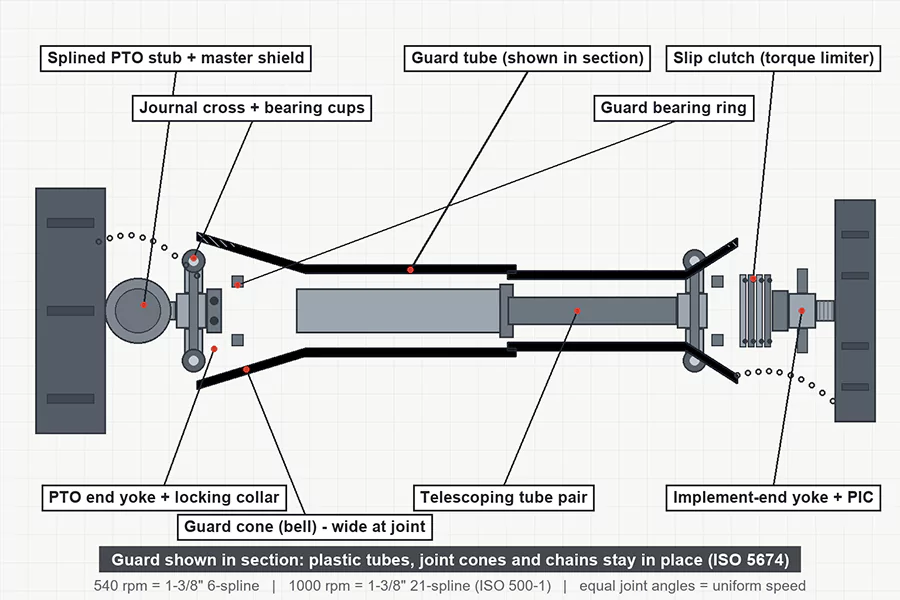
Guarding is not optional. OSHA 1928.57 requires the tractor PTO master shield and the implement driveline guard to stay in place, and the driveline has to be the one specified for that machine. A new shaft with the wrong guard, or no guard, is a liability sitting in the yard.
Fit alone will not keep you out of trouble.
Cost Is More Than the Purchase Price
A cheaper PTO part is a good buy when the specs match the application and the quality holds from batch to batch. The specs are on you. The consistency is on the supplier.
The math flips when a low-grade component fails early. Now you pay for the part twice, plus labour to pull it, freight on the replacement, machine downtime, and an end customer who remembers. For B2B buyers the component is the cheapest item on that list.
So the buyers who do this for a living look at total cost of ownership rather than unit price. Anyone sourcing ag PTO parts by the container should weigh consistency just as heavily. Same dimensions on order five as on order one. Same lead time. Same answer when something goes wrong. That is what makes a replacement part manageable inside a long-term supply program, and it is usually what separates two suppliers quoting the same price.
Performance Depends on the Application
There is no universal best PTO shaft.
A shaft running a rotary mower sees a different load profile from one on a round baler or a rotary tiller. Speed varies too. 540 and 1000 rpm are the two common PTO configurations, and the shaft, yokes, and joints have to be rated for whichever one you run.
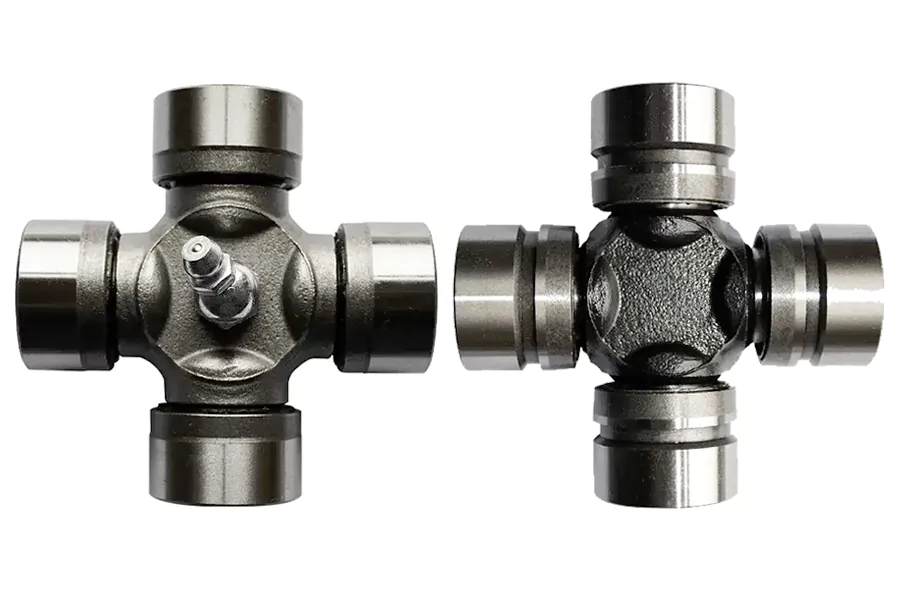
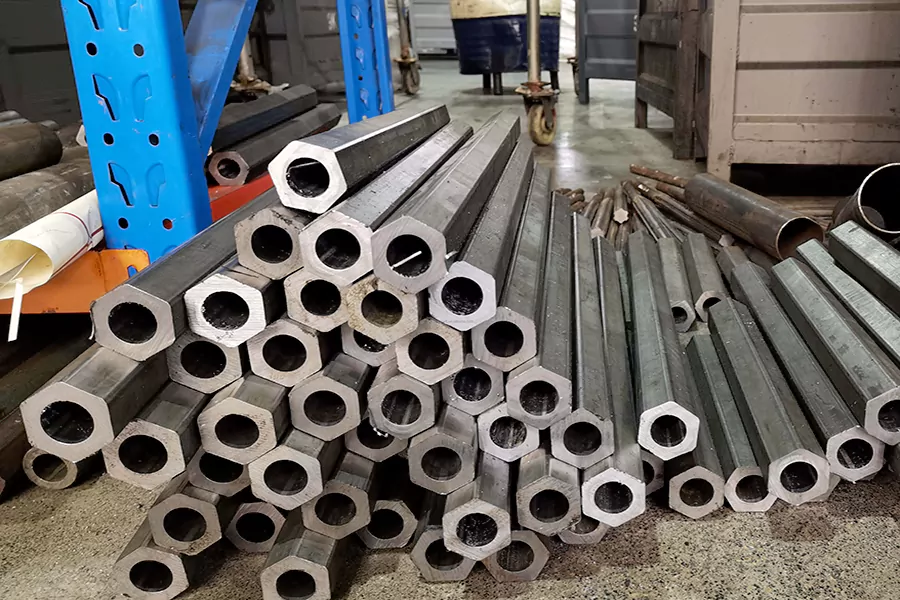
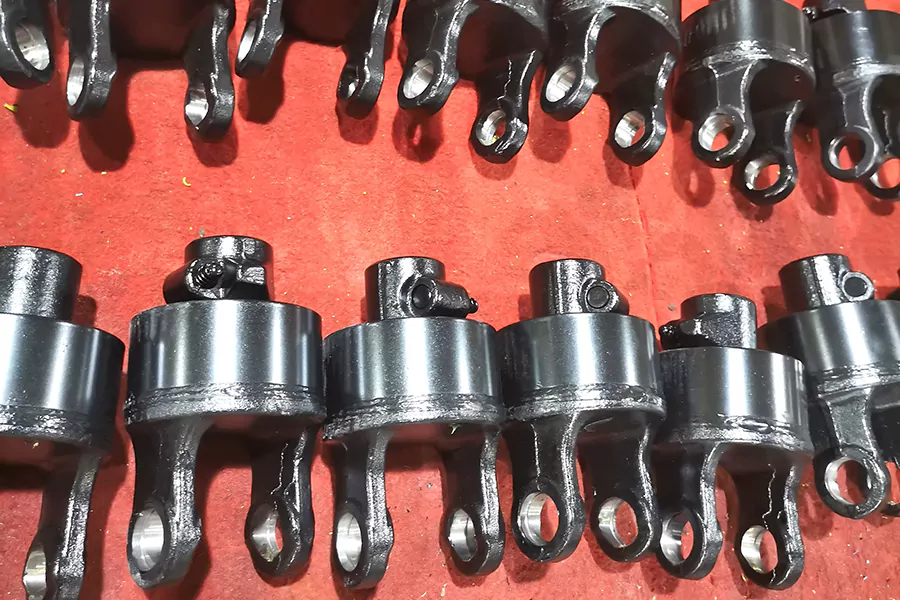
The same logic applies at component level. A yoke has to match the connection it is going on. A U-joint or cross kit has to suit the duty and the rpm. A PTO tube needs the right profile, wall, and length. A torque limiter has to actually protect the driveline: set too high it does nothing, set too low it slips under normal load and the customer blames the part.
Pick replacement components against the complete PTO system. Appearance tells you very little.
What Should Buyers Check?
Before you buy OEM or replacement PTO parts, run through this list:
- Application: tractor model, implement, working conditions
- Dimensions: shaft profile, length, bore, connection dimensions
- Operating speed: 540 or 1000 rpm
- Torque: normal and peak, especially on heavy-duty implements
- Connection components: yokes, crosses, splined shafts, locking systems
- Protection: PTO guards, master shield, safety chains
- Quality control: inspection procedures, batch traceability
- Supply: MOQ, lead time, stock availability, warranty
On the supplier side, a structured quality system tells you how a plant keeps a process under control. Documented procedures, inspection records, and corrective action when a batch drifts. ISO 9001 is the common framework for that. A certificate by itself will not make a PTO component right for your application, but it is evidence of how the factory is run. Worth reading before you commit to a container.
Where BAIQUAN Fits In
BAIQUAN supplies agricultural and tractor parts, with PTO and drivetrain components as the core line.
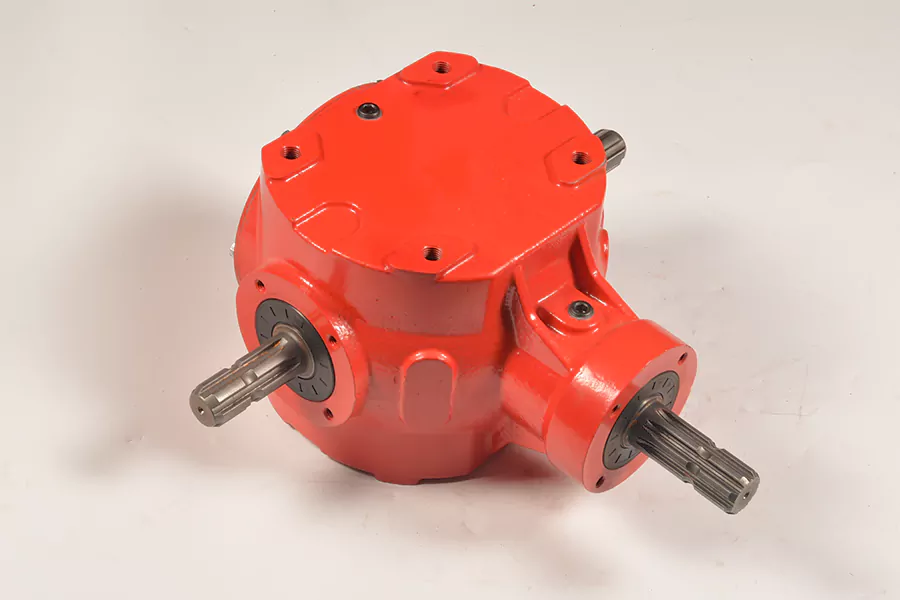
That covers PTO shafts and PTO shaft parts, including PTO tubes, yokes, universal joints and cross kits, splined shafts, torque limiters, and shields, alongside agricultural gearbox parts and other tractor replacement parts.
The PTO tube range runs triangle, lemon, star, gear, rectangular, and hexagonal profiles, which covers most of the shaft configurations you will pull off ag machinery in the field.
For distributors, importers, and ag parts businesses, the practical benefit is one supplier for the whole driveline instead of five. Order the shaft with the yoke, the guard, and the limiter on the same PO, under one lead time.
OEM or replacement comes down to the machine, the application, and your buying priorities. OEM is the straightforward route when the machine is proprietary and downtime is the expensive part. A properly specced replacement PTO part gives you sourcing room and a better landed cost, provided the supplier can hold the spec across orders.
What matters is the part matching the application, the spec holding up batch after batch, and a supplier who is still there next season.