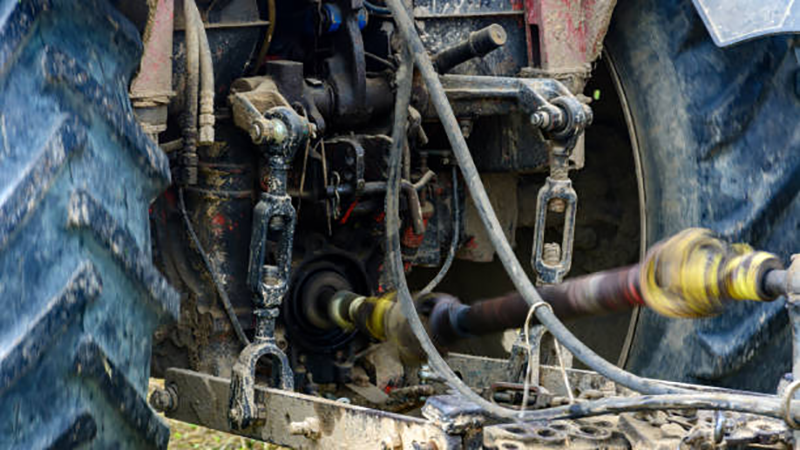
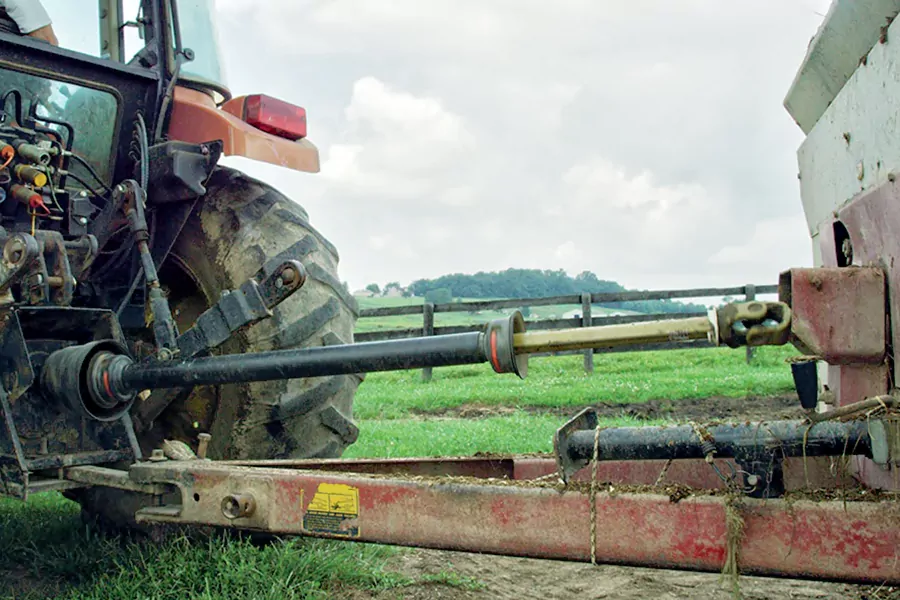
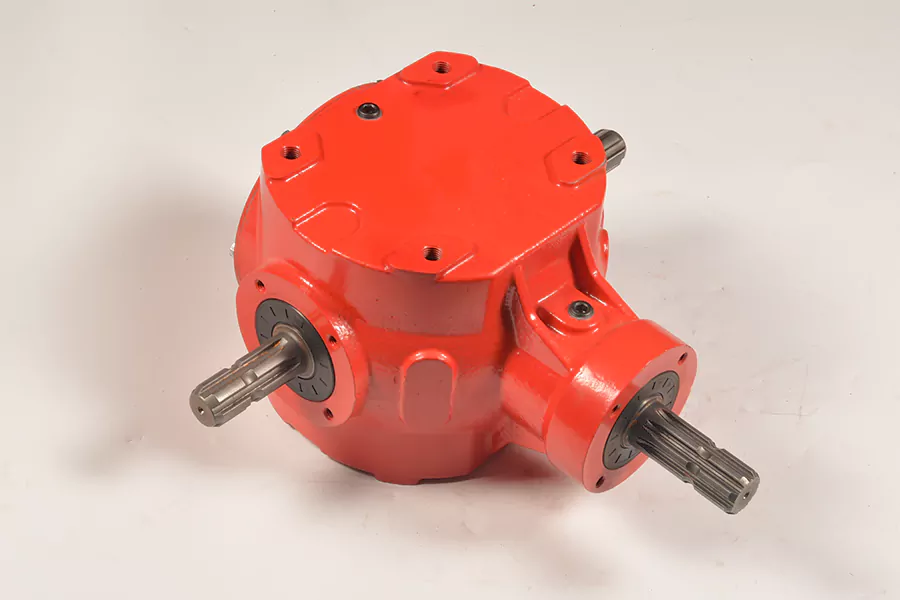
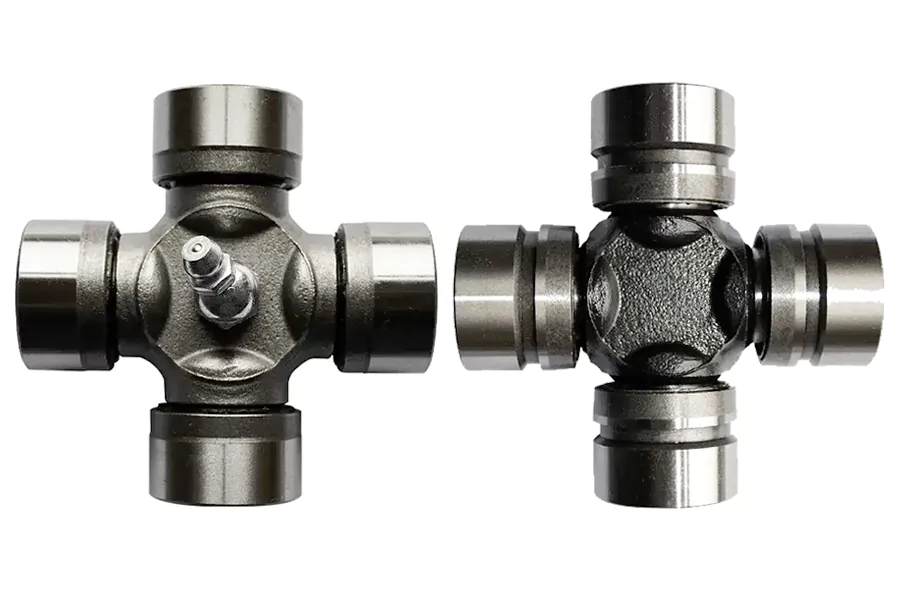
A small sizing mistake in power transmission components can lead to vibration, premature wear, or even equipment failure. Many users ask: “What size PTO yoke do I need?”—especially when replacing parts on a PTO shaft assembly.But guessing often leads to poor fit and costly repairs.
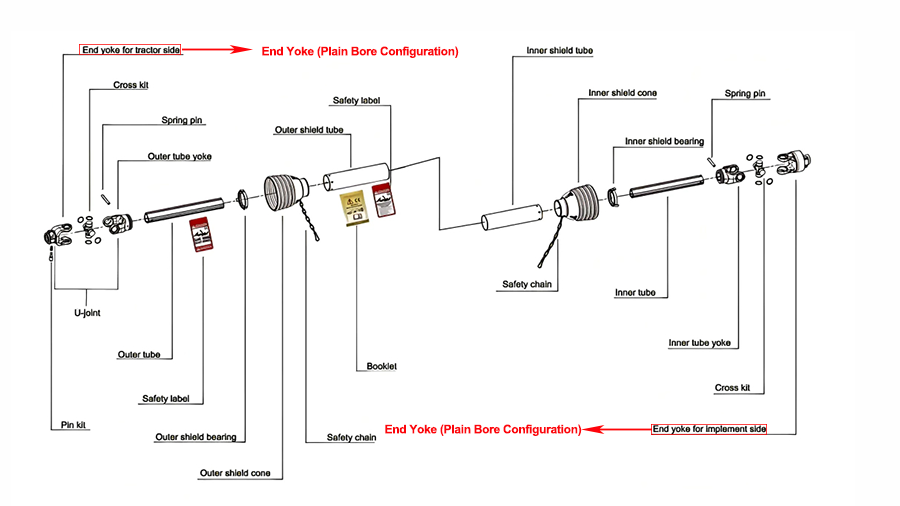
This plain bore yoke selection guide will walk you through three critical factors:
✔ Accurate bore size measurement
✔ Proper keyway connection
✔ Correct torque and series selection
Step 1: Measure Bore Size for a Proper Slip Fit
Choosing the correct plain bore yoke starts with matching the shaft outer diameter (OD) to the yoke inner diameter (ID).
A proper slip fit means:
- Slides on smoothly by hand
- No noticeable looseness or play
- Prevents vibration during operation
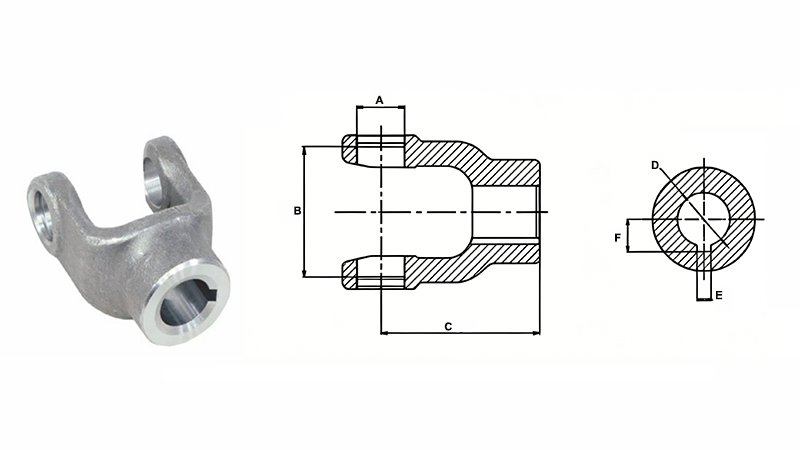
How to Measure Shaft Diameter Accurately
- Clean the shaft surface
- Use digital calipers (not tape measures)
- Measure at multiple angles to detect wear
👉 Pro Tip:
If the shaft shows wear grooves or deformation, repair or replace it before installing a new yoke.
Step 2: Choose the Right Keyway for Secure Connection
Friction alone is not enough for most PTO applications. While set screws may work for light-duty use, keyways provide a much more reliable connection under torque load.
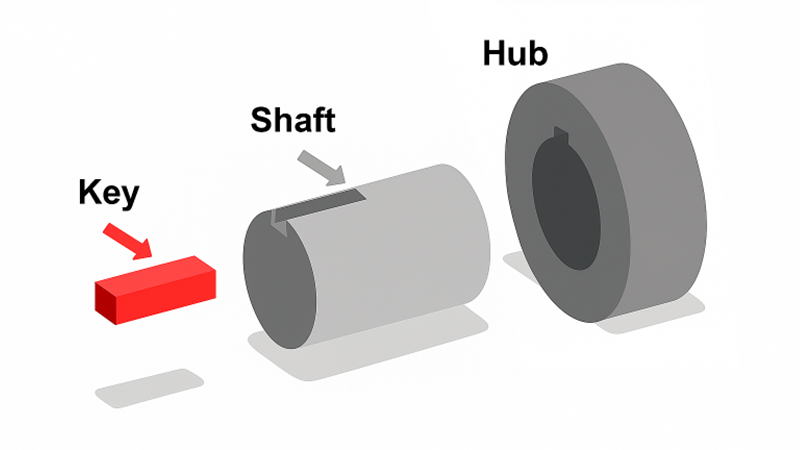
Keyway vs Set Screw: What’s the Difference?
| Type | Best For | Limitation |
|---|---|---|
| Set Screw | Light-duty | Can loosen under torque |
| Keyway | Medium to heavy-duty | Requires matching key |
Standard Keyway Sizes (Reference)
| Shaft Diameter | Key Size |
|---|---|
| 1″ | 1/4″ |
| 1-1/4″ | 5/16″ |
| 1-3/8″ | 3/8″ |
👉 These standard dimensions help ensure compatibility and reduce installation errors.
Step 3: Match Yoke Series to Torque Requirements
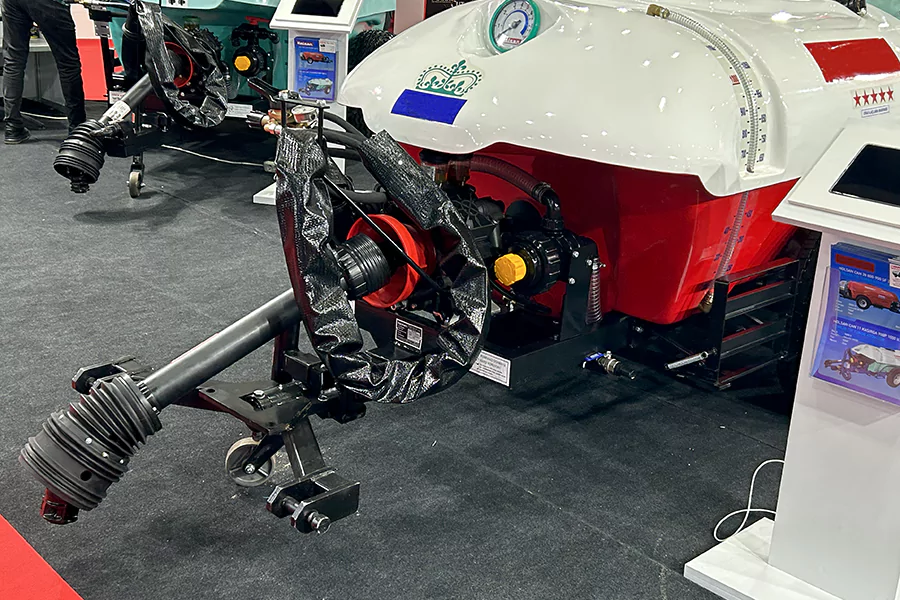
Even with a perfect fit, the yoke must handle the torque generated during operation, especially when paired with other driveline components like a tube yoke or full PTO shaft assembly
Understanding Yoke Series
Yoke series numbers (such as PTO Series 4, 6, or 8) are commonly used in agricultural driveline systems to indicate torque capacity.
👉 General rule:
- Higher series = higher torque capacity
- Always match or exceed your equipment’s requirement
Material Matters
- Forged steel yokes → high strength, heavy-duty use
- Cast yokes → lower cost, lighter applications
Common Mistakes to Avoid When Choosing a Plain Bore Yoke
- Choosing the wrong bore size
- Ignoring keyway compatibility
- Relying only on set screws in high-torque applications
- Selecting a yoke with insufficient torque rating
Plain Bore Yoke Selection Checklist
When installing yokes on keyed shafts, the right fit guarantees shaft slip and vibration prevention. Before purchasing, verify your part with this checklist:
- Confirm exact Bore ID
- Match Keyway size
- Verify torque Series
- Plan a dry fit to check set screw seating
Following these steps ensures a durable, vibration-free repair.
Conclusion: Choosing the Right Plain Bore Yoke
In most cases, yoke problems don’t come from the part itself—they come from mismatched sizing or poor fitment.
If your bore size is accurate, the keyway is properly matched, and the yoke is rated for the job, everything tends to run the way it should. Skip any of those steps, and issues usually show up pretty quickly.