Anyone who works with tractors knows one thing – when your PTO belt goes bad, everything stops. Amazing how a piece of rubber decides if you beat the weather or not. You never really notice them working until one snaps and leaves you stuck.
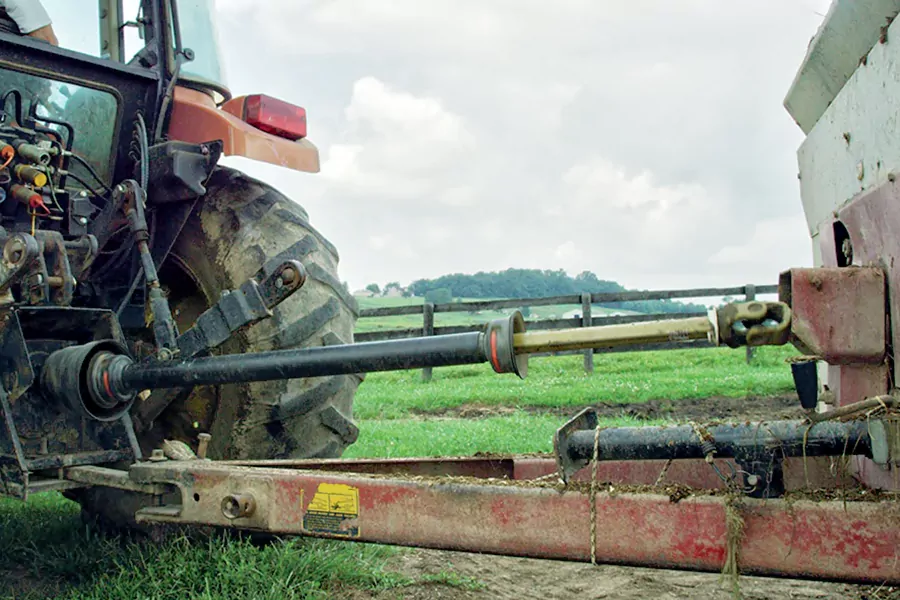
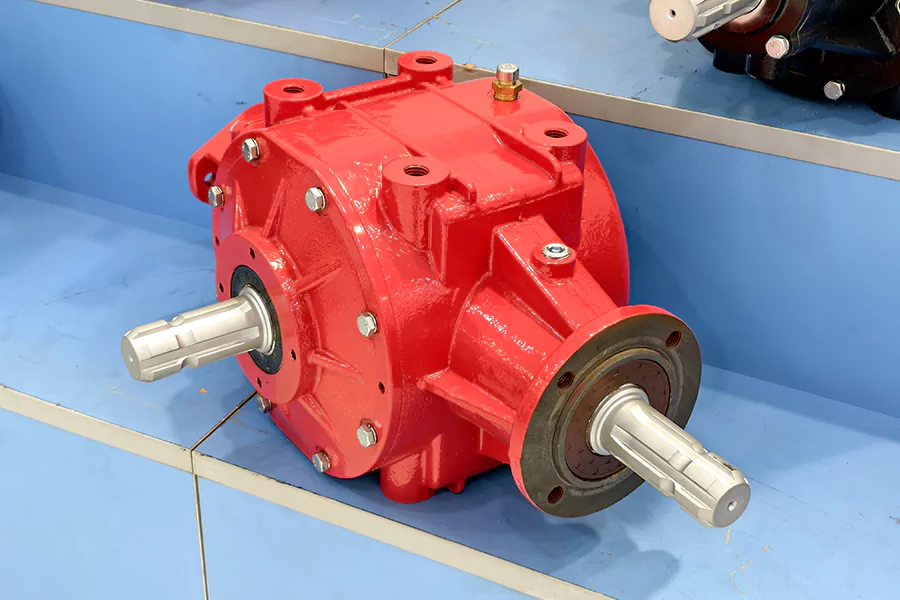
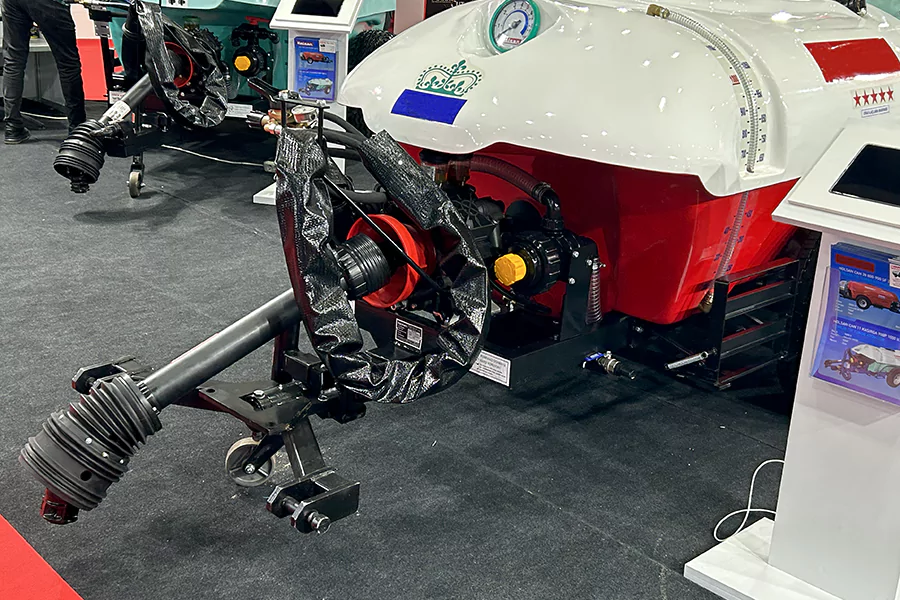
Your tractor’s got plenty of power under the hood, but getting that power to your hay baler or bush hog? That’s where things get interesting. PTO belts handle this job – just V-belts really, but they connect your engine to whatever you’re pulling.
Most run at 540 rpm. Been the same speed since before I started farming. Nice thing is you can hook a Woods mower to a Massey Ferguson without any fuss. Good deal considering what tractors cost nowadays.
Real-World Applications That Matter
PTO belts power more equipment than most people realize. Sure, everyone knows about mowers and tillers, but these belts also run hay balers during those hectic summer months when timing is everything. Miss your window because of a broken belt, and you could lose an entire cutting.
Water pumps for irrigation systems rely on PTO power too. During dry spells, these setups can literally save your crops. I’ve seen farmers lose sleep over a failing PTO belt when their irrigation system goes down at the worst possible moment.
Cultivators and disc harrows put serious stress on PTO belts, especially in tough soil conditions. The variable loads from hitting rocks or working through heavy clay can test even the best belts. That’s why choosing the right belt for your specific conditions matters so much.
Keeping Things Running Smoothly
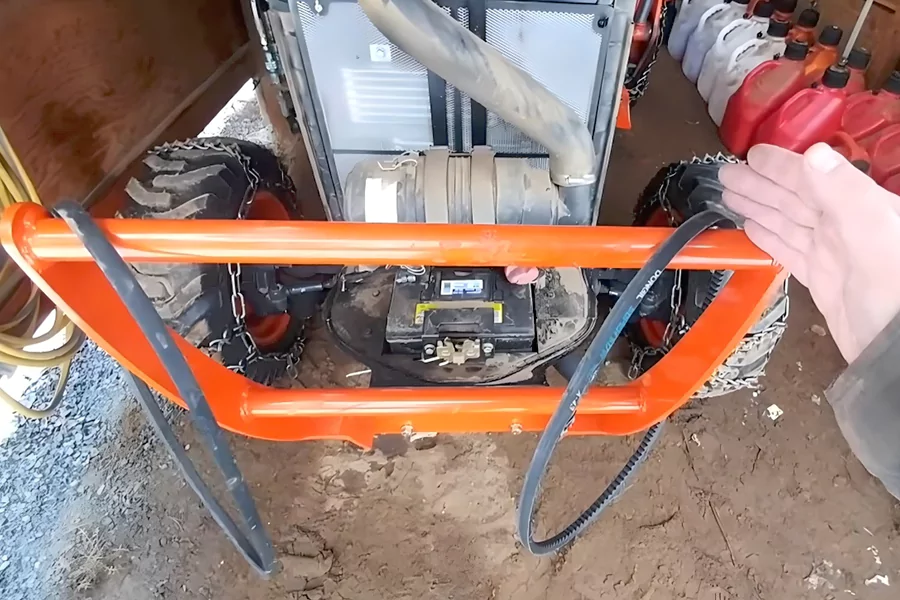
Here’s something many operators overlook – proper belt tension makes all the difference. Too loose and you get slippage, which wastes fuel and wears out the belt faster. Too tight creates unnecessary stress on bearings and can actually snap a belt under load.
I always tell farmers to check their belts visually before each season. Watch out for cracks or when the belt starts looking all shiny and slick – that’s usually slipping. Spot this stuff early and you won’t get stranded when you’re trying to get crops in.
And don’t leave your equipment sitting outside all winter if you can help it. Sun and cold mess up the rubber something fierce. Even a cheap tarp beats nothing – I’ve seen belts last twice as long just from being covered up.
Choosing the Right Belt
Not every PTO belt works for every job. Heavy-duty operations like large square balers need belts designed for high horsepower transmission. Using a standard belt in these applications is asking for trouble.
Where you farm matters too. Lots of dust? Get belts that can handle it. Working in wet conditions? Make sure your belts won’t fall apart when they get soaked.
Here's What It Comes Down To
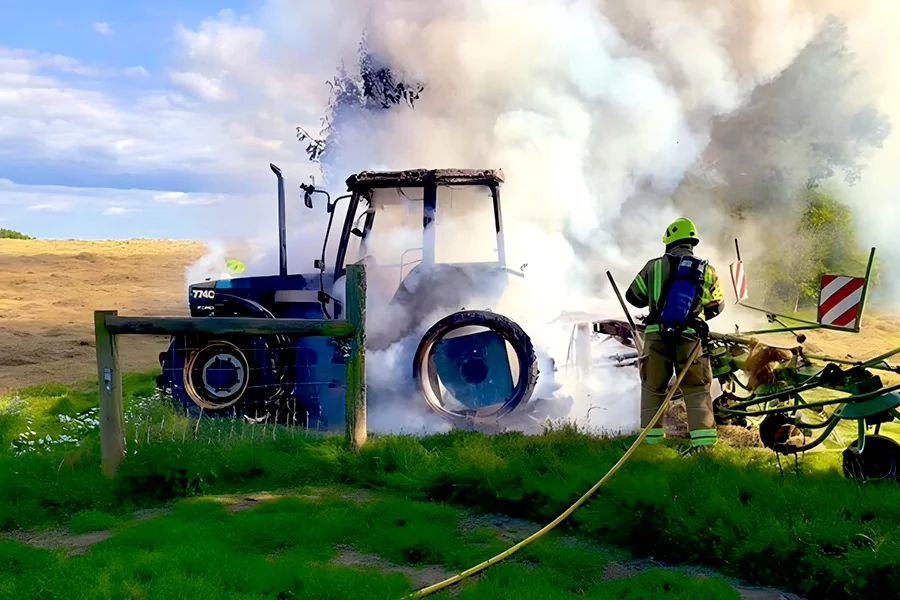
Look, PTO belts aren’t exciting. Nobody’s going to brag about their belt collection at the coffee shop. But man, when one breaks at the wrong time, it’ll ruin your whole week. Watched my neighbor’s combine die right in the thick of harvest season. $200,000 machine sitting there useless because he bought the cheapest belt he could find.
Look after your belts or you’ll regret it later. Give them a look when you’re doing other maintenance stuff. Don’t go cheap on parts, and try to keep your equipment out of direct sun when it’s parked. Trust me on this – spending a few minutes on belt maintenance beats scrambling to find parts when you’re against a deadline. Your productivity – and your stress level during busy seasons – will thank you for it. After all, farming has enough variables you can’t control without adding preventable equipment failures to the list.