The number stamped on the box tells you less than you’d expect.
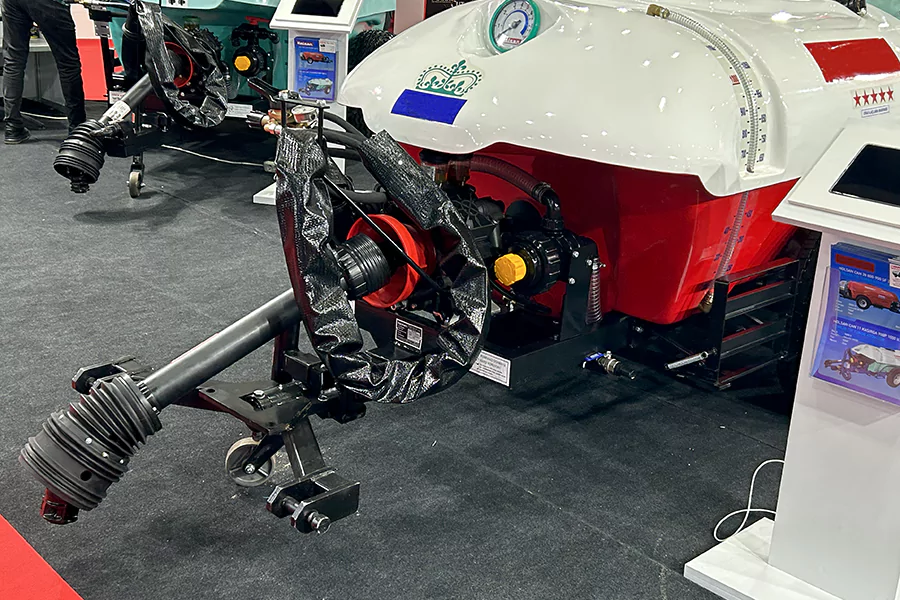
Two Series 4 shafts, one out of each of two warehouses. Nine times out of ten they’re the same joint. That tenth time is what this article is about, more or less. The 1-to-8 numbering the Italian and aftermarket catalogues print isn’t what Walterscheid stamps on its W-series, and it isn’t Weasler’s either, so the same joint can show up under three different names and none of them is wrong.
So what does a PTO drive shaft series actually tell you? The size class of the universal joint, which comes down to whichever cross kit fits it. That’s it. Horsepower it won’t give you, nor working speed, nor any answer at all to whether the shaft survives a season of fence-line brush behind a 90 hp tractor.
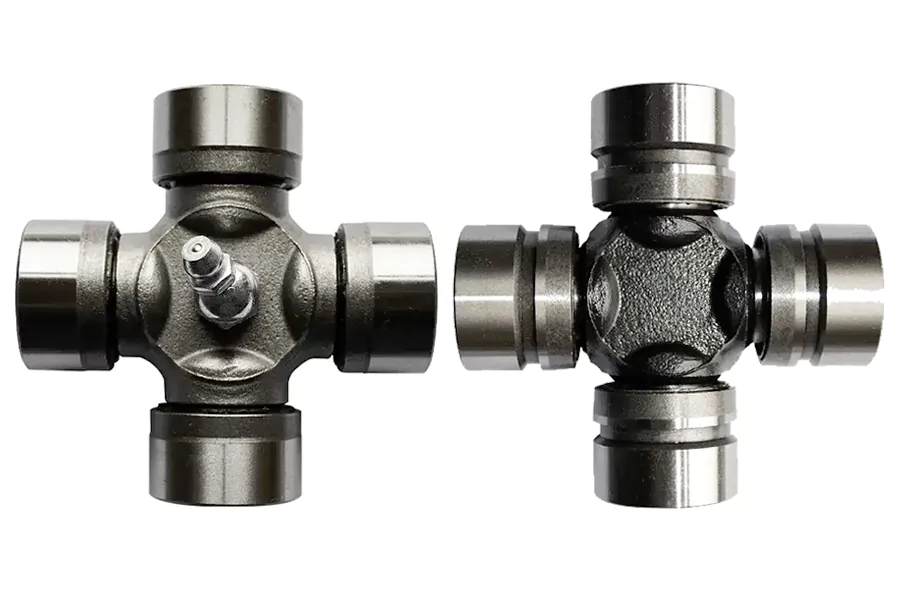
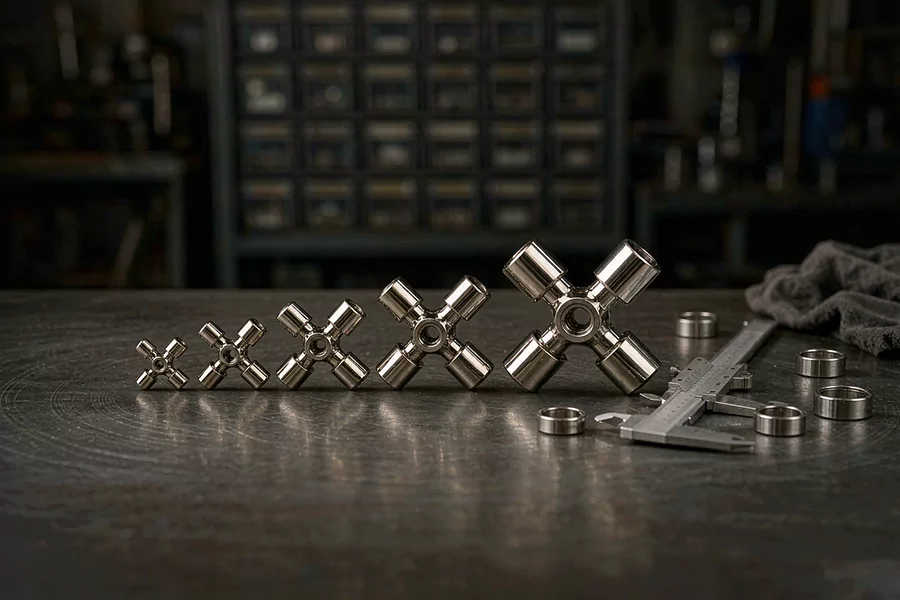
Two numbers settle it, and all you need is a vernier and the old cross. Bearing cup diameter, and the width across two opposite cups. Measure both before you ring anybody.
What the series number actually tells you
A frame size. Nothing more exciting than that.
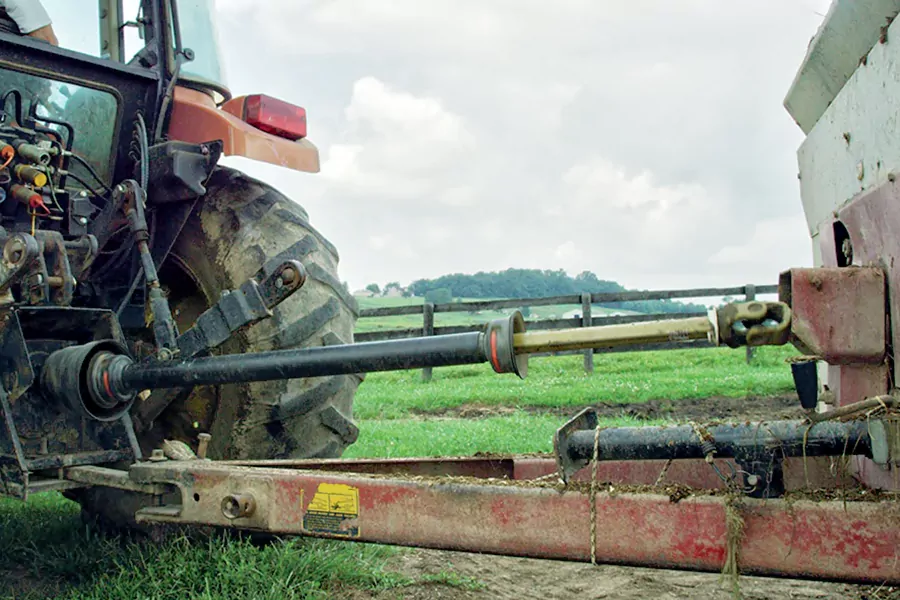
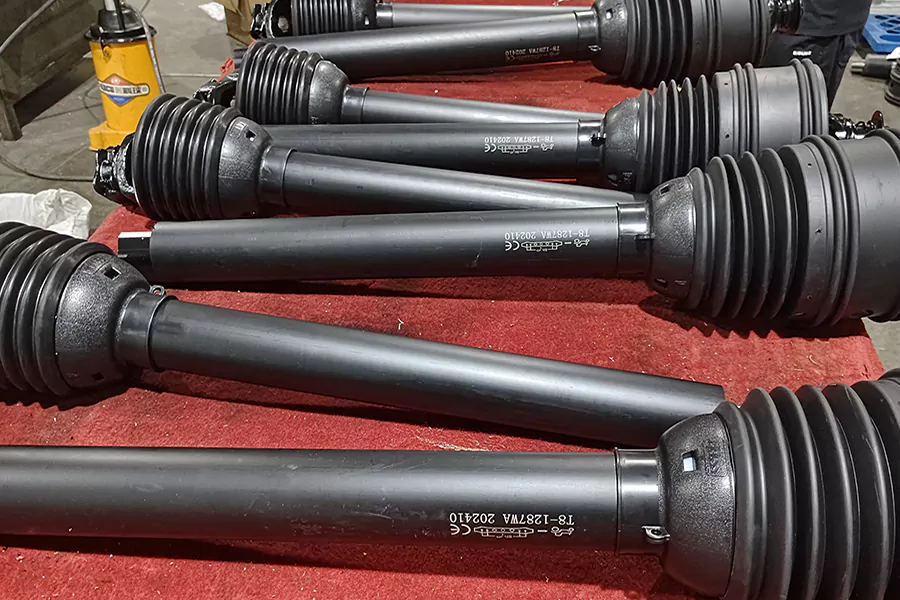
There’s a whole chain of parts on a working driveline and they all have to agree with each other: the yoke on the PTO stub, the cross and bearing kit, a telescoping tube pair in a matched profile, the yoke at the implement end, and then the guard over all of it with its bearings and its retaining chain. Any one of them wrong and you’re holding a very expensive paperweight.
The series pins down the joint. The joint pins down how much torque that assembly can move.
What people get wrong, and it happens constantly, is thinking the number carries a rating. It doesn’t. Same series, different torque figures, because rating depends on the cross material, the tube profile, how the bearings are arranged, the operating speed, and how hard the machine actually works all season. One catalogue rates its Series 6 at 830 Nm continuous at 540 rpm. Another puts a different number on its own Series 6. Both are telling the truth. You just have to ask which one you’re holding.
Cross kit dimensions, Series 1 to 8
| Series | Cross kit A × B (mm) | 540 rpm torque, indicative | Typical applications |
|---|---|---|---|
| Series 1 | 22 × 54 | ~210 Nm | Small spreaders, fertiliser broadcasters, utility pumps |
| Series 2 | 23.8 × 61.3 | ~270 Nm | Light rotary cutters, finishing mowers, post hole diggers |
| Series 3 | 27 × 70 | ~390 Nm | Rotary tillers, small seed drills, hay rakes |
| Series 4 | 27 × 74.6 | ~460 Nm | Rotary cutters, wood chippers, manure spreaders |
| Series 5 | 30.2 × 80 | ~620 Nm | Heavier tillers, disc harrows, medium rotary cutters |
| Series 6 | 30.2 × 92 | ~830 Nm | Round balers, flail mowers, grain augers |
| Series 7 | 30.2 × 106.5 | ~970 Nm | Large round balers, forage harvesters |
| Series 8 | 35 × 106.5 | ~1,240 Nm | High-capacity balers, forage wagons, heavy tillage |
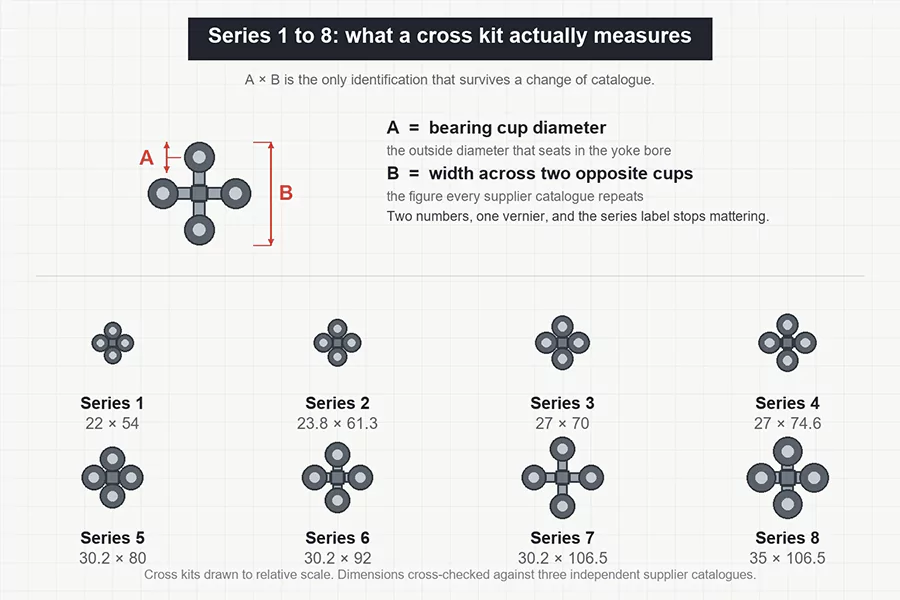
A is bearing cup diameter. B is the width across two opposite cups. Those two figures repeat from one supplier catalogue to the next, which is why we’d trust them over anything else on this page. The torque column, not so much. It’s one supplier’s published figure at 540 rpm, handy for seeing the general shape of the range and not something to buy against.
And the measuring habit pays off the second you step outside the 1-to-8 list. A Series 5 cross is 30.2 × 80. A Series 32 is 32 × 76. On a bench under a shop light they look near enough identical. They will not go into each other’s yokes, and no amount of enthusiasm changes that.
Where each PTO shaft series size turns up
Series 1 to 3 is small tractor territory. Spreaders, finishing mowers, small tillers, post hole diggers, that sort of thing. Loads are light and steady, and if you stay inside what the joint is rated for you’ll get years out of these.
What kills them is a small tractor with too much implement behind it. A three-point tiller in stony ground will eat a Series 2 cross inside a season or two, and it won’t let go politely. First you get a worn trunnion and a wobble. The vibration comes later, well after the point where you should have swapped the shaft.
Series 4 to 6 is where most of the trade lives. Rotary cutters, chippers, heavier tillers, round balers, flail mowers, grain augers. This is also where the loads stop being polite.
Grass is a steady load, all day long, no drama. Put the same deck into brush and suddenly the joint is absorbing hits instead, and the cross kit is the part that pays for every single one.
One thing though. If the machine carries a slip clutch or a shear bolt, that setting does more to protect the driveline than the series number ever will.
Series 7 and 8 is the big end of the market. Large round balers, forage harvesters, forage wagons, heavy tillage, long pulls held near full rating, usually with a 1,000 rpm PTO at the tractor end.
A bigger number doesn’t mean a stronger shaft, by the way, and it doesn’t mean a higher allowable speed either. Every manufacturer rates to its own system.
Reading series numbers across brands
We get asked for a Series 5 at least once a week. It’s almost never the right question.
Walterscheid’s W2300 runs a 24 × 61 cross, which on the table above is Series 2 territory. The W2500 carries a 36 × 89 cross, and the aftermarket calls that Series 36, not Series 5. So a customer ringing up for a Series 5 shaft for his W2500 hasn’t misread anything. He’s reading a different system. Place the order on that and it comes straight back, and now everyone’s a week behind.
Weasler numbers to its own scheme as well and publishes cross-references onto the European series. Bondioli & Pavesi names line up with the aftermarket 1-to-8 most of the time, which is roughly where that numbering came from in the first place.
Then there’s everything above 8, which keeps showing up in the field whether or not anyone’s catalogue lists it. 7N at 35 × 94. Series 9 at 41 × 108. Series 10 at 41 × 118, plus the 32, 36, 38, 42, 48 and 50 sizes. A machine sold to you as a Series 8 is sometimes running something else entirely under the guard. Nobody looks under the guard.
Which is why, when a dealer asks for a Series 5, the useful reply is a question back. What does the cross measure?
What to confirm before you order a PTO shaft
Start with the rated PTO figure, not the gross engine number. Engine horsepower sells tractors and never reaches the cross.
Then put the speed alongside it. Same tractor, two PTO speeds, two very different loads at the joint. 40 kW at the PTO is roughly 707 Nm at 540 rpm. Run that same power through a 1,000 rpm PTO and the joint sees about 380 Nm. Duty cycle goes on top of that. A shaft topping pasture isn’t doing the same job as a shaft spending August in head-high brush, even when the series number is identical.
1-3/8 inch 6-spline still covers most 540 rpm work. At 1,000 rpm you’ll run into 1-3/8 inch 21-spline or 1-3/4 inch 20-spline, and a few others as well, so count teeth and measure the bore. Don’t trust the label on the yoke.
Do the two ends separately. They don’t always match, and it’s the tractor end where the expensive mistake lands, because that stub is buried inside the tractor and everything gets to come off before you can reach it.
Shear bolt, friction clutch, or nothing at all. If the implement can jam or hit something solid, it wants one of the first two.
A shear bolt gives way at a set overload and the machine stops until somebody fits a bolt of the right grade. A friction clutch slips, turns the energy into heat, and carries on. Common practice sets release at 1.5 to 2.0 times the rated continuous torque, and new discs want bedding in before that number means anything, a few hours under load rather than a bench check. Storage is the bit that catches people. A clutch sitting outside through a wet winter can rust solid and refuse to slip on the one afternoon it was supposed to.
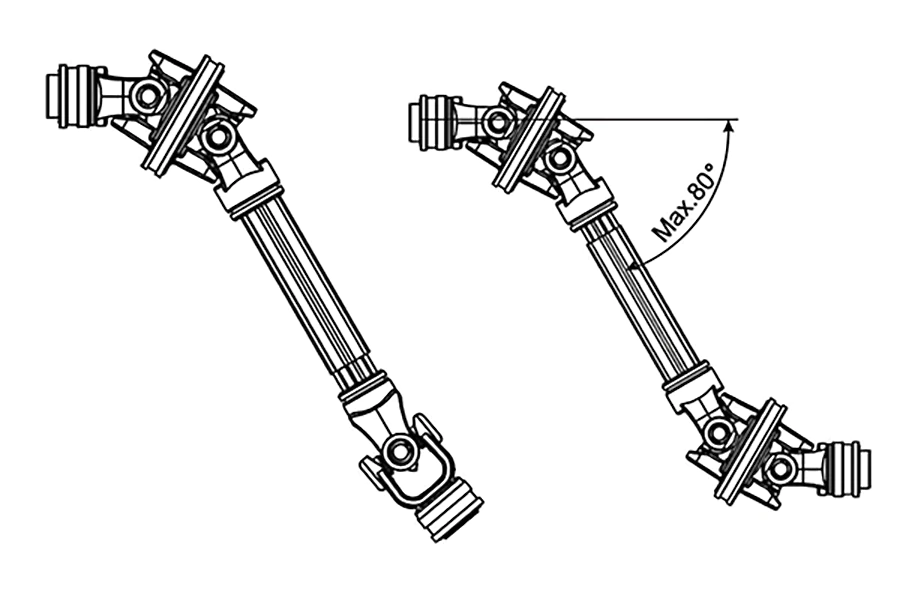
Measure the installed distance at full lift and at full drop, then check the tubes at both ends of that travel. You need enough overlap at full extension to keep carrying torque, and it must never bottom out on the way in. Shorten tubes to the shaft maker’s figure, not to a rule of thumb borrowed from some other machine.
Guards stay on. Cracked guard tubes get replaced, and the master shield on the tractor side belongs where the manufacturer bolted it.
PTO shaft parts from BAIQUAN
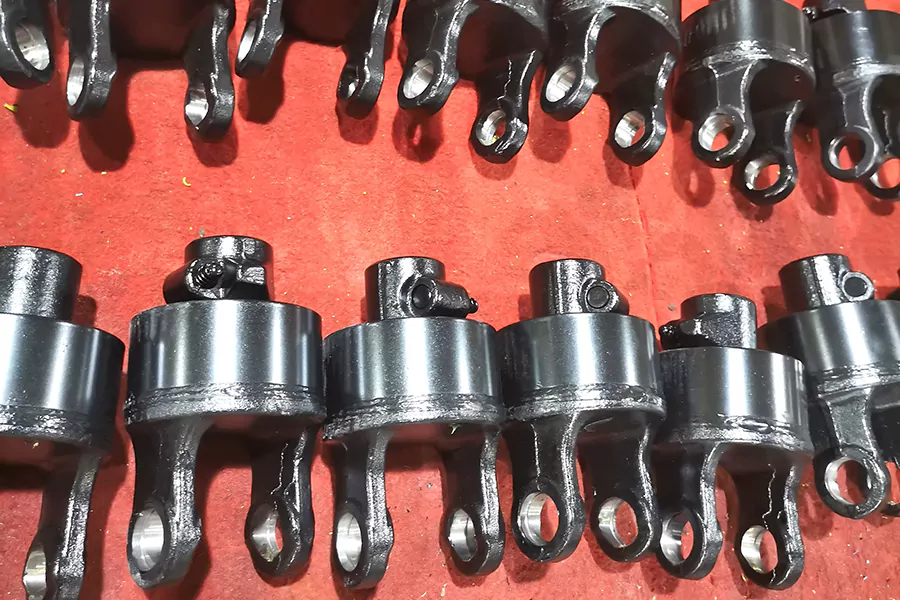
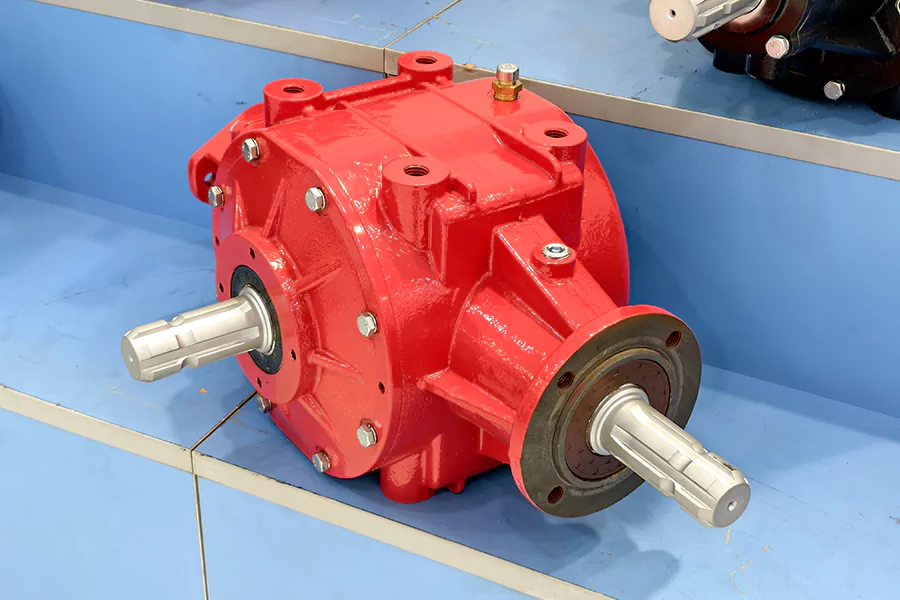
BAIQUAN has been supplying agricultural and tractor parts since 2000, and driveline is the core of what we ship. Cross kits, yokes, PTO tubes, splined shafts, guards, torque limiters.
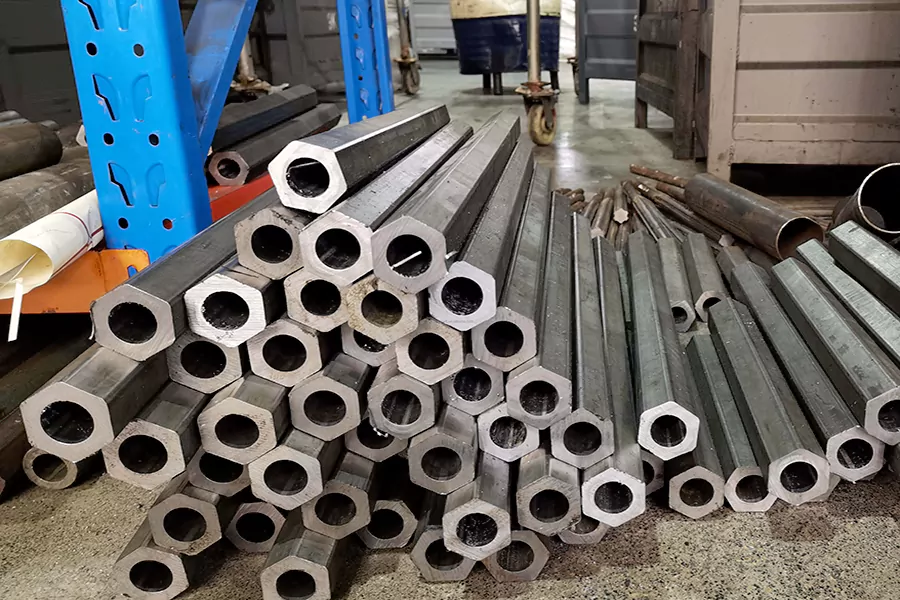
Tubes come in the profiles that actually come off working machines: triangle, lemon, star, gear, rectangular, hexagonal. A replacement tube should match the shaft it’s going onto, not sit close to it. Agricultural gearbox parts and other tractor replacement parts sit alongside the driveline range.
Buying in volume as a dealer, distributor or repair shop? The enquiries that get quoted fastest carry the cross dimensions A and B, the spline count and bore at each end, the tube profile, and the compressed and extended lengths. Put the series number in as well if you have it, but it’s the measurements that decide the part. A photo of the old cross next to a ruler settles most of the rest.