📖 Table of Contents
- Introduction
- Why PTO Sprockets Are Different From Standard Sprockets
- Power Transmission Requirements Are Not the Same
- Tooth Design and Material Selection Matter
- Common Mistakes When Replacing PTO Sprockets
- Where PTO Sprockets Are Commonly Used
- Choosing Between a PTO Sprocket and a Standard Sprocket
- Final Thoughts
Introduction
When a sprocket needs to be replaced, the first thing many people check is usually the basic information — tooth count, dimensions, and whether the part looks like the original one.
For some applications, these details may be enough.
PTO-driven machines usually face a much tougher working environment than standard chain drive equipment. The load is rarely constant, and the sprocket may experience sudden changes during daily operation.
A replacement part can look correct when it is placed next to the original one. However, actual performance depends on how it handles the conditions after installation. Field use can expose differences in chain engagement, vibration resistance, and wear performance.
This is where some replacement decisions go wrong. Matching the tooth count and basic dimensions does not always guarantee the same service life.
Before ordering a replacement sprocket, it is worth checking how the original part was being used and what conditions it had to handle.
Why PTO Sprockets Are Different From Standard Sprockets
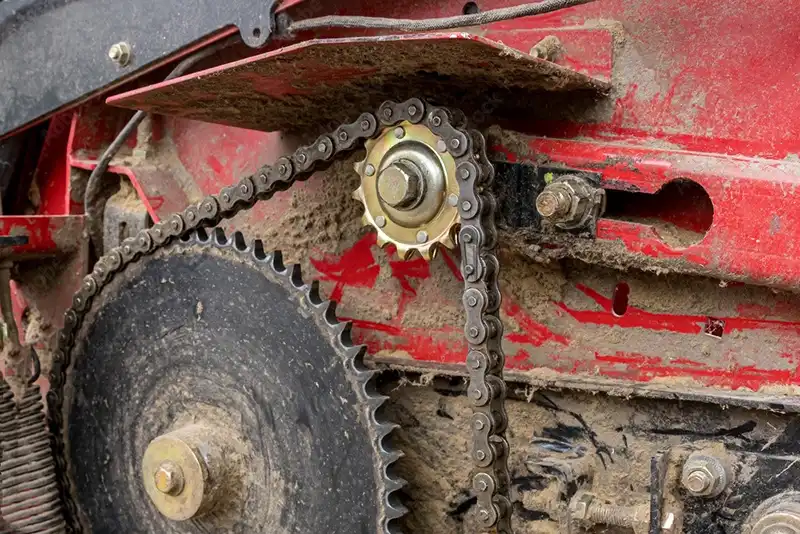
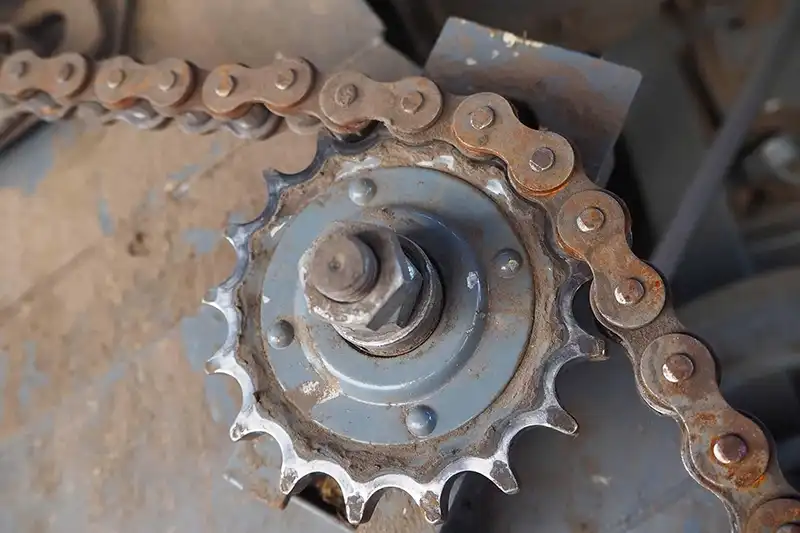
At first glance, PTO sprockets and standard sprockets may look almost identical.
Both use teeth to engage with a chain. Both transfer rotary movement. Both are available in different tooth counts and sizes.
The difference is usually found in the application.
A standard sprocket is commonly used in general chain drive systems where the load conditions are relatively predictable.
Examples include:
- Conveyors
- Industrial machinery
- Simple mechanical transmission systems
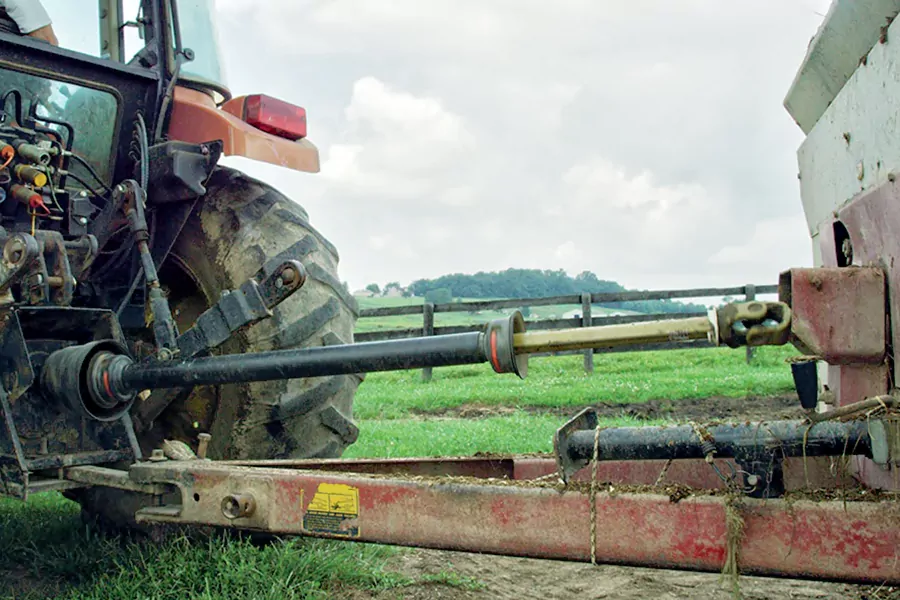
A PTO sprocket, however, is used in equipment where power comes directly from a tractor PTO system.
This means the sprocket may experience:
- Frequent load changes
- High torque input
- Shock loads during operation
- Outdoor contamination
- Long working cycles
Agricultural equipment rarely operates under perfectly stable conditions.
A machine may move from light work to heavy load within minutes depending on soil conditions, crop density, or operating speed.
That difference in working environment is what makes PTO applications more demanding.
Power Transmission Requirements Are Not the Same
One of the biggest differences between PTO and standard sprockets is the way they handle power transmission.
A PTO-driven machine receives mechanical power directly from the tractor.
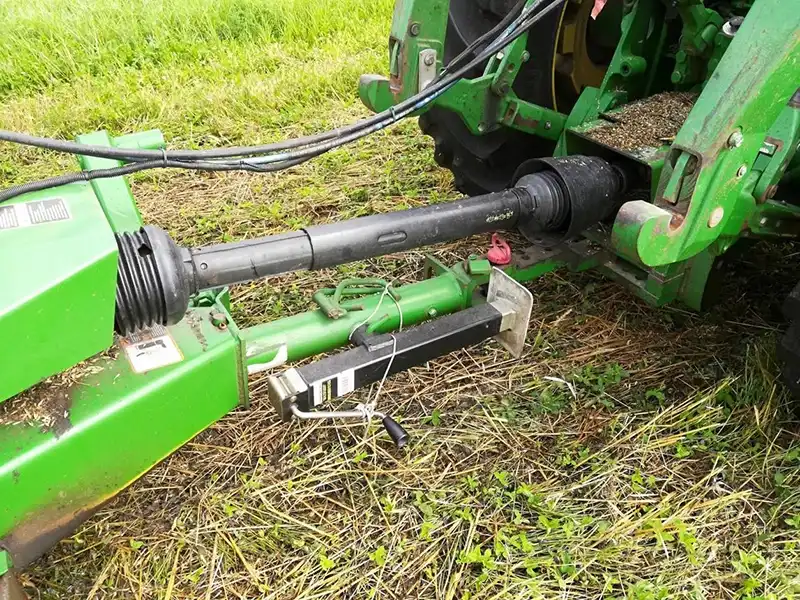
The driveline must transfer that power efficiently while dealing with vibration and changing resistance from the implement.
For example, a rotary cutter may experience sudden increases in load when it contacts thicker vegetation.
A tiller may require much more torque when working through harder soil.
These conditions create additional stress on the chain and sprocket system.
A standard sprocket used in a lighter application may physically fit, but it may not be designed for repeated agricultural loading.
This is an important point for replacement part buyers.
A part that fits during installation does not always mean it is the correct engineering replacement.
Tooth Design and Material Selection Matter
Another difference often overlooked during purchasing is sprocket construction.
Two sprockets with the same tooth count can still have different performance depending on:
- Steel quality
- Heat treatment process
- Tooth profile accuracy
- Manufacturing tolerance
- Surface hardness
Agricultural equipment operates in environments where dust and contamination are unavoidable.
When chain engagement is not consistent, wear increases on both the sprocket and chain.
Over time, this can create:
- Noise
- Vibration
- Reduced transmission efficiency
- Shorter component life
For OEM manufacturers and distributors, consistent dimensions are especially important.
Small differences between batches can create installation issues when replacement parts are supplied to different equipment models.
Common Mistakes When Replacing PTO Sprockets
Selecting Only by Appearance
One common mistake is selecting a sprocket based only on appearance.
A supplier may receive a request for a “similar sprocket” because the original part is worn or unavailable.
However, several details should be confirmed before replacement:
- Tooth count
- Chain size
- Mounting method
- Shaft connection
- Working speed
- Expected load
Ignoring these details can lead to problems after installation.
Ignoring Chain Condition
Another mistake is replacing the sprocket without checking the chain condition.
A worn chain and a new sprocket do not always work well together.
If the chain has stretched over time, it may accelerate wear on the new sprocket.
For agricultural applications, replacing related components together is often a better long-term solution than replacing only the visibly damaged part.
Where PTO Sprockets Are Commonly Used
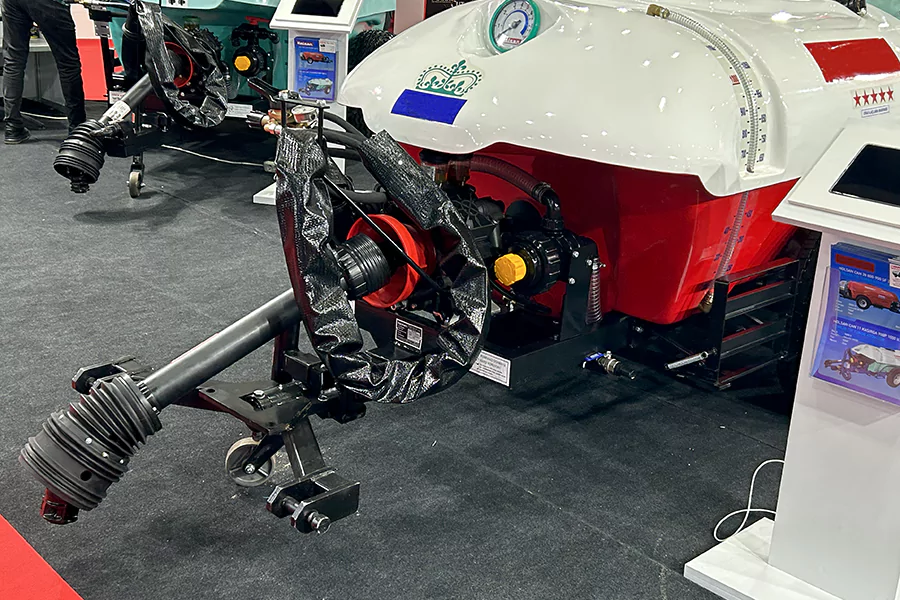
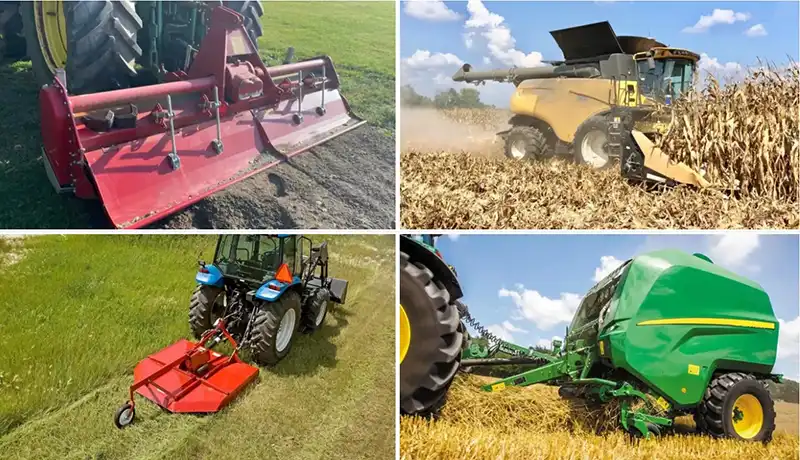
PTO sprockets are typically found in agricultural equipment that relies on tractor power transmission.
Common applications include:
- Feed mixers
- Spreaders
- Harvesting equipment
- Conveyor-driven implements
- Specialized tractor attachments
In these machines, the sprocket is not working alone.
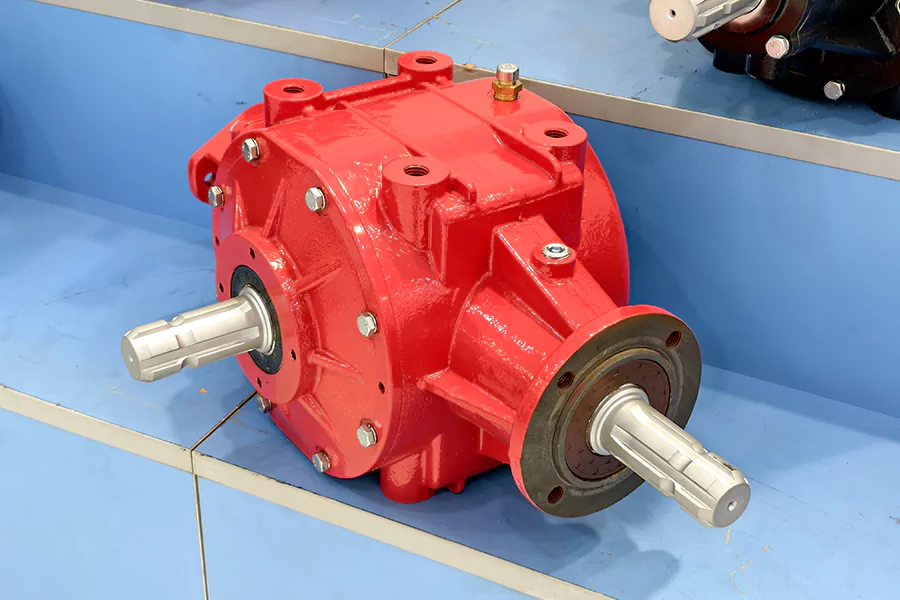
A sprocket usually works together with other driveline parts, including:
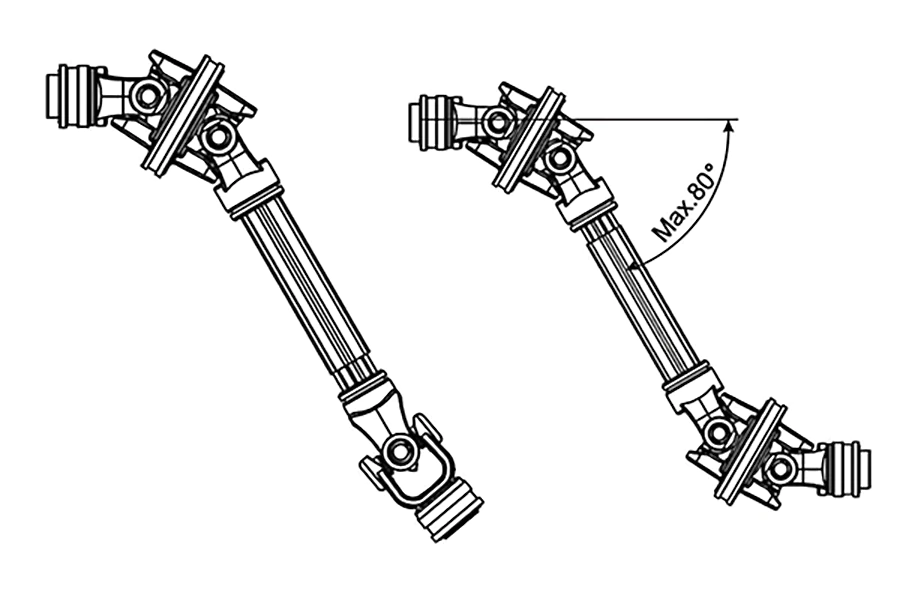
- PTO shafts
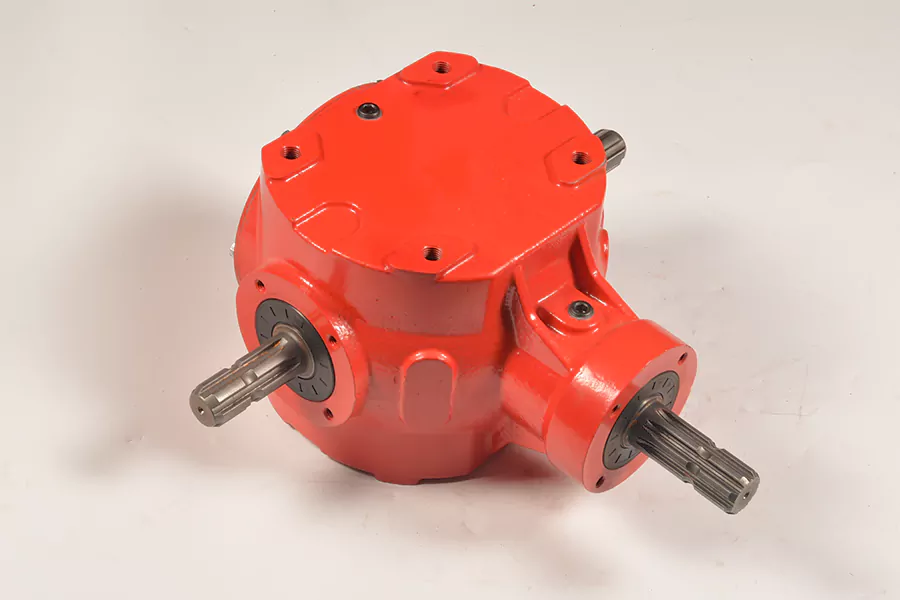
- Gearboxes
- Chains
- Shafts
These components share the load during operation.
When one part begins to wear, the surrounding components may also show signs of stress.
For example, a worn chain can accelerate sprocket wear, while alignment issues may create additional load on connected parts.
Because of this, experienced buyers usually check the complete working setup rather than selecting a sprocket based only on the part number.
Choosing Between a PTO Sprocket and a Standard Sprocket
The correct choice depends on the actual working condition.
For light-duty applications with stable loads, a standard sprocket may be completely suitable.
For tractor-powered equipment operating in demanding agricultural environments, a PTO-specific solution is usually the better option.
Before purchasing, consider:
- How much torque the system transfers
- How often the machine operates
- Whether shock loads occur
- The environment where the equipment works
- Compatibility with existing components
For replacement suppliers, understanding the application behind the part number is often more valuable than simply matching dimensions.
Final Thoughts
At first glance, a PTO sprocket and a standard sprocket can appear almost identical.
The difference usually becomes clear during operation.
PTO applications place more stress on the sprocket because the component must deal with changing loads, continuous power transfer, vibration, and demanding field conditions over time.
A sprocket that works well in a general chain drive system may not always deliver the same performance when used on tractor-powered equipment.
For agricultural machinery, the right replacement part should match the job — not just the measurement.
A correct sprocket choice helps protect the chain system, improve equipment reliability, and reduce unnecessary maintenance during demanding working seasons.