Torque limiters are important safety parts in machines. They protect drive shafts from damage when the torque is too high. They do this by slipping or by cutting off the power. The two main types are friction torque limiters and ratchet torque limiters. They work in different ways, have different reset methods, and suit different uses.
Friction Torque Limiters
How they work?
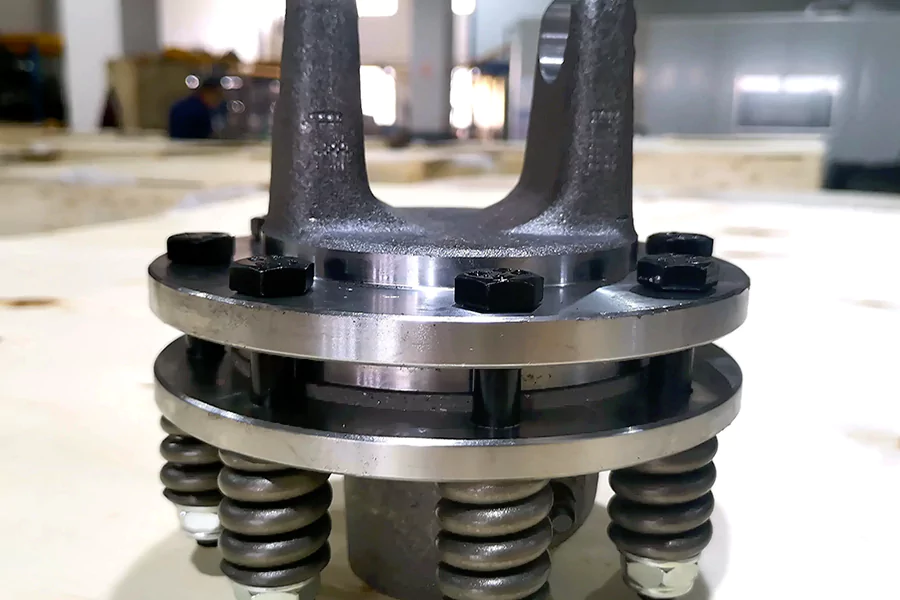
These use friction discs pressed by springs to send torque. If the torque goes over the set limit, the discs slip. This stops extra torque from reaching the driven part. When overload disappears, they start working again without a manual reset.
Where they are used?
Often used in packaging machines, conveyors, printing machines, textile machines, PTO system, and other factory equipment.
Advantages:
- Simple design, cost-effective.
- Automatic reset: No downtime. Save labor time.
- Provide a smooth, slip-based protection ideal for momentary jams or torque spikes.
Disadvantages:
- Slip generates heat and accelerates wear on friction surfaces.
- Prolonged slip may require maintenance or inspection.
Ratchet Torque Limiters
Operation:
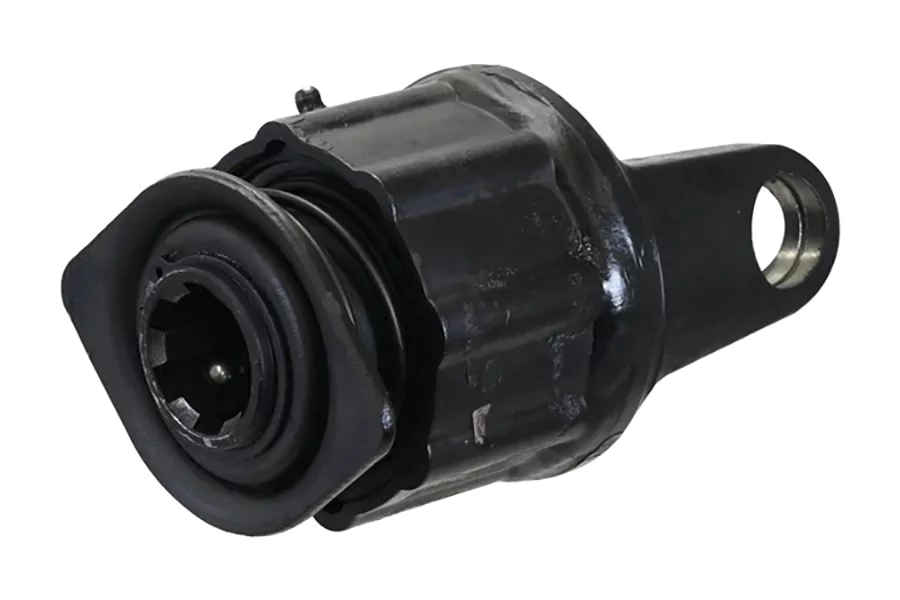
Ratchet torque limiters, also called load-separating torque limiters, use pawl-and-notch or ball-detent mechanisms. They physically disconnect the drive when torque exceeds a preset limit. This action effectively stops torque transmission.
Applications:
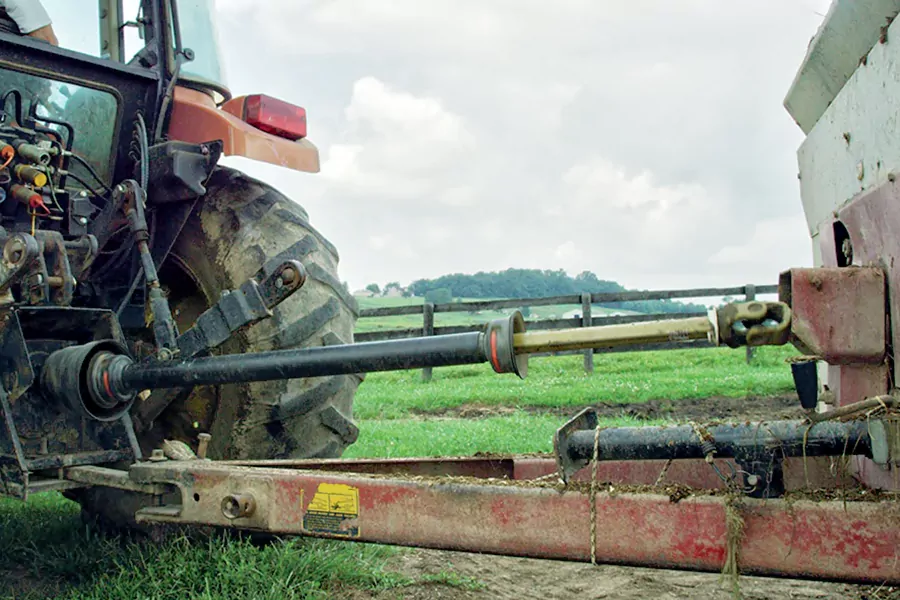
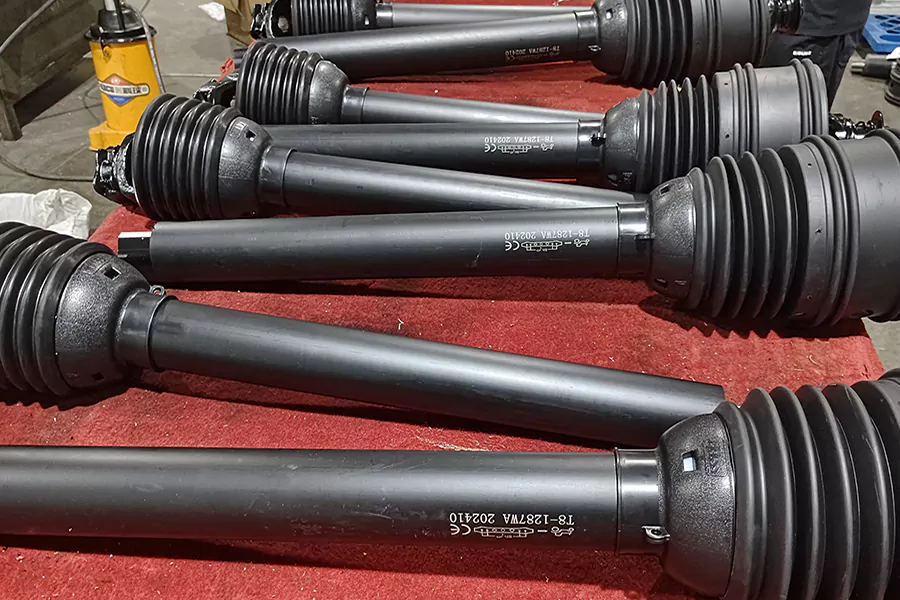
It works well in machines that face steady or changing high torque. Examples include PTO shafts in farm tools, shredders, mixers, and heavy rotating gear systems. In these cases, quick and complete disengagement is important when overload happens.
Advantages:
- Automatic and precise re-engagement.
- Minimized wear and heat compared to friction-based systems.
- Offers immediate and clear torque interruption.
Disadvantages:
- Repeated over-torquing may lead to wear on ratchet components.
- Audible engagement noise may occur.
- Typically limited to lower rotational speeds (e.g., <700 rpm) per typical PTO applications.
Comparison Table
Feature | Friction Torque Limiter | Ratchet Torque Limiter |
Overload Behavior | Slips via friction plates | Disconnects via ratchet or detent mechanism |
Reset Mechanism | Automatic (resumes slipping/transmission) | Automatic re-engagement when torque is normalized |
Heat & Wear | Constant slip generates heat and wear | Less heat; wear from engagement/disengagement |
Ideal Overload | Momentary, transient peaks | Constant or alternating torque conditions |
Operation Speed | Suitable for high-speed continuous operation | Often limited to lower speeds (<700 rpm typical) |
Application Types | Packaging lines, conveyors, PTOs, general machinery | Agricultural PTOs, heavy-duty rotating machinery |
Choosing the Right Torque Limiter
To determine which type suits your application best:
- Assess overload profile:If you face short-term spikes with demands for uninterrupted operation, friction torque limiters are better.
- Need for distinct disengagement:For critical shutdowns during overloads followed by seamless reset—opt for ratchet limiters.
- Speed and environment:High-speed or high-heat scenarios favor friction types; harsh environments or low-speed drives lean toward ratcheting types.
- Maintenance considerations:Friction systems need monitoring for heat and wear; ratchets require attention to wear on pawls/detents over repeated cycles.
Conclusion
Both friction and ratchet torque limiters help protect machines from overload.
- Friction torque limiters work best for smooth and steady running with little interruption.
- Ratchet torque limitersdeliver clear, automatic disconnection and reset, suited for high-stress environments.
Your choice should align with overload behaviors, operational speeds, maintenance profile, and cost considerations. A hybrid system or supplier consultation may also provide tailored protection.
About BAIQUAN Torque Limiters
BAIQUAN offers high-quality torque limiter solutions—including both friction-type and ratchet-type models—designed for agricultural drivetrains and industrial machinery. OEMs and maintenance engineers rely on BAIQUAN for durable, precision-engineered protection components. To explore BAIQUAN’s full product range and find the ideal torque limiter for your needs, visit the BAIQUAN company showcase page.