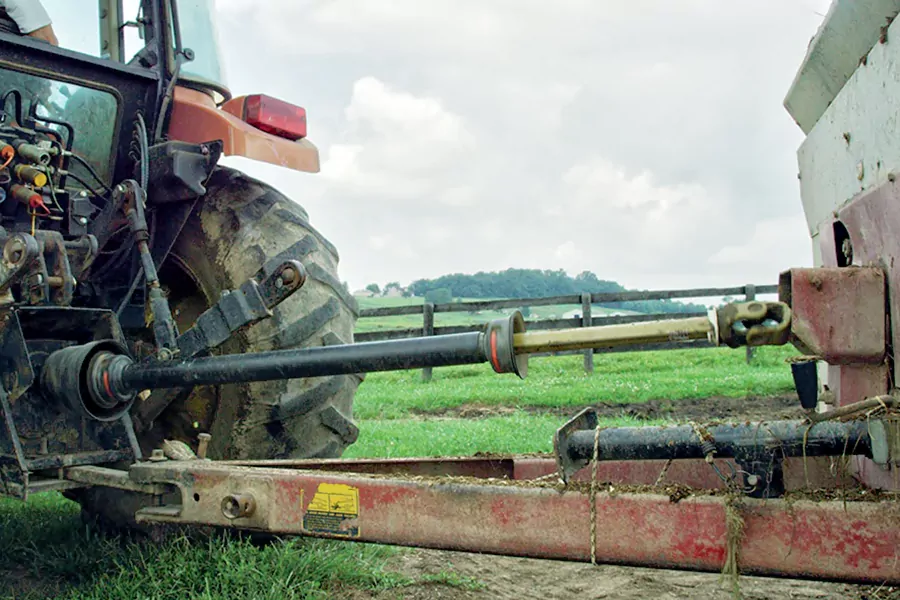
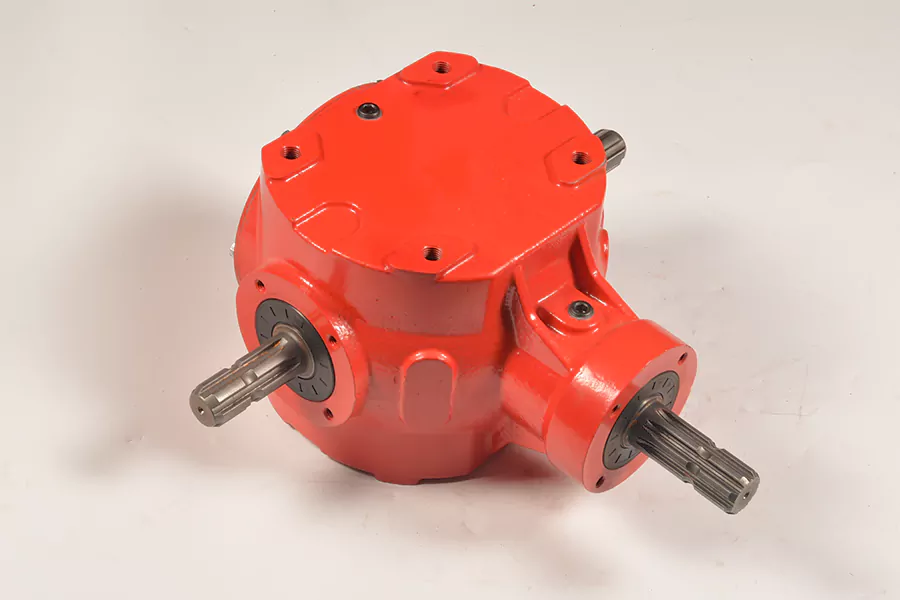
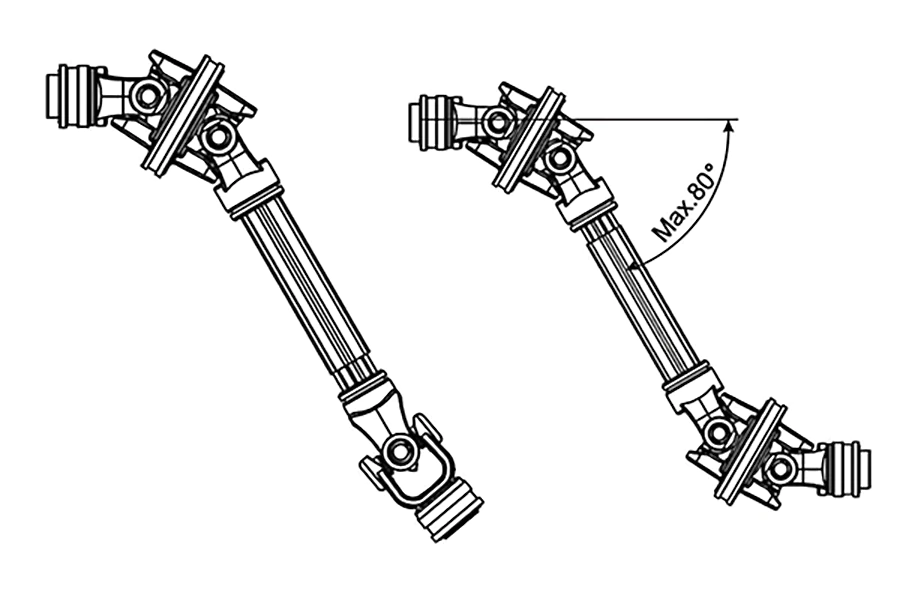
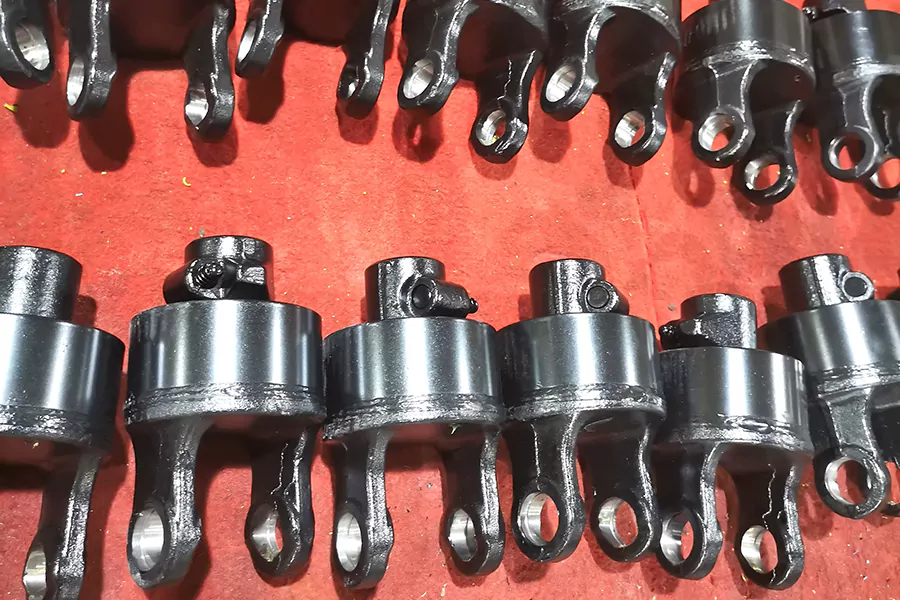
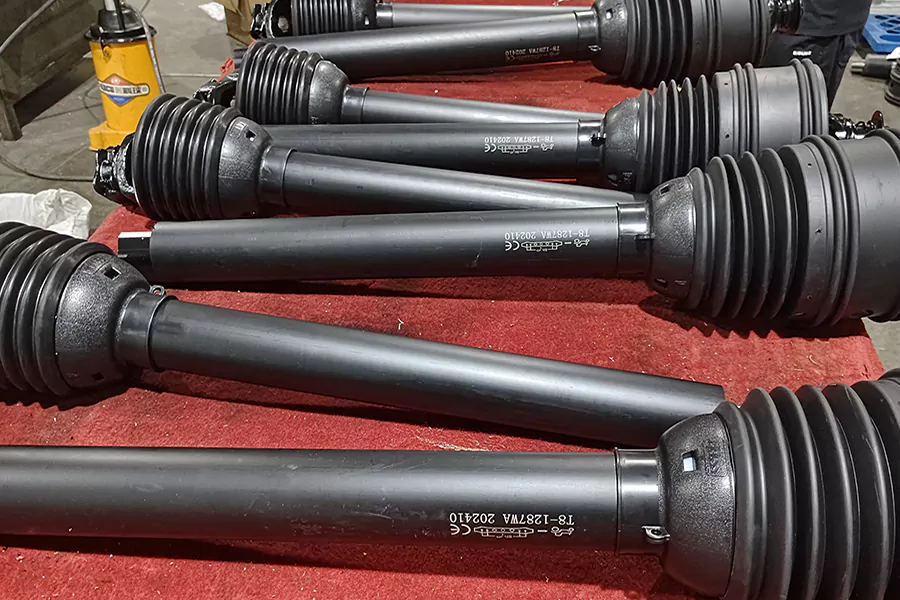
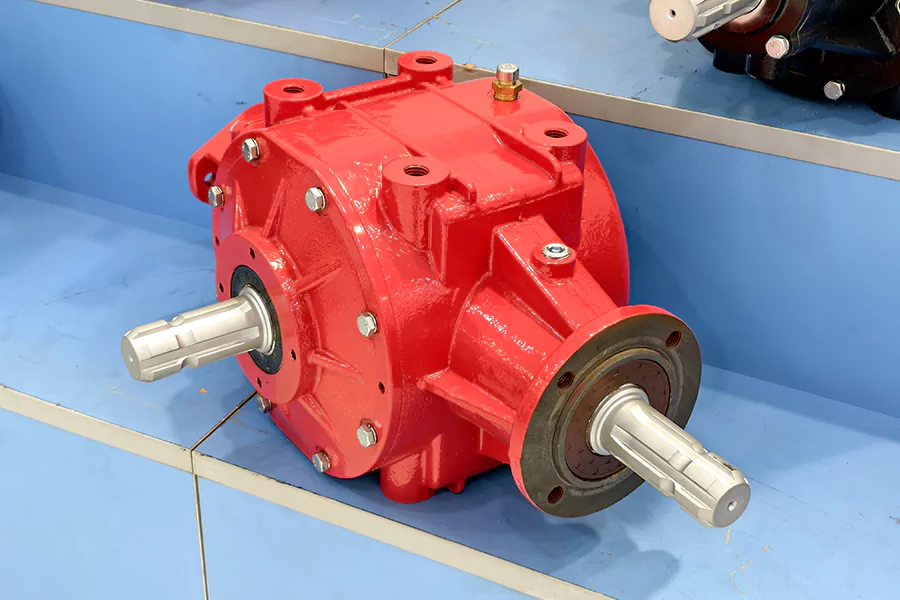
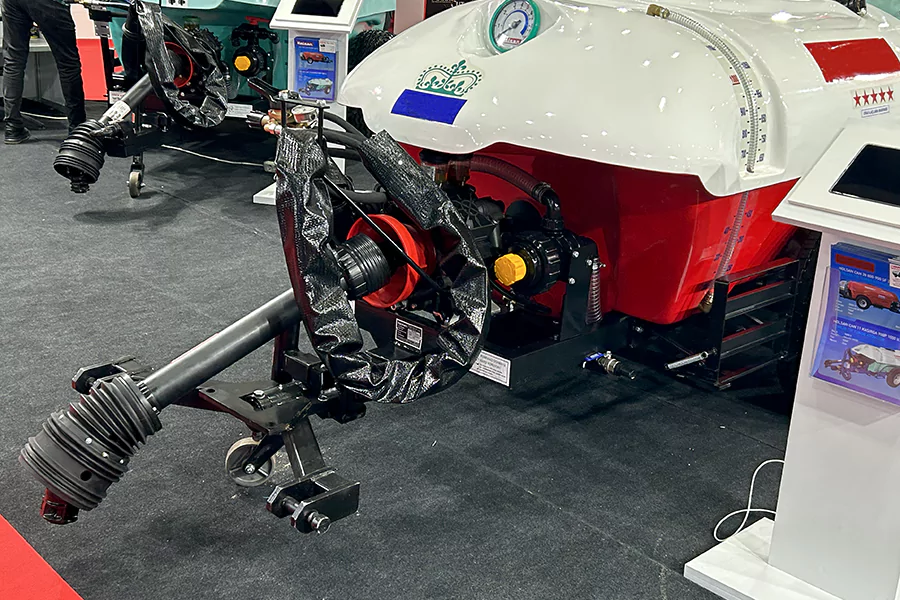
The Cross Kit plays a vital role in the transmission systems of agricultural machinery. Depending on the region, people might call it different names: Universal Joint Cross Kit (U-Joint Kit), Universal Joint, PTO Shaft Cross Kit, or Cross Bearing Joint. Its main job is to connect two rotating shafts at an angle, providing flexibility for movement and alignment between tractors and their implements. Put simply, it ensures smooth torque transmission. Here is a brief introduction, and more details will be provided later.
Cross Kits are widely used in agricultural machinery like mowers, tillers, harvesters and manure spreaders, enabling power transfer for plowing, harvesting, irrigation, and landscaping. They ensure smooth operation, efficiency, and versatility across various farming tasks.
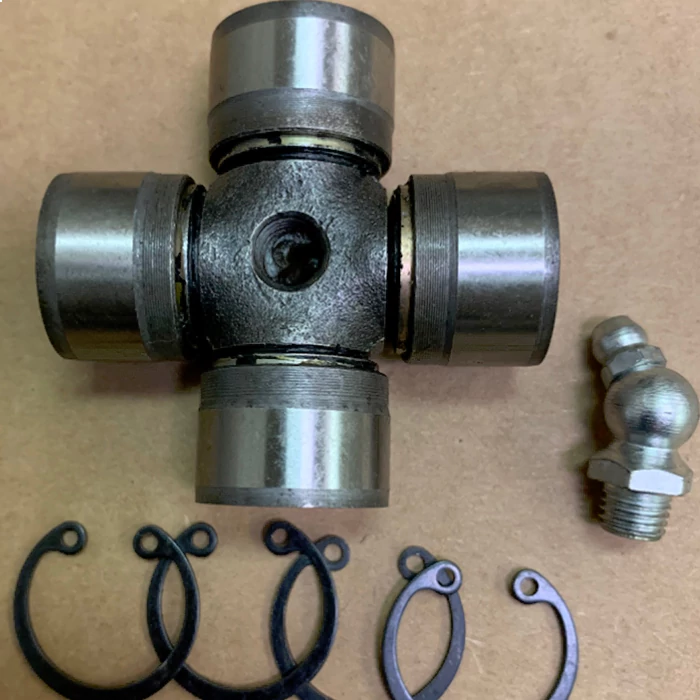
A typical Cross Kit includes a cross-shaped body, needle bearings, end caps, seals, and a grease fitting. Regular lubrication of the grease fitting is critical. Without it, the part may wear out quickly and affect the overall performance of your PTO system. We’ll explain more about proper maintenance later in this article.
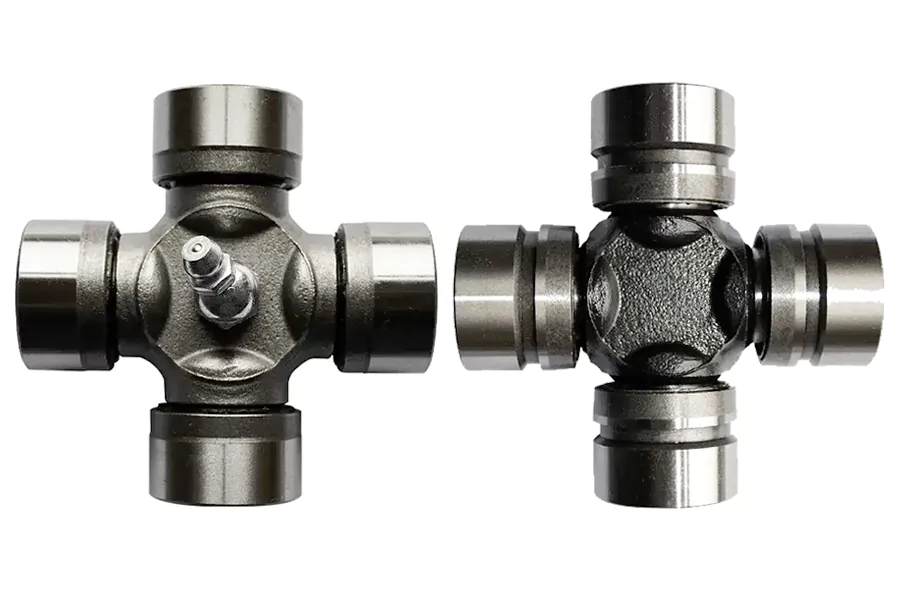
What are the key functions of the cross kit?
- Transmitting Power: The main job of Cross Kitsin PTO shafts is to transfer power from the power source (usually a tractor’s engine) to an attachment or implement. They help move rotational energy from one part to another.
- Flexibility and Motion Accommodation: Cross Kitslet the PTO shaft change its angle while transmitting power. This flexibility is crucial because the angles between the tractor and the implement can shift during use.
- Compensating for Misalignment: Cross Kitshelp deal with any misalignment between the tractor and the equipment it’s driving. Misalignment can happen because of uneven ground or mechanical inertia, especially in agricultural settings where terrain can vary a lot.
- Absorbing Impact and Vibration: Cross Kitshelp absorb and reduce the shock and vibrations that can happen in the PTO system while heavy agricultural machinery is working. This helps extend the life of both the PTO shafts and the components.
- Safety for PTO System: When PTO system is working properly, Cross Kitsplay a key role in keeping the machinery safe. If they’re faulty, it can lead to accidents or equipment failure.
What are the characteristics of high-quality cross kits?
With over 15 years of experience in agricultural machinery components, BAIQUAN has become a trusted name in PTO systems. Our cross kits are specially designed for agricultural use and offer several key benefits:
- Exceptional Strength and Longevity: Built from high-strength steel, these kits can handle the heavy torque and extreme conditions that come with agricultural work.
- Universal Fit: Our cross kits match standard PTO spline sizes, ensuring compatibility across a wide range of tractors and attachments. This helps you reduce the hassle of keeping too many different spare parts.
- Built-in Safety Features: We incorporate safety solutions, such as shear pins and slip clutches, to protect your equipment from sudden stress or excessive load.
- User-Friendly Design: Installation and removal are quick and simple, saving time for operators and improving efficiency in the field.
When choosing the right cross kit, it’s important to measure your PTO system dimensions accurately. Focus on two key measurements: the bearing cap diameter and the cross kit’s overall width. If you’re unsure, we’ve got you covered. Click This Link To View BAIQUAN’s Product Range—The cross kit comes with detailed size charts to help you find the perfect fit for your machine.
How to Replace Cross Kits on PTO Shaft?
Replacing or installing a PTO (Power Take-Off) shaft Cross Kit isn’t complicated. It does require careful attention to detail and safety only. Here’s a simple 7steps guide to help you get it done right:
- Safety First: Before starting, disconnect the PTO shaft from the tractor or any power source. Make sure that all the machinery is off and everything is powered down. Then clean off any dirt, grease or debris around the PTO shaft and Cross Kit to keep things tidy and prevent contamination when installing new parts.
- Remove the Old Cross Kit: Secure the PTO shaft in a vice or use supports to keep it steady. Start by removing the retaining clips or caps that hold the Cross Kit in place—pliers or a screwdriver work well for this. Once the clips are off, gently press or tap out the old Cross Kit. In this step, please be careful and operate slowly to avoid damaging the yoke or shaft due to improper force.
- Install the New Cross Kit: Line up the new Cross Kit with the yoke and make sure it fits snugly. If it comes with separate bearings or seals, carefully insert them into place. Double-check that everything is seated properly. Secure the Cross Kit with the new retaining clips or caps that came with it, and make sure they’re locked in tightly. Finally, apply grease evenly to ensure smooth operation.
- Check the installation results: After installing the new cross kit, check if it can move freely instead of being completely stuck. The correctly installed cross kit should be able to rotate smoothly.
- Reattach the PTO Shaft : Reconnect the PTO shaft to the tractor or implement. Make sure all connections are tight and secure so nothing comes loose during operation.
- Have a Test: Fire up the machinery and run the PTO shaft at a low speed. Listen for any unusual noises and check for vibrations.If everything looks and sounds good, then the installation is basically complete.
- Continuous Maintenance: After the installation, make it a habit to inspect the Cross Kit regularly for signs of wear, like unusual movement, rust, or damage. A quick inspection can save you from bigger problems down the line.
How to Maintenance Cross Kits?
Keeping your PTO shaft Cross kits in good shape is key for ensuring your farm machinery runs smoothly and safely (Not only the cross kit, but any other components should also require maintenance). Here’s a quick guide to maintaining them properly:
- Check Regularly: Take a good look at the Cross kit often. Watch out for signs of wear, cracks, rust, or anything that looks off. Make sure all parts—like bolts and clips—are secure, and check the lubrication points to ensure they’re not blocked.
- Keep It Lubricated: Follow the manufacturer’s instructions on when and how to grease the Cross kit. Regular lubrication keeps everything moving smoothly and prevents wear.
- Clean It Up: Dirt and debris can build up fast, so clean the Cross kit regularly. Make sure nothing is stuck in the mechanism that could cause trouble.
- Check Alignment: Misalignment can wear out your Cross kit quicker than you think. Make sure the tractor and implement are aligned properly. If you take the PTO shaft apart for repairs, double-check that it’s balanced before putting it back into use—this helps prevent vibrations that can cause damage.
- Fix or Replace When Needed: If you spot any damage or worn-out parts, don’t wait—replace them right away. Ignoring small issues can lead to bigger (and more expensive) problems.
- Operate Safely: Stick to the recommended speed and torque limits. Before starting, make sure the Cross kit is securely connected and everything’s in place.
- Store It Right: When you’re not using the PTO shaft, store it in a clean, dry place. This prevents rust and keeps the Cross kit in good condition for longer.
The above are the key points for maintenance of the cross kits, but there may be differences based on different models. Please feel free to consult our after-sales customer service at any time.
Common Cross Kit Issues & Troubleshooting
- Insufficient Lubrication
Lack of lubrication is a frequent issue. That will cause friction between the cross kit’s bearings. Over time, this accelerates wear and could lead to early failure.
Solution: Follow the manufacturer’s maintenance schedule for regular greasing. Use high-quality grease and apply it through the grease fittings (zerks) to ensure optimal lubrication for the bearings. - Binding or Stiff Movement
Cross kits may become stiff or bind due to the buildup of debris, rust, or improper alignment of the PTO shaft and connected machinery. This results in restricted motion and unnecessary strain on the system.
Solution: Thoroughly clean the cross kit to eliminate any debris or contaminants. Use rust removers or lubricants to address rust accumulation. Additionally, please ensure to verify the alignment between the PTO shaft and the input shaft of the implement to ensure smooth operation. - Excessive Wear or Component Damage
Constant heavy loads, harsh working environments, or extended use can cause wear or even damage to the cross kit, including the yokes and needle bearings. This can lead to power loss, vibrations, or unusual noises.
Solution: Regularly inspect the cross kit for visible damage or excessive play in the bearings. If you find that any components such as bearings or yokes are broken, try to replace them promptly with high-quality components. - Loose or Missing Fasteners
Bolts securing the cross kit to the PTO shaft or implement may loosen or fall off due to consistent vibrations or improper tightening during installation. This can cause misalignment and reduce power transfer efficiency.
Solution: Periodically inspect the bolts securing the cross kit (such as every 1~2 months or according to the company’s own situation). Tighten them as needed and replace any damaged fasteners with properly sized, high-strength bolts to ensure secure connections. - Seal Wear or Failure
Seals on the cross kit act as barriers to prevent dirt, moisture, or contaminants from entering the bearings. Damaged or worn seals can allow debris inside, leading to faster wear and performance issues.
Solution: Check for signs of worn or broken seals. If any damage is found, we suggest you to replace the seals ASAP. It will protect the cross kit bearings and extend their lifespan. - Unusual Vibrations or Noise
Excessive vibrations or abnormal noises during the operation of PTO system may signal underlying issues with the cross kit, such as misalignment, worn bearings, or component damage.
Solution: Inspect the alignment of the PTO shaft and the input shaft. Check the cross kit for any worn bearings, cracks, or loose components. Address any defects promptly by repairing or replacing the affected parts to eliminate vibrations and noise.
Explore More
The above is all about the Cross Kit. We hope it will be helpful to your business. Below are the links to recommend relevant content for you.