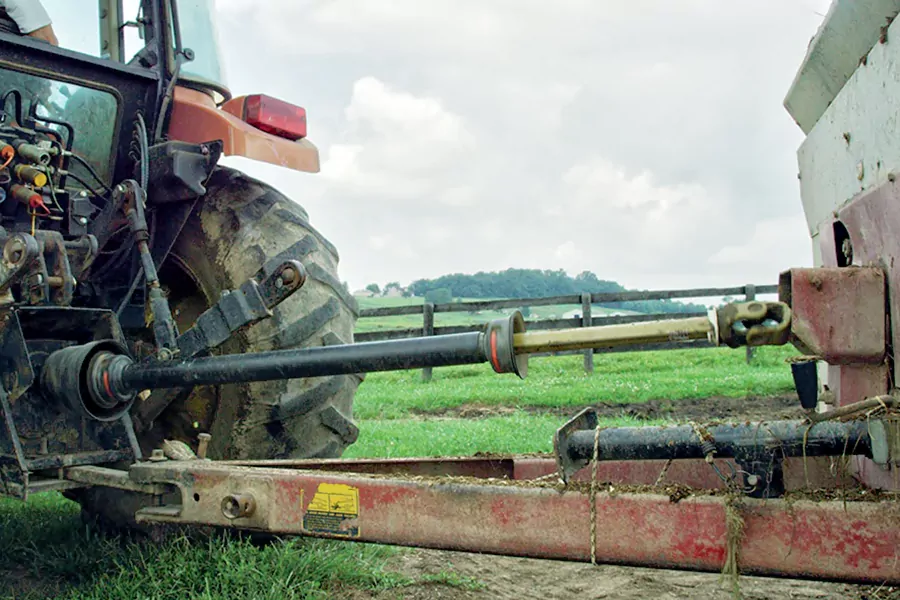
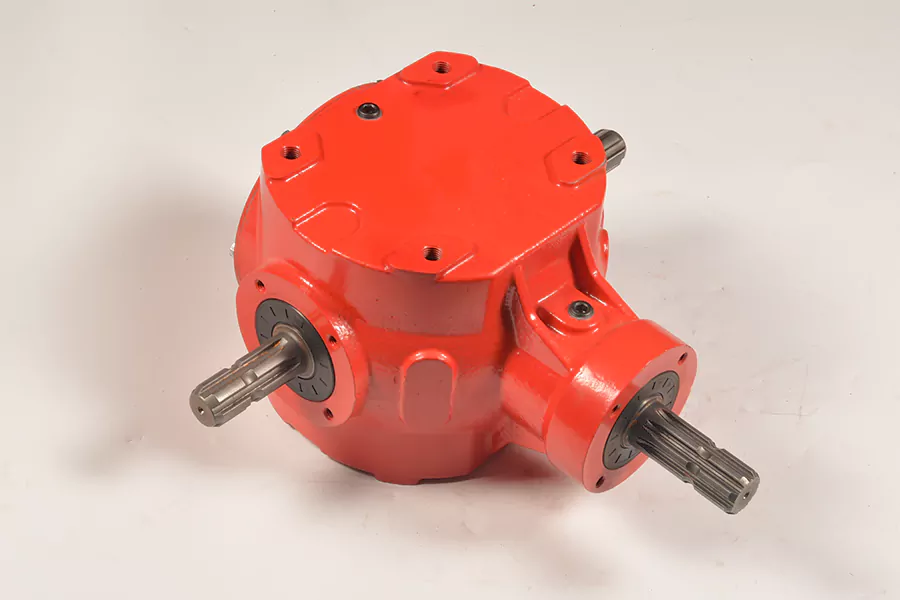
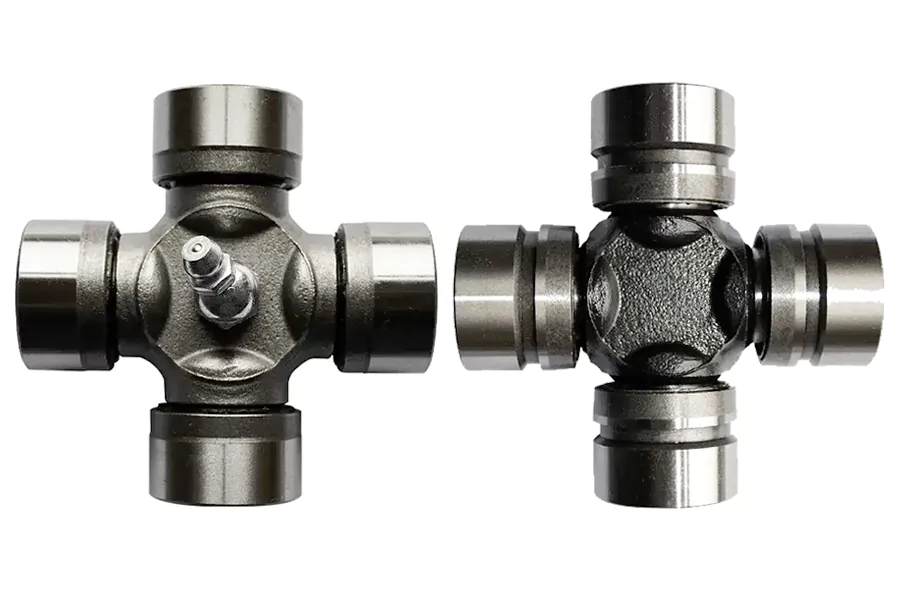
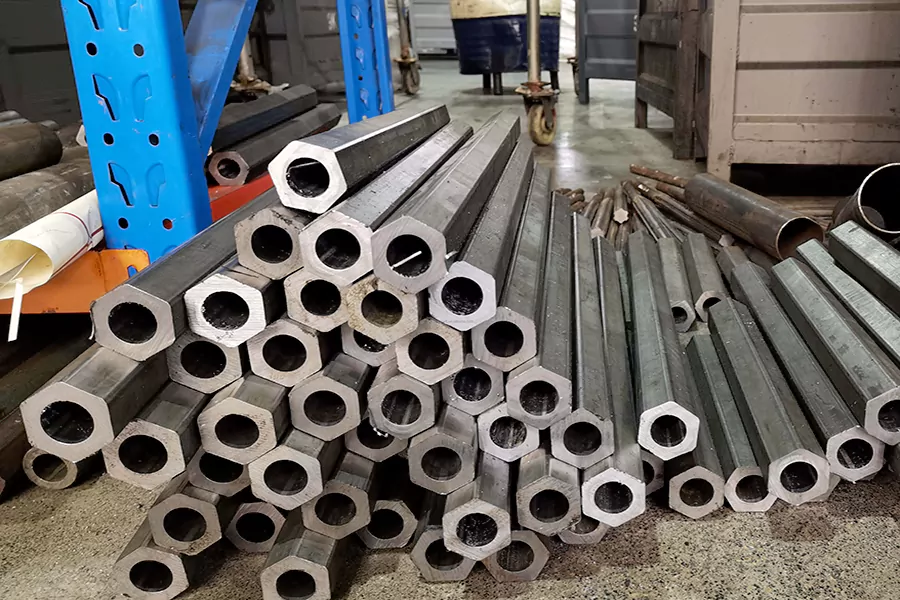
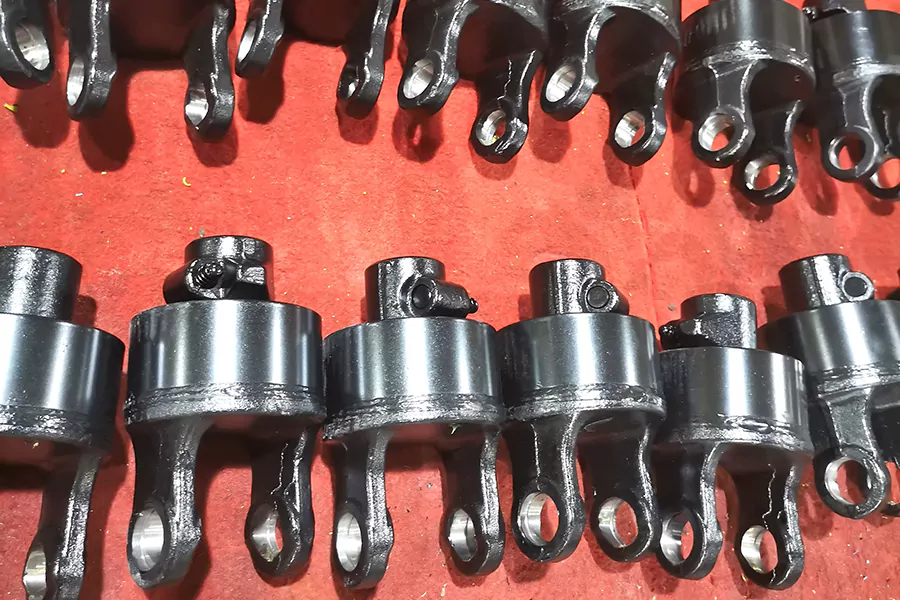
Cardan Joint is the abbreviation for Universal Joint, also known as the U-Joint. Currently, in the agricultural machinery industry, due to regional differences or other reasons, the term “Cardan Joint” is not consistently used. Some refer to the entire assembly of two yokes and the cross in the middle as a Cardan Joint, while others refer to the cross piece alone as the Cardan Joint.
To help you distinguish between different components, on the BAIQUAN website, the term “Cardan Joint” always refers to the complete assembly, which consists of two yokes and the cross in the middle (e.g., Wide Angle Joint and SD-Double Joint). If you are looking for information about the cross piece alone (which we differentiate as the cross kit.)
The Cardan Joint has two primary functions:
- Transmitting the power generated by the engine.
- Changing the direction of power transmission, providing greater flexibility for the PTO shaft.
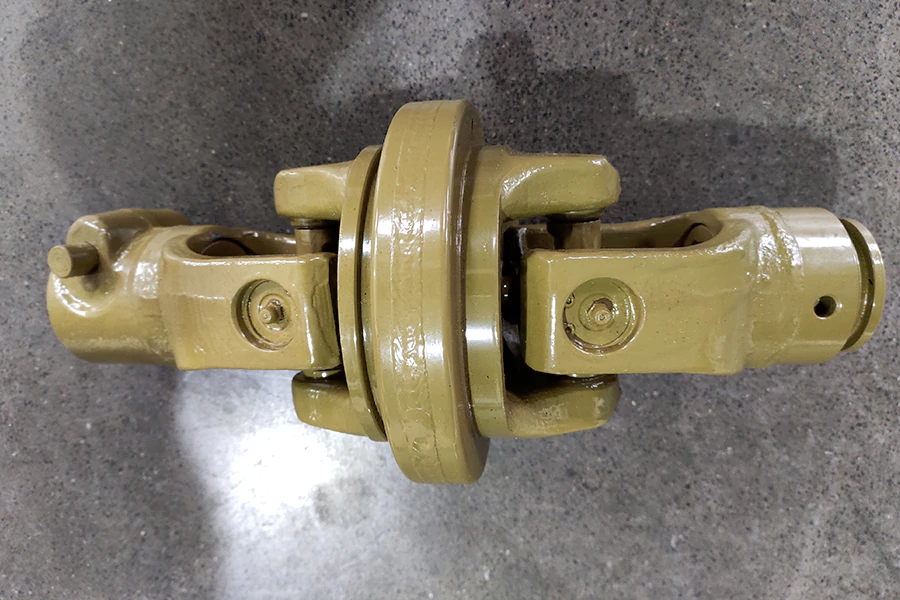
Theory of Cardan Joint Operation
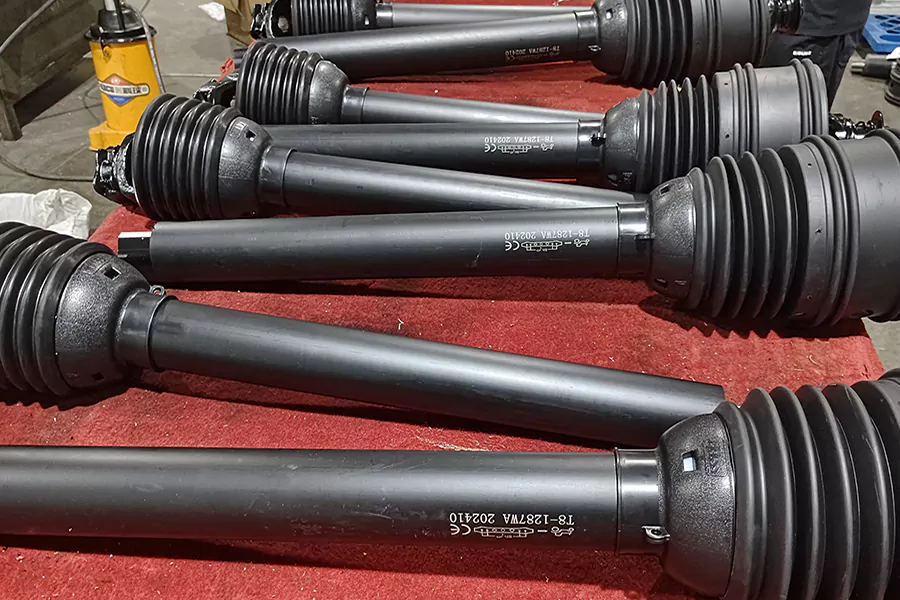
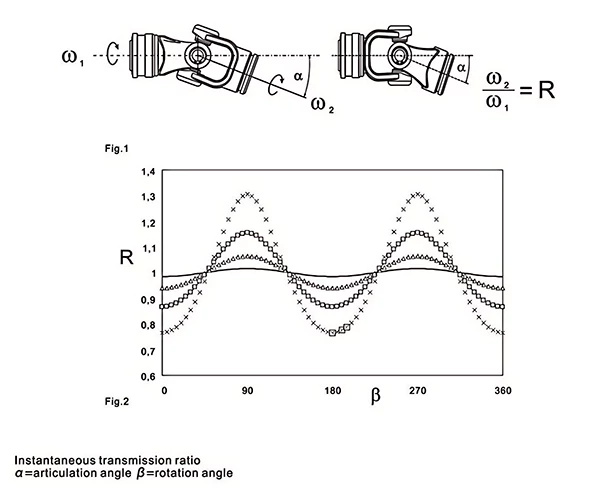
The PTO drive shaft for agricultural applications consists of two Cardan joints and a telescopic coupling. The Cardan joint, consisting of two yokes and a cross, is the component used to transmit motion between two tilted axles. The construction of the Cardan joint is such that during rotation, the speed of the output shaft is not always equal to that of the input shaft, and this variation in speed depends on the articulation angle of the joint (Fig.1). The transmission ratio as a function of the articulation angle and the rotation angle is shown in Fig.2. The greater the deviation from a ratio of 1, the larger the motion irregularity, which can cause undesirable effects such as vibrations, noise, and inertial stress.
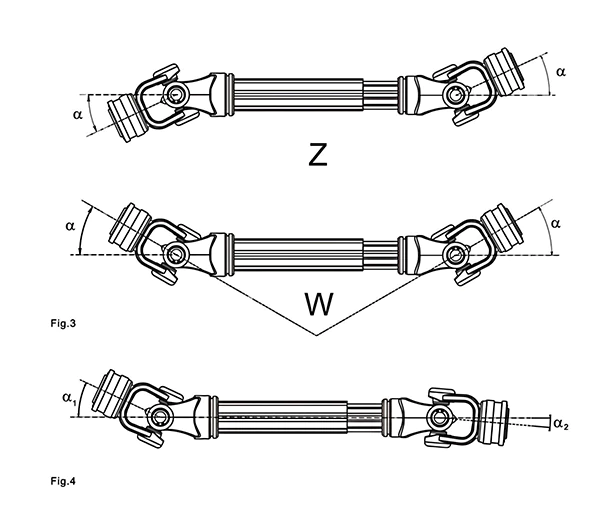
The standard PTO drive shaft consists of two Cardan Joints. The irregularities of the single joints can thus be cancelled or mutually combined. When the articulation angles of the two joints are equal (see configuration W or Z in Fig.3), the transmission becomes uniform, i.e., the speed of the output yoke is always equal to the speed of the input yoke, effectively eliminating any undesirable effects. In all other angulations (Fig.4), some irregularity remains, which can be evaluated using the graph on the following page (Fig.5).
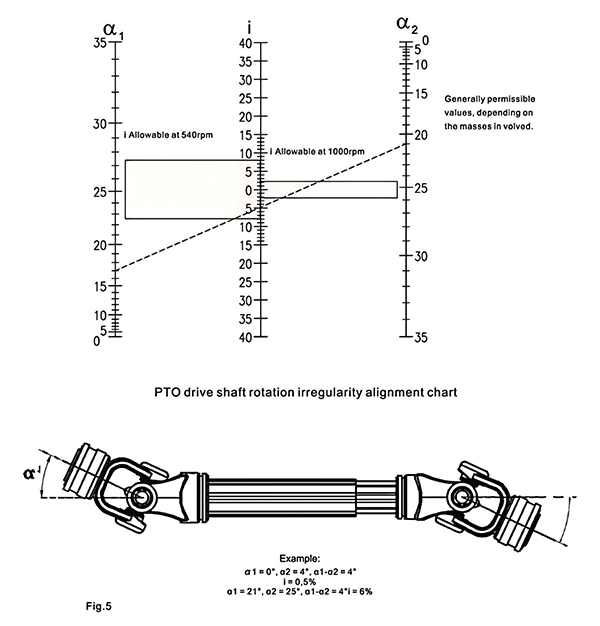
The irregularity of the motion depends on the articulation angles of the two Cardan Joints and on the difference between the articulations of the two joints (see the example: with an equal angular difference, the irregularity increases as the articulation angles of the single Cardan Joints increase).
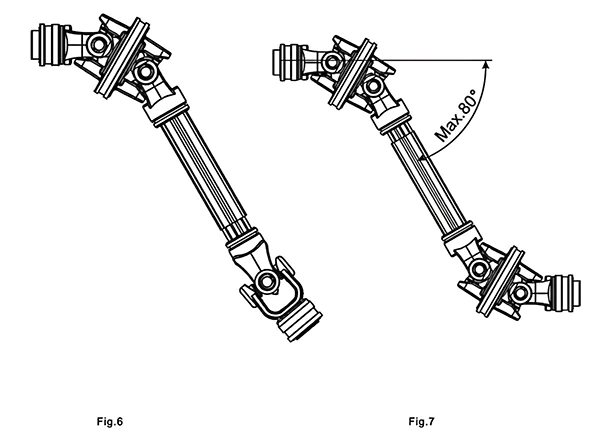
The CVJ (Constant Velocity Joint) is a double Cardan Joint with a centering system that evenly divides the articulation angle between the two yokes (W configuration). The speed of the output yoke always matches the input shaft speed, eliminating rotation irregularities. In a PTO drive shaft with a CVJ joint and a standard Cardan Joint (Fig.6), the total irregularity arises solely from the standard Cardan Joint, which must therefore operate at small articulation angles. For high working angles at both ends of the shaft, two CVJ joints must be used (Fig.7). The CVJ joint can handle high articulation angles only for short periods (e.g., while steering). The absolute quality and reliability of CVJ construction are ensured by the ball bridge welded to the yoke, which significantly reduces stress and wear in the ball-cylinder contact area and the splined coupling between the shaft and the yoke.
Installation of Cardan Joints
- Clean the Shaft Thoroughly: Make sure the PTO shaft surface is clear of rust, dirt, or any obstructions to ensure smooth installation.
- Properly Align the Joint: Position the Cardan Joint so it aligns seamlessly with both the input and output shafts.
- Secure the Yokes: Firmly connect the yokes of the Cardan Joint to the corresponding shafts, ensuring a tight and stable fit.
- Verify Alignment and Motion: Confirm that the input and output shafts are properly aligned and check for any restrictions in movement.
- Apply Lubricant: Lubricate the bearings or needle rollers within the joint to reduce wear and maintain smooth operation.
- Run a Function Test: Engage the PTO system with the tractor running to evaluate the joint’s performance under load.
Maintenance of Cardan Joints
- Routine Inspections: Regularly examine the Cardan Joints for visible signs of damage, wear, or misalignment that could affect performance.
- Consistent Lubrication: Apply high-quality grease periodically to ensure smooth movement and minimize friction-related wear.
- Keep Joints Clean: Prevent dirt, debris, and contaminants from accumulating by cleaning the joints after heavy usage.
- Check Fasteners: Ensure all bolts, clamps, and other connectors are tightened securely to maintain structural integrity.
- Maintain Alignment: Verify that the input and output shafts remain properly aligned to reduce unnecessary stress on the joint.
- Monitor Load Distribution: Avoid uneven load stress on the components to prolong the joint’s lifespan and ensure efficient performance.
Conclusion
The above is all about the Cardan joint. We hope it will be helpful to your business. Below are the links to recommend relevant content for you.