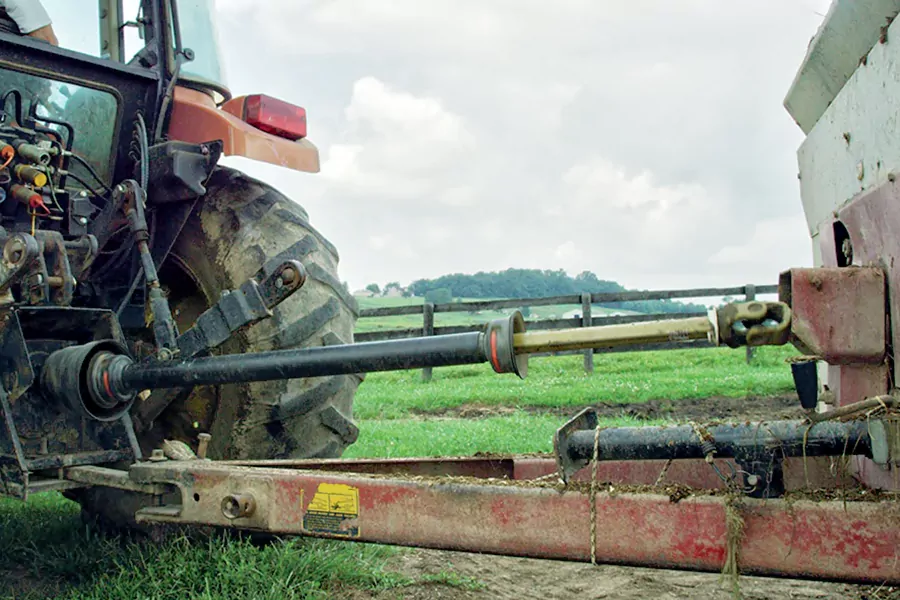
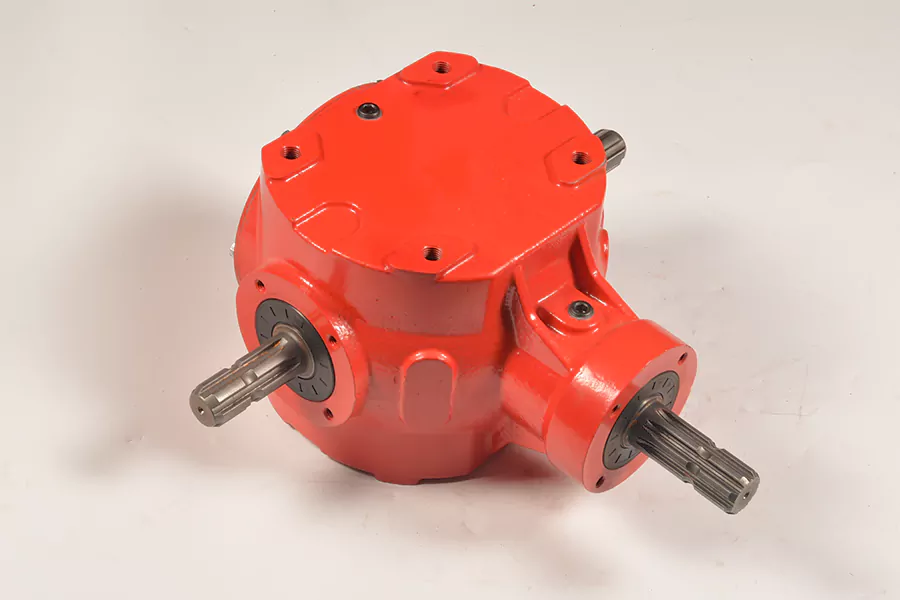
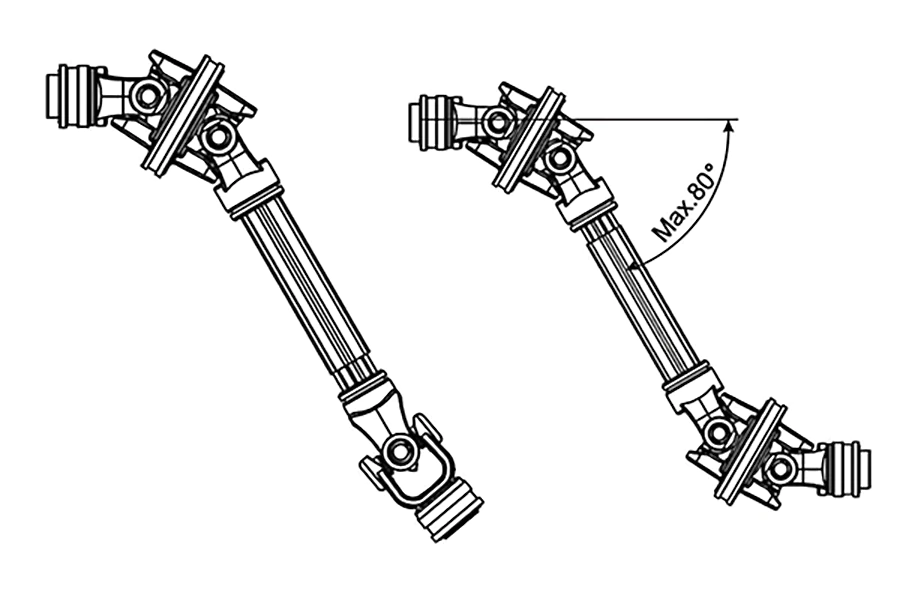
Nothing is more frustrating than stalling a repair because a replacement is off by a fraction of an inch. Acting as the crucial handshake between your driveshaft and the transmission output shaft, this component works together with the entire PTO driveline system, including the , and requires perfect PTO Shaft Assembly fitment. To avoid expensive returns, verifying splines, series sizes, and surface quality is essential prior to purchase.
How to Count Splines and Measure Diameter
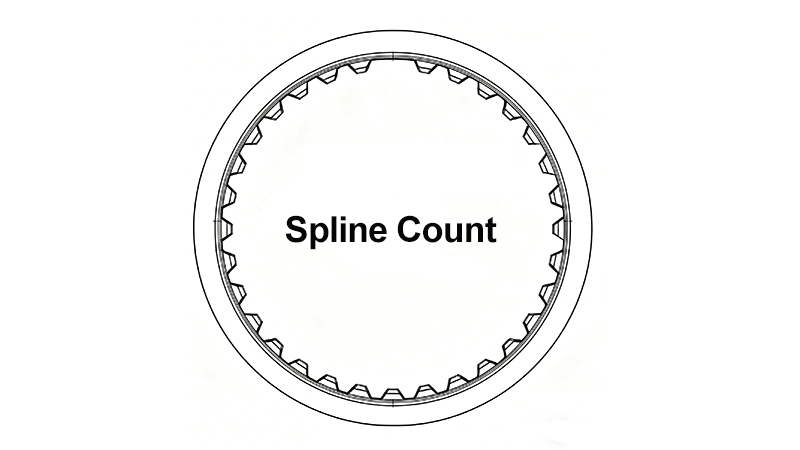
Determining transmission output shaft spline count ensures your new part actually fits. Think of splines—the internal ridges inside the yoke—like a house key’s specific shape. For measuring yoke spline diameter and count precisely:
- Use a paint marker to dot one tooth.
- Count clockwise.
- Double-check by counting again to ensure the number matches common counts like 27, 30, or 32.
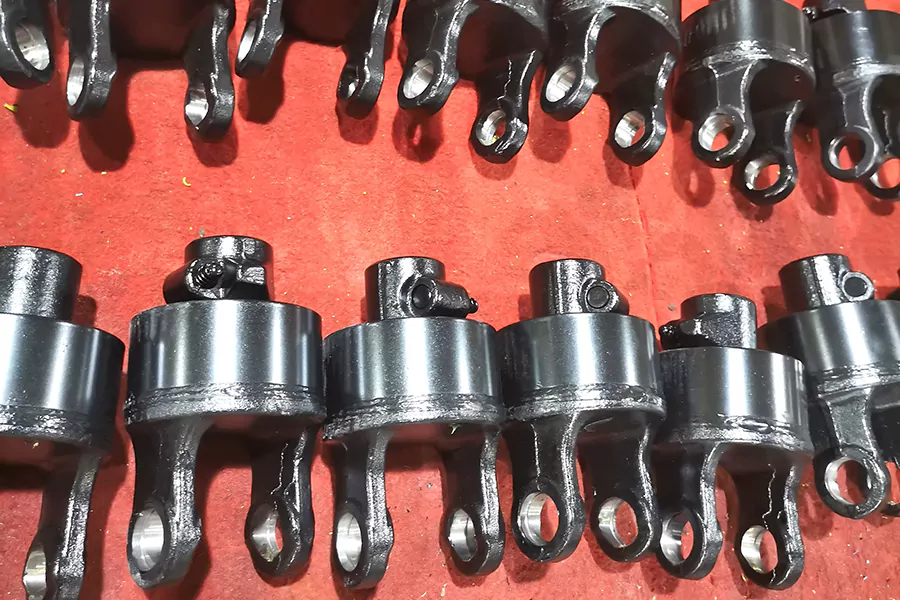
Once the inside fits perfectly, verify the outside dimensions. Knowing how to measure yoke barrel diameter—the smooth outer cylinder—prevents massive fluid leaks because this piece directly plugs into the rear rubber seal. This is especially important when selecting a replacement Splined Yoke, where precision fit directly affects sealing and performance.
Match U-Joint Series and Check Seal Surface
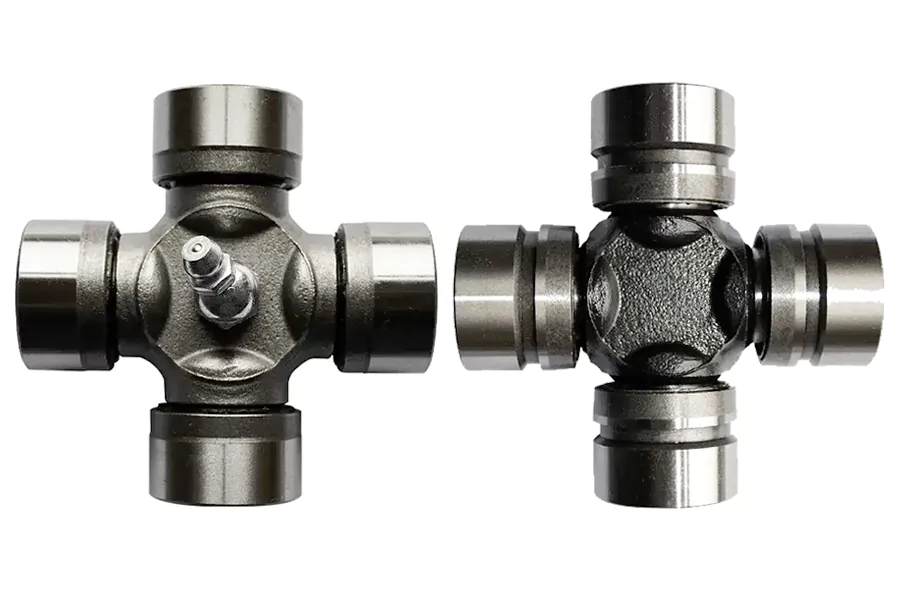
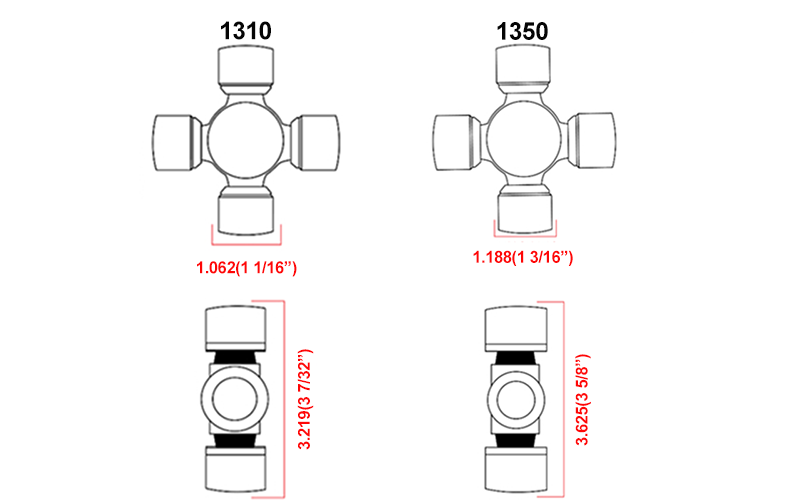
Think of U-joint “series” like standardized shoe sizes to prevent dangerous driveline vibrations. A 1310 series is a medium, while a 1350 is an extra-large. Knowing how to identify u-joint series size requires measuring the gap between the yoke ears—the two metal arms holding the joint, which connect directly with a U-Joint / Cross Kit.
Next, you must know how to check the yoke seal surface condition. The seal surface is the polished cylinder sliding into the transmission. Use the “Fingernail Test”: drag your nail across this smooth metal. If your nail catches on a groove, it will leak fluid. A clean surface guarantees a dry driveway, but always check for signs of driveshaft yoke ear distortion as well.
Spot Twisted Splines and Choose the Right Material
Choosing between forged vs cast steel drivetrain yokes matters when applying heavy twisting force. Cast parts work well for daily commutes, but high torque applications often require stronger components, especially when paired with protection devices like a Torque Limiter to prevent overload damage. Forged metal is pounded into a denser shape that resists snapping.
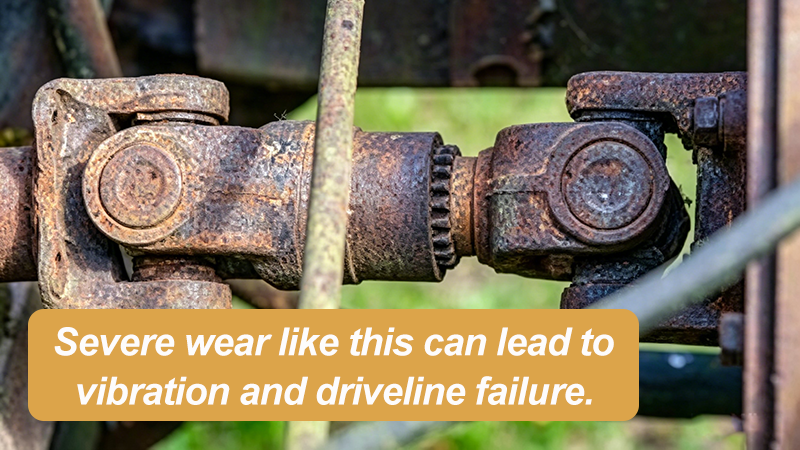
Extreme torque destroys weaker parts, making checking for twisted splines on used yokes crucial. If those internal teeth look “leaned over” instead of straight, they will soon fail. Additionally, practice evaluating spline tooth wear and galling—rough, torn patches from metal-on-metal friction that prevent smooth sliding.
5-Step Pre-Purchase Checklist
Preventing vibration issues and fluid leaks comes down to a methodical final check. Confirm proper yoke engagement length requirements, then run through these final verifications:
- Count the internal splines.
- Measure the barrel outside diameter (OD).
- Identify the required U-joint series.
- Inspect the seal surface for grooves.
- Verify the necessary material strength (Cast vs. Forged).
Following these steps ensures proper fitment and reliable driveline performance from the moment of installation.