Ever wondered why some farm equipment keeps running season after season while others break down constantly? The answer often lies in something most people never think about – bearings. These small but crucial parts keep everything moving smoothly in your machinery.
We have been working with farm equipment for years, and I can tell you that bearings are one of those things you don’t appreciate until they fail. When a bearing goes bad in the middle of harvest season, you’ll understand just how important these components are.
Farm bearings aren’t like the ones you’d find in a car or factory machine. They’ve got to handle dirt, dust, moisture, and temperature swings that would kill regular bearings in no time. And they’re dealing with the kind of loads and vibrations that come from agricultural workings.
Different Farms, Different Challenges
Australia’s got every kind of farming you can imagine. Down south, you’ve got dairy operations dealing with moisture and constant cleaning. Up north, grain farmers battle dust and heat. Out west, cattle operations need equipment that can handle rough terrain and long hours.
Each type of farming puts different demands on equipment. A dairy farm’s mixer wagon doesn’t face the same challenges as a grain harvester working through dusty paddocks. That’s why there’s no all-in-one solutions in agricultural bearings.
Most modern farms couldn’t function without mechanization. We’re talking about tractors, harvesters, plows, seeders, and irrigation systems – all packed with moving parts that need bearings to keep functioning. When I started farming, equipment was simpler. Now, a single combine harvester has dozens of bearing applications throughout the machine.
The thing is, farming doesn’t give you second chances. Miss your planting window because of equipment failure, and you’ve lost money. Have a breakdown during harvest, and you could lose an entire crop. That’s why reliable bearings matter so much.
Where Bearings Make the Biggest Difference
Tractors - The Workhorses
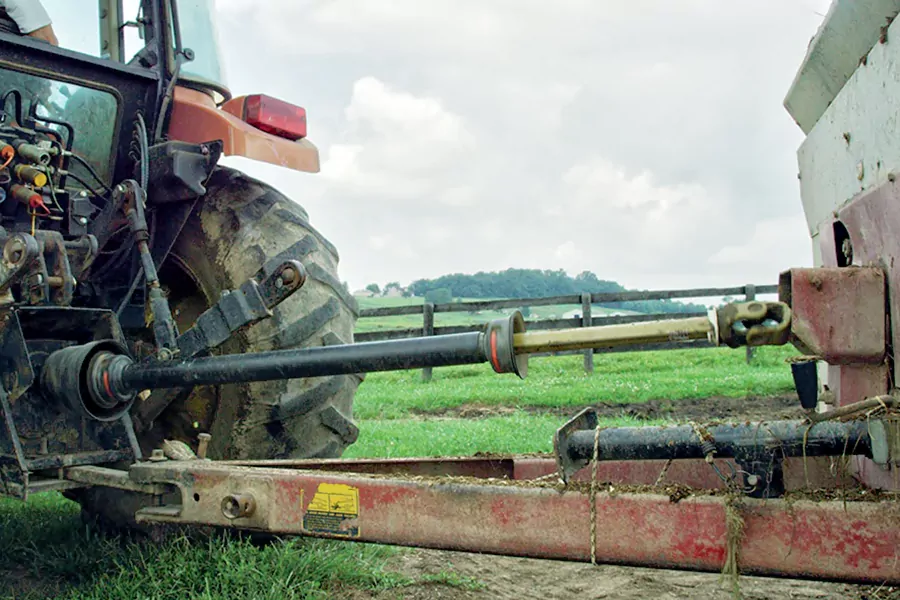
Tractors are probably the most bearing-dependent machines on any farm. Think about it – they’ve got bearings in the engine, transmission, axles, and power take-off. Then there’s the hydraulic pumps, cooling fans, and alternators.
What makes tractor bearings tricky is the variety of work they do. One minute you’re crawling through a paddock pulling a heavy cultivator, the next you’re running down the road at highway speed. Some days you’re operating a PTO-driven implement at high RPM, other days you’re just idling while running hydraulics.
I’ve seen plenty of tractors sidelined because someone tried to save money on bearings. False economy, really. A good bearing might cost more upfront, but it’ll outlast three cheap ones.
Harvesters - Complexity on Wheels
Combine harvesters blow my mind – they’re like factories on wheels, but man, they’re complicated. You’ve got the header up front doing the cutting, then there’s all the threshing gear, plus fans for cleaning, and don’t get me started on the grain handling bits. Bearings are everywhere in these things.
Harvest time is crazy – these machines can run dawn to dusk for weeks. Break down during harvest? You’re looking at serious money lost, and good luck finding parts quickly. That’s probably why I see more farmers asking for better bearings when they’re spec’ing new combines or doing rebuilds.
The amount of dust and chaff these machines work through would choke a vacuum cleaner. Standard bearings would fail quickly in these conditions, which is why sealed and protected designs are so important.
Plowing and Tillage Gear
Tillage equipment takes a beating. Plows, cultivators, and discs work through soil that can be anything from soft sand to rock-hard clay. They hit rocks, roots, and debris that would destroy lighter equipment.
Those discs and sweeps are working hard all day, and the bearings holding them up cop a real beating. We’re talking about some of the nastiest conditions you’ll find anywhere – mud, grit, water, plus all sorts of abrasive stuff that’ll tear up cheap bearings in no time.
Here’s what I’ve figured out over the years: if you try to save a few bucks on tillage bearings, you’ll pay for it later. Trust me on this one. When conditions are this rough, you want the toughest protection.
Irrigation Systems
Places where it doesn’t rain much? Irrigation gear runs pretty much 24/7 during growing season. Pump bearings are spinning constantly while getting splashed with water, and sometimes there’s chemicals in the mix too.
Murphy’s Law kicks in hard with irrigation – bearings always seem to fail when it’s hottest and driest, right when your crops need water most. Smart farmers keep spare parts on hand and don’t mess around with second-rate bearings.
Types of Bearings for Different Jobs
Ball Bearings - The All-Rounders
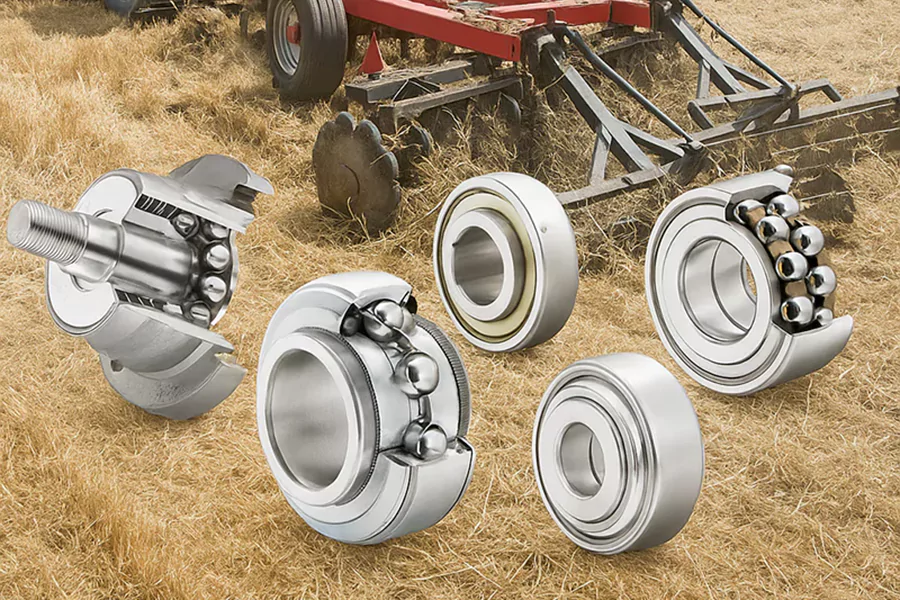
Ball bearings are everywhere in farm equipment. They’re in wheel hubs, transmissions, and countless other applications. Why do people like ball bearings so much? Simple – they’re flexible. Work fine with side loads, up-and-down forces, plus they’ll spin smoothly whether you’re going fast or slow.
Most of the time, ball bearings are what you want. They work well, don’t cost much, and you can get them anywhere. But when things get really tough or dirty, you might need better bearings.
Roller Bearings - When Things Get Heavy
Got some serious weight to handle? Roller bearings are your friend. The spherical ones are particularly good – they’ll take massive loads and won’t complain if your shaft isn’t perfectly straight.
Big tillage rigs, monster harvesters, anything that works hard – that’s where you’ll see these. Yeah, they cost more than ball bearings, but when you can’t afford a breakdown, the extra cost is worthy.
Sealed Bearings - Keeping the Junk Out
Farm life is hard on bearings. Dust everywhere, mud when it rains, moisture getting into everything. Regular bearings just can’t handle it. That’s where sealed ones come in – they’ve got shields or rubber seals that keep the bad stuff out and the grease in.
You can get different levels of protection. Basic shields stop big chunks of dirt, while fancy seals keep out even fine dust and water. Depends on how nasty your conditions are.
Making Smart Choices
Here’s the thing – quality’s important, but picking the right bearing for the job matters just as much. I’ve watched guys spend big money on premium bearings only to have them fail because they picked the wrong type or didn’t look after them.
Think about your conditions first. Dusty? Get better sealing. Wet and muddy? You want corrosion resistance. Heavy loads need tough construction, high speeds need smooth runners.
Maintenance is another factor people forget about. Some bearings need greasing every season, others are good for years. Pick what matches how you like to work.
What It All Comes Down To
Don’t let the small size fool you – bearings make or break equipment reliability. I’ve seen farms completely change their game just by upgrading to decent bearings and taking care of them.
It’s not about buying the cheapest bearing you can find. Think bigger picture – a bearing that costs double but lasts four times longer? That’s obviously that good bearings pay for themselves, factor in less downtime and fewer repair bills.
Farming keeps getting more high-tech, equipment keeps getting more complicated. That just makes reliable bearings more important than ever. Spend the time to pick the right ones for your gear or agricultural equipment, and you’ll see better stability on it.