📖 Table of Contents
- Introduction
- 1. A PTO Shaft Can Pull Clothing in Within Seconds
- 2. Guards Also Protect the PTO Shaft Itself
- 3. Not Every PTO Guard Offers the Same Protection
- 4. A Damaged Guard Should Never Be Ignored
- 5. Proper Installation Matters as Much as the Guard Itself
- 6. Choosing a Quality Replacement Guard
- Final Thoughts
Introduction
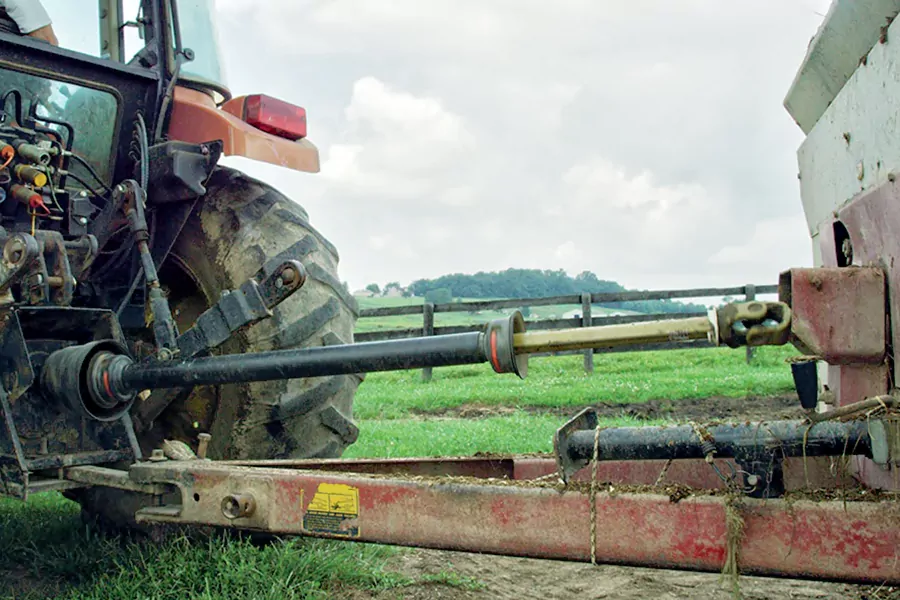
Walk around almost any farm and you’ll see a PTO shaft spinning between the tractor and the implement. It’s easy to forget because, once the machine starts working, it’s part of the backdrop. But from many years’ experience in service agricultural driveline components, I’ve seen one thing that remains true: the PTO shaft is one of the most hazardous moving parts on any piece of farm equipment.
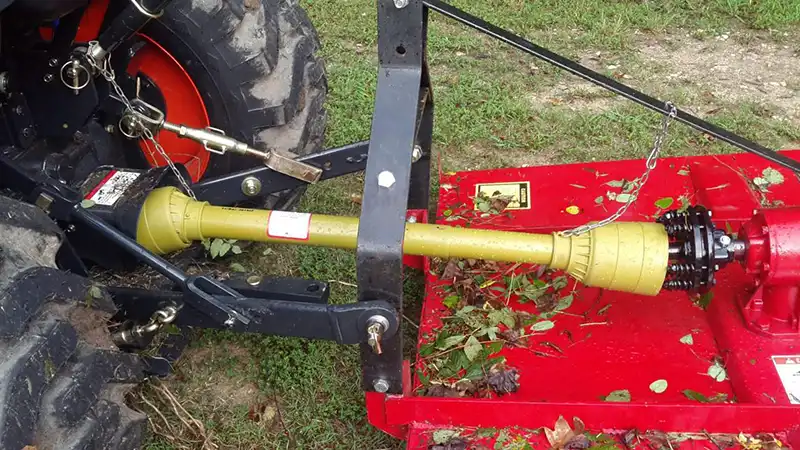
Many operators don’t ignore PTO guards because they don’t care about safety. More likely the guard is cracked, difficult to turn, or has fallen away after years of usage. Someone has removed the guard for a temporary repair, and it never gets put back on. That’s where the accidents are more likely to happen.
A PTO guard isn’t an optional accessory. It’s one of the simplest and most effective safety devices on the entire machine.
A PTO Shaft Can Pull Clothing in Within Seconds
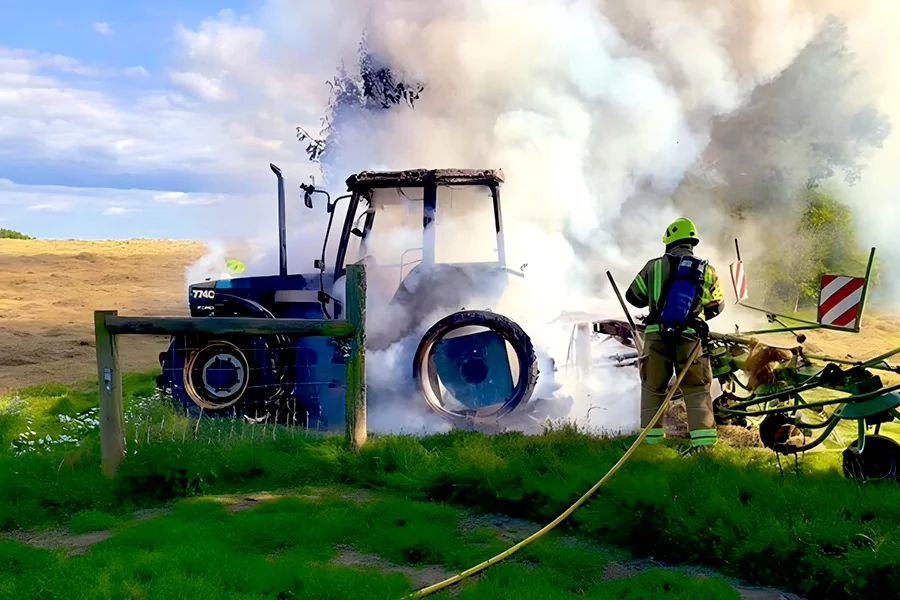
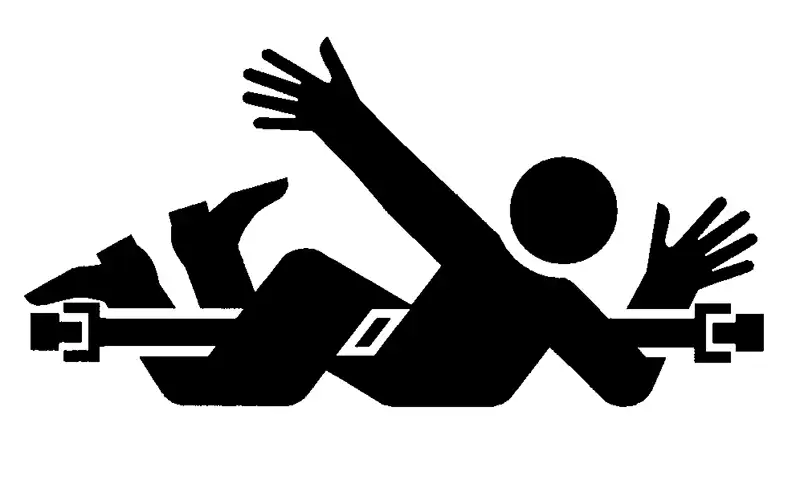
Unlike many exposed machine parts, a PTO shaft rotates continuously at high speed. Whether it’s running at 540 or 1000 RPM, the shaft doesn’t need much time to catch loose clothing, gloves, ropes, or even long hair.
The danger isn’t just the rotation speed—it’s the wrapping action. Once something catches on the shaft, it wraps around almost instantly. There is rarely enough time for the operator to react.
I’ve spoken to equipment dealers who say many customers don’t even ask to have replacement PTO guards installed until they watch an accident on an adjoining farm. That’s an unfortunate reminder that safety only becomes an issue when something goes wrong.
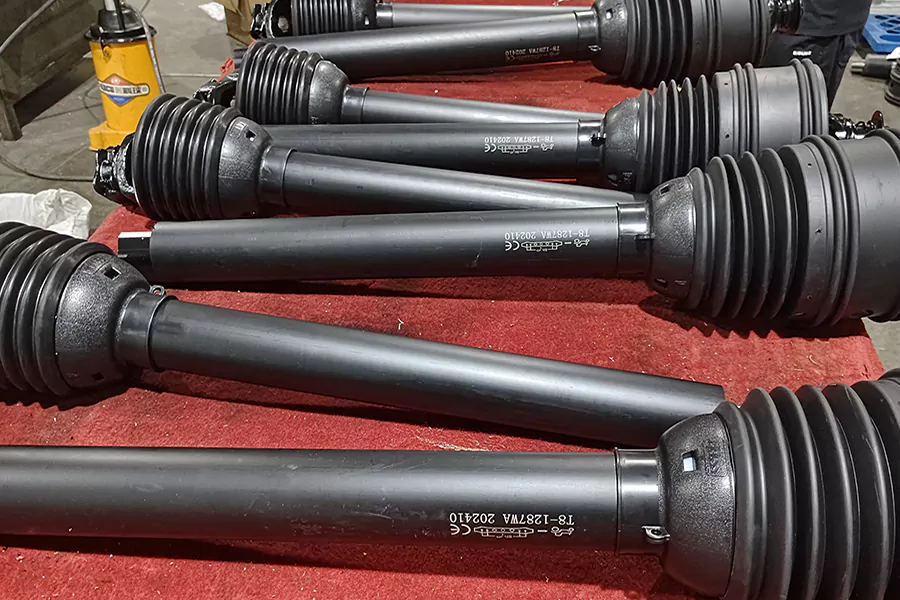
A properly installed PTO guard can provide a physical barrier between the rotating shaft and the operator—dramatically reducing the chance of an accidental contact.
Guards Also Protect the PTO Shaft Itself
People often think of guards only as personal protection, but they serve another important purpose.
A rotating PTO shaft constantly works in dusty, muddy, and sometimes rocky environments. Without adequate protection, crop residue, wire, twine, or branches can become wrapped around the driveline.
Over time, this debris may damage grease fittings, wear seals, interfere with telescoping tubes, or even affect universal joint movement.
One purchasing manager from a rotary cutter manufacturer once mentioned that many warranty claims traced back to poor maintenance were actually related to damaged or missing guards. The guard had failed first, allowing debris to reach the driveline.
Replacing a plastic shield costs far less than replacing an entire PTO shaft assembly.
Not Every PTO Guard Offers the Same Protection
One mistake buyers frequently make is assuming all PTO covers are interchangeable.
In reality, guard dimensions vary depending on shaft series, tube profile, universal joint size, and overall driveline length.
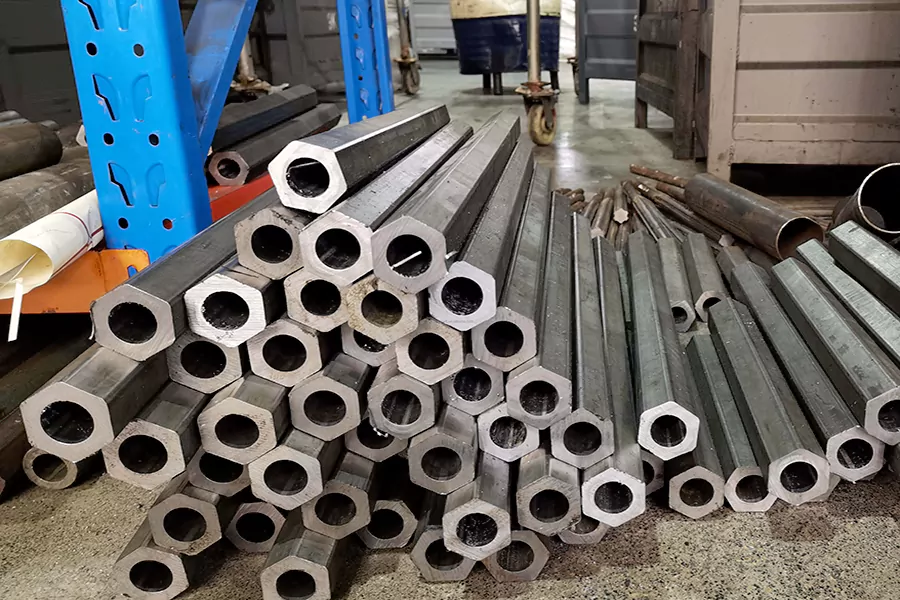
For example, a triangular PTO tube requires a different shield from a lemon tube or star tube. Even small dimensional differences can prevent proper installation.
When sourcing replacement guards, experienced buyers usually verify:
- PTO shaft series
- Tube shape
- Closed and extended shaft length
- Bearing dimensions
- Guard cone size
- Retaining chain position
Skipping these measurements often results in ordering a guard that simply won’t fit.
This is especially important for distributors purchasing aftermarket replacement parts from multiple suppliers.
A Damaged Guard Should Never Be Ignored
Many operators continue using equipment with cracked or partially broken shields because the PTO shaft itself still functions normally.
Technically, the machine may continue working.
From a safety perspective, however, the risk increases immediately.
Watch for signs such as:
- Cracked plastic tubes
- Missing retaining chains
- Broken guard bearings
- Shields that no longer rotate freely
- Missing end cones
- UV-damaged plastic becoming brittle
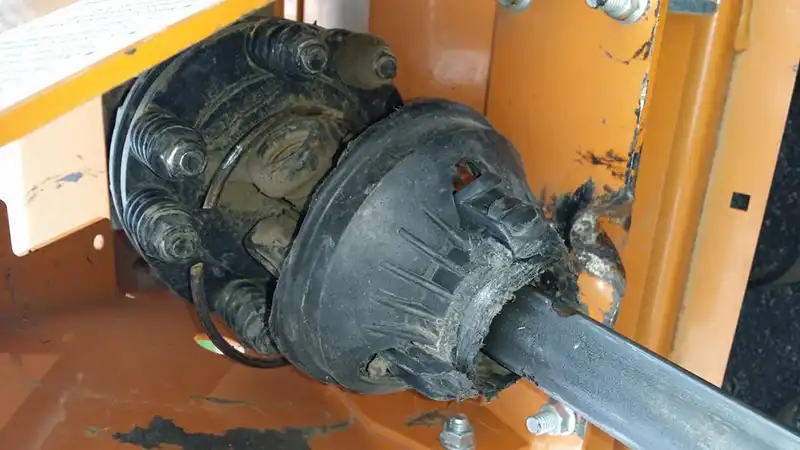
One industry trend I’ve noticed is that guards often fail gradually rather than suddenly. By the time pieces begin falling off, the protective function has already been compromised.
Replacing the guard early is usually quicker and less expensive than dealing with the consequences later.
Proper Installation Matters as Much as the Guard Itself
Even high-quality guards can become ineffective if installed incorrectly.
A common example is forgetting to secure the retaining chains. Without them, the outer shield rotates together with the shaft instead of remaining stationary.
I’ve seen this happen during equipment demonstrations. Operators assume the guard is working because it’s still attached, while in reality it’s spinning at full PTO speed.
During installation, always confirm that:
- The guard rotates independently from the shaft.
- Retaining chains are securely fastened.
- Bearings rotate smoothly.
- The shield fully covers the telescoping tubes.
- Nothing interferes with PTO movement during turning or lifting.
A quick inspection before starting work takes only a minute but can prevent serious problems.
Choosing a Quality Replacement Guard
For equipment manufacturers and aftermarket distributors, selecting the right supplier matters just as much as choosing the correct size.
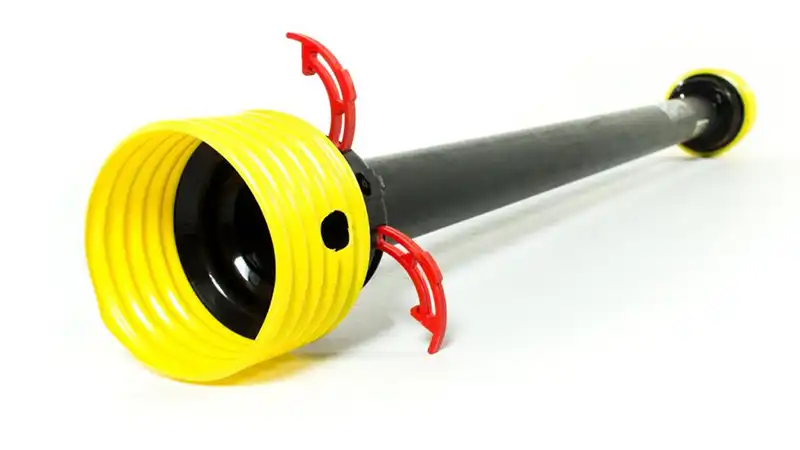
Good-quality PTO guards generally feature:
- UV-resistant engineering plastic
- Smooth rotating bearings
- Strong impact resistance
- Reliable locking components
- Consistent dimensional accuracy
- Compatibility with OEM shaft series
Price alone shouldn’t drive the purchasing decision.
In international sourcing, I’ve seen inexpensive guards that looked identical in photos but became brittle after one season under strong sunlight. Spending slightly more on higher-grade materials often reduces warranty claims and improves customer satisfaction over the long term.
Final Thoughts
The purpose of a PTO guard is simple: it separates people from one of the fastest-moving components on agricultural equipment.
It’s also one of the few safety parts that protects both the operator and the driveline at the same time.
Whether you’re maintaining tractors, supplying replacement parts, or purchasing PTO components for equipment production, treating the guard as an essential component—not an optional plastic cover—is a smart investment.
Regular inspection, timely replacement, and selecting a properly fitted, durable PTO guard can significantly improve both workplace safety and equipment reliability. On busy farms, those small maintenance decisions often make the biggest difference over the life of the machine.