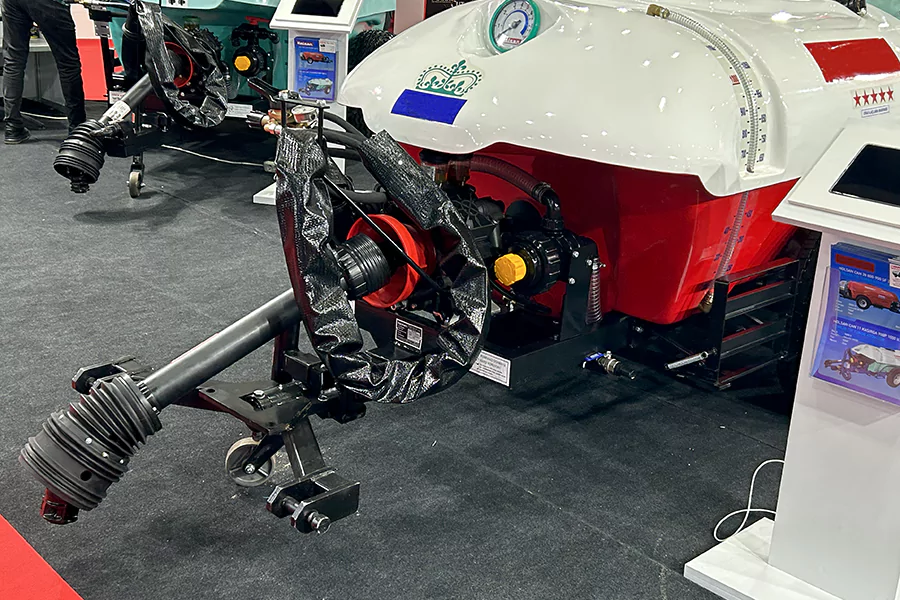
Every so often, someone asks a surprisingly simple question:
“Does this PTO shaft comply with the right standards?”
Simple question. Not such a simple answer.
There isn’t a single worldwide rulebook for PTO safety. Europe has its own legal framework. North America approaches the subject differently. Australia and many Asian countries rely heavily on ISO-based standards but introduce local requirements where necessary. At first glance the documents look unrelated, yet they all try to solve the same problem—keeping people away from a rotating shaft that never gives a second chance.
That’s really where the conversation should start. Not with certificates or labels, but with the hazard itself.
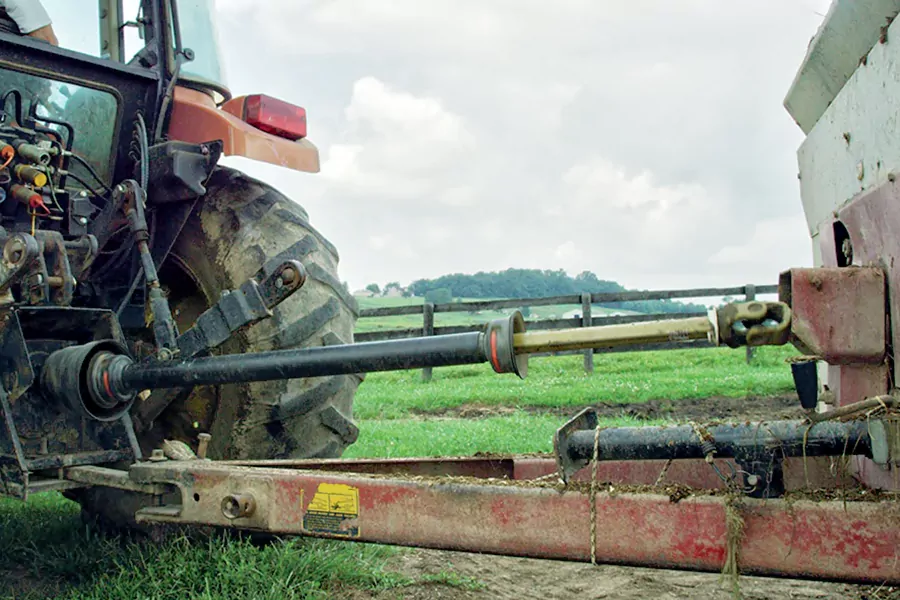
Anyone who has watched a PTO shaft turning at 540 rpm knows how ordinary it looks. Nothing dramatic. No loud warning. Just a driveline doing its job. The danger comes from how quickly ordinary situations become extraordinary. A loose jacket string, a damaged shield, or a missing retaining chain may seem like minor issues, but they’re exactly the kind of problems these standards are designed to prevent.
ISO Is the Starting Point, Not the Whole Story
People sometimes speak about ISO as if it were a government authority. It isn’t. ISO develops technical standards, while governments decide whether those standards become part of national legislation. That distinction matters because it explains why compliance requirements vary from one market to another.
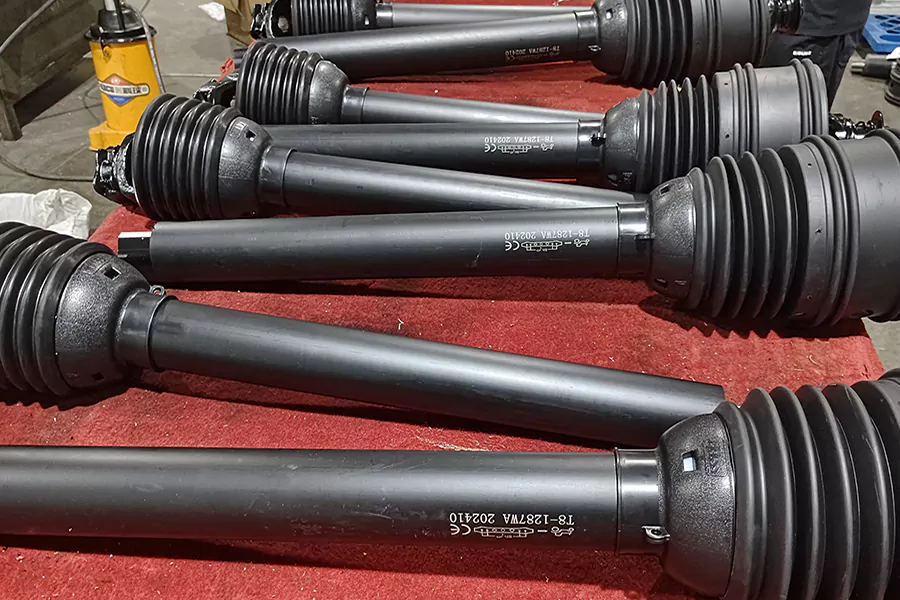
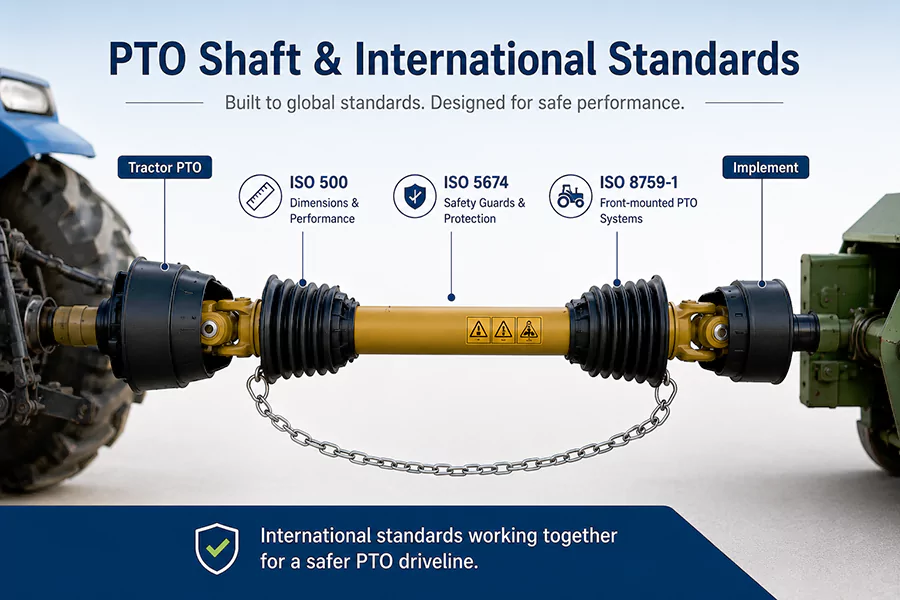
Take ISO 500, for example. Engineers rely on it because common dimensions and operating characteristics make tractors and implements compatible across different manufacturers. Another widely referenced document, ISO 5674, has a different purpose. Instead of defining dimensions, it focuses on the performance of PTO shaft guards. Imagine a guard after months of dust, vibration, sunlight, repeated coupling, and daily field work. Will it still protect the operator? That’s essentially what ISO 5674 is intended to verify through laboratory testing.
Front-mounted PTO systems create different engineering challenges, which is why ISO 8759-1 exists. Rather than replacing one another, these standards complement each other, covering compatibility, guard performance, and installation requirements from different angles.
Where CE Fits In
One misunderstanding appears again and again. People ask whether a PTO shaft is “CE certified.” Strictly speaking, that’s not how the CE marking system works.
The CE mark isn’t a quality award. It represents the manufacturer’s declaration that the machinery complies with applicable European legislation. Behind that declaration sits technical documentation, risk assessment, operating instructions, and appropriate protective guarding.
For buyers, the practical question is much simpler: Can the supplier clearly explain how the product demonstrates compliance? If the answer is vague, it’s usually worth asking a few more questions.
Different Markets, Similar Expectations
Read regulations from different countries and the wording changes. Read enough of them, however, and another pattern starts to appear. Europe expects machinery placed on the market to satisfy its legal requirements. The United States places strong emphasis on workplace responsibilities through OSHA. Other regions often build national standards around ISO documents.
Different systems. Similar expectations. Rotating parts should be guarded. Operators should receive proper training. Damaged safety components shouldn’t remain in service. It’s difficult to argue with any of those principles.
The Standards Don't Replace Common Sense
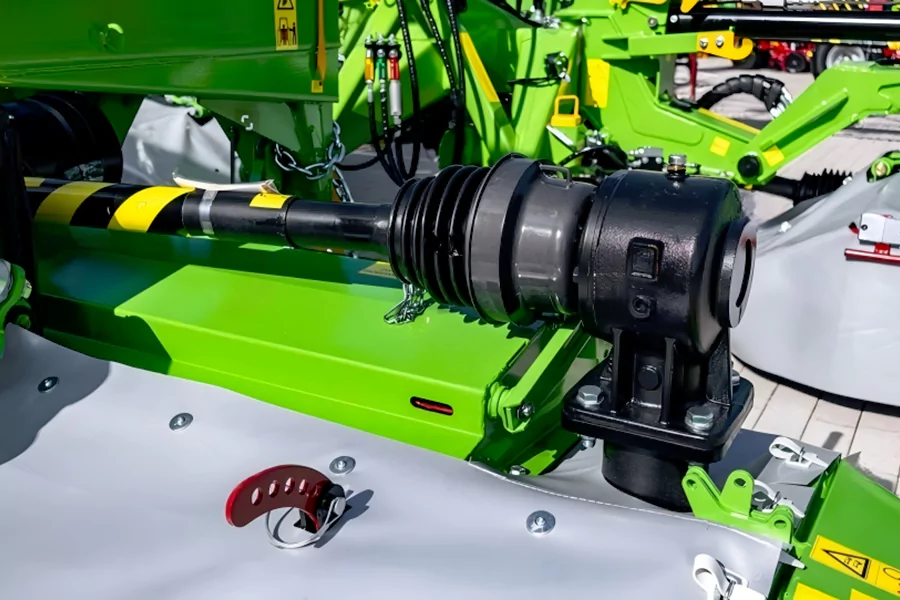
This might be the easiest point to overlook. A PTO shaft can leave the factory in perfect condition and still become unsafe six months later. The plastic guard cracks. The restraining chain disappears. Someone removes the shield because servicing is “quicker.”
None of those problems are caused by poor engineering. They’re maintenance issues, but the result is exactly the same—the protection the standards were designed to provide gradually disappears. That’s why experienced equipment owners usually inspect the guard before looking at almost anything else.
Buying Beyond the Specification Sheet
Price, torque capacity, and spline configuration are easy to compare. Safety isn’t always that obvious.
When evaluating suppliers, it’s worth asking how their guards are tested, which standards guide product development, and whether technical documentation is available for the target market. Those questions often reveal far more than another decimal point on a specification sheet.
At BAIQUAN, we take exactly that approach when developing PTO shafts and agricultural drivelines for international customers. Performance matters, but dependable guarding, consistent manufacturing, and compliance with recognized standards matter just as much. After all, a PTO shaft is expected to transfer power every working day, and the safety system surrounding it should be just as reliable.