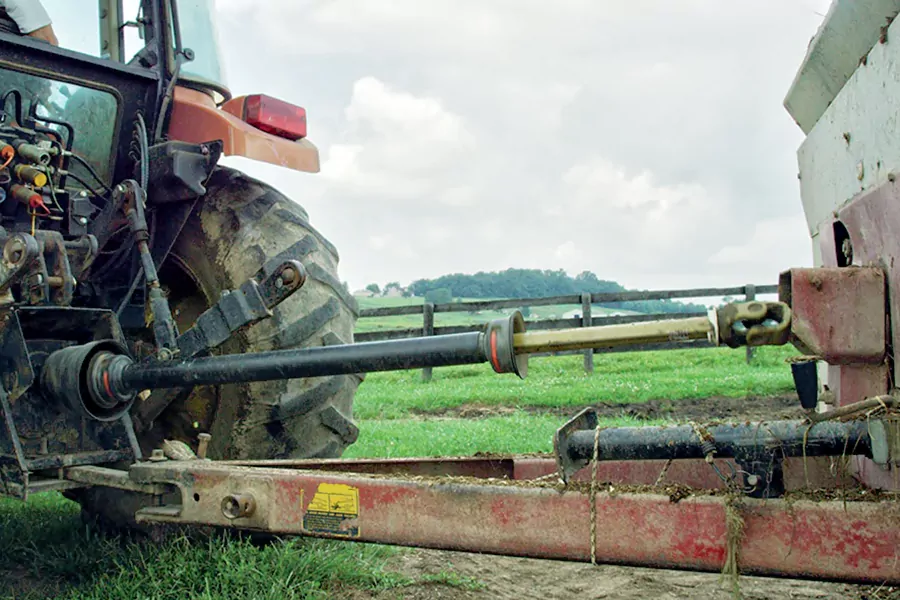
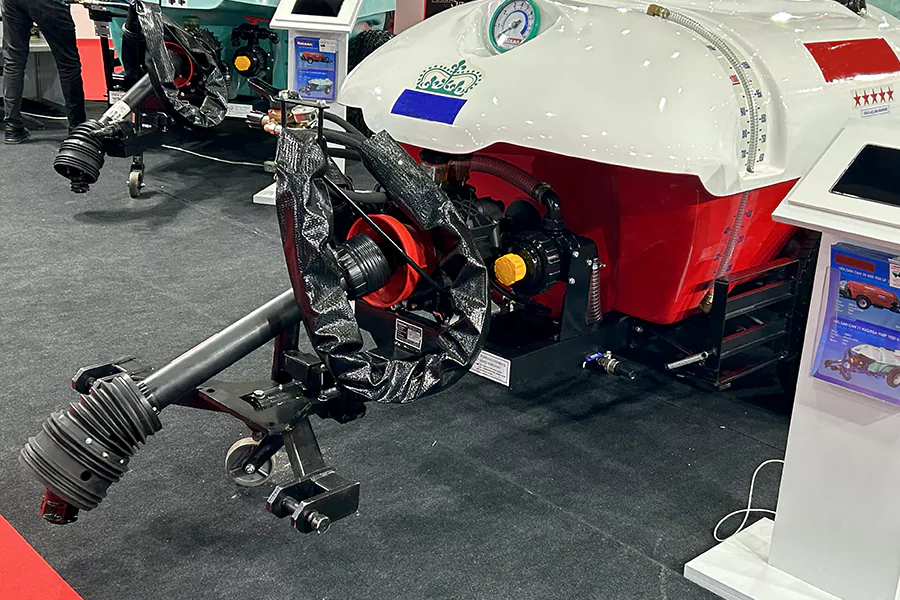
Your tractor’s PTO system is what sends engine power back to whatever you’ve got hooked up—tiller, mower, baler, spreader, you name it. Problem is, not every tractor and implement speak the same language at that connection point. Shaft sizes differ. Spline counts differ. Sometimes the damn things just won’t mate up no matter how hard you shove.
That’s where a PTO adapter earns its keep. It provides a mechanical connection between compatible PTO components with different interface specifications. Depending on the equipment design and manufacturer recommendations, a suitable adapter may offer an alternative connection without replacing the entire PTO driveline. Get a handle on how these things work and you’ll save yourself a lot of guesswork—and maybe a driveline or two.
So What Actually Is a PTO Adapter?
It’s a mechanical part that connects two PTO interfaces with different specs. Simple as that. Farmers use them all the time when the tractor’s output shaft and the implement’s driveline just don’t line up.
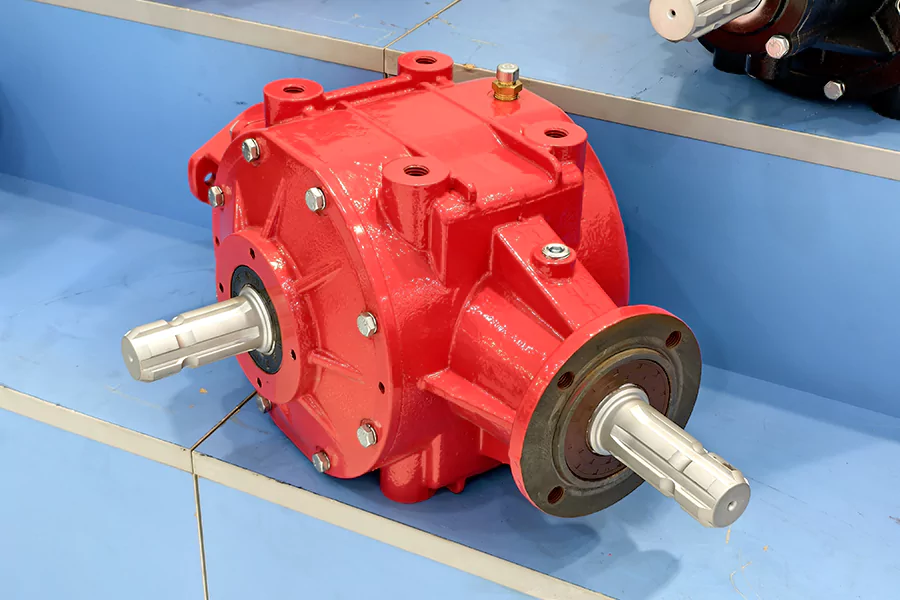
Designs vary. Some adapters convert between specific spline sizes. Others offer a different connection arrangement altogether for whatever oddball requirement you’re dealing with. You’ll see different spline configurations, shaft dimensions, connection ends—depends on what you need.
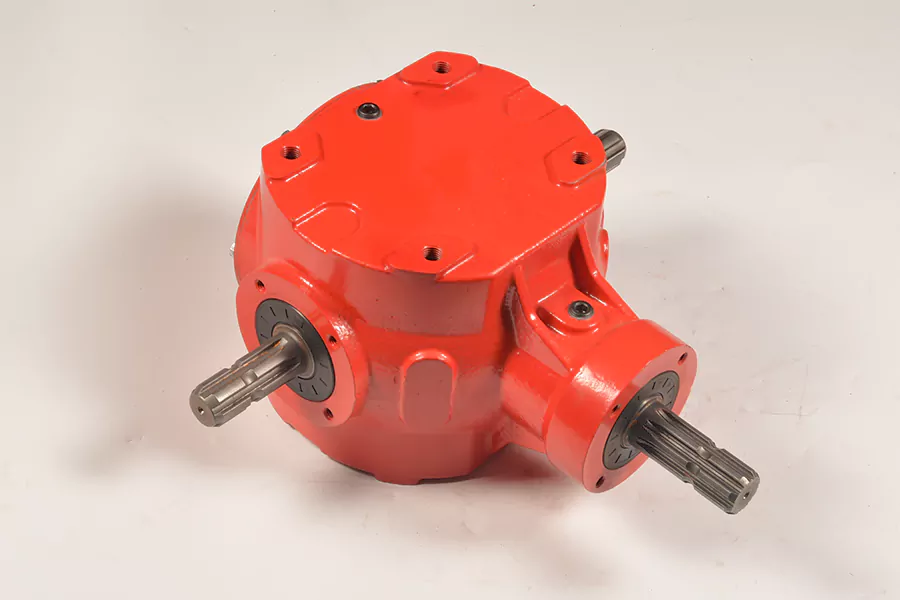
Here’s the thing though: an adapter isn’t a full PTO shaft assembly. It’s smaller, simpler. It doesn’t make power. It doesn’t change what your engine puts out. It just sits there and makes the mechanical connection work between two compatible driveline components. That’s its whole job.
How Does It Work?
An adapter creates a mechanical link between two PTO components. Match it right, install it right, and rotational power flows from your tractor’s PTO through the adapter to the implement. Done.
This article focuses on conventional mechanical PTO spline adapters, which are designed to connect specified shaft profiles rather than change the rotational speed or power output.
Three things are happening here.
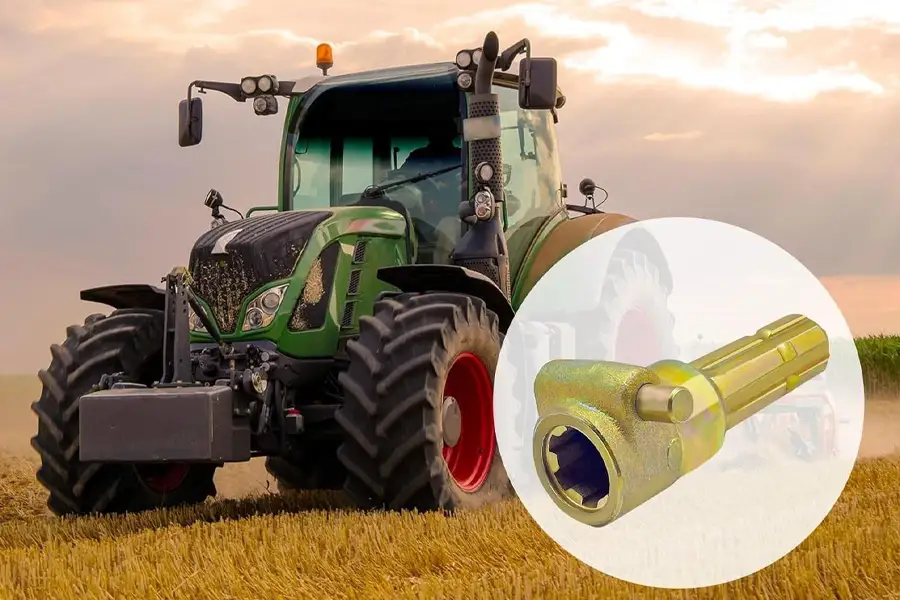
First, it connects to the tractor PTO shaft.
One end slides onto your tractor’s PTO output shaft. The internal spline profile or connection design has to match that shaft—otherwise it won’t engage properly.
It should fit snug. Not sloppy loose, not “I need a hammer” tight. A loose or mismatched connection will wear, vibrate, and eventually chew up your driveline. I’ve seen it happen. It’s not pretty.
Second, it connects to the implement driveline.
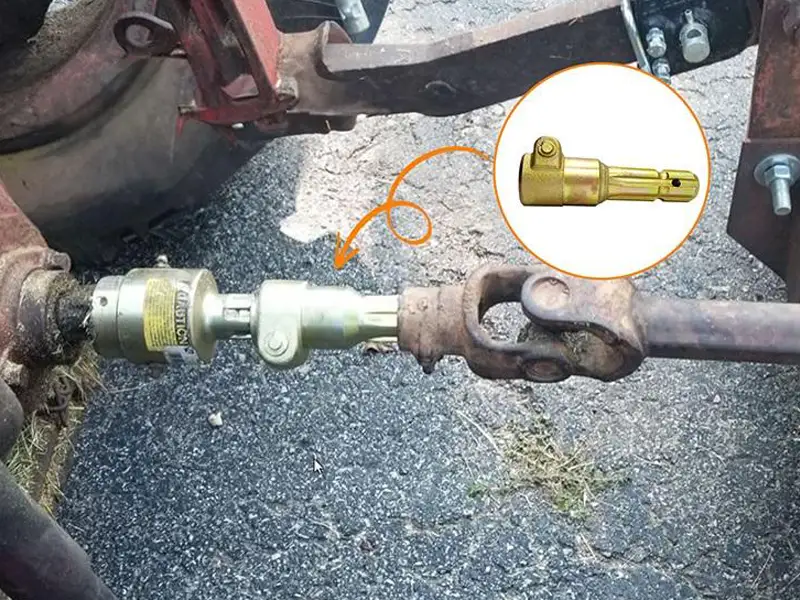
The other end goes to the implement’s PTO driveline or another compatible coupling. Dimensions and connection profile need to match the receiving end.
Say you’ve got a spline configuration on the implement that won’t accept your tractor shaft directly. An adapter designed for that specific conversion solves the problem. What you actually need depends on the adapter’s specs and what the equipment manufacturer calls for—no way around checking that.
Third, it transmits rotational power.
Once everything’s secured, the PTO shaft spins and torque moves through the adapter into the implement’s driveline.
The adapter is just a mechanical link in that power transmission chain. It doesn’t magically add torque. It doesn’t boost engine power or change PTO speed. The equipment runs exactly how the tractor’s PTO output and the implement’s design say it should. No more, no less.
Where Do You Actually See These Things?
All over the place, wherever a connection needs to happen.
Rotary Tillers: Connecting compatible PTO driveline components to get power to the soil-working bits.
Rotary Cutters: Making the connection between tractor PTO outputs and mower driveline systems work.
Balers: Providing the right connection for compatible PTO-driven baler setups.
Fertilizer Spreaders: Hooking up the PTO-driven transmission systems that run the spreading mechanism.
Other PTO-Driven Implements: And plenty of other PTO-driven implements with their own specific connection quirks.
Which adapter you need depends on your machinery configuration, the connection specs, and what the manufacturer recommends. Not every adapter fits every implement. Far from it.
What Should You Check Before Using a PTO Adapter?
Choosing an adapter based on appearance or rough dimensions can lead to compatibility and safety issues. Check the following items prior to installation.
Manufacturer Approval: Check the operator manuals of the tractor and implement to see if a PTO adapter is permitted. Some manufacturers specifically ban their use. If the adapter is not approved, use the PTO shaft or connection element supplied.
Spline Size and Configuration: Count splines, measure shaft diameter, and check connection profile on both sides. The adapter must fit the defined interfaces to engage properly.
PTO Operating Speed: Verify that the adapter and connected equipment are suitable for the intended operating speed. A standard spline adapter does not convert 540 RPM to 1000 RPM or correct an incompatible speed requirement.
Torque and Load Requirements: Ensure that the adapter is suitable for the torque and use conditions. Too much load can cause wear and/or failure of components.
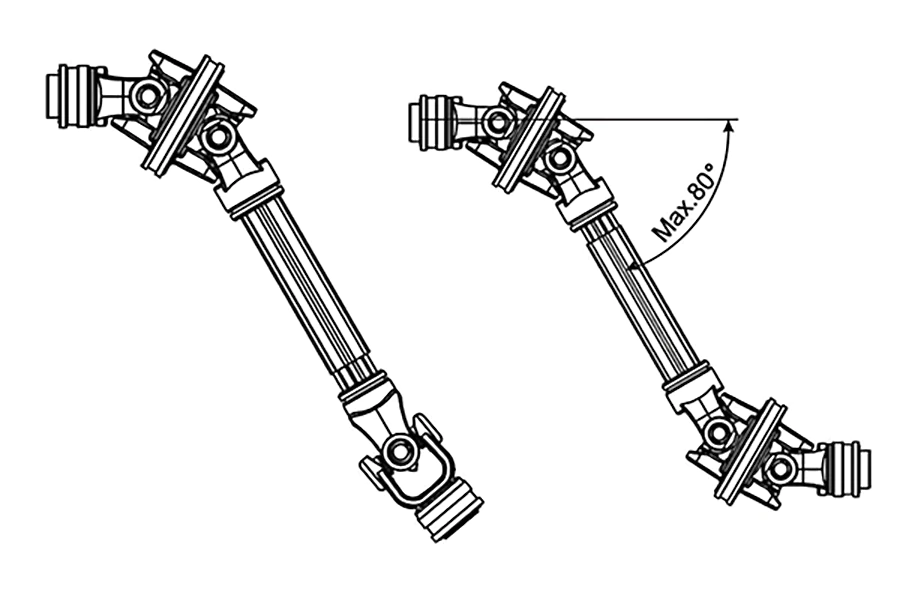
Total Driveline Length: The effective driveline length is changed by the introduction of an adapter. Check the shaft overlap, compressed and extended lengths and operating clearance as per manufacturer. The driveline must not bottom out, or over extend its safe working range or interfere with other components.
Safety & Retention: Ensure the adapter has the required locking mechanism and remains securely attached during operation. The adapter should not obstruct PTO guard and rotating parts should not be exposed. Do not operate equipment with missing or without proper PTO shields.
Final Thoughts
A PTO adapter is a small component, but it matters. By providing a compatible mechanical connection between specified PTO interfaces, it lets you connect tractors and implements with different coupling configurations.
Before you buy one, check spline specs, operating speed, torque requirements, and driveline dimensions. And more importantly—confirm that using an adapter is actually approved for your specific tractor and implement combination. A correctly specified connection keeps things running reliably and cuts down on unnecessary wear. Get it wrong and you’ll be fixing things that didn’t need fixing.