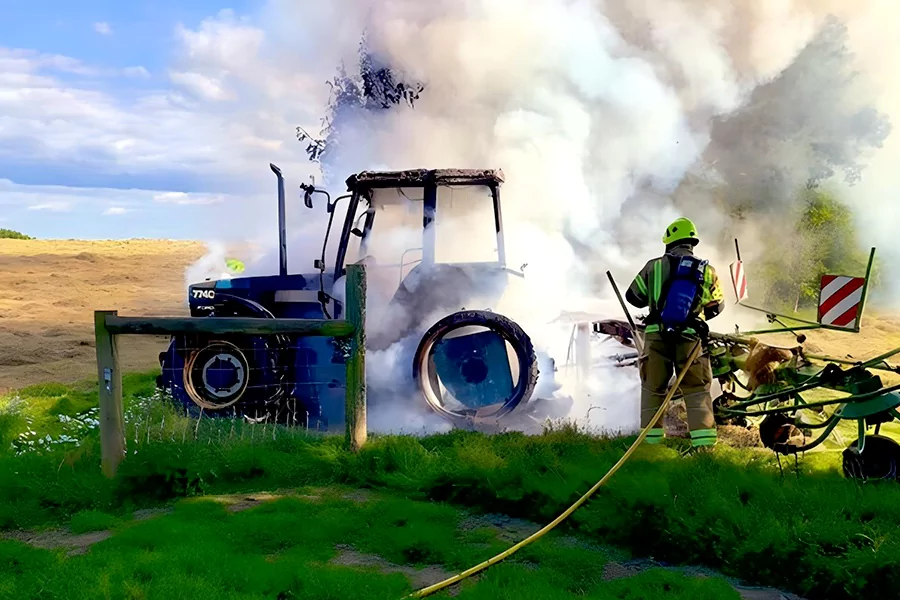
Pick the wrong PTO shaft cover and it won’t just fail to fit. It’ll leave rotating parts exposed—or get in the way of the shaft every time it telescopes. For farm owners, repair shops, and parts dealers, choosing a replacement isn’t about matching looks. Size, shaft compatibility, and how the machine actually works all matter.
Here’s what to check before you buy.
1. Know what the cover actually does
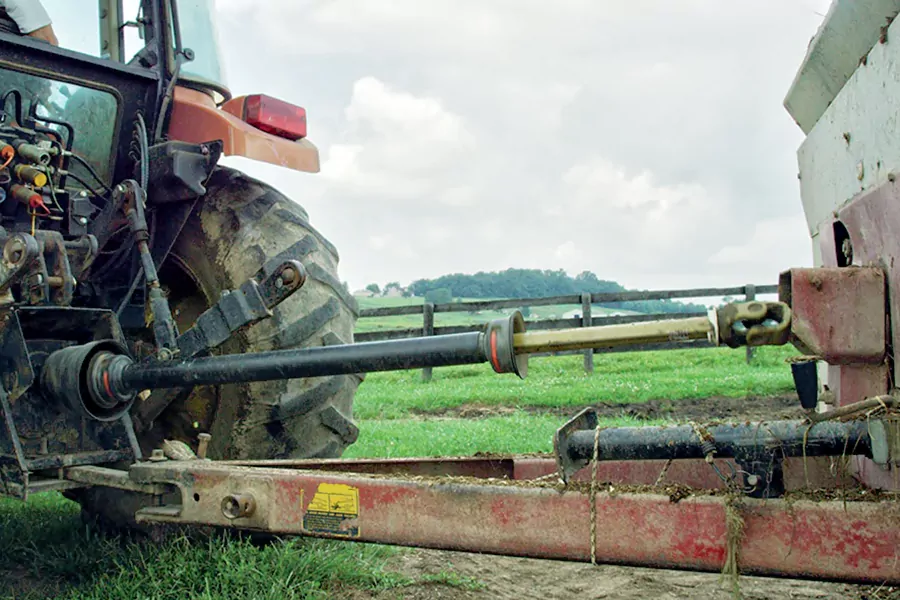
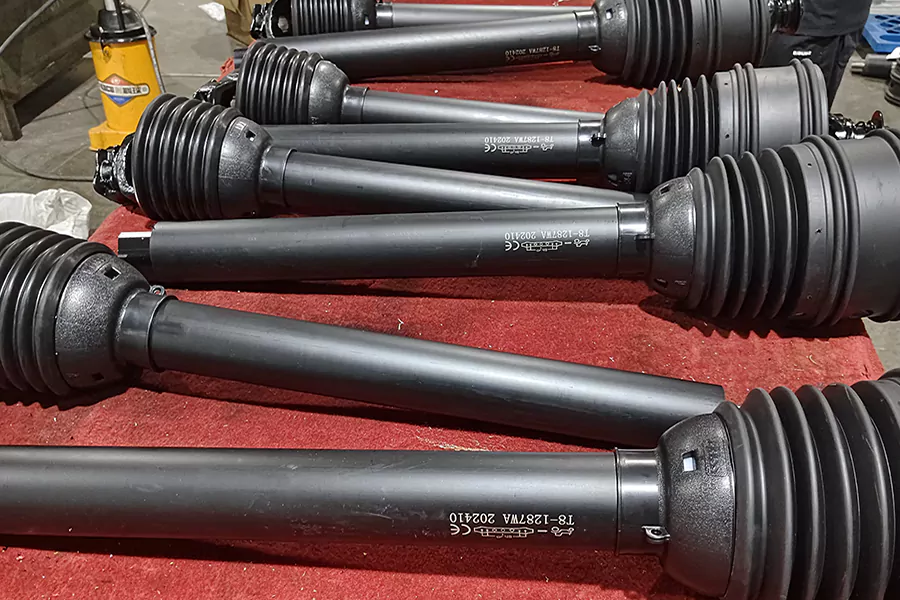
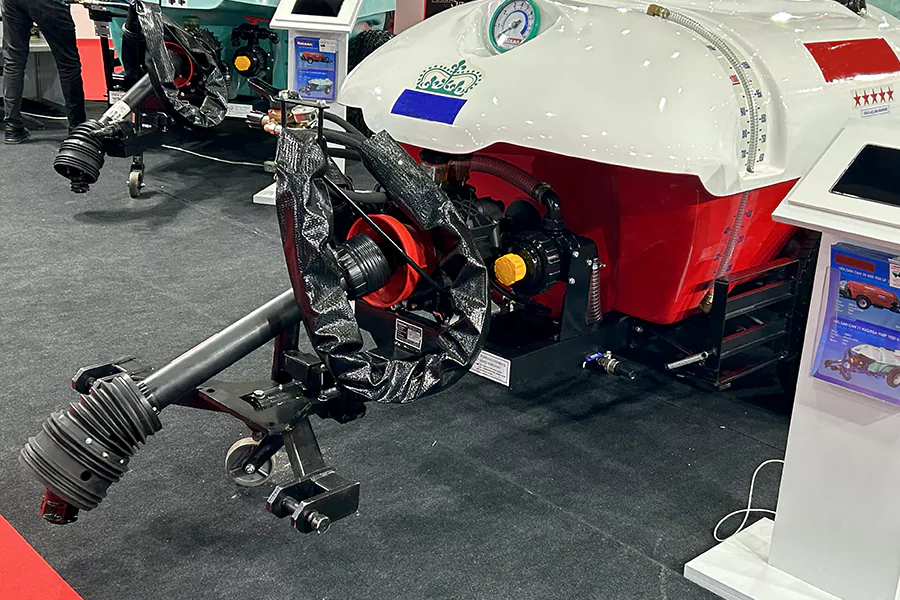
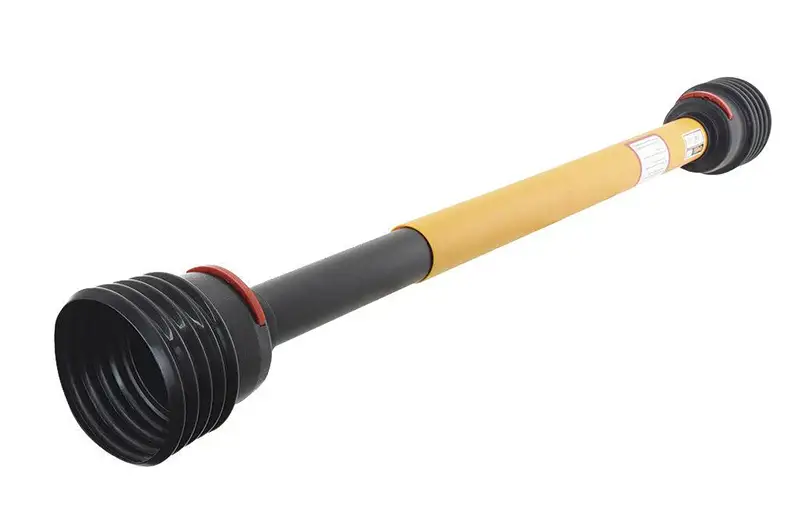
A PTO shaft cover—also called a guard or safety shield—wraps around the rotating driveline between the tractor and the implement.
Its job is simple: keep people from touching spinning parts. A typical setup has four pieces:
Guard tubes: Cover the telescoping shaft.
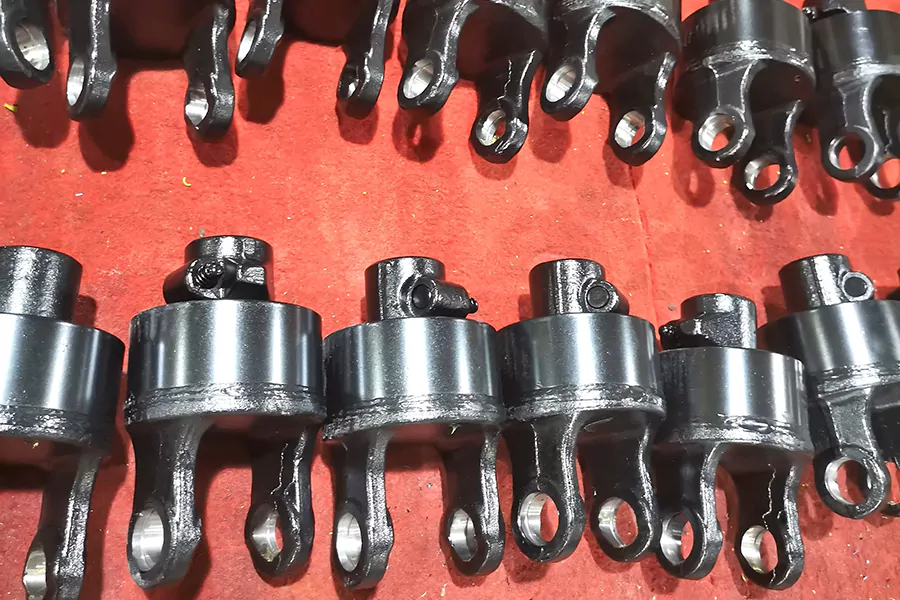
Guard cones: Protect the universal joints at each end.
Support bearings and retaining rings: Allow the guard to remain stationary while the shaft rotates inside it.
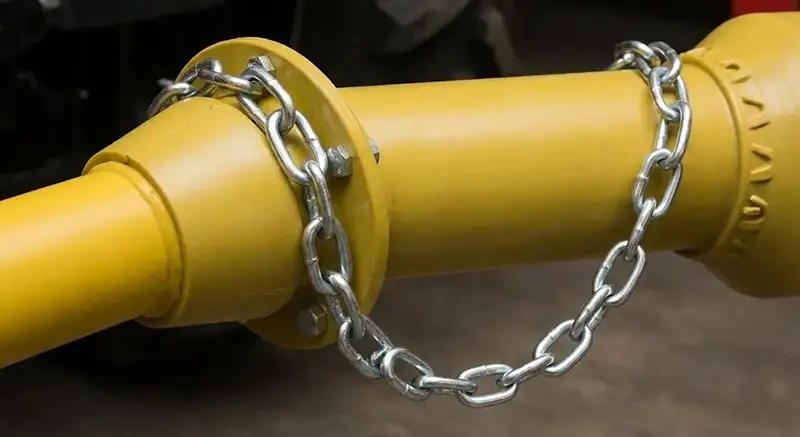
Safety chains: Anchor the guard to a fixed point so it doesn’t rotate with the shaft.
Knowing these parts helps you decide whether you need a full assembly or just a couple of replacements.
2. Figure Out Which Cover Type You Need
Covers come in different designs for different shaft setups. Shapes, sizes, and retaining systems vary by manufacturer and shaft series.
Before ordering, look at the guard you’ve got and work out what’s actually broken. A cracked outer tube with good cones and bearings? You probably just need the tube. Several parts damaged, or the guard half missing? A full assembly is usually the smarter buy.
Either way, check the manufacturer’s parts information to confirm that all components work together.
3. Measure the Shaft—Don't Eyeball It
Size is where most people mess up. Grab a tape measure and check these before you order:
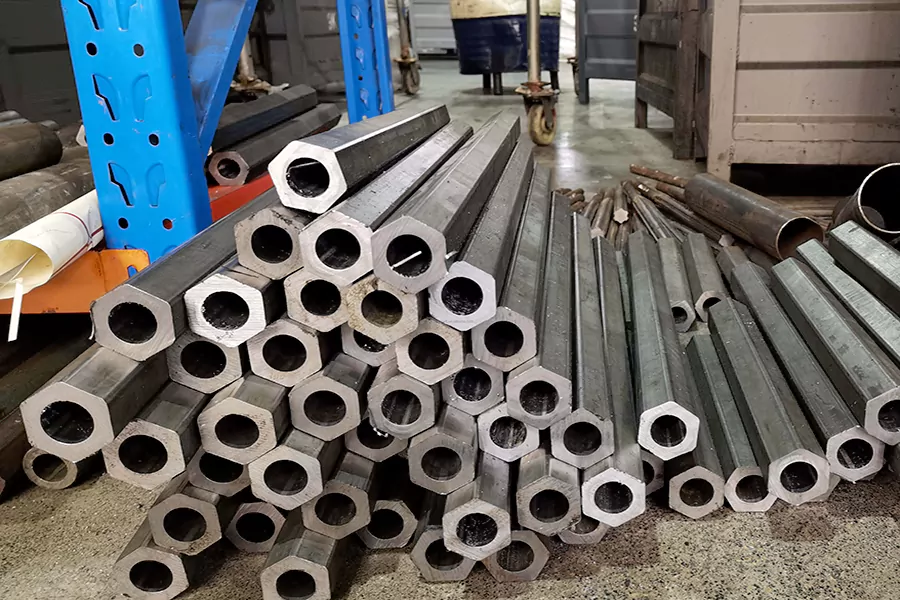
Guard tube profile and diameter: Measure the existing tube and note its shape. Round profiles are common, but some shafts use special profiles that require an exact match.
Overall length: The guard must be long enough to provide proper coverage without interfering with the shaft’s telescoping movement.
Guard cone dimensions: Check the size and attachment method of the cones at both ends. They must align correctly with the universal joint areas.
Shaft series: Identify the manufacturer, series, or model number whenever possible. Different series may use different guard dimensions and retaining systems.
Two covers can look identical and mount completely differently. Don’t trust your eyes alone.
Whenever possible, use the manufacturer’s part number or guard series information to confirm compatibility. Measurements alone may not be enough to identify the correct replacement.
4. Think About the Job the Machine Does
What’s hanging off the PTO shaft changes what you need. Rotary cutters, tillers, flail mowers, and spreaders all work at different angles and move in different ways.
So ask yourself:
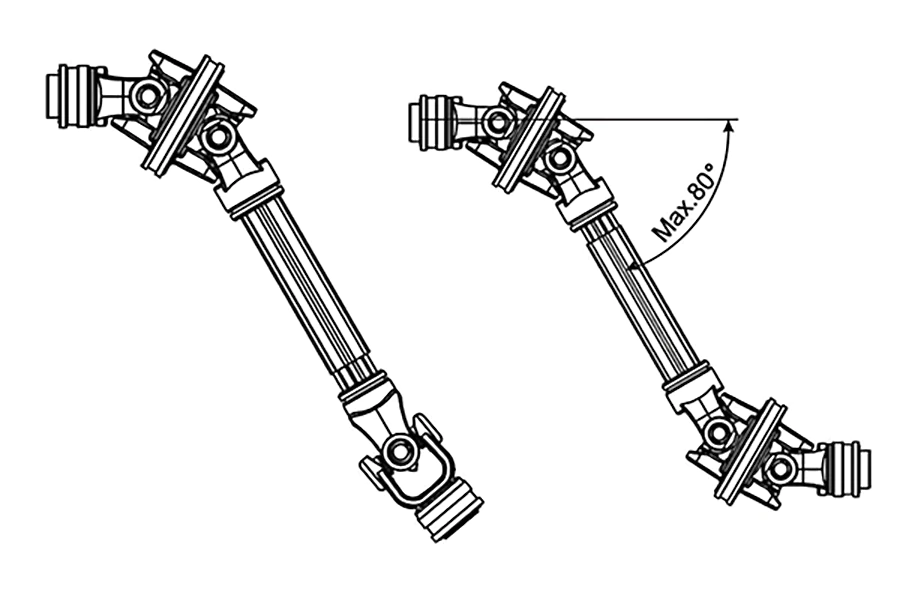
What angle does the shaft run at, and how much does it move?
How far does it need to telescope during work?
What’s it exposed to—mud, dust, rain, and sunlight?
Is the guard likely to be exposed to impacts from stones, crop residue, or nearby machine components?
Is there enough clearance around the tractor and implement connections?
The replacement guard has to handle normal driveline movement and still protect what it’s supposed to.
5. Check the Retaining System and Safety Chains
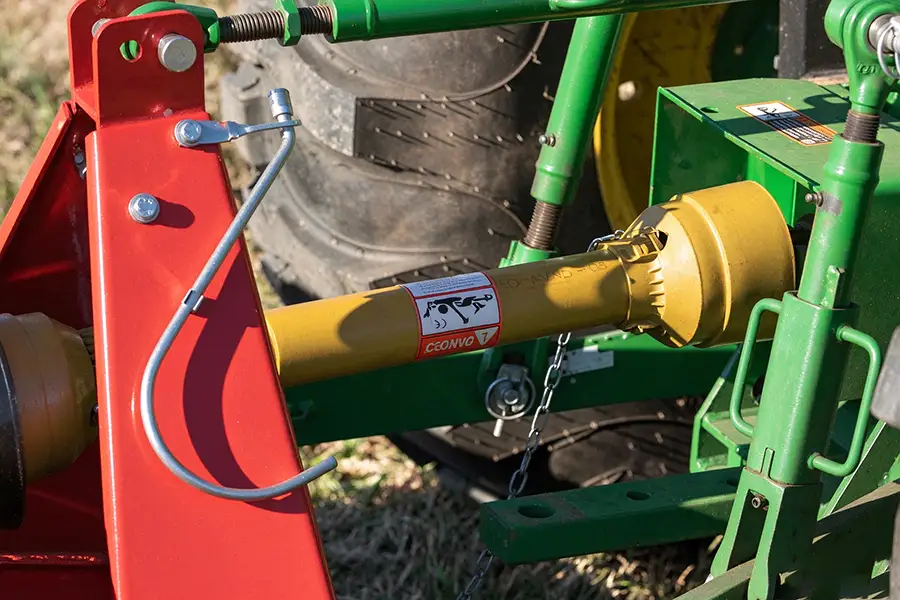
A guard is only as good as what holds it on. Before ordering, check the support bearings, locking rings, retaining clips, and fastening points.
And don’t forget the safety chains. Without a properly installed restraining system, the guard may rotate with the shaft, creating a serious safety hazard. Safety chains are commonly used to keep the guard stationary during operation.
Make sure the new guard has suitable chain attachment points and that the chains can reach a fixed point on the tractor or implement.
Don’t reuse old hardware out of habit. A cracked clip or worn bearing can quickly make the new guard unstable.
6. Common Buying Mistakes to Avoid
Most wrong orders come down to a few things:
Buying by looks: Similar covers may have different dimensions and profiles.
Skipping the shaft model: Without series information, compatibility becomes guesswork.
Ignoring telescoping movement: A guard that’s too tight may restrict movement, while one that’s too short may leave parts exposed.
Reusing damaged hardware: Worn retaining components can make a new guard unstable.
Ordering an incomplete set: Check whether cones, bearings, and retaining parts are included if you need them.
For dealers and bulk buyers, confirming these details upfront helps reduce fitment errors, unnecessary returns, and purchasing costs.
7. What to Tell the Supplier When You Order
Have this ready before you call or email:
PTO shaft manufacturer, series, or model number
Guard tube length, diameter, and profile
Photos of the existing cover and both end connections
Tractor and implement models
Whether you need a full assembly or individual parts
Clear measurements and good photos help suppliers identify a compatible replacement faster and reduce unnecessary back-and-forth communication.
Final Thoughts
Getting the right replacement PTO shaft cover comes down to checking size, shaft compatibility, retaining parts, and working conditions. Match it properly and the guard does its job without getting in the way of the driveline.
BAIQUAN specializes in agricultural PTO shafts and related driveline components, including universal joints and torque limiters. For distributors and agricultural machinery manufacturers looking for reliable driveline parts, BAIQUAN also provides OEM and ODM support to meet different sourcing requirements.