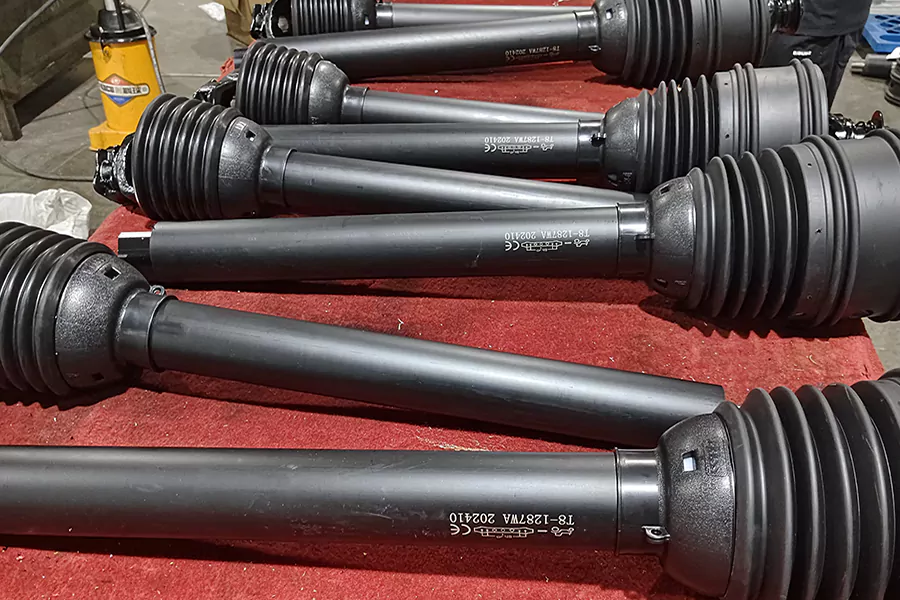
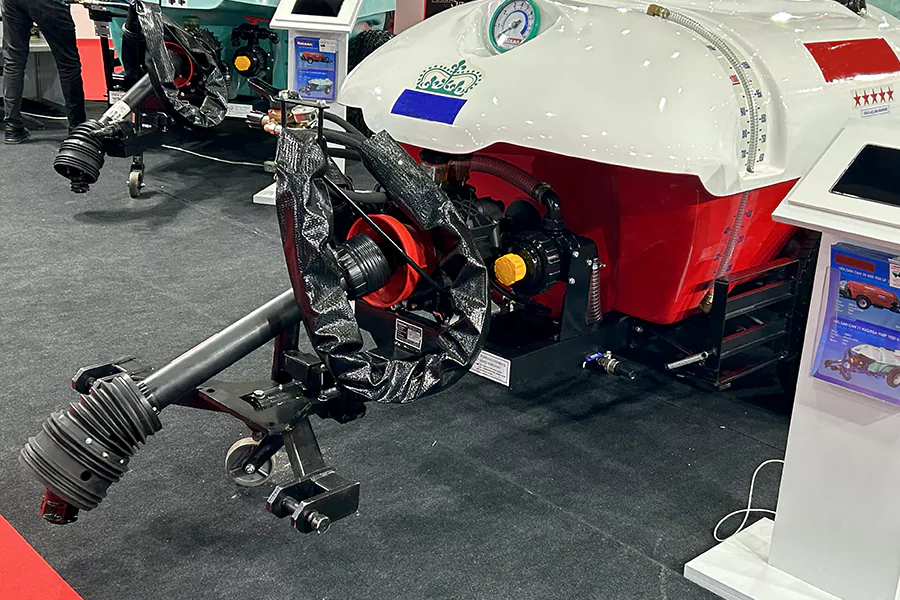
Every spring somebody calls the shop with the same story. They bought a “6-foot brush hog PTO shaft” off a listing photo, it showed up with the wrong yoke, and the cutter has been sitting in the barn since the grass got ahead of them.
The shaft slid on. That was the trap. Fitment on a rotary cutter is not one number, and it is not the spline count alone. A PTO driveline that fits but is wrong will run for a season and then take the gearbox with it.
Here is the checklist I would use before spending money, in the order I would actually check things.
Confirm the tractor's PTO speed and spline first
Pull the number off the tractor, not the implement. ASABE S203 and ISO 500 define the three shafts that cover most of what is sold in the U.S.:
PTO type | Stub size | Splines | Speed |
Type 1 | 1-3/8 in | 6 | 540 rpm |
Type 2 | 1-3/8 in | 21 | 1,000 rpm |
Type 3 | 1-3/4 in | 20 | 1,000 rpm |
Count the teeth. A 21-spline stub and a 6-spline stub are the same diameter, and at arm’s length in a barn doorway they look alike until you actually count. Plenty of utility tractors sold here in the last twenty years have a shiftable 540/1,000 PTO, so the same machine can hand you either stub depending on where the lever sits.
Then check 540E if your tractor has it. Economy mode still uses the 540 stub, but it reaches 540 rpm at a lower engine speed, and the shaft and gearbox have to be rated for it. A cutter gearbox built for 540 rpm, run at 1,000, will not last the first pass. Bearings go, blades overspeed, and the deck turns into a hazard instead of a mower.
Match the yokes at both ends
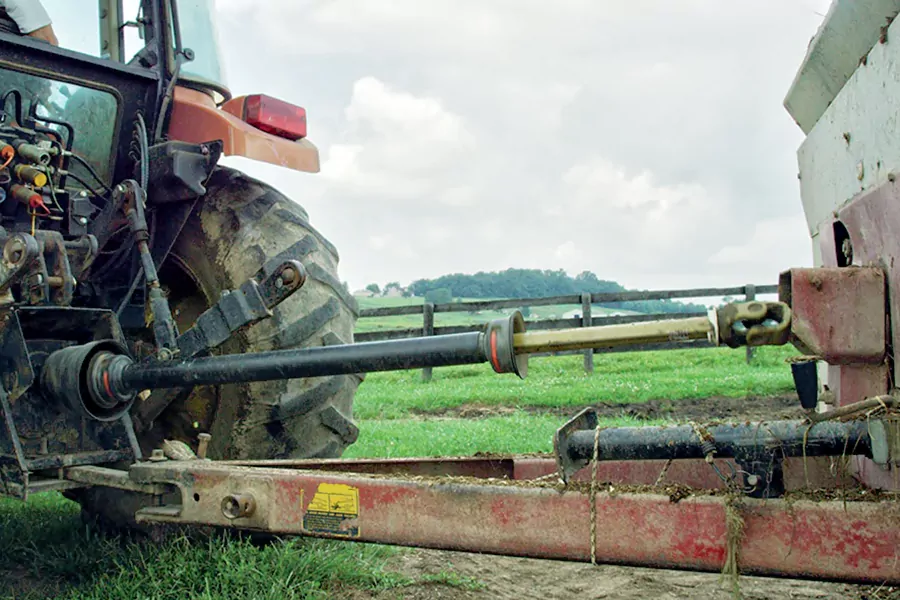
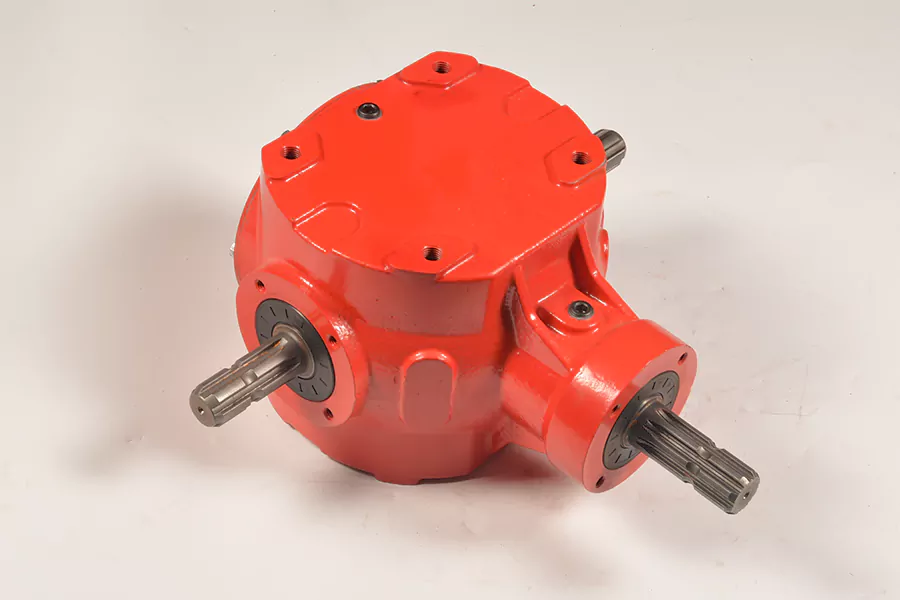
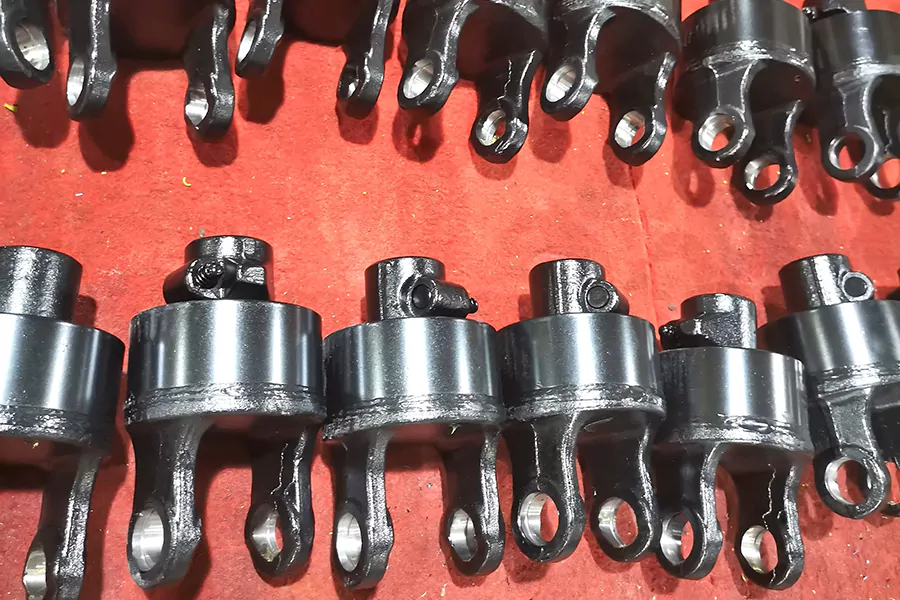
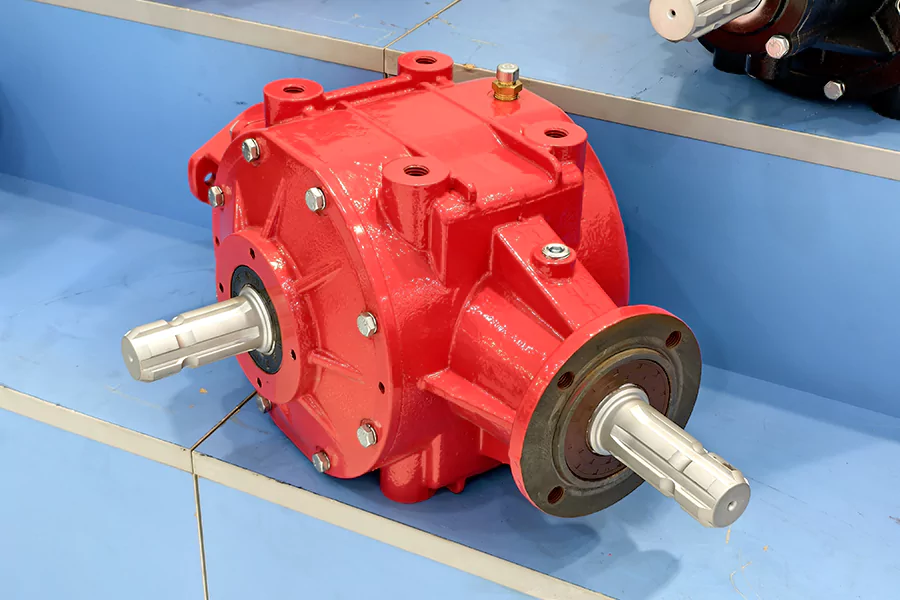
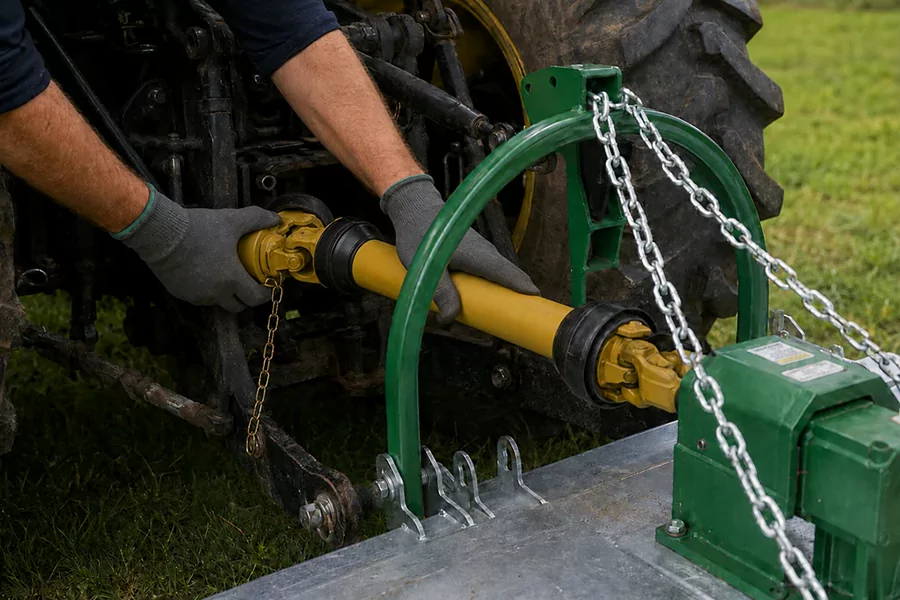
The tractor end is usually a quick-disconnect or push-pin yoke that fits the stub. The implement end is a different animal: a splined bore on the rotary cutter gearbox input, often 1-3/8 by 6, sometimes a flange or a taper pin. Measure both. PTO driveline parts come back to the counter every week because somebody assumed the implement end matched the tractor end.
Confirm the locking style too. A collar-lock yoke will not seat on a stub with a worn groove, and a push-pin yoke needs a clear cross-hole. Bring a wire brush and a rag. Grease the splines before the first engagement, not after the first squeal.
Measure length with the cutter on the ground
This is where most bad rotary cutter PTO shaft purchases start. Measure face-to-face from the tractor PTO stub to the gearbox input, with the cutter at working height and again at full lift.
What to record | Where to measure |
Closed length | Cutter at full lift, closest hitch position |
Working length | Cutter level at cutting height |
Extended length | Cutter fully lowered, farthest position |
Tube overlap at full extension | Keep at least 1/3 of the tube |
Free compression at closed length | Must not bottom out |
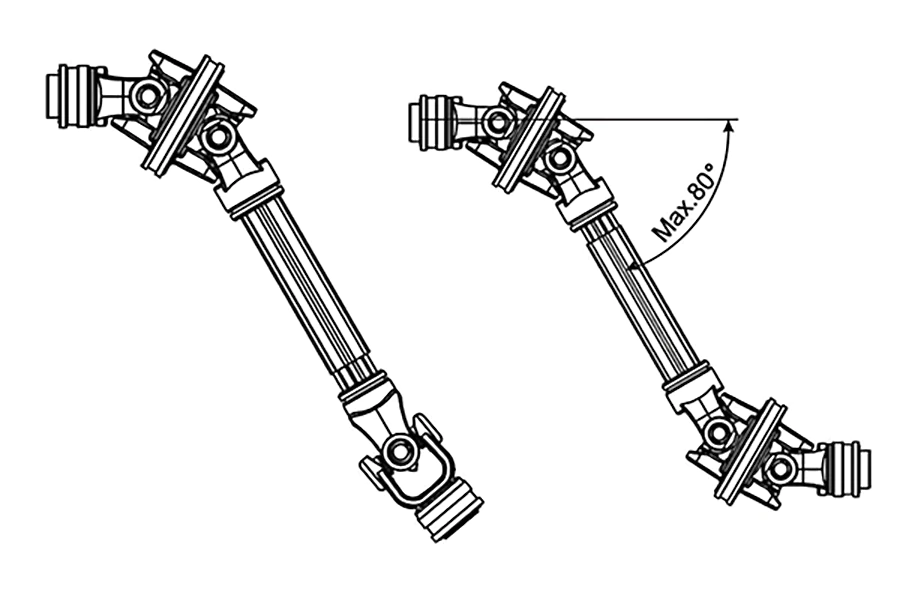
Running angle | Keep under roughly 15 degrees |
Two rules carry more weight than the rest. The shaft must never bottom out, because a bottomed shaft drives the gearbox input bearing back into the housing. And at full extension it needs a third of the tube still engaged, or the halves pull apart under load. That failure is violent, and it usually happens with somebody standing nearby.
Match the series, not just the spline
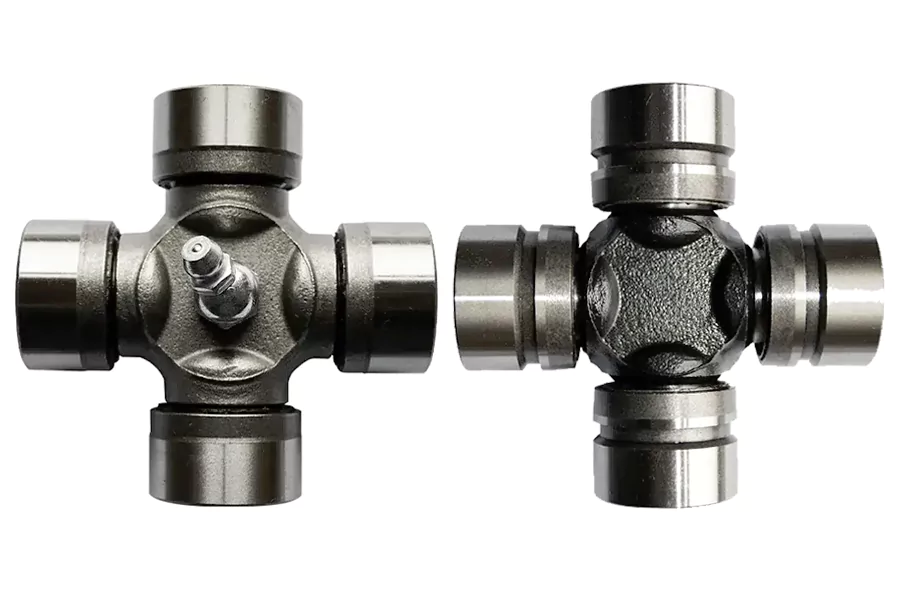
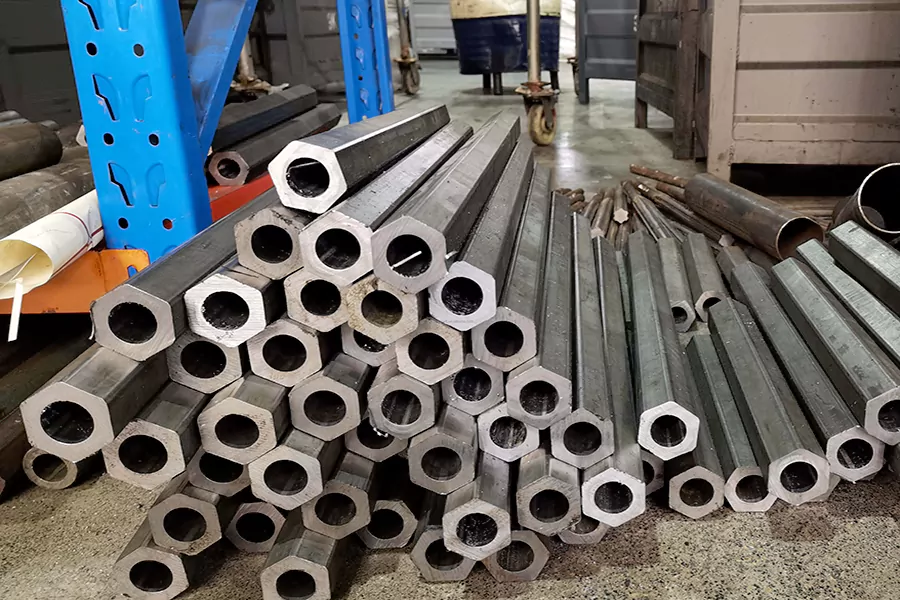
The series number on a PTO shaft for rotary cutter duty sets the cross kit size, the tube profile, and the yoke bore. It is not a marketing label. A five-foot light-duty cutter and a seven-foot heavy cutter do not share a shaft, even when both take a 1-3/8 by 6 yoke.
Budget about 5 PTO horsepower per foot of cut, and 8 to 12 per foot on heavy decks that are expected to chew saplings. If your tractor sits at the bottom of that range, the driveline and the rotary cutter gearbox spend their life absorbing shock loads they were not built for. Every cut feels fine right up until the input shaft twists off.
Decide how the shaft should fail
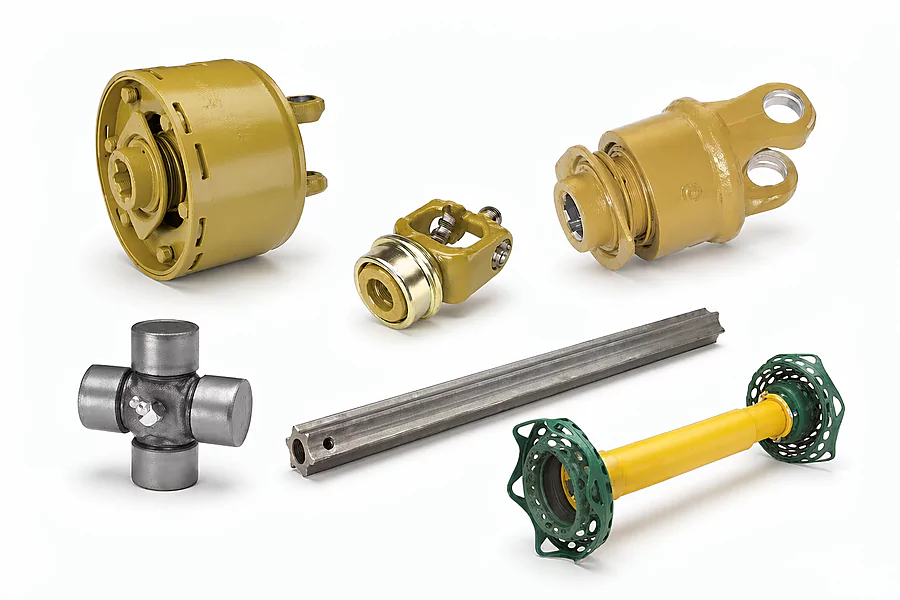
Every brush hog PTO shaft needs a torque limiter, and the two common choices behave nothing alike:
- Shear bolt. Cheap, absolute, stops the machine dead. Replace it with the exact grade and diameter specified. Substitute a grade 8 bolt for a grade 2 and you have turned the bolt into a solid coupling and the gearbox into the fuse.
- Friction slip clutch. Resets on its own, which is why pasture and roadside crews prefer it. It also rusts solid if nobody touches it. Break it loose and let it slip once a season, or it stops protecting anything.
On older tractors without independent PTO, add an overrunning clutch. A rotary cutter stores a lot of energy in that blade carrier, and without a one-way clutch, all of it goes back up the PTO driveline when you push the pedal in.
Guard it like it is going to be inspected
Under 29 CFR 1928.57, PTO shafts on farm field equipment have to be guarded, and the shield stays on during operation. If you hire help, that obligation lands on you as the employer. Replace cracked shields. Chain the shield at both ends so it cannot spin. Check that its telescoping range covers the shaft’s full travel, because a shield that pulls apart at full lift leaves bare, rotating steel exactly where your hip will be.
Where to buy without guessing
Matching on spline count alone gets you a shaft that slides on and maybe survives the season. Verifying against the tractor model, the cutter’s gearbox input, and real measured lengths is what keeps a machine running through June instead of sitting behind the shop in July.
Hangzhou Baiquan Electromechanical Co., Ltd. (BAIQUAN) builds that range for the aftermarket: complete PTO shafts, cross kits and U-joints, yokes, profile tubes, friction and shear-bolt torque limiters, full shields, and agricultural gearboxes for rotary cutters. Orders ship worldwide, and custom lengths or mixed-spline configurations are built to your measurements rather than to a catalogue guess. Send the tractor model, the cutter model, and your closed and extended numbers, and the spec gets confirmed before anything ships.