Failure of agricultural machinery bearings is seldom an accident. Most of the time the damage has already been taking place for weeks or even months before the machinery suddenly stops.
The gearbox starts making strange noises. The PTO shaft starts to vibrate. A new implement starts developing uneven power. Many operators continue working because the machine is “still usable.” From what we see in agricultural parts supply, this is often the stage where a small bearing problem turns into a much more expensive repair.
When customers ask us why a bearing failed, the first answer is usually not “bad bearing quality.” In real field conditions, bearing life is affected by many factors, including installation, lubrication, working load, contamination, and machine alignment.
A good bearing installed in a poor environment can fail faster than a normal bearing installed correctly.
1. Lack of Proper Lubrication: The Most Common Cause
Lubrication problems are still the number one reason behind agricultural bearing failures. Farm equipment works in harsh conditions. Dust, soil, moisture, and long operating hours put constant pressure on rotating parts.
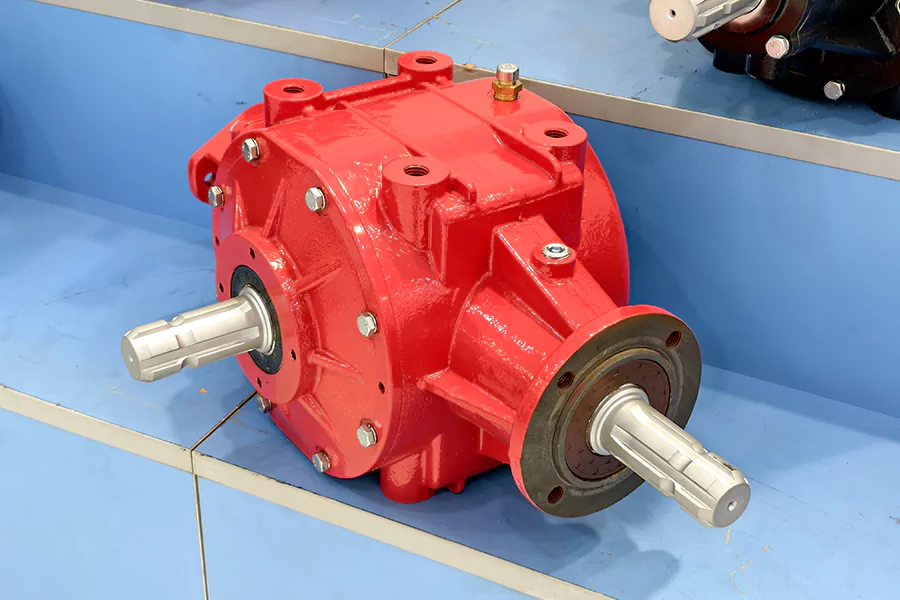
Common situations are a rotary tiller gearbox or a mower gearbox gets brought in for repairs, and the bearing surface is overheated. After further observation, the reason is simple: there is not enough grease or oil that has become old and no longer possesses protecting properties.
Common understanding of many users is that adding grease once protects the bearing for the entire season of agriculture operation. Actually, agriculture machines need to pay attention to maintenance as its operation environment is much poorer than that for industrial machinery.
For agriculture machinery, high working temperature, great load, continuous impact/long duration shocks would rapidly deteriorate the lubricating properties of lubrication.
From a purchasing perspective, we also recommend customers pay attention to the complete working environment instead of only comparing bearing prices. A slightly cheaper bearing cannot compensate for poor maintenance habits.

2. Overloading and Shock Loads During Field Operation
Agricultural equipment does not always work under stable conditions. When a rotary cutter hits stones, a tiller works in hard soil, or a baler suddenly handles heavy material, the bearing experiences shock loads that are much higher than normal operation.
This is one reason why selecting the correct bearing type is important. A bearing that works well on light-duty equipment may not survive on heavy-duty machines.
In the replacement parts market, we often see customers searching only by size or bearing number. However, the original application matters more.
The same bearing dimensions can be used in different machines, but the actual load conditions may be completely different.
Before purchasing replacement bearings, it is better to confirm the gearbox model, shaft speed, working load, and application type. This small step can prevent repeated replacement costs later.
3. Contamination from Dust, Water, and Foreign Materials
Agricultural machinery operates close to soil, crops and outdoors. Unlike equipment in factory halls or clean workshops, farm machines have daily loads of dust and moisture.
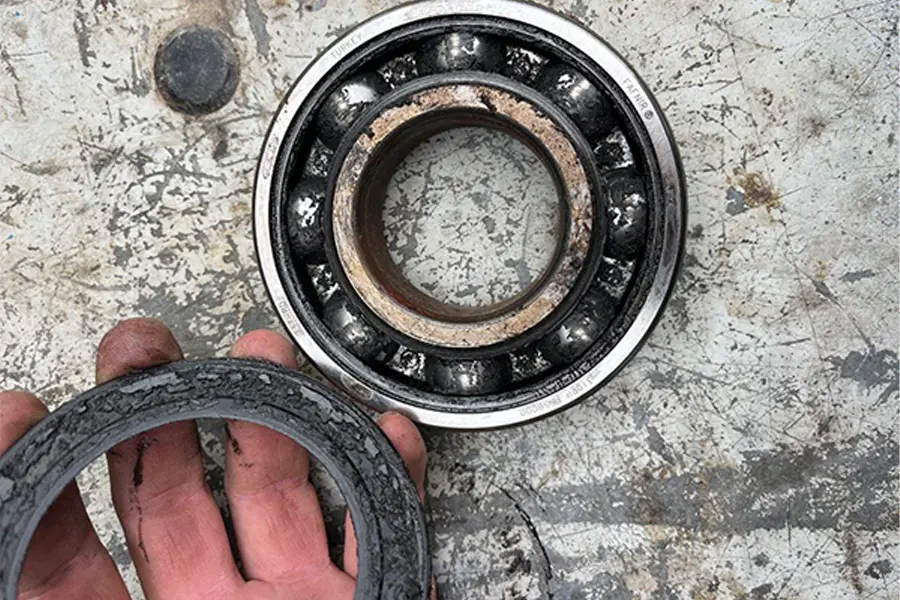
Once contaminants get into the bearing, they scratch the raceway and rolling elements. At first, the operator notices only a tiny increase in the bearing noise.
After some time, the damaged surface generates even more friction, which creates overheating, resulting in complete bearing failure.
Generally, we can see damaged bearing rings with rusty marks or the bearing seals damaged only after a relatively short time of use.
A lot of the time, the bearing itself is not the fault. Usually, the fault lies in the broken seal, wrongly assembled bearing or water contact during operation.
For buyers sourcing agricultural bearings, checking sealing design and application suitability is just as important as checking material quality.
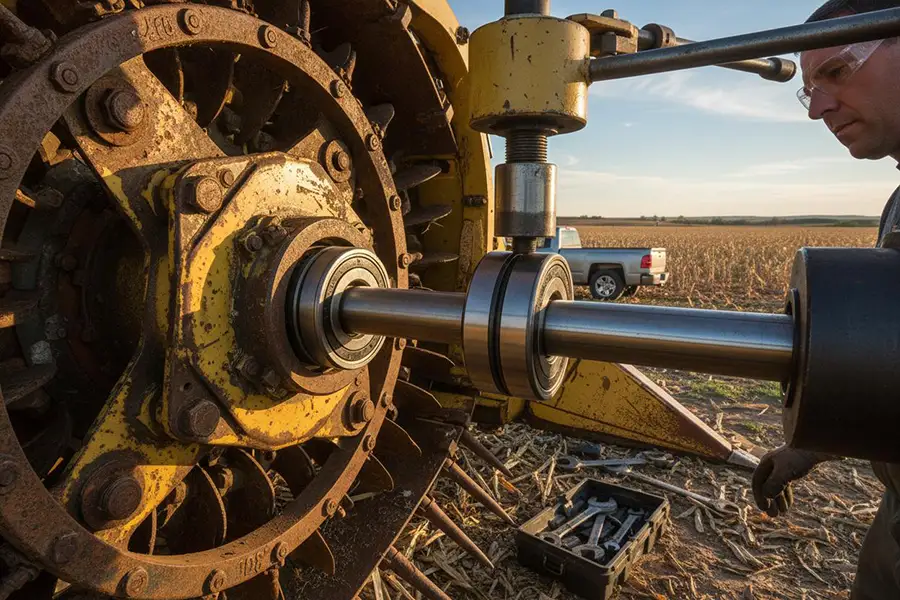
4. Incorrect Installation Can Shorten Bearing Life Quickly
Even a high-quality bearing can fail early if it is installed incorrectly.
Common installation mistakes include:
- Using excessive force
- Damaging the bearing seal
- Applying pressure to the wrong bearing ring
- Installing the shaft with poor alignment
This problem appears more often during emergency repairs. Farmers usually need to get equipment running quickly during busy seasons, so some replacement jobs are completed without proper tools.
From our experience supplying agricultural components, professional installation makes a noticeable difference in bearing performance.
Using the correct tools and checking shaft alignment may take extra time, but it is much cheaper than replacing the bearing and repairing damaged gearbox components again.
5. Early Warning Signs Should Not Be Ignored
Bearing failure usually gives warning signals before complete breakdown.
Operators should pay attention to:
- Abnormal noise from gearbox or rotating parts
- Increased vibration during operation
- Higher operating temperature
- Grease leakage or discoloration
- Reduced working efficiency
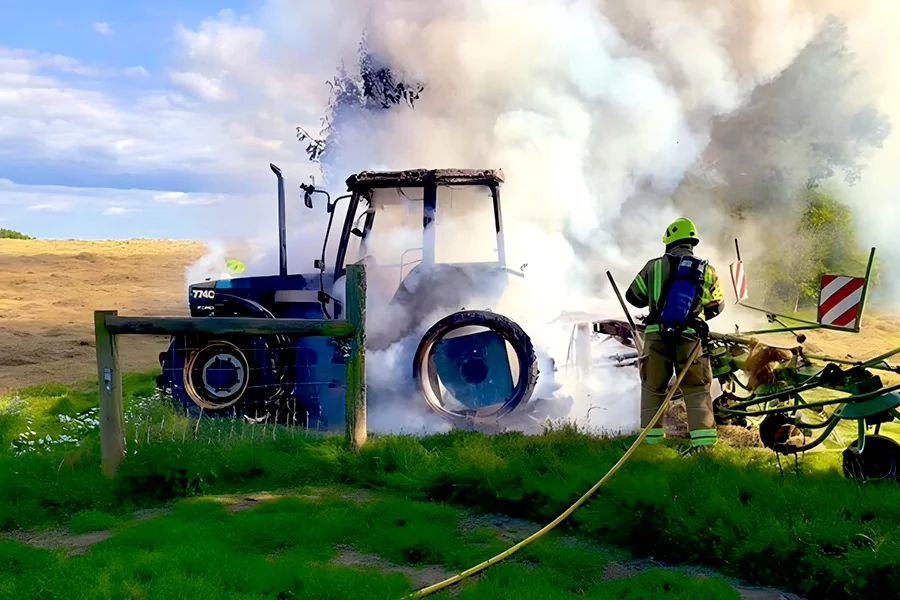
Ignoring these signs can cause secondary damage.
A failed bearing can damage shafts, gears, housings, and other expensive components.
Many customers contact suppliers only after a gearbox has completely failed. At that point, the repair cost is much higher than replacing a worn bearing at an early stage.
Final Thoughts
A bearing failure in agricultural machinery usually results from several conditions all occurring at once.
Poor lubrication, overload, contamination and incorrect installation will all shorten the life of a bearing.
For a farmer, equipment owner or parts buyer, selecting the right bearing is just the first step. Good maintenance practices and understanding bearing conditions is equally important.
For many agricultural machinery manufacturers, the cheapest part replacement is not always the cheapest.
A reliable bearing that is appropriate for the application and regular inspection and correct maintenance will reduce downtime and ensure equipment is always working at the time it counts – especially during the busy season.